
 EN
EN



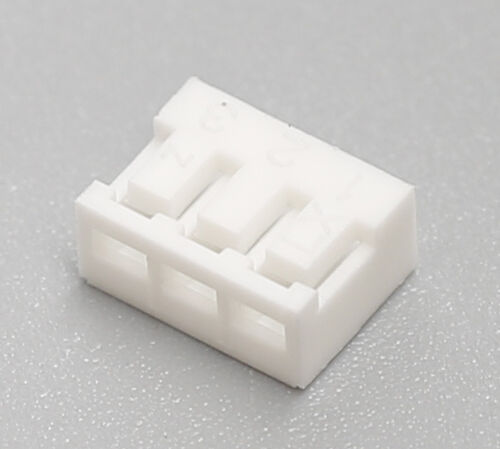
יצרני אלקטרוניקה צרכנית ניצבים תחת לחץ מתמיד לספק מכשירים שקטנים יותר, קלים יותר ואמינים יותר, תוך שמירה על יעילות עלות ויכולת הגדלת ייצור. בסביבה התחרותית הזו, הבחירה בפתרונות חיבור פנימיים משחקת תפקיד קריטי בהצלחת המוצר. מחברי חוט ללוח עלו כשיטת החיבור המועדפת באלקטרוניקה צרכנית, והם מציעים שילוב ייחודי של אופטימיזציה של שטח, יעילות בייצור וביצועים חשמליים – שמתאימים באופן מושלם לדרישות המכשירים המודרניים.
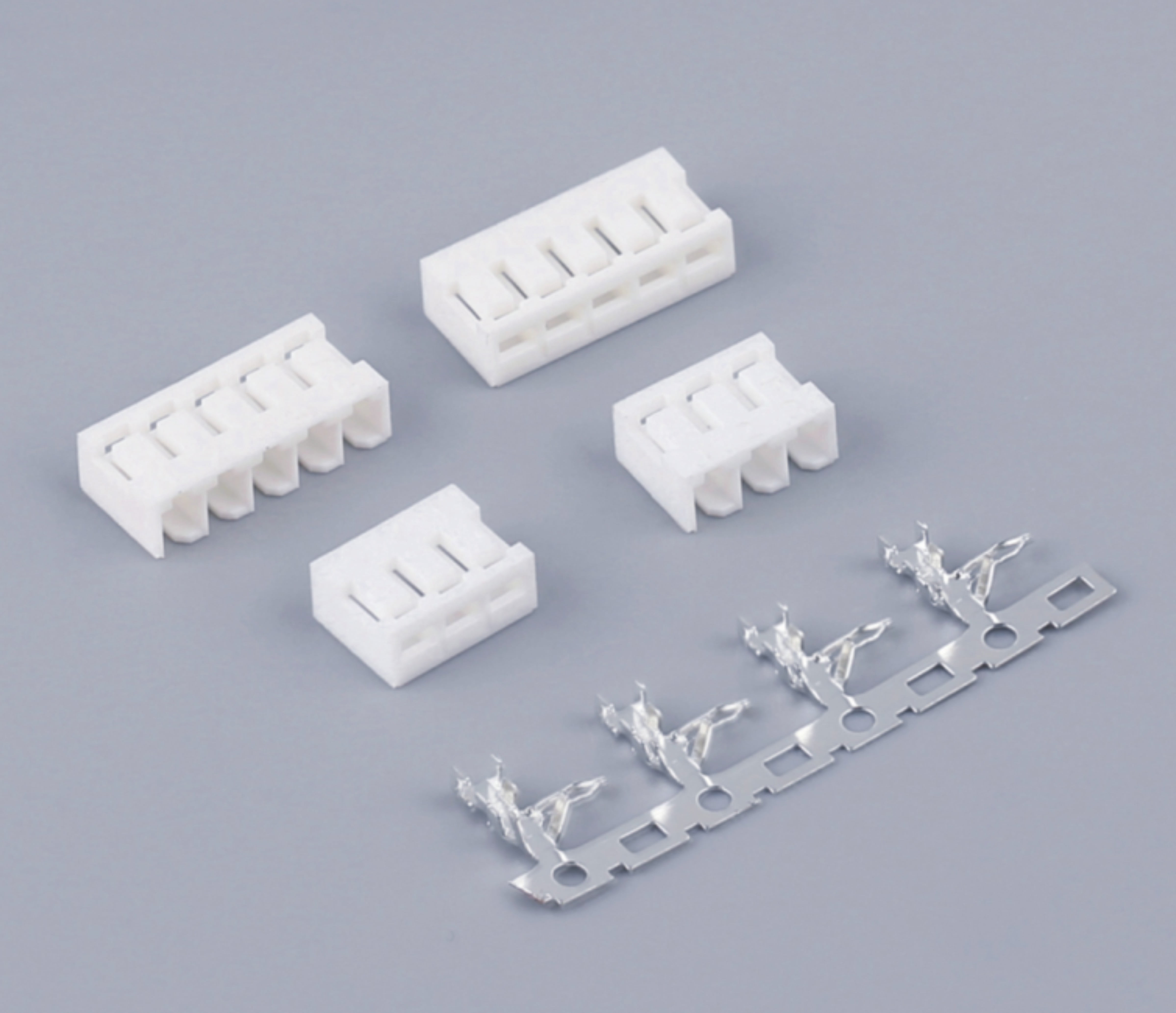
ההשתלטות של חיבורי חוט ללוח באלקטרוניקה צרכנית נובעת מהיכולת שלהם להתמודד עם מספר אתגרי תכן קריטיים בו זמנית. בניגוד לחיבורים מסורתיים של לוח ללוח שדורשים יישור מכני מדויק וצורכים שטח משמעותי על לוח המעגלים המודפסים (PCB), חיבורי חוט ללוח מספקים אפשרויות גמישות לרouting שמאפשרות התאמה לגאומטריות פנימיות מורכבות. גמישות זו הופכת חיונית בעת תכנון סמרטפונים, טאבלטים, מחשבים ניידים והתקנים לבישים, שבהם כל מילימטר של מקום הוא חשוב והרכיבים חייבים להתאים סביב סוללות, מסכים ומרכיבים גדולים אחרים.
יתרונות של יעילות בשטח ומזעור
עיצוב עם טווח תפוסה קטן
מחברי חוט ללוח (Wire to board connectors) מצליחים במיוחד באלקטרוניקה יוצאת דופן, בעיקר בשל הדרישה שלהם לשטח מינימלי על לוח המעגלים המודפסים (PCB) בהשוואה לשיטות חיבור אחרות. מחברי לוח ללוח (board-to-board connectors) מסורתיים דורשים יישור מדויק בין מספר לוחות מעגלים מודפסים ולעיתים קרובות דורשים אזורי ניקיון גדולים סביב אזור החיבור. להבדיל, מחברי חוט ללוח יכולים להיות ממוקמים כמעט בכל מקום לאורך שפת הלוח או על פניו, מה שמאפשר למפתחים לנצל את השטח הזמין בצורה יעילה יותר. מאפיין זה של חיסכון בשטח הופך לחשוב במיוחד במכשירים כגון סמרטפונים, שבהם הנפח הפנימי מוגבל ביותר.
האיחודיות של מחברים של תייל ללוח מאפשר גם לייצרנים ליצור פרופילים דקיקים יותר של מכשירים ללא פגיעה בתפקודיות. אלקטרוניקה צרכנית מודרנית דורשת גורמים צורניים זריזים שמעוררים עניין لدى המשתמשים הסופיים, והעיצוב הדק של חיבורים אלו תומך בדרישה האסתטית הזו תוך שמירה על חיבורים חשמליים אמינים. הדרישות הנמוכות יותר לגובה מאפשרות סידור יעיל יותר של רכיבים פנימיים ותרומתן למזעור כללי של המכשיר.
יכולות ניתוב גמישות
מוצרי אלקטרוניקה לצרכן לרוב כוללים תצורות פנימיות מורכבות שבהן חיבורים קשיחים יוצרים צוואר בקבוק בעיצוב. מחברים של כבל ללוח (Wire to board connectors) מספקים את הגמישות הנדרשת לרouting כדי לעקוף רכיבים גדולים כגון סוללות, רמקולים ומודולי מצלמה. גמישות זו מבטלת את הצורך בלוחות מעגלים מודפסים נוספים (PCBs) או בעיצובים קשיחים-גמישים מורכבים שיגרמו להתייקרות ייצור ולפחת באחידות. harnesses הכבליים יכולים לעבור במרחבים צרים ולעקוב אחר מכשולים, מה שמאפשר ניצול יעיל יותר של הנפח הפנימי.
היכולת להתאים אישית את אורכי החוטים ומסלולי ההובלה מאפשרת לייצרנים לאפטים את שלמות האות ואת המינימיזציה של הפרעות אלקטרומגנטיות בתוך המכשיר. אורכי חוט מבוקרים עוזרים לשמור על התאמה תקינה של התנגדות לאותות מהירים, בעוד שהובלה גמישה מאפשרת למפתחים להפריד בין מעגלים אנלוגיים רגישים למעגלים דיגיטליים מפריעים. רמת הביקורת הזו על הובלת האותות תורמת לביצועים טובים יותר של המכשיר בכלל ומצמצמת את הצורך ברכיבי שילוד נוספים.
יתרונות בייצור והרכבה
תהליך הרכבה מפושט
מחברים מסוג חוט-לוח מפשטים במידה ניכרת את תהליך היצור של ציוד אלקטרוני לצרכנים, על ידי הפחתת מורכבות ההרכבה ושיפור קצב הייצור. בניגוד לחיבורים מסוג לוח-לוח שדורשים יישור מכני מדויק במהלך ההרכבה, חיבורי חוט-לוח יכולים להתבצע באמצעות ציוד סטנדרטי להגבהה והצבה (pick-and-place) או תהליכי הכנסה ידניים פשוטים. פשטות זו מפחיתה את הסיכון לשגיאות בהרכבה וממזערת את הצורך בכלים או אביזרים מיוחדים בתהליך הייצור.
האופי הסטנדרטי של מחברי חוט-לוח מאפשר גם לייצרנים לשמור על הליכי הרכבה עקביים לאורך קווי מוצרים שונים. לאחר שהעובדים המרכיבים מוכשרים במנגנוני ההכנסה והנעילת המחברים, ניתן ליישם טכניקות אלו גם על גודלים ותצורות שונות של מחברים. עקביות זו מקצרת את זמן האימון, מפחיתה שגיאות בהרכבה ומשפרת את יעילות הייצור הכוללת בסביבות ייצור אלקטרוניקה לצרכנים בקנה מידה גדול.
הגדלת ייצור חסכונית
יצרני אלקטרוניקה לצרכן נהנים מהיתרונות הכלכליים שמחברים חוט-לוח מספקים במהלך הגדלת ייצור. המחברים עצמם זולים בדרך כלל יותר מפתרונות מורכבים של לוח-לוח, והערכות החוטים הקשורות יכולות ליוצרות בתהליכי ייצור אוטומטיים שמצמצמים את עלויות העבודה. ערכות חוטים מוקדמות עם מחברים מוגמרים מגיעות לקו ההרכבה הסופי מוכנות להתקנה, ומבטלות את צעדי הכנת החוטים בקו הייצור שיכולים להאט את התהליך.
המודולריות שמהם נובעים מחברי חוט-לוח תומכת גם בניהול מלאי יעיל ובהתאמה אישית של מוצרים. היצרנים יכולים לייצר ערכות חוטים סטנדרטיות בכמויות גדולות תוך שמירה על גמישות להגדרת סוגי מחברים שונים או אורכי חוטים עבור גרסאות שונות של המוצר. גישה זו מצמצמת את מורכבות המלאי ומאפשרת תגובה מהירה לדרישות השוק בנוגע לتكوينים שונים של המכשירים או לקבוצות תכונות שונות.
ביצועים חשמליים ואמינות
אופטימיזציה של שלמות האות
אלקטרוניקה צרכנית מודרנית דורשת העברת חשמל ואותות דיגיטליים מהירים באופן אמין, מה שהופך את הביצועים החשמליים לגורם קריטי בבחירת המחברות. מחברות חוט-לוח מספקות מאפייני שלמות אותיות מעולים באמצעות תכנון התנגדות מבוקרת ואובדן הכנסה מינימלי. החיבור הישיר מחוט לפלטת חיבור (pad) מסיר נקודות חיבור ביניים שיכולות לגרום להחזרים אותיות או עיוות זמן, דבר שחשוב במיוחד בממשקים מהירים המשמשים בסמרטפונים ולוחות.
הסביבה המנוהלת בתוך מכשירי אלקטרוניקה צרכנית מאפשרת גם למתחברים מחוט ללוח להישאר עם ביצועים חשמליים עקביים לאורך מחזור החיים של המוצר. בניגוד למתחברים חיצוניים שעליהם לעמוד בפני חשיפה לסביבה, מתחברי מחוט ללוח פנימיים פועלים בתנאי טמפרטורה ורطיבות יציבים שמשמרים את מאפייניהם החשמליים. יציבות זו מבטיחה שהביצועים של המכשיר נשארים עקביים מהייצור הראשוני ועד תקופות השימוש הארוךות.
שקולות עמידות מכנית
מכשירי אלקטרוניקה צרכנית חייבים לעמוד בטיפול רגיל, בהובלה ובנפילות מזדמנות ללא אובדן של חיבור פנימי. מתחברי מחוט ללוח עומדים בדרישות העמידות הללו באמצעות מנגנוני נעילה אמינות ותכונות הפחתת מתח שמניעים ניתוק אקראי. פעולת הנעילה החיובית מבטיחה שהחיבורים נשארים שלמים גם כאשר המכשיר נחשף להלם מכני או לרעידות במהלך השימוש הרגיל.
עיצוב הכבלי החיבורים מספק גם גמישות פנימית שסופגת מתח מכני מבלי להעביר כוחות מזיקים למפתח החיבור או ללוח המעגלים המודפס (PCB). יכולת ספיגת המתח הזו הוכחה כבעלת ערך מיוחד במכשירים ניידים שעוברים תנועה ותפעול תכופים. הפיזור של המתח לאורך אורך הכבל מונע את התרכזות הכוחות המכניים בנקודת החיבור, ובכך מאריך את משך החיים הפעיליות של מפתח החיבור ושל עקבות ה-PCB המקושרות אליו.
יתרונות עיצוב ספציפיים ליישום
הפצת הספק והאותות
התקנים אלקטרוניים לצרכנים דורשים בדרך כלל הפצה של ספקת חשמל וסיגנלים בקרה למספר תת-מערכות, מה שמייצר דרישות מורכבות לקליעת חוטים פנימית. מחברים מחוט ללוח (Wire to board connectors) מצליחים ביישומים אלו על ידי הצעת פינים מיוחדים לסוגי הסיגנלים השונים, תוך שמירה על ניקוז תקין בין מעגלי החשמל למעגלי הסיגנל. האפשרות להתאים את הקצאת הפינים ובחר בגודל החוט (gauge) מאפשרת העברת חשמל אופטימלית לרכיבים בעלי זרם גבוה כגון מעבדים ומסכים, תוך שמירה על שלמות הסיגנל במעגלי הבקרה הרגישים.
היכולת להרחיב את חיבורי התיל-לוח מאפשרת לייצרנים להתאים דרישות הספק שונותAcross רמות מוצרים שונות. מכשירים ברמה נמוכה עלולים להשתמש בחיבורים קטנים יותר עם פחות פינים, בעוד שמודלים פרמיומים יכולים לנצל חיבורים גדולים יותר עם פינים נוספים להספק כדי לתמוך בתכונות משופרות או ברכיבים בעלי ביצועים גבוהים יותר. היכולת להרחיב את החיבורים מפחיתה את הצורך בארכיטקטורות חיבור שונות לחלוטין לאורך קווי המוצרים, ופישטה את תהליכי הייצור ומפחיתה את עלויות הפיתוח.
אינטגרציה של ניהול תרמי
ניהול תרמי יעיל הפך קריטי יותר ויותר באלקטרוניקה צרכנית, כשביצועי המכשירים עולים והגודל הפיזי שלהם קטן. חיבורי התיל-לוח תורמים לאסטרטגיות ניהול תרמי על ידי אפשרו מיקום גמיש של רכיבים המייצרים חום הרחק מאזורים רגישים תרמית. החיבורים התיליים מאפשרים למיקם את מקורות החום במקום שבו ניתן לדייק אותם בצורה יעילה יותר, תוך שמירה על החיבור החשמלי למעגלים הבקרתיים.
החומרים המשמשים במחברי חוט-ללוח מודרניים תומכים גם ביעדי ניהול תרמי באמצעות יציבות הטמפרטורה שלהם ומאפייני התנגדות תרמית נמוכה. מגעי פלסטיק ומתכת בטמפרטורה גבוהה שומרים על חיבורים אמינים גם כאשר הם נחשפים לטמפרטורות גבוהות מרכיבים סמוכים. יציבות תרמית זו מבטיחה שהמחברים עצמם לא יהפכו לנקודות כשל ביישומים מאתגרים מבחינה תרמית.
תקנים תעשייתיים והתאמה
יתרונות סטנדרטיזציה
התעשייה האלקטרונית לצרכן נהנית במידה רבה מהתקנות תקני מיתקי חוט-לוח ומפרטים טכניים. תקנים מוסדים מבטיחים תאימות בין מיתקים של יצרנים שונים, מה שמאפשר מקורות תחרותיים ומצריך את הסיכונים בשרשרת האספקה. ממדים תקניים של המרחק בין המגעים (pitch), כוחות התחברות ופרטים חשמליים תקניים מאפשרים לייצרנים לאשר מספר ספקים עבור אותה פונקציית מיתק, ובכך משפרים את היכולת התחרותית מבחינת עלות ואת הביטחון באספקה.
משפחות המולות הסטנדרטיות תומכות גם בשימוש חוזר בעיצוב לאורך דורות רבים של מוצרים, מה שמביא לקיצור זמן הפיתוח ההנדסי ולחיסכון בדרישות האימות. כאשר יצרנים אומצים מולות סטנדרטיות מסוג 'חוט ללוח' (wire to board), הם יכולים לנצל את עבודת העיצוב הקודמת, את נתוני הבדיקות ואת תהליכי הייצור לצורך פיתוח מוצרים חדשים. יכולת השימוש החוזר הזו מאיצה את הזמן הנדרש להגעה לשוק, ובמקביל מפחיתה את סיכונים הפיתוח הקשורים בטכנולוגיות חיבור שלא נבדקו מספיק.
השתלמויות שרשרת ההספקה
מולות מסוג 'חוט ללוח' (wire to board) מאפשרות ניהול יעיל של שרשרת האספקה בזכות הזמינות הרחבה שלהן ואפשרויות ההתקנה מרובות. האופי הסטנדרטי של מולות אלו מאפשר לייצרנים לשמור על רשימות ספקים מאושרים עם מספר ספקים, מה שפוחת את התלות במנותק אחד ומשפר את עמדת המשא ומתן על המחיר. האופי המלואתי (commodity) של מולות 'חוט ללוח' הסטנדרטיות מספק גם יציבות מחירים, אשר תומכת בחיזוי מדויק של עלות המוצר.
הנגישות הגלובלית של מחברים מסוג חוט-לוח תומכת בגמישות ייצור ואסטרטגיות רכש אזורי. יצרני אלקטרוניקה צרכנית יכולים לרכוש מחברים באופן מקומי כדי למזער את עלויות ההובלה וזמן האספקה, תוך שמירה על איכות וمواصفות אחידות. גמישות גאוגרפית זו הופכת לערך מיוחד במיוחד בעת הפרעות בשרשרת האספקה או בעת הקמת פעולות ייצור באזורים חדשים.
שאלה נפוצה
מה הופך את המחברים מסוג חוט-לוח למתאימים יותר מאשר מחברי לוח-ללוח באלקטרוניקה צרכנית?
מחברי חוט ללוח (Wire to board) מציעים יעילות מרחבית עליונה וגמישות מרובה בנתיבי החיווט בהשוואה לחלופות של לוח ללוח ביישומים של אלקטרוניקה צרכנית. הם דורשים פחות שטח על לוח המעגל המודפס (PCB), מבטלים את הצורך באיזון מכני מדויק בין הלוחות, ומספקים גמישות בחיווט החוטים שמאפשרת התאמה לגאומטריות פנימיות מורכבות. גמישות זו היא חיונית במכשירים עם מגבלות מקום, שבהם יש לסדר רכיבים סביב הרכבים גדולים כגון סוללות וצגים.
איך מחברי חוט ללוח תורמים לצמצום עלויות הייצור?
מחברי חוט ללוח מפחיתים את עלויות הייצור באמצעות תהליכי הרכבה פשוטים יותר, רכיבים סטנדרטיים וניהול מלאי יעיל. הם מבטלים את הצורך במתאמים מורכבים לישור, מפחיתים את זמן ההרכבה ומאפשרים ייצור מראש של צלמיות חוט שמגיעות מוכנות להתקנה. האופי הסטנדרטי של מחברים אלו תומך גם באספקה תחרותית ושימוש חוזר בעיצוב לאורך קווי מוצרים, מה שמפחית עוד יותר את עלויות הפיתוח והייצור.
אילו יתרונות ביצועים חשמליים מספקים מחברי חוט ללוח באלקטרוניקה לצריכה?
מחברי חוט ללוח מספקים שלמות אותית מעולה באמצעות תכנון התנגדות מבוקרת ומאפייני אובדן הכנסה מינימליים. החיבור הישיר מחוט לפלטת מסיר נקודות חיבור ביניים שיכולות לגרום להשתקפות אות, בעוד הסביבה הפנימית היציבה של מכשירי הצרכן שומרת על הביצועים החשמליים לאורך מחזור החיים של המוצר. מחברים אלו מספקים גם ניפוץ יעיל בין מעגלי כוח למעגלי אות, ותומכים בדרישות הפצה מורכבות במכשירים מודרניים.
האם מחברי חוט ללוח יכולים לעמוד בדרישות האמינות של אלקטרוניקה צרכנית ניידת?
כן, חיבורי כבל-לוח נועדו במיוחד כדי לעמוד בדרישות האמינות של אלקטרוניקה ידנית לצרכנים באמצעות מנגנוני נעילה אמינים, תכונות להפחתת מתח מכני ומאפייני עמידות מכנית. פעולת הנעילה החיובית מונעת התנתקות אקראית במהלך טיפול או אירועים של זעזוע, בעוד שעיצוב הכבל הגמיש סופג מתח מכני ללא העברת כוחות פוגעניים לנקודות החיבור. שילוב זה מבטיח פעולה אמינה לאורך מחזור החיים של ההתקן, למרות הטיפול וההנעה הסדירים.

