
 EN
EN



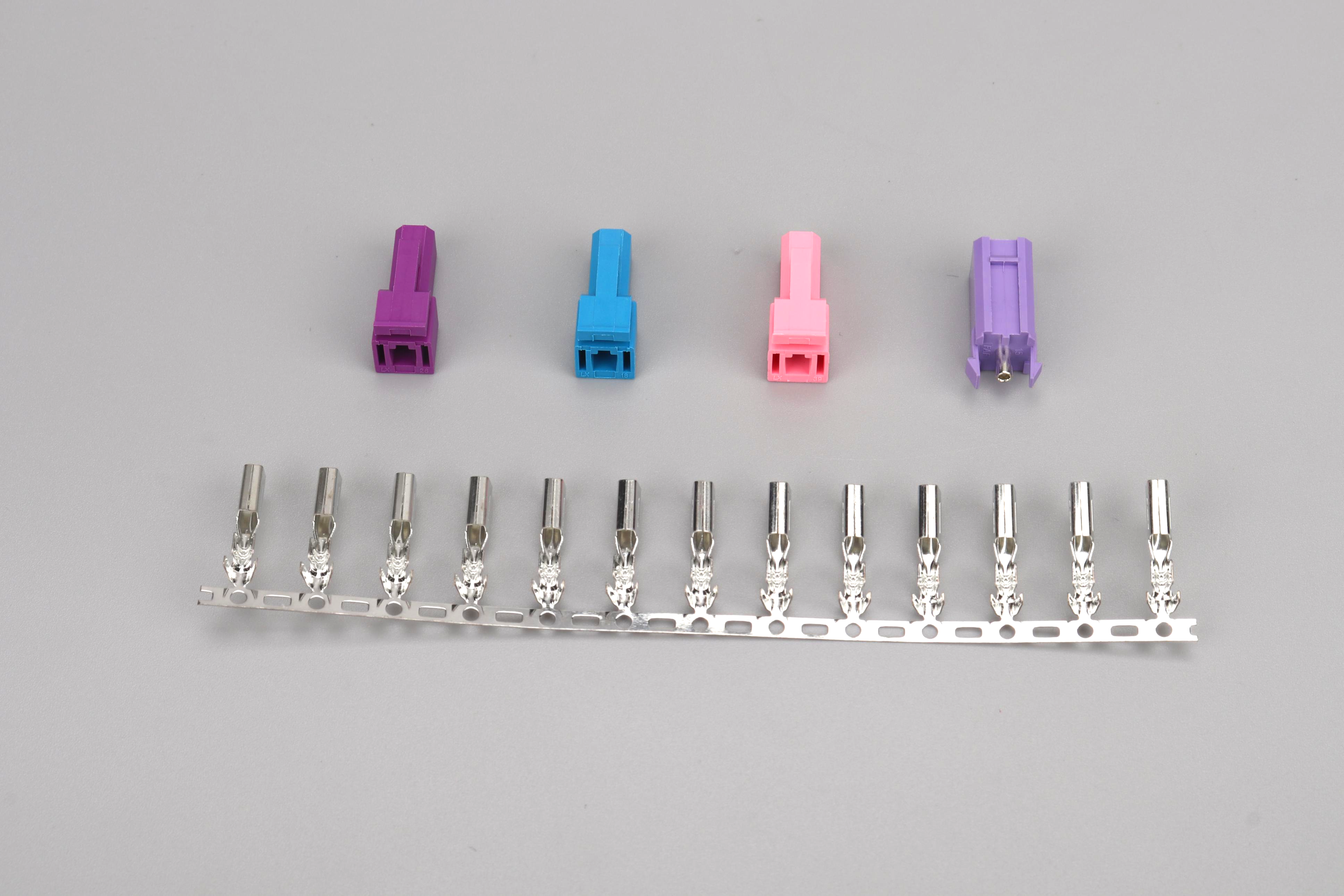
Në elektronikën moderne dhe aplikimet industriale, besueshmëria e transmetimit të energjisë dhe sinjalit është thelbësore për performancën e sistemit dhe sigurinë operative. Konektorët JST janë bërë një zgjidhje e besuar në industritë të ndryshme, nga elektronika automobilistike deri te automatizimi industrial, pikërisht sepse adresojnë sfidën kritike të ruajtjes së lidhjeve elektrike të sigurta dhe të qëndrueshme nën kushte operative të ndryshueshme. Kuptimi i mënyrës se si konektorët JST arrijnë këtë besueshmëri kërkon një studim të parimeve të dizajnit të tyre, të zgjedhjes së materialeve, të konstruksionit mekanik dhe të zbatimi -inxhineri specifike që së bashku sigurojnë që dorëzimi i energjisë dhe integriteti i sinjalit të mbeten të paprekur gjatë tërë jetës së produktit.
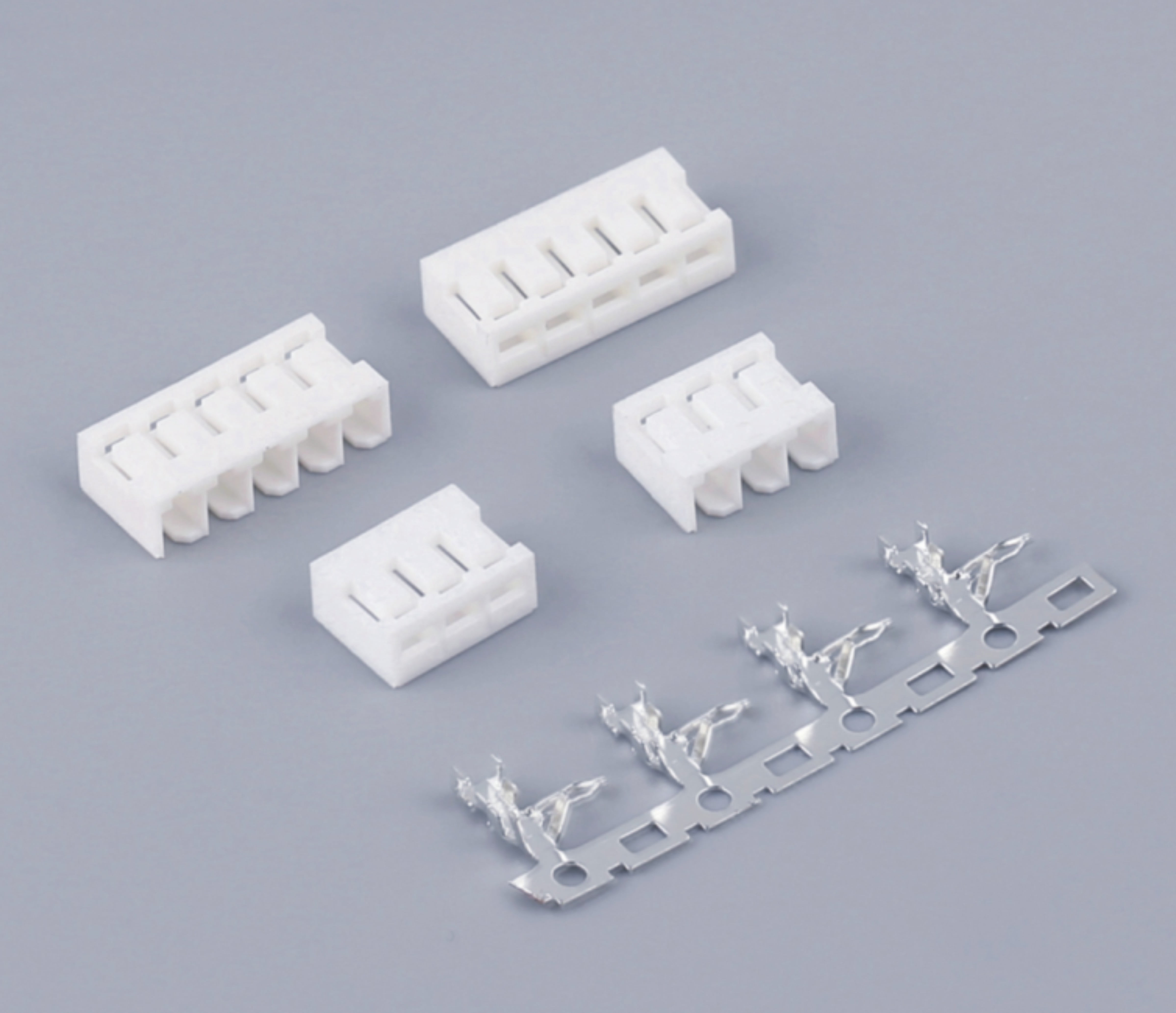
Mekanizmi përmes të cilit konektorët JST sigurojnë transmetim të sigurt përfshin shumë shtresa inxhinierike që punojnë në harmoni. Nga ndërfaqja e kontakteve që krijon vazhdimësinë elektrike deri te dizajni i mbulesës që mbron kundër faktorëve mjedisore, çdo komponent luajnë një rol specifik në ruajtjen e integritetit të lidhjes. Ky artikull eksploron metodat teknike, veçoritë e dizajnit dhe zbatimet praktike që lejojnë konektorët JST të ofrojnë performancë të besueshme në aplikime ku dështimi i lidhjes nuk është një opsion, duke dhënë inxhinierëve dhe profesionistëve të blerjes insight-e për zgjedhjen dhe zbatimin e këtyre konektorëve për besueshmëri optimale të sistemit.
Parimet e Dizajnit Mekanik Për Lidhje të Sigurta
Optimizimi i forcës së kontaktit dhe dizajni i shiritave elastike
Baza e transmetimit të sigurt të energjisë elektrike në lidhësit JST fillon me forcën e kontaktit të projektuar me saktësi. Kontaktet e mprehta brenda lidhësve JST janë të dizajnuara me gjeometri specifike dhe veti materiale që gjenerojnë një shtypje kontakti të qëndrueshme në sipërfaqen e bashkëlidhjes. Kjo forcë e kontaktit duhet të jetë e mjaftueshme për të kapërcyer oksidimin e sipërfaqes dhe për të mbajtur rezistencën të ulët, por edhe e kontrolluar për të shmangur konsumimin e tepërt gjatë cikleve të futjes dhe heqjes. Dizajni i mprehtës përfshin karakteristikat e llogaritura të zhvendosjes që ruajnë shtypjen e kontaktit edhe kur materialet përjetojnë relaksim të stresit me kalimin e kohës, duke siguruar stabilitet të gjatëgjithshëm të lidhjes që parandalon dështimet e përkohshme të zakonshme në sistemet e lidhësve me dizajn të dobët.
Zgjedhja e materialeve për këto prusha kontakti përfshin zakonisht bronxin me fosfor ose legirat e bakrit me berilium, të zgjedhura për vetitë e tyre të shkëlqyeshme si prusha dhe për përçueshmërinë elektrike. Këto materiale tregojnë rezistencë të lartë ndaj lodhjes, duke lejuar konektorët JST të përballojnë mijëra cikle lidhjeje ndërsa ruajnë forcën e kontaktit të qëndrueshme. Preciziteti dimensional në prodhimin e këtyre kontakteve siguron performancë të njëtrajtshme nëpër partitë e prodhimit, fakt i rëndësishëm kur konektorët JST përdoren në aplikime me volum të lartë, ku qëndrueshmëria ndikon drejtpërdrejt në besueshmërinë e përgjithshme të sistemit dhe zvogëlon shkallën e dështimeve në fushë.
Mekanizmat Pozitivë të Mbylljes dhe Veçoritë e Mbajtjes
Përtej forcës së kontaktit, lidhësit JST përfshijnë karakteristika mekanike bllokimi që parandalojnë çlidhjen e rastësishme nën veprimin e vibracioneve, zgjerimit termik ose stresit mekanik. Këto mekanizma bllokimi përfshijnë zakonisht elemente të fiksimit (detent), bllokime frotacioni ose shkallëza pozitive që aktivizohen gjatë procesit të lidhjes. Feedback-u dëgjues dhe taktil gjatë lidhjes së lidhësit ofron operatorëve konfirmim të menjëhershëm për lidhjen e duhur, duke zvogëluar gabimet e montimit që mund të komprometojnë sigurinë e transmetimit. Ky sistem fizik i mbajtjes funksionon pavarasisht nga sistemi i kontakteve elektrike, duke ofruar një shtresë redundante sigurie lidhjeje, e cila është veçanërisht e vlefshme në ambiente mobile ose me vibracion të lartë.
Dizajni i mbulesës së konektorëve JST kontribuon gjithashtu në sigurinë mekanike përmes karakteristikave të përshtatjes saktë që udhëzohen procesin e lidhjes dhe parandalojnë përshtatjen e pasaktë. Hyrjet me kënd të pjerrët, ribat e përshtatjes dhe butonat e polarizimit sigurojnë që kontaktet lidhen saktë pa dëmtuar, ndërkohë që parandalojnë edhe futjen e kundërt që mund të shkaktojë qarkullime të shkurtra ose dëmtim të pajisjeve. Ky qasje e papërmirësueshme e dizajnit zvogëlon gabimet e montimit dhe siguron që çdo lidhje të arrijë performancën elektrike të synuar, duke bërë Konnektorët JST veçanërisht të përshtatshëm për aplikime ku montimi kryhet nga personel me nivele të ndryshme të aftësive ose në kushte të vështira montimi.
Gjeometria e Kontaktit dhe Veprimi i Fshirjes
Gjeometria e kontaktit në lidhësit JST përfshin një veprim fshirëse gjatë procesit të lidhjes që shërben shumë funksione besnikësie. Kur kontaktet lidhen, ato lëvizin njëra mbi tjetrën me forcë të kontrolluar, duke thyer mekanikisht çdo kontaminim sipërfaqësor ose shtresë oksidimi që mund të ketë formuar. Ky veprim vetë-pastësues krijon një ndërfaqe elektrike të re me çdo lidhje, duke ruajtur rezistencën e ulët të kontaktit edhe në mjedise ku lidhësit mund të jenë të ekspozuar ndaj kontaminuesve të ajrit ose të përdoren pas periudhash të gjata ruajtjeje. Distanca dhe forca e fshirjes janë projektuar me kujdes për të siguruar pastrimin efikas pa shkaktuar konsumim të tepërt ose deformim të sipërfaqeve të kontaktit.
Dizajni i zonës së kontaktit e balanon kërkesat e përkundërta për performancën elektrike dhe qëndrueshmërinë mekanike. Lidhësit JST përdorin zakonisht shumë pika kontakti ose zona të zgjatura kontakti që shpërndajnë dendësinë e rrymës dhe ofrojnë shtigje elektrike redundante. Ky qasjet siguron që defektet e vogla sipërfaqësore ose kontaminimi lokal nuk ndikojnë në mënyrë të konsiderueshme në rezistencën e përgjithshme të lidhjes. Gjeometria minimizon gjithashtu përqendrimin e stresit gjatë cikleve të lidhjes, duke zgjatur jetën operative të lidhësve JST dhe duke ruajtur performancën elektrike të tyre nëpër mijëra cikle lidhjesh, një konsideratë kritike në aplikimet që kërkojnë mirëmbajtje të shpeshtë ose konfigurime modulare të pajisjeve.
Inxhinieri Elektrike për Integritetin e Sinjalit dhe të Fuqisë
Menaxhimi i Rezistencës së Kontaktit dhe Zgjedhja e Materialevë
Performanca elektrike e konektorëve JST varet themelorisht nga minimizimi dhe stabilizimi i rezistencës së kontaktit nëpër ndërfaqen e lidhjes. Rezistenca e kontaktit përbëhet nga tre komponentë: rezistenca e ngushtimit nga rryma që kalon nëpër pika kontakti, rezistenca e filmave nga shtresat sipërfaqësore dhe rezistenca e masës së materialit të përcjellësit. Konektorët JST adresojnë rezistencën e ngushtimit përmes forcës së kontaktit të optimizuar dhe gjeometrisë që krijojnë pika kontakti të mjaftueshme për të shpërndarë rrjedhën e rrymës. Rezistenca e filmave menaxhohet përmes sistemeve të plakimit me metale të çmuara, zakonisht ari ose tinë, të zgjedhura bazuar në kërkesat e aplikimit për rezistencë ndaj korrozionit, kosto dhe karakteristikat e performancës elektrike.
Plazhimet e ariut në lidhësit JST ofrojnë rezistencë të përsosur ndaj korrozionit dhe ruajnë një rezistencë të ulët të qëndrueshme edhe në kushte ambientale të rënda, duke bërë këto variante të përshtatshme për aplikime ku besueshmëria e gjatëkohëshme është kritike. Lidhësit JST me plazhim të argjendit ofrojnë efikasitet të shkëlqyer në raport me koston për aplikime me mjedise të kontrolluara dhe kërkesa më të larta për rrymën, ku aftësia e argjendit për të formuar lidhje të ngurtësuar pa nxehtësi nën shtypjen e kontaktit siguron lidhje të besueshme. Trashësia e plazhimit dhe shtresa e barrierës së nikelit nën të janë kontrolluar me saktësi për të siguruar performancë të qëndrueshme, duke parandaluar migrimin e metali bazë që mund të zvogëlojë vetitë elektrike me kalimin e kohës, duke garantuar se lidhësit JST ruajnë karakteristikat e tyre elektrike specifikuara gjatë tërë jetës së tyre operative.
Aftësia e Përcjellësisë së Rrymës dhe Menaxhimi Termik
Transmetimi i sigurt i energjisë përmes konektorëve JST kërkon inxhinierim të harkuar të kapacitetit për bartjen e rrymës në lidhje me madhësinë e kontakteve dhe aftësitë e shpërndarjes së nxehtësisë. Vlera e rrymës së lejuar për konektorët JST përcaktohet nga rritja maksimale e temperaturës e lejuar në ndërfaqen e kontaktit, e cila varet nga rezistenca e kontaktit, madhësia e rrymës, temperatura ambientale dhe rrugët e shpërndarjes së nxehtësisë. Konektorët JST janë projektuar me seksione të krosare të kontakteve dhe me zgjedhje materiale që kufizojnë ngrohjen rezistive në nivele të sigurta nën ngarkesa të specifikuara rryme, duke parandaluar degradimin termik të mbulimeve të kontakteve ose të materialeve izoluese, gjë që mund të komprometonte sigurinë e lidhjes.
Dizajni i mbulesës së konektorëve JST përfshin konsiderata termike përmes zgjedhjes së materialeve dhe gjeometrisë që lejojnë shpërndarjen e nxehtësisë. Materialët termoplastikë të përdorur në mbulesat e konektorëve JST zgjidhen për stabilitetin e tyre termik dhe për konzistencën e dimensioneve në gjithë gamën e temperaturave operative. Në aplikimet me rrymë të lartë, konektorët JST mund të kenë seksione të rritura të kontaktit, kontakte paralele të shumta për ndarjen e rrymës ose karakteristika të përmirësuara ventilimi që përmirësojnë ftohjen konvektive. Ky inxhinier termik siguron që konektorët JST ruajnë integritetin mekanik dhe elektrik edhe nën operimin e vazhdueshëm me rrymë të lartë, duke parandaluar ciklet termike dhe zgjerimin që mund të çojnë në lidhje të papërsosura ose dëmtim të hershëm.
Integriteti i Sinjalit dhe Kompatibiliteti Elektromagnetik
Për aplikimet që përfshijnë transmetimin e të dhënave ose sinjalet analoge të ndjeshme, konektorët JST janë projektuar për të ruajtur integritetin e sinjalit përmes impedancës së kontrolluar, kros-talkut minimal dhe bllokimit elektromagnetik kur kjo kërkohet. Hapësira fizike midis kontakteve, vetitë dielektrike të materialit të mbulesës dhe gjeometria e kontakteve ndikojnë të gjitha në impedancën karakteristike dhe lidhjen kapacitive midis shtigjeve të sinjaleve fqinje. Konektorët JST të dizajnuar për aplikime digjitale me shpejtësi të lartë integrojnë këto parametra elektrikë në dizajnimin mekanik të tyre, duke siguruar që reflektimet dhe distorsionet e sinjalit të mbeten brenda kufijve të lejuar për shkallën e të dhënave të synuara dhe protokollet e sinjalit.
Në ambientet me shumë zhurmë elektrike, disa seria të konektorëve JST përfshijnë masat për mbrojtje elektromagnetike përmes shtyllave të metalizuara ose montimeve të kabllove të mbrojtura, të cilat parandalojnë ndërhyrjen e jashtme në rrugët e sinjalit. Strategjia e tokësimit për këto mbrojtje është projektuar me kujdes për të siguruar një refuzim efikas të zhurmës pa krijuar unaza tokësimi që mund të sjellin ndërhyrje shtesë. Kjo vëmendje ndaj përshtatshmërisë elektromagnetike lejon konektorët JST të mbështesin transmetimin e sigurt të sinjalit edhe në ambientet industriale me makineri të rënda, drejtim me frekuencë variable ose burime të tjera të zhurmës elektrike që mund të komprometonin integritetin e të dhënave ose besueshmërinë e sinjaleve të kontrollit.
Veçoritë e Mbrojtjes së Ambientit dhe Të Qëndrueshmërisë
Sistemet e Sigurimit dhe Mbrojtja kundër Hyrjes
Eksponimi ndaj mjedisit përfaqëson një kërcënim të rëndësishëm për sigurinë e lidhjeve, pasi lagështia, pluhuri dhe kontaminuesit mund të zvogëlojnë performancën elektrike dhe të korrozojnë sipërfaqet e kontaktit. Lidhësit JST i përgjigjen kësaj sfide përmes disa qasjeve të hermetizimit të përshtatura me kërkesat e aplikimit. Mbrojtja bazë ndaj faktorëve mjedisore arrihet me dizajne të mbajtëseve me ngushtësi të lartë, të cilat kufizojnë shtigjet e hyrjes, ndërsa mbrojtja e përmirësuar përfshin mbulime elastomerike, fletëmbulime ose mbulime të plotë (overmolding) që arrijnë vlera specifike IP (Ingress Protection). Këto sisteme hermetizimi parandalojnë penetrimin e lagështisë, i cili mund të shkaktojë korrozion ose shtigje të rrjedhjes elektrike, duke ruajtur në të njëjtën kohë fleksibilitetin mekanik për operimet e lidhjes dhe çlidhjes së lidhësve.
Dizajni i guarnicionit në lidhësit JST duhet të balancojë kërkesat konkurruese për mbrojtjen e mjedisit dhe përdorshmërinë mekanike. Guarnicionet me kompresim rreth kontakteve individuale parandalojnë thithjen e lagështirës përgjatë përçuesve në ndërfaqen e lidhjes, ndërsa guarnicionet në nivelin e strehimit mbrojnë të gjithë montimin e lidhësit nga ekspozimi mjedisor. Përzgjedhja e materialit për këto guarnicione merr në konsideratë përputhshmërinë kimike me agjentët pastrues, rezistencën ndaj degradimit nga rrezet UV dhe karakteristikat e kompresimit që përcaktojnë efektivitetin afatgjatë të guarnicionit. Sistemet e guarnicionit të zbatuara siç duhet në lidhësit JST mundësojnë transmetim të sigurt të energjisë dhe sinjalit në instalime të jashtme, aplikime nën kapakun e automjeteve dhe mjedise industriale ku ekspozimi ndaj lagështirës ose ndotësve është i pashmangshëm.
Rezistenca ndaj vibracionit dhe toleranca ndaj goditjeve
Aplikimet në pajisjet mobile, sistemet e transportit dhe makineritë industriale i nënshtrojnë konektorët JST vibrimeve mekanike dhe forcave të goditjes, të cilat mund të komprometojnë sigurinë e lidhjes nëse nuk merren masat e duhura. Projektimi mekanik i konektorëve JST përfshin veçori që rezistojnë frettimit të shkaktuar nga vibracionet, i cili ndodh kur lëvizjet mikroskopike në ndërfaqen e kontaktit zhduken plakimi i mbulesës mbrojtëse dhe gjenerojnë shtresa oksidi izoluese. Forca e kontaktit dhe mekanizmat e bllokimit në konektorët JST janë projektuar për të parandaluar lëvizjen relative midis kontakteve të bashkuar edhe nën vibracione të vazhdueshme, duke ruajtur vazhdimësinë elektrike të qëndrueshme që parandalon lidhjet e papërcaktuara, të cilat janë veçanërisht problematike në sistemet e kontrollit ose në aplikimet kritike për siguri.
Rezistenca ndaj goditjeve në lidhësit JST varet nga sistemi i mbajtjes së kontakteve dhe nga veçoritë e qëndrueshmërisë ndaj tensionit që parandalojnë transmetimin e forcave nga kabllotë te ndërfaqja e lidhjes elektrike. Montimet e kabllotave të dizajnuara në mënyrë të duhur me lidhës JST përfshijnë mbulime ose klisha që qëndrojnë kabllotën në shtyllën e lidhësit, duke siguruar që forcat mekanike nga lëvizja e kabllotave ose tërheqjet e papritura të absorbohen nga elementët strukturorë, jo nga kontaktet elektrike. Kjo inxhinieri mekanike lejon lidhësit JST të ruajnë lidhje të sigurta në aplikime që përfshijnë lëvizjen e pajisjeve, vibracionet gjatë transportit ose ngarkesat e rastësishme me goditje, pa kërkuar kontroll të përsëritur dhe rivendosje të lidhjes për të ruajtur besueshmërinë e sistemit.
Rezistenca kundër substancave kimike dhe përshtatshmëria e materialeve
Materialet e përdorura në ndërtimin e konektorëve JST duhet të rezistojnë degradimit nga ekspozimi ndaj kimikateve, vajrave, tretësve dhe agjentëve pastrues që takohen në ambientet e zbatimit të tyre. Materialet termoplastike të shtresës së jashtme të konektorëve JST zgjidhen për rezistencën e tyre ndaj kimikateve industriale të zakonshme, duke ruajtur njëkohësisht stabilitetin dimensionale dhe fortësinë mekanike në gjithë gamën e temperaturave operative. Materialet bazë të nilonit ofrojnë rezistencë të shkëlqyer ndaj kimikateve dhe veti mekanike të shkëlqyera për aplikime industriale të përgjithshme, ndërsa polimerët specializuar si LCP (Polimeri i Kristalit Lëngëzor) sigurojnë performancë të përmirësuar në ambiente me temperaturë të lartë ose agresive kimikisht, ku materialet standarde do të degradoheshin.
Sistemet e plakimit të kontakteve në konektorët JST zgjidhen po ashtu për përshtatshmërinë e tyre me ekspozimet e pritshme mjedisore. Plakimi me ari ofron rezistencë superiore ndaj korrozionit nga komponentët e sulfurit atmosferik, shi i kripur dhe polluentët industrialë, duke ruajtur rezistencën e qëndrueshme të kontaktit për periudha të gjata edhe në mjedise të rënda. Plakimi me tin ofron rezistencë të mirë ndaj shumë kimikateve, duke ofruar një performancë efikase nga ana e çmimit në mjedise të kontrolluara. Kjo inxhinieri materiale siguron që konektorët JST ruajnë vetitë mekanike dhe elektrike të tyre gjatë tërë jetës së shfrytëzimit, duke parandaluar degradimin e materialeve që mund të çojë në rritje të rezistencës së kontaktit, dëmtim të izolimit ose dështim mekanik që komprometon sigurinë e transmetimit.
Kualiteti i Prodhimit dhe Kontrolli i Përsëritshmërisë
Prodhimi i Saktë dhe Toleranca Dimensionale
Performanca e përsëritur e konektorëve JST në vëllimet e prodhimit varet nga proceset e saktë të prodhimit që ruajnë toleranca dimensionale të ngushta në karakteristikat kryesore. Dimensionet e kontakteve ndikojnë drejtpërdrejt në forcën e lidhjes, rezistencën e kontaktit dhe në forcën e mbajtjes, kështu që kërkohen procese prodhimi që janë në gjendje të prodhojnë këto karakteristika brenda tolerancave të nivelit mikrometrik. Proceset progresive të stampimit që përdoren për kontakte të konektorëve JST përfshijnë shumë faza që formojnë gjeometrinë e marrëdhënies së shiritit elastik, krijojnë sipërfaqet e kontaktit dhe prerin profilin përfundimtar me saktësi, duke siguruar performancë elektrike dhe mekanike të përsëritur në miliona njësi të prodhuara.
Prodhimi i korpusit për lidhësit JST përdor zakonisht procese të mbushjes me iniekcion me parametra të kontrolluar me kujdes, të cilët sigurojnë saktësinë dimensionale dhe vetitë e materialit. Projektimi i moldit, temperatura e materialit, shtypja e iniekcionit dhe profilet e ftohjes ndikojnë të gjitha në dimensionet përfundimtare dhe në vetitë mekanike të korpusit të lidhësve JST. Metodat e kontrollit statistikor të procesit monitorojnë dimensionet dhe vetitë kritike gjatë tërë prodhimit, duke identifikuar dhe korrigjuar variacionet e procesit para se të prodhojnë pjesë që nuk plotësojnë specifikimet. Kjo disciplinë prodhimi siguron që lidhësit JST ruajnë specifikimet e përshtatjes mekanike dhe të performancës elektrike, pavarësisht vendndodhjes së prodhimit ose periudhës kohore, duke ofruar besueshmëri të qëndrueshme në aplikime ku ndërzëvendësimi i lidhësve dhe disponueshmëria e tyre në afat të gjatë janë kërkesa thelbësore.
Cilësia e plakimit të kontakteve dhe përfundimi i sipërfaqes
Cilësia e pllakosjes në kontaktet e lidhëseve JST ndikon drejtpërdrejt si në performancën elektrike fillestare, ashtu edhe në besueshmërinë e gjatëkohëshme. Proceset e pllakosjes me elektrolizë duhet të depozitojnë një trashësi uniforme të shtresës mbi gjeometritë komplekse tridimensionale të kontakteve, duke ruajtur njëkohësisht ngjitjen me metalin bazë nën të. Sekuenca e pllakosjes përfshin zakonisht pastrimin, aktivizimin, depozitimin e shtresës barrierë (zakonisht nikel) dhe pllakosjen përfundimtare me metale të çmuara, me kontroll të saktë të dendësisë së rrymës, kohës së pllakosjes dhe kimisë së tretësit. Masat e kontrollit të cilësisë përfshijnë verifikimin e trashësisë përmes testimit me fluoreshencë rrezatimi X dhe testet e ngjitjes për të siguruar integritetin e pllakosjes nën stresat mekanike të cikleve të lidhjes së lidhëseve.
Cilësia e përfundimit të sipërfaqes në kontaktet e lidhësit JST ndikon edhe në rezistencën e kontaktit edhe në qëndrueshmërinë mekanike. Përfundimet të ndritshme dhe të lëmuara minimizojnë rezistencën e kontaktit duke maksimizuar sipërfaqen aktuale të kontaktit brenda rajonit të dukshëm të kontaktit, ndërkohë që zvogëlojnë gjithashtu prodhimin e grimcave gjatë cikleve të lidhjes, të cilat mund të kontaminojnë ndërfaqen e lidhjes. Uniformiteti i plakimit nëpër karakteristikat e kontaktit siguron performancë elektrike të qëndrueshme në të gjitha pozicionet e lidhësve JST me shumë kontakte, duke parandaluar situatën ku disa qarqe brenda një lidhësi tregojnë rezistencë më të lartë ose besueshmëri të ulët krahasuar me të tjera. Kjo kontroll e cilësisë së plakimit lejon lidhësit JST të plotësojnë specifikimet e kërkuara për rezistencë të ulët të kontaktit, kapacitet të lartë rryme dhe jetëgjatësi operative të gjatë në aplikime ku integriteti i lidhjes ndikon drejtpërdrejt në performancën dhe sigurinë e sistemit.
Protokollet e Testimit dhe Vlerësimit
Konektorët JST i nënshtrohen protokolleve të përgjithshme të testimit që verifikojnë aftësinë e tyre për të mbajtur transmetimin e sigurt të energjisë dhe sinjalit nën kushtet e operimit të specifikuara. Testimi elektrik përfshin matjen e rezistencës së kontaktit, verifikimin e rezistencës së izolimit dhe testimin e rezistencës dielektrike, të cilat konfirmojnë se konektorët plotësojnë specifikimet e performancës elektrike. Testimi mekanik vërteton forcën e futjes/nxjerrjes, fortësinë e mbajtjes, rezistencën ndaj vibracioneve dhe qëndrueshmërinë përmes testimit të cikleve të lidhjes, i cili simulon jetën operacionale të pritshme. Testimi ambiental i nënshton konektorët JST cikleve të temperaturës, ekspozimit ndaj lagështisë, shprëngëzimit me kripë dhe kushteve të tjera që verifikojnë aftësinë e tyre për të ruajtur performancën në ambiente aplikimesh të vështira.
Validimi i përshtatshëm për aplikacionin specifik mund të përfshijë protokolle shtesë testimi të përshtatura për industritë ose rastet e përdorimit të veçanta. Lidhësit JST me cilësi automobilistike i nënshtrohen testimeve sipas standardeve të industrisë automobilistike, të cilat përfshijnë gamën e zgjatur të temperaturave, testimin e kombinuar të stresit mjedisor dhe mekanik, si dhe validimin e performancës pas ekspozimit ndaj lëngjeve automobilistike. Aplikimet e kontrollit industrial mund të kërkojnë verifikimin e përbashkësisë elektromagnetike dhe të integritetit të sinjalit në kushte elektrikisht të zhurmshme. Ky qasje e gjerë e testimit ofron besim se lidhësit JST do të sigurojnë transmetimin e sigurt të energjisë dhe të sinjalit në aplikimet e tyre të parashikuara, duke u mbështetur në të dhëna testimi që plotësojnë kërkesat e validimit të dizajnit dhe të përshtatshmërisë me rregulloret.
Zbatimi i Aplikacionit dhe Praktikat Më të Mirë
Zgjedhja dhe Specifikimi i Përshtatshëm i Lidhësve
Sigurimi i transmetimit të sigurt me lidhës JST fillon me zgjedhjen e serisë dhe konfigurimit të përshtatshëm të lidhësit për kërkesat e veçanta të aplikimit. Vlerat e rrymës dhe tensionit duhet të përshtaten me kërkesat e sistemit, duke përfshirë faktorët e zvogëlimit të përshtatshëm për temperaturën ambientale, lartësinë mbi nivelin e detit dhe shkallën e ndotjes. Hapi i kontakteve dhe madhësia e lidhësit duhet të zgjidhen në mënyrë që të mundësojnë numrin e kërkuar të qarqeve, duke u përshtatur gjithashtu me kufizimet e hapësirës së disponueshme. Niveli i mbrojtjes mjedisore duhet të përshtatet me kushtet e pritshme të ekspozimit, duke specifikuar variantet e hermetizuar për aplikime që përfshijnë lagështi, pluhur ose ekspozim kimik, të cilat mund të komprometojnë integritetin e lidhjes.
Konsiderimet rreth llojit të sinjalit ndikojnë në zgjedhjen e konektorëve për aplikacione që përfshijnë transmetimin e të dhënave ose sinjalet analoge të ndjeshme. Sinjalet digjitale me shpejtësi të lartë mund të kërkojnë seritë e konektorëve JST me impedancë të kontrolluar dhe karakteristika minimale të kros-talkut, ndërsa aplikacionet e fuqisë i japin përparësi kapacitetit të rrymës dhe menaxhimit termik. Kërkesat për ciklet e bashkëngjitur duhet të krahasohen me specifikimet e konektorëve për të siguruar që durueshmëria mekanike është e mjaftueshme për aplikacionet që përfshijnë lidhje dhe zhblidhje të shpeshta. Punimi me prodhuesit ose shpërndarësit për të verifikuar se konektorët e zgjedhur JST plotësojnë të gjitha kërkesat e aplikacionit parandalon gabimet e specifikimeve që mund të çojnë në dështim të hershëm ose performancë të papërshtatshme në instalimin përfundimtar.
Praktikat e Instalimit dhe Montimi i Kabllorëve
Reliabiliteti i konektorëve JST në zbatimet reale varet në mënyrë të konsiderueshme nga praktikat e duhura të instalimit dhe teknikat e montimit të kabllorëve. Përfundimi i telave te kontaktet e konektorit duhet të arrijë një lidhje mekanike të sigurt me forcë të mjaftueshme të tërheqjes, duke ruajtur një rezistencë elektrike të ulët. Proceset e krimpuar duhet të përdorin pajisje të përshtatshme të specifikuara për serinë e caktuar të konektorëve JST, ku lartësia dhe cilësia e krimpuarit verifikohen përmes testimeve të tërheqjes dhe inspektimeve vizuale. Përfundimet e ngjitur me gurëz duhet të kryhen në temperaturë të kontrolluar dhe me kohë qëndrimi të përcaktuar, për të siguruar lagjen e plotë të gurëzit pa dëmtuar shtresën mbrojtëse të kontakteve ose materialele e kasës.
Përgatitja e kabllot përfshin gjatësinë e duhur të heqjes së izolimit, përgatitjen e përcjellësit dhe instalimin e mbrojtjes kundër tensionit mekanik që parandalon transmetimin e stresit mekanik në ndërfaqen e lidhjes elektrike. Hyrja e kabllot dhe veçoritë e mbrojtjes kundër tensionit të konektorëve JST duhet të përdoren sipas dizajnit të tyre për të siguruar mbështetje mekanike që izolon ndërfaqen e kontakteve nga lëkundjet ose forcimet e tirimit të kabllot. Rruga e kalimit të kabllot duhet të shmangë kthesa të mprehta afër konektorit, të cilat mund të përqendrojnë stresin, dhe duhet të përfshijë unaza shërbimi ose lëkundje të lira aty ku kabllotët janë të ekspozuar ndaj lëvizjes gjatë funksionimit të pajisjes. Këto praktika instalimi sigurojnë që konektorët JST të arrijnë performancën e projektuar në aplikimin përfundimtar, duke parandaluar dëmtime të hershme që rrjedhin nga montimi i gabuar, jo nga kufizimet e brendshme të konektorit.
Konsideratat për mirëmbajtjen dhe përgjatësia e lidhjes
Megjithëse konektorët JST janë projektuar për funksionim të besueshëm në afat të gjatë, disa aplikacione profitojnë nga inspektimet dhe mirëmbajtja periodike për të siguruar vazhdimin e sigurisë së lidhjes. Inspektimi vizual mund të identifikojë dëmtimin fizik, korrozionin ose kontaminimin që mund të ketë ndodhur gjatë përdorimit, duke lejuar veprime korrigjuese para se këto kushte të shkaktojnë dështime elektrike. Pastrimi i kontakteve mund të jetë i përshtatshëm në disa aplikacione, megjithatë duhet kujdesur që metodat dhe lëngjet pastruese të përdorura të jenë të përshtatshme me materialele e konektorëve dhe me mbulesën e kontakteve, për të shmangur çdo dëmtim të paplanifikuar që mund të zvogëlojë performancën elektrike.
Vendimi për të pastruar, zëvendësuar ose thjesht për të kontrolluar konektorët JST gjatë mirëmbajtjes varet nga rëndësia e aplikimit, ekspozimi ndaj mjedisit dhe gjendja e vëzhguar. Kontaktet me plating ari kërkojnë përgjithësisht mirëmbajtje minimale në mjedise të pastër, ndërsa kontaktet me plating tin në mjedise të lagështa ose korrozive mund të profitojnë nga pastrimi periodik për të hequr shtresat e oksidimit. Matja e rezistencës së lidhjes mund të ofrojë një vlerësim sasinor të gjendjes së kontakteve, duke identifikuar degradimin para se ai të shkaktojë probleme në performancën e sistemit. Zbatimi i praktikave të përshtatshme të mirëmbajtjes, bazuar në kërkesat e aplikimit dhe në përvojën e përdorimit, siguron që konektorët JST vazhdojnë të ofrojnë transmetim të sigurt të energjisë dhe sinjalit gjatë tërë jetës së shfrytëzimit të pajisjes, duke maksimizuar kthimin nga investimi dhe duke ruajtur besueshmërinë e sistemit.
Pyetje të shpeshta
Çfarë bën konektorët JST të besueshëm për transmetimin e energjisë dhe sinjalit?
Konektorët JST arrijnë besueshmërinë përmes shumë veçorive të dizajnuara teknikisht që punojnë së bashku: kontaktet e prera me marrëdhënie të sakta ruajnë forcën e konstante të kontaktit dhe rezistencën e ulët, mekanizmat e bllokimin pozitiv parandalojnë çlidhjen e papritur, ndërsa materiale të zgjedhura me kujdes sigurojnë qëndrueshmëri dhe rezistencë ndaj faktorëve mjedisore. Gjeometria e kontakteve përfshin një veprim fshirës që thyen oksidimin e sipërfaqes gjatë lidhjes, ndërsa dizajni i korpusit ofron mbrojtje mekanike dhe hermetizim mjedisor. Ky qasja inxhinierike e përgjithshme adreson si kërkesat elektrike për rezistencë të ulët dhe integritet të sinjalit, ashtu edhe kërkesat mekanike për mbajtje dhe qëndrueshmëri, duke e bërë mundur që konektorët JST të përdoren në aplikime të kërkuara në sektorët e automobilave, industrisë dhe elektronikës së konsumatorit, ku dështimi i lidhjes nuk është i pranueshëm.
Si ndikojnë kushtet mjedisore në performancën e konektorëve JST?
Faktorët ambientalë, përfshirë temperaturën, lagështinë, vibracionet dhe ekspozimin kimik, mund të ndikojnë të gjithë në performancën e konektorëve JST, nëse nuk merren parasysh në mënyrë adekuate gjatë dizajnit dhe zbatimit. Ekstremet e temperaturës ndikojnë në vetitë e shiritave kontaktues dhe në dimensionet e mbulesës, ndërsa lagështia dhe kontaminantët mund të shkaktojnë korrozion ose shtigje fuga elektrike. Konektorët JST i adresojnë këto sfida përmes zgjedhjes së materialeve që ofrojnë stabilitet termik dhe rezistencë kimike, sistemeve të hermetizimit që parandalojnë hyrjen e lagështisë dhe pluhurit, si dhe dizajneve të rezistentë ndaj vibracioneve që parandalojnë konsumimin e fretting-ut. Zgjedhja e serisë së përshtatshme të konektorëve JST me karakteristika mbrojtëse ambientale, të përshtatura me kushtet e aplikimit, siguron performancë të besueshme gjatë tërë jetës së pritshme të shfrytëzimit.
Cili është ndryshimi midis konektorëve JST me plating ari dhe atyre me plating tin?
Konektorët JST me plating ari ofrojnë rezistencë të shkëlqyer ndaj korrozionit dhe ruajnë një rezistencë të ulët të kontaktit të qëndrueshme edhe me forca kontakti më të ulëta, duke i bërë ato ideale për aplikimet e sinjaleve me rrymë të ulët dhe për mjediset ku besueshmëria e gjatë kohësh është kritike, edhe pse kushtojnë më shumë. Konektorët JST me plating tin ofrojnë kapacitet të shkëlqyer për bartjen e rrymës dhe efikasitet kosto-randament për aplikimet e fuqisë në mjedise të kontrolluara, pasi tin formon një ngjitje të ftohtë nën shtypjen e kontaktit, e cila siguron një rezistencë shumë të ulët. Zgjedhja midis llojeve të plating-ut varet nga kërkesat e aplikimit, përfshirë nivelin e rrymës, ekspozimin ambiental, frekuencën e cikleve të lidhjes (mating) dhe kufizimet e buxhetit, ku ari përdoret zakonisht për aplikimet ku kërkohet integriteti i sinjalit, kurse tin për shpërndarjen e fuqisë, kur mbrojtja ambientale është e mjaftueshme.
Sa cikle lidhjesh (mating) mund të përballojnë konektorët JST?
Vlerësimet e cikleve të lidhjes për konektorët JST ndryshojnë sipas serisë dhe dizajnit, zakonisht nga qindra deri në mijëra cikle të futjes-heqjes, varësisht nga dizajni i kontakteve, sistemi i plakimit dhe konstruktimi mekanik. Konektorët standard JST të dizajnuar për lidhje gjysmëpërhershme mund të jenë të vlerësuara për 50–500 cikle, ndërsa konektorët që janë të përdorur për lidhje të shpeshta mund të arrijnë 1.000–10.000 ose më shumë cikle. Jetëgjatësia aktuale e cikleve varet nga teknika e saktë e lidhjes, shmangja e papërputhshmërisë gjatë futjes dhe kushtet ambientale që ndikojnë në konsumimin e kontakteve dhe qëndrueshmërinë e plakimit. Konsultimi i specifikimeve të prodhuesit për serinë e caktuar të konektorëve JST dhe kuptimi i frekuencës së pritshme të lidhjes në aplikacion garanton zgjedhjen e konektorëve me qëndrueshmëri të mjaftueshme për rastin e përdorimit të parashikuar.

