
 EN
EN



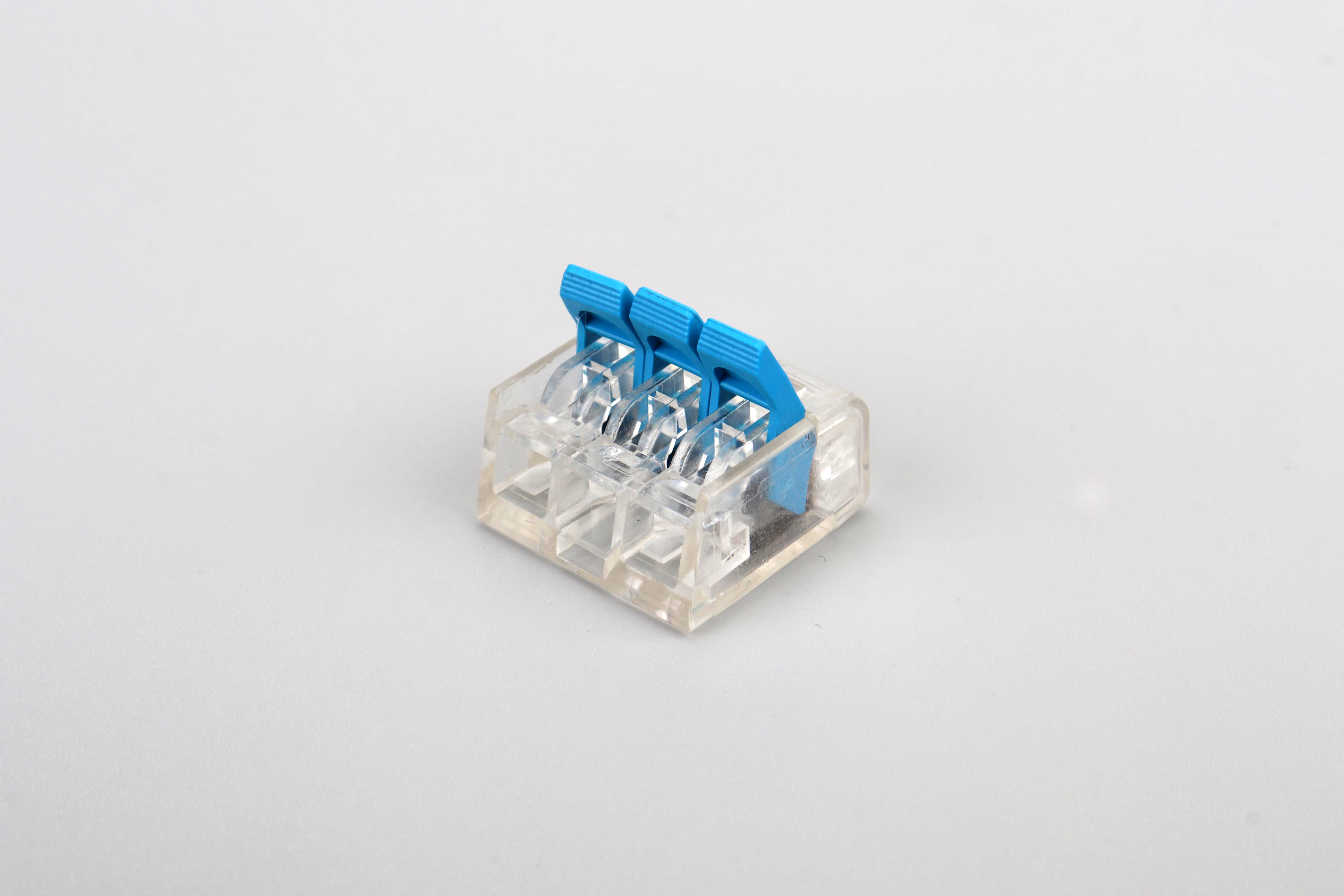
Industriella applikationer kräver allt mer sofistikerade anslutningslösningar som kan tåla hårda miljöer samtidigt som de bibehåller pålitlig prestanda. Moderna tillverkningsprocesser kräver exakta elektriska anslutningar mellan kretskort, vilket gör kort-till-kort-anslutningar till avgörande komponenter i samtida elektroniska system. Dessa specialiserade anslutningar möjliggör sömlös datatransmission och effektfördelning över flera tryckta kretskort inom industriell utrustning. Utvecklingen av kort-till-kort-anslutningar har drivits av behovet av anslutningar med högre täthet, förbättrad signalintegritet och ökad hållbarhet i krävande driftsförhållanden.
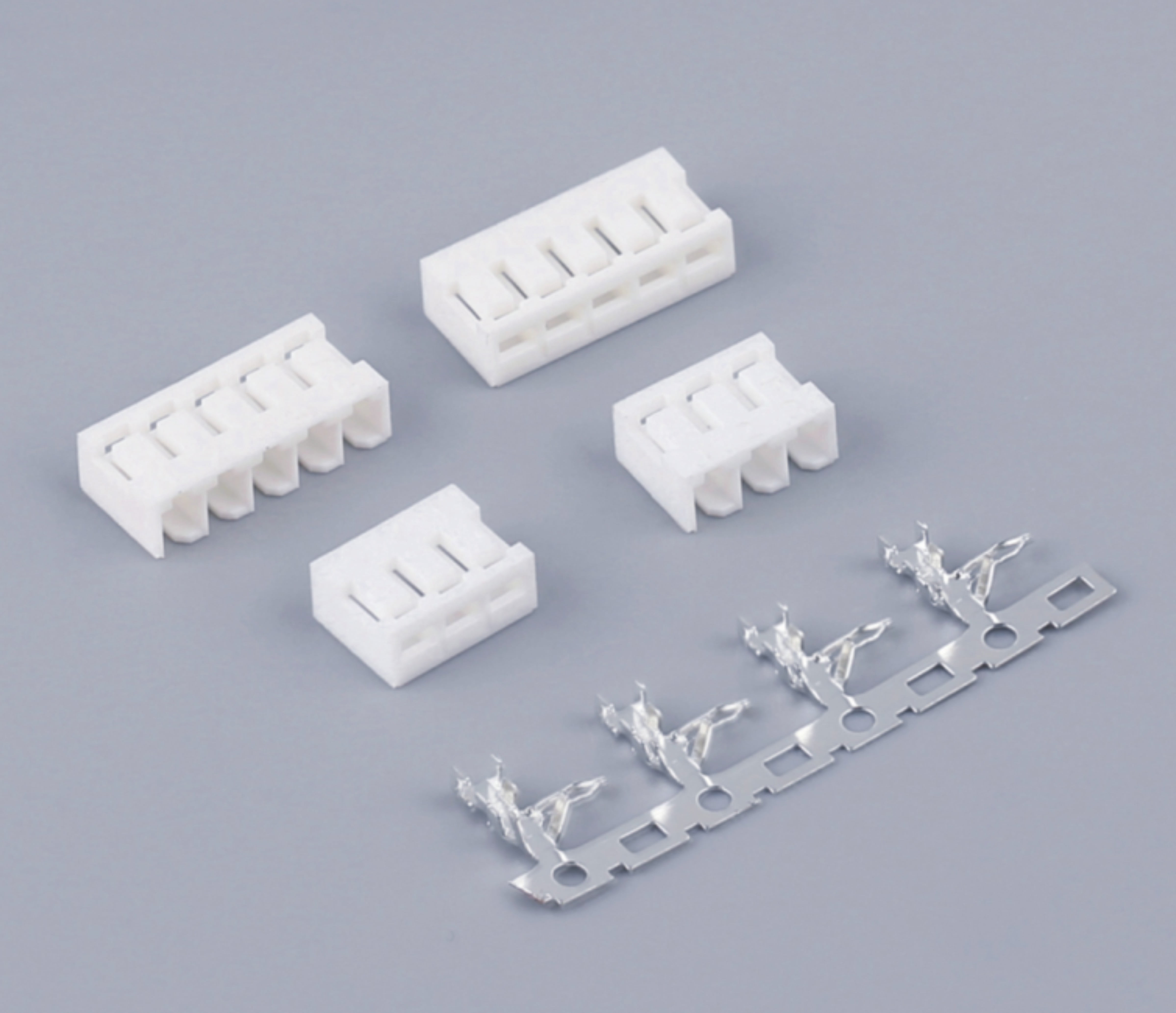
Industrisektorn har upplevt anmärkningsvärda framsteg inom kontaktteknik, särskilt vad gäller miniatyrisering och förbättring av prestanda. Ingenjörer har idag tillgång till kort-kort-kontaktorer som erbjuder överlägsen mekanisk stabilitet samtidigt som de upptar minimal yta på kretskortet. Dessa innovationer har revolutionerat hur elektroniska system utvecklas och tillverkas, vilket möjliggör mer kompakta och effektiva industriella apparater. Efterfrågan på högre datahastigheter och ökad antal kontaktpinnar har drivit tillverkare att utveckla innovativa lösningar som tar itu med både elektriska och mekaniska utmaningar.
Avancerade material och konstruktionstekniker
Högpresterande isoleringsmaterial
Moderna kopplingar mellan kretskort använder avancerade termoplastiska material som ger exceptionell dimensionsstabilitet och kemisk motstånd. Dessa material behåller sina egenskaper över breda temperaturintervall, vilket gör dem lämpliga för industriella miljöer där temperatursvängningar är vanliga. Polyetherimid och vätskekristallpolymers har blivit standardval för kopplingshus på grund av deras utmärkta elektriska egenskaper och mekaniska hållfasthet. Valet av lämpliga isolatormaterial påverkar direkt den långsiktiga tillförlitligheten och prestandan hos kopplingar mellan kretskort i krävande applikationer.
Tekniska plastmaterial med förbättrade flamsäkerhetsegenskaper säkerställer efterlevnad av strikta industriella säkerhetsstandarder. Dessa material motstår nedbrytning vid exponering för industriella kemikalier, oljor och rengöringsmedel som ofta förekommer i tillverkningsmiljöer. Avancerade formgivningstekniker möjliggör exakt dimensionskontroll, vilket gör det möjligt att uppnå strängare toleranser och förbättrad sammanpassning mellan kontaktpar. Utvecklingen av glasfyllda termoplastmaterial har ytterligare förbättrat de mekaniska egenskaperna utan att påverka de utmärkta elektriska isoleringsegenskaperna.
Innovationer i kontaktssystem
Kontaktteknik utgör en avgörande aspekt av kretskort-till-kretskort-förbindelser, där senaste innovationerna fokuserar på förbättrad signalintegritet och minskad infästningskraft. Precisionsslagna kontakter tillverkade av kopparlegeringar med hög ledningsförmåga ger utmärkt elektrisk prestanda samtidigt som de bibehåller mekanisk hållfasthet. Ytbehandlingar inklusive selektiv guldplätering och specialiserade nickelbarriärer säkerställer långsiktig kontaktrelaterad tillförlitlighet även i korrosiva miljöer. Geometrin hos kontaktpunkterna har optimerats för att minimera signalförvrängning och ömsesidig störning (crosstalk) i högfrekventa applikationer.
Fjäderbelastade kontaktssystem har blivit populära för applikationer som kräver frekventa inkopplingar eller där variationer i avståndet mellan kretskort måste kompenseras. Dessa system använder exakt kalibrerade fjädermekanismer som säkerställer konstant kontakttryck under hela kontaktdonets livslängd. Avancerade kontaktutformningar inkluderar flera kontaktpunkter per signalväg, vilket ger redundans och förbättrad tillförlitlighet i uppdragskritiska applikationer. Användningen av differentiella parkonfigurationer i kretskorts-kontaktdon möjliggör höghastighets-signalöverföring samtidigt som elektromagnetisk kompatibilitet bibehålls.
Miniatyrisering och lösningar med hög täthet
Strategier för minskning av styckavstånd
Den pågående trenden mot miniatyrisering har drivit betydande innovationer inom kontaktpitchminskning för kopplingar mellan kretskort. Moderna konstruktioner uppnår pitchvärden så låga som 0,4 mm samtidigt som tillräcklig signalisolering och mekanisk integritet bibehålls. Dessa ultrafina pitch-kopplingar möjliggör högre anslutningstäthet, vilket gör att konstruktörer kan maximera funktionaliteten inom begränsade PCB-områden. Precisionstillverkningstekniker, inklusive fotostickning och laserbearbetning, säkerställer konsekvent dimensionsnoggrannhet vid dessa minskade skalor.
Avancerade verktyg och monteringsprocesser har utvecklats specifikt för att stödja finstegiga kopplingar mellan kretskort. Automatiserad placeringsekvipment med förbättrade bildsystem säkerställer exakt positionering och justering under montering av kretskort. De minskade stegkraven har krävt förbättringar av toleranserna i kretskortsframställning och möjligheterna med tekniken för ytmontage. Kvalitetskontrollrutinerna har förstärkts för att upptäcka och förhindra defekter som kan påverka tillförlitligheten hos finstegiga anslutningar.
Optimering av staplingshöjd
Lågprofila kopplingar mellan kort har utvecklats för att minimera den totala höjden på staplade kretskortsmonteringar. Dessa konstruktioner uppnår vanligtvis en sammanmonterad höjd under 3 mm samtidigt som de ger robusta mekaniska anslutningar och utmärkt elektrisk prestanda. Minskningen av staplingshöjden möjliggör mer kompakta produktdesigner och förbättrad termisk hantering i täta elektroniska monteringar. Specialiserade kontaktgeometrier säkerställer pålitliga anslutningar trots begränsningarna som ställs av kraven på låg profil.
Flytande kopplingskonstruktioner tar hänsyn till kretskorts deformation och tillverkningsvariationer utan att äventyra anslutningens integritet. Dessa system innehåller kontrollerade eftergivliga mekanismer som absorberar mekanisk spänning samtidigt som elektrisk kontinuitet bibehålls. Utvecklingen av extremt lågprofil kopplingsplintar för kretskort till kretskort har möjliggjort nya förpackningsarkitekturer som tidigare var opraktiska på grund av höjdrestriktioner. Avancerade modellerings- och simuleringstekniker hjälper ingenjörer att optimera kontaktfjädrarnas fjäderhastigheter och mekaniska egenskaper för specifika applikationer.
Signalintegritet och höghastighetsprestanda
Impedanskontroll och crosstalk-mindering
Högfrekventa digitala applikationer kräver kopplingar mellan kort med noggrant kontrollerade elektriska egenskaper för att bibehålla signalintegriteten. Impedansanpassning genom hela kopplingsgränssnittet minimerar reflektioner och säkerställer ren signalöverföring. Jordkontakter är strategiskt placerade för att tillhandahålla låginduktiva returvägar och skärma intilliggande signalkonduktorer från crosstalk. Den fysiska geometrin hos kontakterna och husets funktioner är exakt utformad för att uppnå målimpedansvärden.
Stöd för differentiell signalering har blivit en standardfunktion i moderna kort-till-kort-anslutningar som är utformade för höghastighetsapplikationer. Routning av matchade par inom anslutningen upprätthåller den elektriska balansen som krävs för effektiv störningsimmunitet. Specialiserade jordkontaktkonfigurationer ger isolering mellan differentiella par samtidigt som elektromagnetisk störning minimeras. Avancerade simuleringsverktyg möjliggör exakt modellering av elektriskt beteende innan fysiska prototyper tillverkas.
Frekvensresponsoptimering
Den elektriska konstruktionen av kort-till-kort-kontaktorer har optimerats för att stödja frekvenser långt upp i gigahertz-området. Kontaktovergångar är noggrant utformade för att minimera diskontinuiteter som kan orsaka signalreflektioner eller insättningsförluster. Dielektriska material med låg förlust behåller sina egenskaper över ett brett frekvensområde, vilket säkerställer konsekvent prestanda i bredbandstillämpningar. Den mekaniska konstruktionen balanserar behovet av robusta anslutningar med de elektriska kraven för högfrekvent signalöverföring.
Mätning och karaktärisering av högfrekvent prestanda har blivit allt mer sofistikerad, där tillverkare tillhandahåller detaljerade S-parameterdata för sina kontaktorer produkter tidsdomänsreflektometri och vektoriell nätverksanalys möjliggör en exakt utvärdering av kontaktdonens elektriska egenskaper. Utformningsvalidering inkluderar omfattande tester över temperatur- och fuktintervall för att säkerställa konsekvent prestanda i industriella miljöer. Kontaktdon för koppling mellan kretskort, utformade för höghastighetsapplikationer, genomgår rigorösa kvalificeringstester för att verifiera deras prestandaspecifikationer.
Miljömässig hållbarhet och pålitlighet
Temperatur- och vibrationsmotstånd
Industriella miljöer utsätter kontaktdon för koppling mellan kretskort for extrema temperaturvariationer och mekanisk påverkan, vilket kan försämra anslutningens integritet. Avancerad materialval och mekanisk utformning säkerställer tillförlitlig drift över temperaturintervall från -55 °C till +150 °C eller högre. Mekanismer för kompensation av termisk expansion förhindrar uppkomst av spänningar som kan leda till kontaktbortfall eller mekanisk skada. Vibrationstester enligt industriella standarder validerar kontaktdonens prestanda under dynamiska belastningsförhållanden.
Stötdämpningsförmågan har förbättrats genom förbättrad mekanisk design och materialval för kopplingar mellan kort. Förstärkta höljeskonstruktioner fördelar stödbelastningar och förhindrar deformation som kan påverka den elektriska kontakten. Flexibla kontaktsystem absorberar mekanisk energi samtidigt som de bibehåller elektrisk kontinuitet under stöthändelser. Långtidsdriftsprovning visar konsekvent prestanda efter tusentals temperaturcykler och perioder av vibrationspåverkan.
Kemisk och korrosionsskydd
Industriella applikationer utsätter ofta kopplingar mellan kretskort för aggressiva kemikalier och korrosiva atmosfärer som kan försämra kontaktytor och höljesmaterial. Skyddande beläggningssystem, inklusive guld över nickelbarriärer, ger utmärkt korrosionsbeständighet samtidigt som de bibehåller låg kontaktresistans. Täta kopplingsdesigner förhindrar att föroreningar tränger in och orsakar intermittenta anslutningar eller fullständig felaktighet. Kompatibilitetstester av material säkerställer att kopplingskomponenter motstår försämring vid exponering för industriella rengöringsmedel och processkemikalier.
Miljöta täkningslösningar har integrerats i kort-kort-kopplingar för applikationer som kräver skydd mot fukt och partikelföroreningar. Tätningssystem och precisionssprutade tätningsfunktioner uppnår IP-rangordnade skyddsnivåer samtidigt som de bibehåller enkel montering. Avancerade provningsförfaranden verifierar tätningsverkan under olika miljöförhållanden, inklusive fuktighet, saltnebel och kemisk påverkan. Utvecklingen av hermetiska tätningslösningar ger den högsta nivån av miljöskydd för kritiska applikationer.
Innovationer inom tillverkning och montering
Kompatibilitet med automatiserad montering
Moderna kopplingar mellan kretskort har utformats med automatiserade monteringsprocesser i åtanke och inkluderar funktioner som underlättar höghastighetsplacering och lödning. Standardiserade förpackningsformat möjliggör sömlös integration med pick-and-place-utrustning, vilket minskar monteringstiden och förbättrar placerningsnoggrannheten. Ytmonterade anslutningar är optimerade för refluxlödning, vilket säkerställer konsekvent fogbildning och mekanisk hållfasthet. Funktioner som är kompatibla med bildanalys stödjer automatiserade system vid uppnående av exakt justering under monteringsoperationer.
Kompatibilitet med blyfritt lödning har blivit en grundläggande kravställning för kort-kort-anslutningar som används i industriella applikationer. Termineringsbeläggningsystem är särskilt utformade för att fungera med blyfria lödlegeringar samtidigt som de bibehåller utmärkt förbindningspålitlighet. Processens temperaturfönster har optimerats för att anpassas till olika refluxprofiler utan att påverka anslutningens prestanda negativt. Omfattande kvalificeringstester verifierar anslutningens beteende under flera refluxcykler, vilka kan uppstå vid PCB-omarbetsoperationer.
Kvalitetskontroll och testmetodiker
Avancerade kvalitetskontrollförfaranden säkerställer att kopplingar mellan kort uppfyller strikta prestandakrav för industriella applikationer. Automatiserade optiska inspektionssystem verifierar kontaktpositionering, beläggningskvalitet och dimensionsnoggrannhet innan leverans. Elektrisk testning validerar kontaktmotstånd, isolationsmotstånd och dielektrisk hållspänning för varje koppling. Statistiska processkontrollmetoder övervakar tillverkningskonsekvensen och identifierar potentiella kvalitetsproblem innan de påverkar produktprestandan.
Funktioner för in-krets-testning möjliggör verifiering av kopplingar mellan kort efter montering av kretskort, vilket säkerställer korrekt installation och elektrisk kontinuitet. Boundary scan-testning ger omfattande täckning av kopplingsgränssnitt i komplexa digitala system. Protokoll för accelererad livstidstestning förutsäger långsiktig tillförlitlighet under olika påverkansförhållanden, inklusive temperaturcykling, fuktexponering och mekanisk slitage. Dessa testmetoder ger förtroende för kopplingarnas prestanda under hela driftslivet för industriell utrustning.
Framtida trender och nya tekniker
Materialvetenskap för nästa generation
Forskning kring avancerade material fortsätter att driva innovation inom kopplingar mellan kretskort, där nya polymerformuleringar erbjuder förbättrade prestandaegenskaper. Värmekonduktiva plastmaterial möjliggör bättre värmeavledning i högströmsapplikationer samtidigt som utmärkta elektriska isoleringsegenskaper bibehålls. Nanoingenjörerade material ger förbättrade mekaniska egenskaper och miljöbeständighet på molekylär nivå. Dessa materialframsteg gör det möjligt för kopplingar mellan kretskort att uppfylla allt mer krävande krav ansökan krav.
Smarta material med självövervakningsfunktioner utgör en ny teknik som kan revolutionera bedömningen av kontaktdonens pålitlighet. Inbäddade sensorer i kontaktdonsstrukturer kan ge realtidsåterkoppling om mekanisk spänning, temperatur och elektrisk prestanda. Formminneslegeringar erbjuder potentiella lösningar för själjusterande kontaktsystem som automatiskt kompenserar för slitage och miljöförändringar. Integrationen av dessa avancerade material kräver noggrann övervägning av tillverkningsprocesser och kostnadsaspekter.
Digital Integration och Industri 4.0
Integrationen av digitala teknologier i industrisystem driver nya krav på kort-till-kort-anslutningar som stödjer avancerade kommunikationsprotokoll och datahastigheter. Möjligheten att överföra ström över data möjliggör förenklade systemarkitekturer samtidigt som höghastighetsanslutning bibehålls. Kort-till-kort-anslutningar som är utformade för Industry 4.0-applikationer inkluderar funktioner som stödjer förutsägande underhåll och systemoptimering. Dessa anslutningar måste balansera traditionella krav på tillförlitlighet med behovet av förbättrad digital anslutning.
Tillämpningar av artificiell intelligens och maskininlärning kräver kopplare mellan kort som kan hantera enorm dataflöde samtidigt som de bibehåller extremt låg latens. Arkitekturer för edge computing ställer nya krav på kopplartäthet och förmåga att hantera värme. Utvecklingen av specialiserade kopplarlösningar för hårdvara inom artificiell intelligens och maskininlärning utgör en betydande tillväxtmöjlighet på marknaden för industriella kopplare. Dessa tillämpningar kräver noggrann optimering av både elektriska och termiska egenskaper hos kopplare mellan kort.
Vanliga frågor
Vad är de främsta fördelarna med moderna kopplare mellan kort jämfört med traditionella lösningar med kablar till kort
Moderna kopplingar mellan kretskort erbjuder bättre signalintegritet, högre anslutningstäthet och mer pålitliga mekaniska anslutningar jämfört med alternativ med tråd-till-kort. De eliminerar behovet av enskilda trådavslutningar, vilket minskar monteringstiden och potentiella felkällor. Den kompakta formfaktorn möjliggör en mer effektiv utnyttjande av platsen på kretskortet samtidigt som den ger utmärkt elektrisk prestanda för höghastighetssignaler. Dessutom erbjuder kopplingar mellan kretskort bättre elektromagnetisk kompatibilitet och minskad känslighet för vibrationsinducerade fel.
Hur påverkar miljöfaktorer valet av kopplingar mellan kretskort för industriella applikationer
Miljöfaktorer såsom extrema temperaturer, fuktighet, kemisk påverkan och mekanisk belastning påverkar i hög grad valet av kontaktdon för industriellt bruk. Drifttemperaturområdet avgör materialkraven och påverkar stabiliteten hos kontaktmotståndet över tid. Kemisk kompatibilitet säkerställer att kontaktdonsmaterialen motstår nedbrytning från industriella lösningsmedel och rengöringsmedel. Krav på vibrationer och stötar styr de mekaniska konstruktionsfunktionerna och hållmekanismerna som krävs för tillförlitlig långtidssdrift.
Vilka provningsstandarder gäller för kort-till-kort-kontaktdon som används i industriell utrustning?
Industriella kopplingar mellan kort måste uppfylla olika internationella standarder, inklusive IEC, UL och militära specifikationer, beroende på tillämpningen. Vanliga tester inkluderar temperaturcykling, vibrationsmotstånd, stöttester och bedömningar av miljöpåverkan. Elektriska tester omfattar kontaktmotstånd, isolationsmotstånd, dielektrisk hållspänning och signalintegritetsmätningar. Mekaniska tester utvärderar monteringskraft, hållkraft och slitstyrka genom flera infogningscykler.
Hur påverkar högfrekvent användning designkraven för kopplingar mellan kort
Högfrekventa applikationer kräver noggrann uppmärksamhet på impedanskontroll, minimering av korsförstärkning och optimering av signalvägar i kopplingar mellan kort. Kontaktgeometri och kontaktavstånd måste konstrueras med hög precision för att bibehålla en konstant impedans genom hela anslutningen. Jordkontakter ger skärmning och låginduktiva returvägar, vilka är avgörande för signalintegritet. Materialvalet fokuserar på dielektrika med låga förluster samt stabila elektriska egenskaper över ett brett frekvensområde. Den mekaniska konstruktionen måste balansera de elektriska kraven med behovet av robusta fysiska anslutningar.
Innehållsförteckning
- Avancerade material och konstruktionstekniker
- Miniatyrisering och lösningar med hög täthet
- Signalintegritet och höghastighetsprestanda
- Miljömässig hållbarhet och pålitlighet
- Innovationer inom tillverkning och montering
- Framtida trender och nya tekniker
-
Vanliga frågor
- Vad är de främsta fördelarna med moderna kopplare mellan kort jämfört med traditionella lösningar med kablar till kort
- Hur påverkar miljöfaktorer valet av kopplingar mellan kretskort för industriella applikationer
- Vilka provningsstandarder gäller för kort-till-kort-kontaktdon som används i industriell utrustning?
- Hur påverkar högfrekvent användning designkraven för kopplingar mellan kort

