
 EN
EN



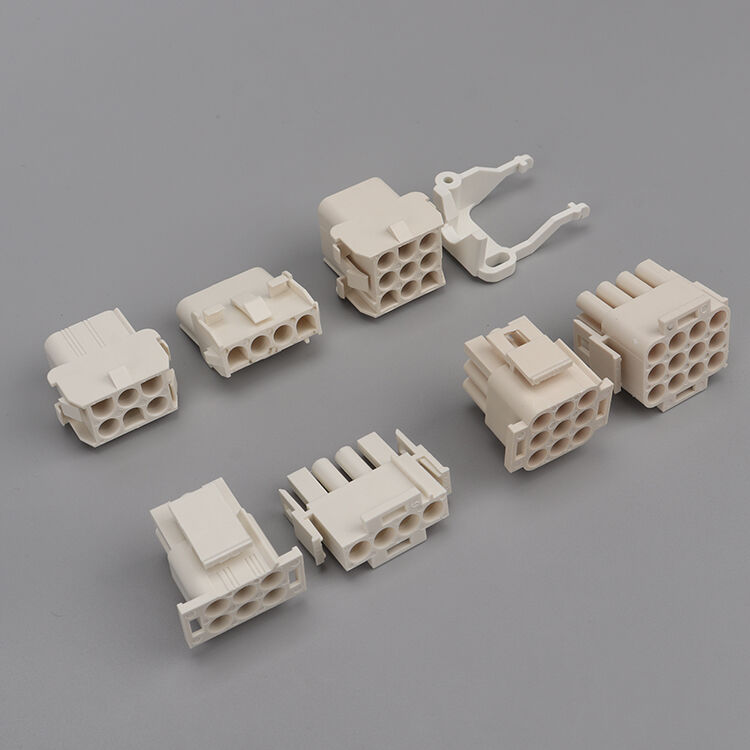
تشكّل أنظمة توزيع الطاقة العمود الفقري للبنية التحتية الكهربائية الحديثة، ويعتمد مدى موثوقية هذه الأنظمة اعتماداً كبيراً على جودة أداء مكوناتها المتصلة ببعضها. موصلات السلك إلى موصلات الأسلاك تلعب دورًا حيويًّا في الحفاظ على سلامة الدائرة الكهربائية، ومنع الأعطال الكهربائية، وضمان السلامة التشغيلية على مدى فترات خدمة طويلة. ولتفهم كيفية مساهمة هذه المكوّنات في السلامة على المدى الطويل، لا بد من دراسة مبادئ تصميمها، وخصائص موادها، وأساليب تركيبها، وقدرتها على مقاومة العوامل البيئية التي تؤثر تأثيرًا مباشرًا في موثوقية توزيع الطاقة.
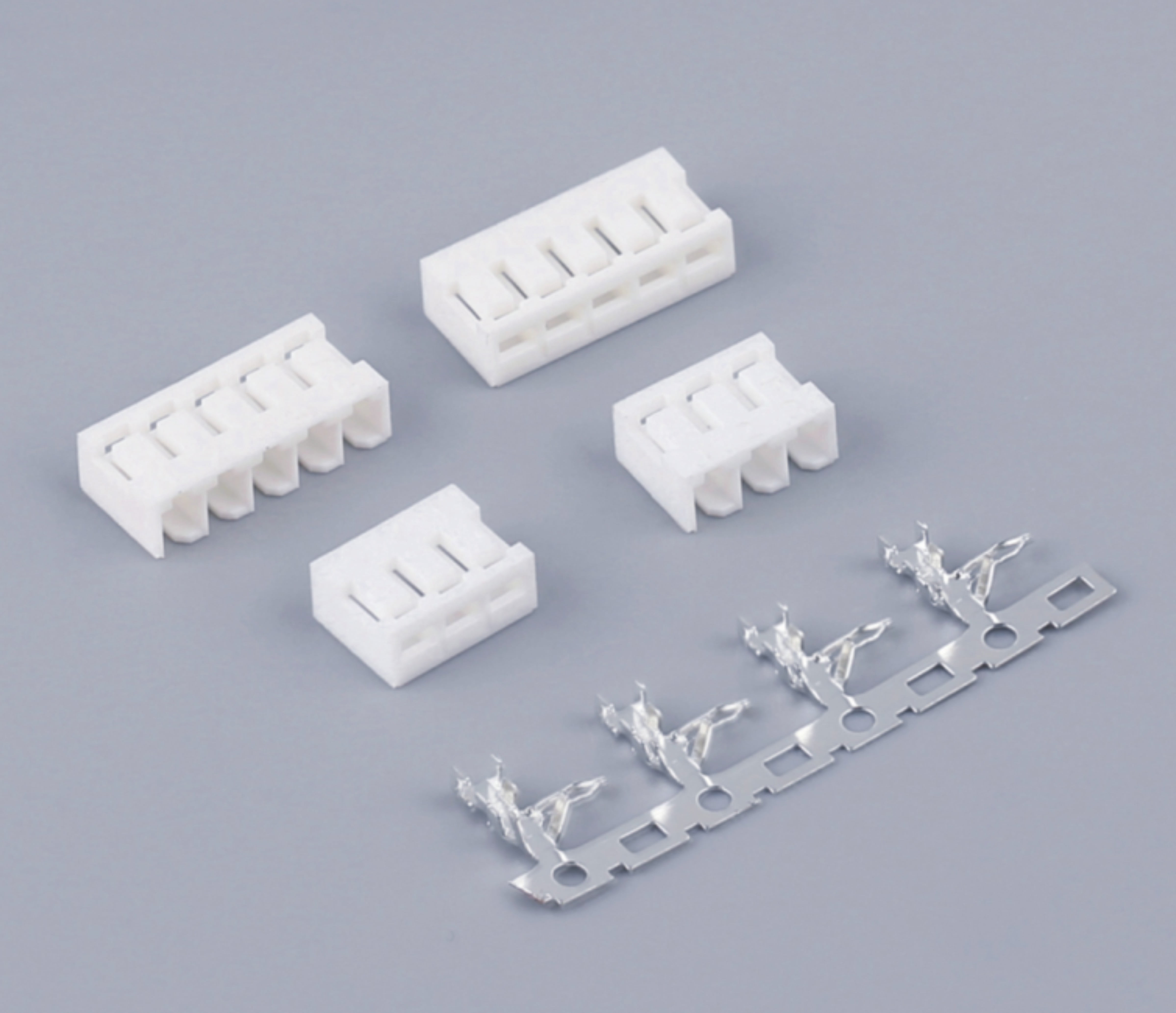
تنبع أداء موصلات التوصيل السلكي بالسلكي (Wire to Wire) على المدى الطويل من حيث السلامة في تطبيقات توزيع الطاقة من عوامل هندسية متعددة تعمل بشكل متكامل. وتشمل هذه العوامل استقرار مقاومة التلامس، وقدرات إدارة الحرارة، وقوة الاحتفاظ الميكانيكي، ومقاومة التآكل، وسلامة العزل الكهربائي. ويُعالَج كل عاملٍ من هذه العوامل أنماط فشل محددة قد تُعرِّض سلامة النظام للخطر، بدءًا من ارتفاع درجة الحرارة والقوس الكهربائي وصولًا إلى انقطاع الدائرة الكهربائية بالكامل. وبدراسة الطريقة التي تعالج بها هذه الموصلات كل تحدٍّ من تحديات السلامة عبر تصميمها وخصائصها التشغيلية، يمكن للمهندسين الكهربائيين ومدراء المرافق اتخاذ قرارات مستنيرة بشأن اختيار المكونات وتصميم النظام، بما يضمن حماية كلٍّ من المعدات والعاملين طوال عمر التشغيل التام للتركيب.
سلامة التلامس وآليات الاستقرار الكهربائي
مقاومة تلامس منخفضة ومستقرة على المدى الطويل
تمثل واجهة التلامس الكهربائية داخل موصلات السلك إلى السلك العامل الأهم في الأداء الآمن على المدى الطويل. ويجب أن تظل مقاومة التلامس عند هذه النقاط منخفضة ومستقرة طوال عمر الموصل التشغيلي لمنع التوليد المفرط للحرارة، الذي قد يؤدي إلى تدهور العزل أو فشل المكونات أو مخاطر نشوب الحرائق. وتستخدم موصلات السلك إلى السلك عالية الجودة هندسةً دقيقةً لأجزاء التلامس مع قوى ربيعية مضبوطة تحافظ على اتصال كهربائي ثابت رغم التغيرات الحرارية والاهتزاز الميكانيكي والإجهادات التشغيلية العادية التي تحدث في بيئات توزيع الطاقة.
يؤثر اختيار مواد التلامس مباشرةً على استقرار المقاومة مع مرور الزمن. وتستخدم وصلات الأسلاك عالية الجودة سبائك نحاس تمتلك خصائص محددة تتعلق بالتصفيح (التقسية) وبنيّة الحبيبات، ما يمنحها مقاومةً للانبعاث (الاسترخاء) تحت الأحمال الميكانيكية المستمرة. كما تتضمّن العديد من التصاميم طبقات من القصدير أو الفضة فوق النحاس الأساسي لمنع الأكسدة، التي كانت ستؤدي في حال حدوثها إلى زيادة تدريجية في مقاومة التلامس. وتأثر سماكة الطبقة والطريقة المستخدمة في تطبيقها بالأداء طويل الأمد، حيث توفر التشطيبات المُطلية كهربائيًّا عادةً درجةً أعلى من التجانس والالتصاق مقارنةً بأساليب الطلاء الأخرى. التطبيق وتضمن هذه الخيارات المادية أن يظل المسار الكهربائي ثابتًا حتى بعد آلاف الدورات الحرارية وسنوات التشغيل المستمر.
يوازن تصميم قوة النابض التلامسي في موصلات السلك إلى السلك بين متطلبات متعددة تتعلق بالسلامة والمتانة. فانخفاض ضغط التلامس يؤدي إلى زيادة المقاومة، وتولُّد الحرارة، واحتمال حدوث القوس الكهربائي، بينما قد يتسبب الضغط الزائد في إتلاف الموصل أو التشوه البلاستيكي الذي يُضعف الموثوقية على المدى الطويل. وتستخدم التصاميم المتقدمة للموصلات هندسة نوابض محسوبة بدقة للحفاظ على ضغط تلامس مثالي عبر نطاق درجات الحرارة المتوقع، مع أخذ التوسع الحراري التفاضلي بين المواد غير المتجانسة في الاعتبار. ويضمن هذا الملف الهندسي لقوة التلامس أن تبقى الوصلات الكهربائية آمنة دون فرض إجهاد ميكانيكي مفرط على موصلات الأسلاك أو أجسام الموصلات.
هندسة التلامس المتعدد النقاط لتحقيق التكرارية
تضم العديد من وصلات التوصيل السلكية بالسلك المصممة لتطبيقات توزيع الطاقة الحرجة عدة نقاط اتصال مستقلة داخل واجهة اتصال واحدة. ويوفّر هذا النهج المعماري تكرارًا ذاتيًّا يعزِّز السلامة على المدى الطويل، من خلال ضمان استمرار التوصيل الكهربائي حتى في حال تدهور إحدى نقاط الاتصال. وتوزِّع استراتيجية الاتصال المتكرِّر التيار عبر مسارات متعددة، مما يقلل كثافة التيار عند أي واجهة اتصال فردية، وبالتالي يخفف الإجهاد الحراري الواقع على كل نقطة اتصال على حدة. ويسهم هذا التأثير التوزيعي في إطالة عمر الخدمة، ويقلل احتمال حدوث فشل كارثي في الاتصال.
كما يعالج تصميم التوصيل المتعدد النقاط ظاهرة التآكل الاهتزازي، وهي إحدى أوضاع الفشل الشائعة في التوصيلات الكهربائية التي تتعرّض لحركات دقيقة ناتجة عن الاهتزاز أو التغيرات الحرارية الدورية. وعندما تتعرّض أسطح التلامس لحركة اهتزازية ذات سعة صغيرة، فإن جزيئات الأكسيد تتكوّن عند الواجهة وتؤدي مع مرور الوقت إلى زيادة المقاومة. وتُقلّل موصلات الأسلاك-إلى-الأسلاك التي تحتوي على عدة نقاط تلامسٍ من هذه الآلية التدهورية بفعالية، لأن احتمال حدوث فشل تآكسي اهتزازي في جميع نقاط التلامس في الوقت نفسه يظل منخفضاً للغاية. وحتى لو حدث التآكل منتجات في بعض الواجهات، فإن مسارات التلامس الموازية تحافظ على سلامة التوصيل ككل وعلى أدائه الكهربائي.
غالبًا ما تُصمَّم وصلات توزيع الطاقة بحيث تكون نقاط التلامس في زوايا أو اتجاهات مختلفة لتعظيم التماس مع أسطح الموصلات. ويضمن هذا التنوُّع الهندسي أن تظل بعض واجهات التلامس على الأقل في حالة تماس مثلى، حتى في وجود اختلافات طفيفة في الأبعاد الناتجة عن تشابك الأسلاك أو عمق تقشير العزل أو مسافة إدخال الموصل. وينتج عن هذا التحسين في موثوقية التلامس تحسُّنٌ مباشر في السلامة على المدى الطويل، إذ يبقى التوصيل سليمًا وظيفيًّا عبر نطاق أوسع من ظروف التركيب والسيناريوهات التشغيلية مقارنةً بالتصاميم التي تعتمد على نقطة تلامس واحدة.
إدارة الحرارة وهندسة تبديد الحرارة
اختيار المواد من حيث التوصيل الحراري
تمثل الأداء الحراري معلمة أمان حرجة لموصِلات السلك إلى السلك في أنظمة توزيع الطاقة، لأن ارتفاع درجة الحرارة بشكل مفرط يُسرّع من تدهور العزل، ويزيد من مقاومة التماس، وقد يؤدي في النهاية إلى ظروف الانفلات الحراري. وتؤثر المواد الأساسية المستخدمة في تصنيع الموصلات تأثيرًا كبيرًا على قدرتها على تبديد الحرارة. وتُستخدم سبائك النحاس عالية التوصيلية كعناصر رئيسية لنقل التيار الكهربائي، حيث تقوم بنقل كلٍّ من التيار الكهربائي والطاقة الحرارية بكفاءة بعيدًا عن نقاط الاتصال الحرجة. ويضمن التوصيل الحراري لهذه المواد، الذي يتراوح عادةً بين ٢٠٠ و٣٨٠ واط لكل متر-كلفن، أن الحرارة المتولدة عند واجهات التماس تتبَدَّد بسرعة في الموصلات المحيطة وأجسام الموصلات.
تُوازن مواد التغليف المستخدمة في وصلات الأسلاك مع الأسلاك بين متطلبات القوة الميكانيكية واحتياجات الإدارة الحرارية. وتوفّر البوليمرات الحرارية الهندسية، التي تُستخدم عادةً في أجسام الموصلات، استقرارًا أبعاديًّا ممتازًا وعازلًا كهربائيًّا فعّالًا، إلى جانب توصيل حراري معتدل يساعد في تبديد الحرارة. وبعض التطبيقات المتخصصة تستخدم أغلفة تحتوي على مواد حشوية موصلة حراريًّا لتعزيز انتقال الحرارة دون المساس بخواص العزل الكهربائي. ويسمح هذا النهج الهجين بأن تعمل أغلفة الموصلات كمبدِّدات حرارية سلبية، حيث توزّع الطاقة الحرارية على مساحات سطحية أكبر، مما يتيح تبريدًا بالحمل الحراري أكثر فعالية.
يساهم الكتلة الحرارية لمكونات الموصل في السلامة من خلال امتصاص التقلبات الحرارية أثناء ظروف الحمل الزائد العابرة. موصلات سلك بسلك ذات محتوى معدني كبير تمتص الطاقة الحرارية أثناء التيار الزائد القصير المدى، مما يمنع الارتفاعات السريعة في درجة الحرارة التي قد تتسبب في تلف العزل أو تدهور واجهات التوصيل. وتُوفّر هذه الآلية التخزينية الحرارية حمايةً قيّمةً أثناء عمليات التشغيل الأولي، أو عمليات إزالة الأعطال، أو غيرها من الظروف المؤقتة التي يتجاوز فيها التيار التصنيفات الاسمية. ويعزِّز قدرة الموصل على امتصاص هذه الطاقة الحرارية ثم تبديدها لاحقًا دون أن يتعرّض لأي ضرر هوامش السلامة العامة للنظام.
تحسين مساحة السطح وتصميم التهوية
تؤثر الهندسة الخارجية لموصِلات السلك إلى السلك تأثيرًا كبيرًا على قدرتها على تبديد الحرارة عبر الآليتين التوصيلية والإشعاعية. وغالبًا ما تتضمَّن الموصِلات المصمَّمة لتطبيقات التيار الأعلى مساحة سطحية أكبر من خلال زعانف أو ضلوع أو أسطح خارجية مُنحنية تحسِّن انتقال الحرارة إلى الهواء المحيط. وتزيد هذه الميزات من مساحة التبريد الفعَّالة دون زيادة متناسبة في حجم الموصل أو وزنه، مما يحسِّن الأداء الحراري ضمن التركيبات المقيدة مكانيًّا. ويتم إيلاء عناية هندسية دقيقة لتوجيه وتباعد ميزات تبديد الحرارة بهدف تعظيم التيارات التوصيلية الطبيعية التي تحمل الحرارة بعيدًا عن جسم الموصل.
تتيح مسارات التهوية داخل غلاف الموصلات تدوّل الهواء الذي يزيل الحرارة من المكونات الداخلية. وقد تتضمّن موصلات السلك-إلى-السلك المخصصة للتطبيقات المغلقة فتحاتٍ موضوعةً بعنايةٍ لتعزيز تدفُّق الهواء عبر الجزء الداخلي من الموصل دون المساس بتصنيفات حمايته من دخول الأجسام الغريبة. وتؤخذ في هذه التصاميم الخاصة بالتهوية الاتجاهات النموذجية للتثبيت في الاعتبار، مما يضمن استمرار فعالية الحمل الحراري الناتج عن الطفو بغضّ النظر عمّا إذا كان تركيب الموصلات أفقيًّا أو رأسيًّا أو عند زوايا وسيطة. ويمنع تصميم التهوية المناسب تراكم الحرارة في المساحات المغلقة حيث تكون التبريد بالحمل الحراري غير كافٍ في الظروف العادية.
يمثل الواجهة الحرارية بين الموصل واتصال الموصل اعتبارًا تصميميًّا حاسمًا آخر. وت logi وصلات السلك بالسلك أداءً حراريًّا مثاليًّا من خلال تصاميم التلامس التي تُعظم مساحة سطح التلامس بين خيوط الموصل وأطراف الموصلات. وبعض التصاميم تتضمّن ميزات ضغط الموصل التي تُجمّع الأسلاك المجدولة، مما يزيد من مساحة التلامس الفعّالة ويحسّن الأداء الكهربائي والحراري معًا. ويضمن هذا الاقتران الحراري المحسَّن أن تنتقل الحرارة الناتجة عند الواجهة الكهربائية بكفاءة إلى الموصلات المتصلة، والتي تعمل بعد ذلك كمشتّتات حرارية ممتدة لتوزيع الطاقة الحرارية في جميع أنحاء نظام التوصيلات الأوسع.
ميزات الاحتفاظ الميكانيكي ومقاومة الاهتزاز
آليات القفل وأمان الاتصال
تؤثر الاستقرار الميكانيكي للاتصالات الكهربائية تأثيرًا مباشرًا على السلامة على المدى الطويل في أنظمة توزيع الطاقة. وتستخدم موصلات السلك بالسلك آليات احتفاظ متنوعة لمنع الانفصال العرضي الناتج عن الاهتزاز أو التغيرات الحرارية أو التلامس العرضي أثناء أنشطة الصيانة. وتكفل ميزات القفل الإيجابي، مثل المزلاجات أو التوقفات أو الوصلات المترابطة بالخيوط، أن تظل الاتصالات آمنة طوال عمر التشغيل للتثبيت بعد تركيبها بشكل صحيح. ويجب أن تتحمل هذه الأنظمة الميكانيكية للاحتفاظ بالقوة المؤثرة خلال التشغيل العادي، مع بقائها سهلة الوصول عند الحاجة إلى فصلها عمداً أثناء إجراءات الصيانة المصرح بها.
يجب أن تتحمل موصلات الأسلاك إلى الأسلاك القوة الميكانيكية، سواءً كانت أحمالاً شدّية قد تؤدي إلى فصل التوصيلات، أو قوى جانبية قد تُضعف سلامة التماس الكهربائي. وتتضمن تصاميم الموصلات ميزات لتخفيف الإجهاد تنقل الأحمال الميكانيكية إلى هياكل الغلاف بدلًا من نقاط التماس الكهربائية، مما يحمي واجهات نقل التيار الحرجة من أي إجهاد قد يؤدي إلى زيادة مقاومة التماس أو انفصال تام. وتوزّع مشابك الأسلاك، وموصلات الكابلات (Cable Glands)، والعناصر المدمجة لتخفيف الإجهاد الأحمال الميكانيكية عبر مكونات هيكلية متينة، مع عزل الواجهات الكهربائية الحساسة عن الأحمال التي قد تسبب لها ضررًا.
تتم هندسة قوى الإدخال والاستخراج لموصِلات السلك إلى السلك بعنايةٍ لموازنة سهولة التجميع مع أمان الاتصال. وتشكل الموصلات التي تفتقر إلى قوة الاحتفاظ الكافية خطرَ فكّ الاتصال الناتج عن الاهتزاز أو إرهاق التمدد والانكماش الحراري الذي يؤدي تدريجيًّا إلى تدهور سلامة الاتصال. وعلى العكس من ذلك، فإن قوى الإدخال المفرطة تُعقِّد تركيب الموصلات في الموقع وقد تتسبب في تلف الموصلات أثناء التجميع. أما التصاميم المُحسَّنة فهي تحدِّد قوى إدخال توفر ملاحظة حسية واضحة تؤكِّد الانخراط الصحيح للوصلة، مع الحاجة فقط إلى جهد يدوي معقول، مما يلغي الحاجة إلى أدوات خاصة قد لا تكون متوفرة بسهولة أثناء التركيب الميداني أو عمليات الإصلاح الطارئة.
امتصاص الاهتزاز والتحكم في الرنين
غالبًا ما تتعرض المكونات الكهربائية في بيئات توزيع الطاقة الصناعية لاهتزازات مستمرة أو متقطعة ناتجة عن الآلات الدوارة أو العمليات الميكانيكية أو الحركة البنائية. وتتميز الموصلات المخصصة لتوصيل السلك بالسلك في هذه التطبيقات بميزاتٍ تقاوم التدهور الناجم عن الاهتزاز، وذلك من خلال اختيار المواد والتصميم الهندسي. وتوفر العناصر المطاطية المرنة داخل تجميعات الموصلات امتصاصًا للاهتزاز يقلل من انتقال الطاقة الميكانيكية إلى واجهات التلامس الكهربائي، مما يمنع الحركات المجهرية التي تؤدي إلى تآكل الاحتكاك (Fretting Corrosion) وزيادة المقاومة تدريجيًّا.
تؤثر خصائص التردد الرنيني لموصِلات الأسلاك-إلى-الأسلاك في قابليتها للتلف الناتج عن الاهتزاز. فتتعرَّض الموصلات التي تتطابق تردداتها الطبيعية مع أطياف الاهتزاز البيئي الشائعة لإجهادات ميكانيكية مُضاعَفة، مما يُسرِّع من ظاهرة الإجهاد التعبوي والتدهور. وتستخدم تصاميم الموصلات المتطوِّرة توزيعاتٍ للكتلة والصلابة تُوضع بها الترددات الرنينية خارج نطاقات الاهتزاز التشغيلية النموذجية، مما يقلِّل إلى أدنى حدٍ من آثار التضخيم الرنيني. وبعض التطبيقات المتخصصة توظِّف مواد امتصاص طاقة اهتزازية لزجة-مرنة (Viscoelastic) تقوم بتبديد طاقة الاهتزاز عبر نطاقات تردُّدية واسعة، ما يوفِّر حمايةً قويةً ضد مصادر الاهتزاز المتنوعة التي تُصادَف في المنشآت الصناعية.
قد تتضمن الموصلات من سلك إلى سلك المُصمَّمة للبيئات التي تشهد اهتزازات شديدة آليات تثبيت إيجابية للموصلات تمنع الحركة النسبية بين الموصلات وعناصر التلامس. وتستخدم هذه الميزات التثبيتية أنظمة ميكانيكية ذات ميزة ميكانيكية، مثل حركات الكاميرات أو الأشكال الإسفينية، لتوليد قوى تثبيت كبيرة ناتجة عن مدخل يدوي بسيط أثناء التركيب. ويتميز الاتصال الناتج بمقاومة استثنائية لانفكاك التوصيلات بسبب الاهتزاز، مع الحفاظ في الوقت نفسه على مقاومة تلامس منخفضة وأداء كهربائي موثوق. ويضمن هذا التصميم الميكانيكي المتين أن تظل التوصيلات الكهربائية سليمة وآمنة حتى في أشد التطبيقات الصناعية طلباً، حيث يولِّد تشغيل المعدات طاقة اهتزازية كبيرة.
الحماية البيئية ومقاومة التآكل
تقنيات حماية من الدخول وتقنيات الإحكام
يمثل التعرض للعوامل البيئية تحديًا أمنيًّا طويل الأمدٍ جسيمًا لمُوصِلات السلك بالسلك في تطبيقات توزيع الطاقة. ويمكن أن يؤدي تسرب الرطوبة، وتلوث الغبار، والجو المسبب للتآكل إلى تدهور العزل الكهربائي، وزيادة مقاومة التلامس، بل وقد يؤدي في النهاية إلى فشل التوصيلات أو ظهور مخاطر أمنية. وتتميز موصِلات السلك بالسلك المصمَّمة للاستخدام في البيئات الخارجية أو الصناعية بتقنيات إغلاق تمنع دخول الملوِّثات مع الحفاظ على الوظائف التشغيلية. وتُشكِّل الحشوات المطاطية، والحلقات التوصيلية الدائرية (O-rings)، والحشوات المُصبوبة حواجز بين المكونات الكهربائية الداخلية والظروف البيئية الخارجية، مما يحافظ على سلامة التوصيلات طوال فترات الخدمة الممتدة.
توفر نظام تصنيف حماية الدخول تصنيفًا قياسيًّا لكفاءة إغلاق الموصلات ضد الجسيمات الصلبة والسوائل. وعادةً ما تحقِّق موصلات التوصيل السلكي بالسلكي لنقل الطاقة تصنيفات من IP54 إلى IP68 اعتمادًا على متطلبات التطبيق، حيث تشير التصنيفات الأعلى إلى حماية متفوِّقة ضد التسلل البيئي. ويختلف نهج الإغلاق المحدَّد باختلاف تصميم الموصل، ويشمل ذلك أختام الضغط التي تُفعَّل أثناء التركيب، والأختام المطاطية المُركَّبة مسبقًا والتي توفِّر أداءً ثابتًا في الإغلاق، ومكونات التعبئة (Potting Compounds) التي تغلف مناطق التوصيل بأكملها لتحقيق أقصى عزل بيئي.
تعتمد فعالية الإغلاق المناسب ليس فقط على تصميم الموصل، بل أيضًا على إجراءات التركيب الصحيحة. وعادةً ما تُحدِّد مواصفات الموصلات السلكية بالسلك المزودة بميزات إغلاق بيئي قيم torque (عزم الدوران)، أو أعماق الإدخال، أو تسلسل التجميع الذي يضمن تفعيل الإغلاق وأداءه السليم. وتوجّه وثائق التركيب وعلامات الموصل الفنيين خلال خطوات التجميع الحرجة، مما يقلل من احتمال حدوث تركيب غير سليم قد يُضعف الحماية البيئية. وبعض تصاميم الموصلات تتضمّن مؤشرات بصرية أو آليات تُوفّر ملاحظة لمسية تؤكّد الانخراط الصحيح للإغلاق، ما يوفّر للمُركِّبين تأكيدًا فوريًّا على صحة التجميع.
توافق المواد ومقاومة الكيميائيات
يحدد التركيب الكيميائي لمواد الغلاف والختم والطلاءات التلامسية مقاومة موصلات السلك إلى السلك للتلوثات البيئية المحددة. وقد تتعرض الموصلات في البيئات الصناعية للزيوت والمذيبات وعوامل التنظيف أو المواد الكيميائية المستخدمة في العمليات، والتي قد تؤدي إلى تدهور المواد غير المتوافقة معها. ويختار مصنعو الموصلات بوليمرات الغلاف بناءً على وثائق تثبت مقاومتها للمواد الكيميائية الصناعية الشائعة، مما يضمن ألا يؤدي تدهور المادة إلى المساس بالمتانة الميكانيكية أو الاستقرار الأبعادي أو خصائص العزل الكهربائي مع مرور الزمن. وتتيح بيانات توافق المواد المقدمة في الوثائق الفنية لمصممي الأنظمة التحقق من مدى ملاءمة الموصلات للظروف البيئية المحددة.
تُستخدم استراتيجيات متعددة لحماية المكونات المعدنية للموصِلات من التآكل، وذلك وفقًا للظروف البيئية المتوقعة التي ستتعرض لها. وقد يكتفي موصِل الأسلاك بالأسلاك في البيئات المعتدلة باستخدام طلاء القصدير الذي يوفّر مقاومة فعّالة من حيث التكلفة للأكسدة في الظروف الصناعية القياسية. أما في البيئات الأكثر عدوانية، فيتطلب الأمر حماية مُعزَّزةً عبر طلاءٍ أكثر سماكة، أو مواد بديلة مثل النيكل أو الذهب، أو حتى إغلاق تام يمنع تمامًا التعرُّض للعوامل البيئية. ويتم اختيار استراتيجية الحماية المناسبة من التآكل بناءً على تحقيق توازن بين متطلبات الأداء والاعتبارات الاقتصادية، مما يضمن السلامة الكافية على المدى الطويل دون تحمل تكاليف إضافية غير ضرورية ناتجة عن حماية مفرطة.
يُعَدُّ التآكل الغلفاني مصدر قلقٍ محدَّدٍ عند استخدام وصلات الأسلاك بالأسلاك التي تربط بين مواد موصلة غير متجانسة، مثل النحاس والألومنيوم. ويؤدي الفرق في الجهد الكهروكيميائي بين هذين المعدنين إلى تشكُّل خلايا تآكلية عندما توفِّر الرطوبة مسارًا إلكتروليتيًّا، ما يؤدي إلى تدهور تدريجي في واجهة الاتصال. وتتضمن تصاميم الوصلات المتخصصة المُستخدمة في التطبيقات التي تجمع بين معادن مختلفة ميزاتٍ تُعطِّل آليات التآكل الغلفاني، ومنها طبقات حاجزية تمنع التلامس المباشر بين المعادن غير المتجانسة، أو تطبيقات مركبات تمنع دخول الرطوبة والأكسجين، أو مواد أقطاب سالبة تضحيةً تتآكل تفضيليًّا لحماية واجهات نقل التيار الحرجة.
العزل الكهربائي وكبح القوس الكهربائي
المقاومة العازلة وقدرة التحمُّل للجهد
يجب أن يحافظ نظام العزل داخل موصلات السلك إلى السلك على الفصل الكهربائي بين الموصلات الناقلة للتيار والأسطح الموصولة بالأرض طوال عمر الموصل التشغيلي. وتحدد مواصفات مقاومة العزل أقصى جهدٍ يمكن أن تتحمله مواد العزل قبل حدوث الانهيار الكهربائي، والذي يؤدي إلى مخاطر أمنية مثل خطر الصدمة الكهربائية أو تكوُّن القوس الكهربائي. وتضم موصلات السلك إلى السلك المستخدمة في توزيع الطاقة مواد عزل تمتلك مقاومة عزل تفوق بكثير الجهود التشغيلية الاعتيادية، مما يوفِّر هامش أمانٍ يراعي التقلبات الجهدية والشيخوخة التدريجية لمواد العزل وتأثيرات التلوث التي تحدث خلال فترة الخدمة الطويلة.
يؤثر الترتيب الهندسي للعناصر الموصلة والعازلة داخل موصلات السلك بالسلك على مسافات الزحف والتباعد الفعالة التي تمنع حدوث التتبع أو القوس الكهربائي. وتمثل مسافة الزحف أقصر مسار على طول الأسطح العازلة بين الموصلات، في حين أن مسافة التباعد تقاس بالفجوة الهوائية المباشرة بين العناصر الموصلة. وتحدد المعايير التنظيمية أقل مسافات مسموح بها استنادًا إلى جهد التشغيل ودرجة التلوث، لضمان هوامش أمان كافية في ظل ظروف الخدمة المتوقعة. وتتضمن تصاميم الموصلات عناصر مثل الحواف البارزة (الضلعية)، والحواجز، والأسطح العازلة الممتدة التي تزيد من المسافات الفعالة بما يتجاوز المتطلبات الدنيا، مما يعزز السلامة على المدى الطويل، وبخاصة في البيئات الملوثة التي قد تتسبب فيها الرواسب الموصلة في اختراق فجوات العزل غير الكافية.
تتم عملية اختيار مواد العزل المستخدمة في الموصلات بين الأسلاك بعنايةٍ بالغة لمقاومة آليات التدهور، ومنها الشيخوخة الحرارية، والتعرض للأشعة فوق البنفسجية، وامتصاص الرطوبة، والاحتكاك الميكانيكي. وتوفّر البوليمرات الحرارية الهندسية، التي تُستخدم عادةً في أغلفة الموصلات، خصائص كهربائية ممتازة إلى جانب المتانة الميكانيكية والمقاومة الكيميائية. وقد تتضمّن تركيبات هذه المواد مواد مستقرّة تمنع التحلل الأكسيدي، أو مثبّطات للأشعة فوق البنفسجية في التطبيقات الخارجية، أو مواد مثبطة للهب لتعزيز خصائص السلامة من الحرائق. ويضمن الاستقرار طويل الأمد لهذه المواد العازلة أن تبقى قوة العزل الكهربائي كافية طوال عمر الخدمة المتوقع للموصل، مما يحافظ على السلامة الكهربائية حتى بعد سنواتٍ من التشغيل المستمر.
ميزات احتواء القوس الكهربائي وقطعه
يشكل حدوث شرارة كهربائية أثناء عمليات التوصيل أو الفصل مخاطر جسيمة على السلامة، بما في ذلك توليد حرارة شديدة، وتبخر المعادن، واحتمالية نشوب حريق. تتضمن موصلات الأسلاك المصممة للإدخال أو الإزالة تحت تأثير التيار الكهربائي خصائص تعمل على كبح أو احتواء الشرارة الكهربائية، مما يحمي الأفراد والمعدات على حد سواء. في بعض التصاميم، توضع عناصر التلامس داخل حجرات مغلقة تحصر طاقة الشرارة، مانعةً بذلك انتشار اللهب الخارجي أو تناثر المعدن. تُعد استراتيجيات الاحتواء هذه بالغة الأهمية في المواقع الخطرة حيث يمكن أن تشتعل الأجواء القابلة للاشتعال نتيجةً لطاقة الشرارة غير المنضبطة.
توفر المواد المقاومة للقوس الكهربائي في الموصلات بين الأسلاك حماية إضافية من خلال امتصاص طاقة القوس دون أن تتعرض لتلف تدريجي. وتتميّز البوليمرات ذات درجة الحرارة العالية والسيراميك بقدرتها على مقاومة الظروف الحرارية القصوى الناتجة عن أحداث القوس الكهربائي، مع الحفاظ على السلامة الهيكلية واستمرار توفير العزل الكهربائي حتى بعد التعرّض لبلازما القوس. وفي بعض التطبيقات المتخصصة، تُستخدم هندسات لإخماد القوس الكهربائي تعمل على تبريد بلازما القوس وتجريدها من الأيونات بشكلٍ سريع، مما يُسرّع انقراض القوس ويقلل من كمية الطاقة المنطلقة. وتعزّز هذه الميزات المتقدمة مستوى السلامة في التطبيقات التي قد تبقى فيها احتمالية فصل الدائرة الكهربائية أثناء تشغيلها عن غير قصد، رغم وجود ضوابط إجرائية.
قد تتضمن تسلسل التلامس في موصلات الأسلاك متعددة الأقطاب (Wire-to-Wire) عدم تناسقًا مُصمَّمًا يتحكم في ترتيب عمليات الإغلاق والفصل أثناء الاتصال والانفصال. وقد تتوصَّل نقاط التوصيل بالأرضية أولاً وتنفصل أخيرًا، مما يضمن استمرارية التأريض طوال فترة انتقال الاتصال. ويقلل هذا التحكم في التسلسل من مخاطر الصدمة الكهربائية، وقد يكبح تكوُّن القوس الكهربائي عن طريق إنشاء أو الحفاظ على الجهود المرجعية قبل أن تتوصَّل نقاط التلامس الخاصة بالطاقة. ويحدِّد التصميم الميكانيكي لحوامل التلامس والعناصر المحركة توقيت التسلسل، حيث تضمن السيطرة الدقيقة على الأبعاد التشغيل الموثوق به عبر كامل نطاق تحملات التصنيع والظروف البيئية.
الأسئلة الشائعة
ما هو العمر الافتراضي النموذجي لموصلات الأسلاك (Wire-to-Wire) في أنظمة توزيع الطاقة؟
تتفاوت مدة الخدمة الخاصة بمُوصِلات السلك-إلى-السلك بشكل كبير اعتمادًا على ظروف الاستخدام، وحمل التيار، والتعرض البيئي، وممارسات الصيانة؛ ومع ذلك، فإن الموصلات عالية الجودة التي تُركَّب بشكلٍ صحيح توفر عادةً أداءً موثوقًا به لمدة تتراوح بين عشرين وثلاثين عامًا في بيئات توزيع الطاقة الصناعية. وقد تعمل الموصلات التي تُشغَّل ضمن المعايير المُحدَّدة لها في بيئات خاضعة للرقابة لفترة أطول بكثير، بينما قد تتطلب الموصلات المعرَّضة لتغيرات حرارية متكررة، أو إجهادات ميكانيكية، أو ظروف بيئية قاسية استبدالًا في وقتٍ أبكر. وتساعد برامج الفحص الدورية التي تراقب درجة حرارة التوصيلات، وأكسدة الموصلات، وحالة الغلاف في الكشف عن التدهور قبل أن تظهر له آثارٌ سلبية على السلامة، مما يسمح باستبدال استباقي يمنع حدوث الأعطال.
كيف تؤثر درجة الحرارة المحيطة على أداء موصلات السلك-إلى-السلك من حيث السلامة؟
تؤثر درجة حرارة البيئة بشكل مباشر على قدرة الموصلات على حمل التيار والاستقرار الطويل الأمد للمواد، حيث تُصنَّف معظم الموصلات السلكية-السلكية للعمل المستمر عند درجات حرارة بيئية تصل إلى خمسة وسبعين أو تسعين درجة مئوية، وذلك حسب التصميم والمواد المستخدمة. وتؤدي درجات الحرارة البيئية المرتفعة إلى تقليل الهامش الحراري المتاح بين درجة حرارة التشغيل وحدود تدهور المواد، مما يستلزم تخفيض التيار المسموح به للحفاظ على التشغيل الآمن. كما أن التقلبات الشديدة في درجات الحرارة تُسرِّع عمليات الشيخوخة الكيميائية في مواد العزل والختم المطاطي المرن، ما قد يقلل من عمر الخدمة. وينبغي أن تأخذ خطة التركيب في الاعتبار أقصى ظروف بيئية متوقعة، بما في ذلك تأثير تسخين أشعة الشمس، والقرب من مصادر الحرارة، وسوء التهوية الذي قد يرفع درجات الحرارة المحلية فوق الحدود المحددة للموصلات.
هل يمكن إعادة استخدام الموصلات السلكية-السلكية بعد فصلها أم أنها تتطلب الاستبدال؟
تعتمد إمكانية إعادة استخدام موصلات الأسلاك بالأسلاك بشكل كبير على خصائص التصميم المحددة وطبيعة تقنية الاتصال المستخدمة. وتدعم الموصلات التي تستخدم أنظمة التثبيت الميكانيكي أو أنظمة التلامس الربيعية عمومًا عدة دورات إدخال عند صيانتها بشكل سليم، حيث يحدد المصنعون عادةً الحد الأدنى المضمون لدورات الاتصال (mating cycles) ما بين عشرات إلى مئات العمليات. أما تقنيات الاتصال الدائمة مثل الموصلات المُقرَّصة (crimp contacts) أو موصلات إزاحة العزل (insulation displacement connectors)، فهي لا تدعم عمومًا إعادة الاستخدام، لأن فك الاتصال يؤدي إلى تلف واجهات التلامس أو إنهاءات الموصلات. وتساعد الفحوص البصرية بعد فك الاتصال في تقييم حالة الموصل، حيث تشير أي دلائل على ارتفاع درجة الحرارة، أو التآكل، أو التلف الميكانيكي، أو تآكل نقاط التلامس إلى ضرورة استبداله بغض النظر عن إمكانية إعادة استخدامه نظريًّا. وتتبع الممارسة الحذرة اعتبار كل عملية فك اتصال على أنها قد تؤدي إلى تدهور جودة الاتصال، بينما يوفِّر الاستبدال أعلى ضمانٍ لاستمرار التشغيل الآمن.
ما معايير الفحص التي تشير إلى أن موصلات السلك بالسلك تتطلب الاستبدال لأسباب تتعلق بالسلامة؟
تشير عدة حالات مرئية إلى أن موصلات السلك بالسلك قد وصلت إلى نهاية عمرها الافتراضي، وبالتالي تتطلب الاستبدال للحفاظ على سلامة النظام. ويُظهر اصفرار أو تغير لون مواد الغلاف، وبخاصة بالقرب من مناطق التلامس، ارتفاعًا سابقًا في درجة الحرارة قد أدى إلى تدهور خصائص العزل ومرونة نوابض التلامس. كما يوحي ظهور التآكل على الموصلات أو أسطح التلامس بفشل الختم البيئي وزيادة محتملة في مقاومة التلامس. أما الأضرار الميكانيكية — مثل التشققات أو فقدان القفل أو تشوه الغلاف — فهي تُضعف كلاً من قدرة الاحتفاظ الميكانيكي والسلامة العازلة الكهربائية. وأي دليل على حدوث قوس كهربائي — كالتتبع الكربوني أو رواسب رشّ المعادن أو تآكل أسطح التلامس — يدل على إجهاد تشغيلي شديد يتطلب استبدال الموصل فورًا. وتوفِّر مراقبة درجة الحرارة أثناء التشغيل العادي تقييمًا كميًّا؛ إذ إن ارتفاع درجة حرارة الموصل عن درجة حرارة الجو المحيط بأكثر من ثلاثين إلى خمسين درجة مئوية يستدعي إجراء تحقيقٍ وربما استبدال الموصل حتى في غياب مؤشرات تلف مرئية.
جدول المحتويات
- سلامة التلامس وآليات الاستقرار الكهربائي
- إدارة الحرارة وهندسة تبديد الحرارة
- ميزات الاحتفاظ الميكانيكي ومقاومة الاهتزاز
- الحماية البيئية ومقاومة التآكل
- العزل الكهربائي وكبح القوس الكهربائي
-
الأسئلة الشائعة
- ما هو العمر الافتراضي النموذجي لموصلات الأسلاك (Wire-to-Wire) في أنظمة توزيع الطاقة؟
- كيف تؤثر درجة الحرارة المحيطة على أداء موصلات السلك-إلى-السلك من حيث السلامة؟
- هل يمكن إعادة استخدام الموصلات السلكية-السلكية بعد فصلها أم أنها تتطلب الاستبدال؟
- ما معايير الفحص التي تشير إلى أن موصلات السلك بالسلك تتطلب الاستبدال لأسباب تتعلق بالسلامة؟

