electrical wire connectors types
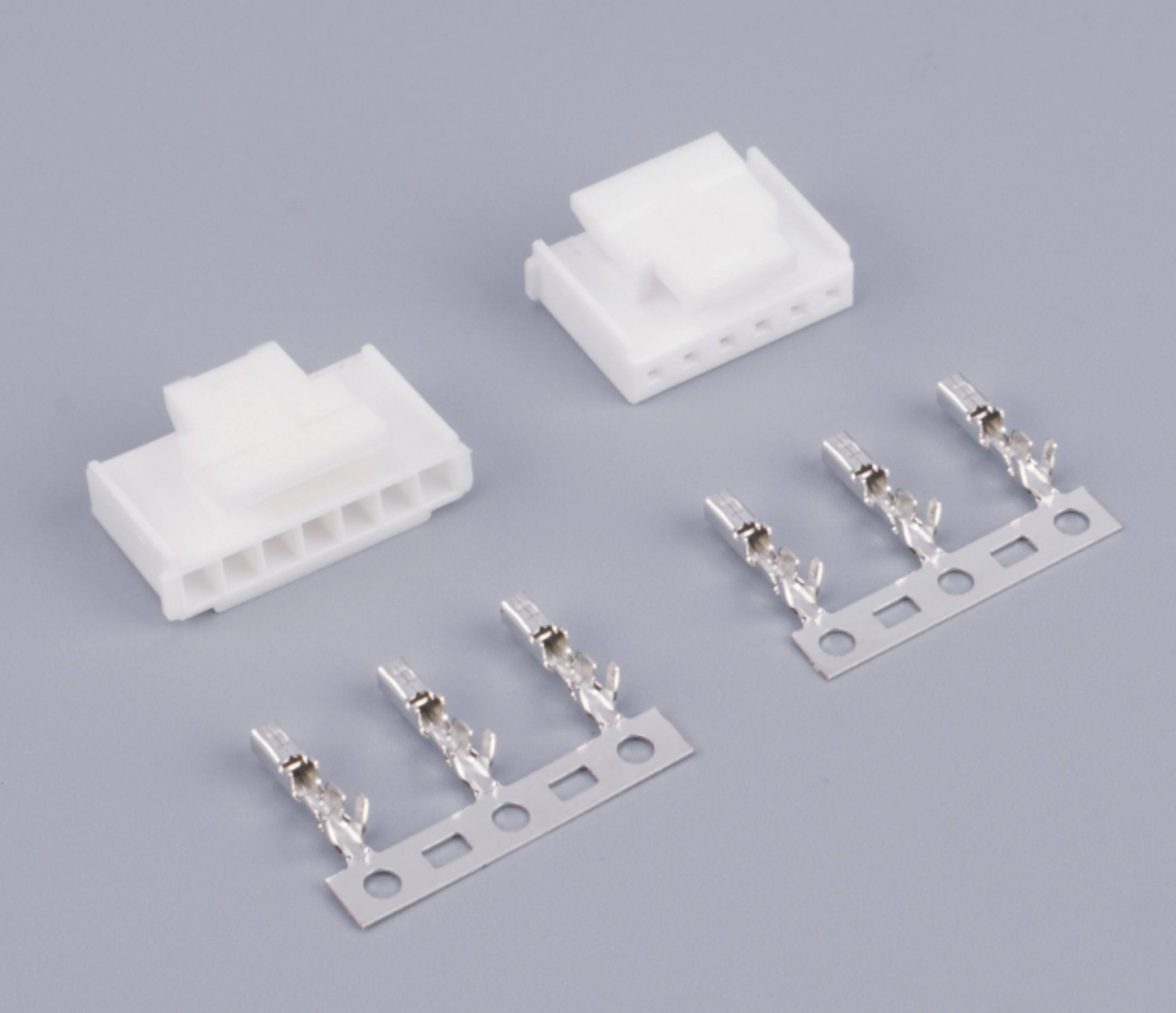
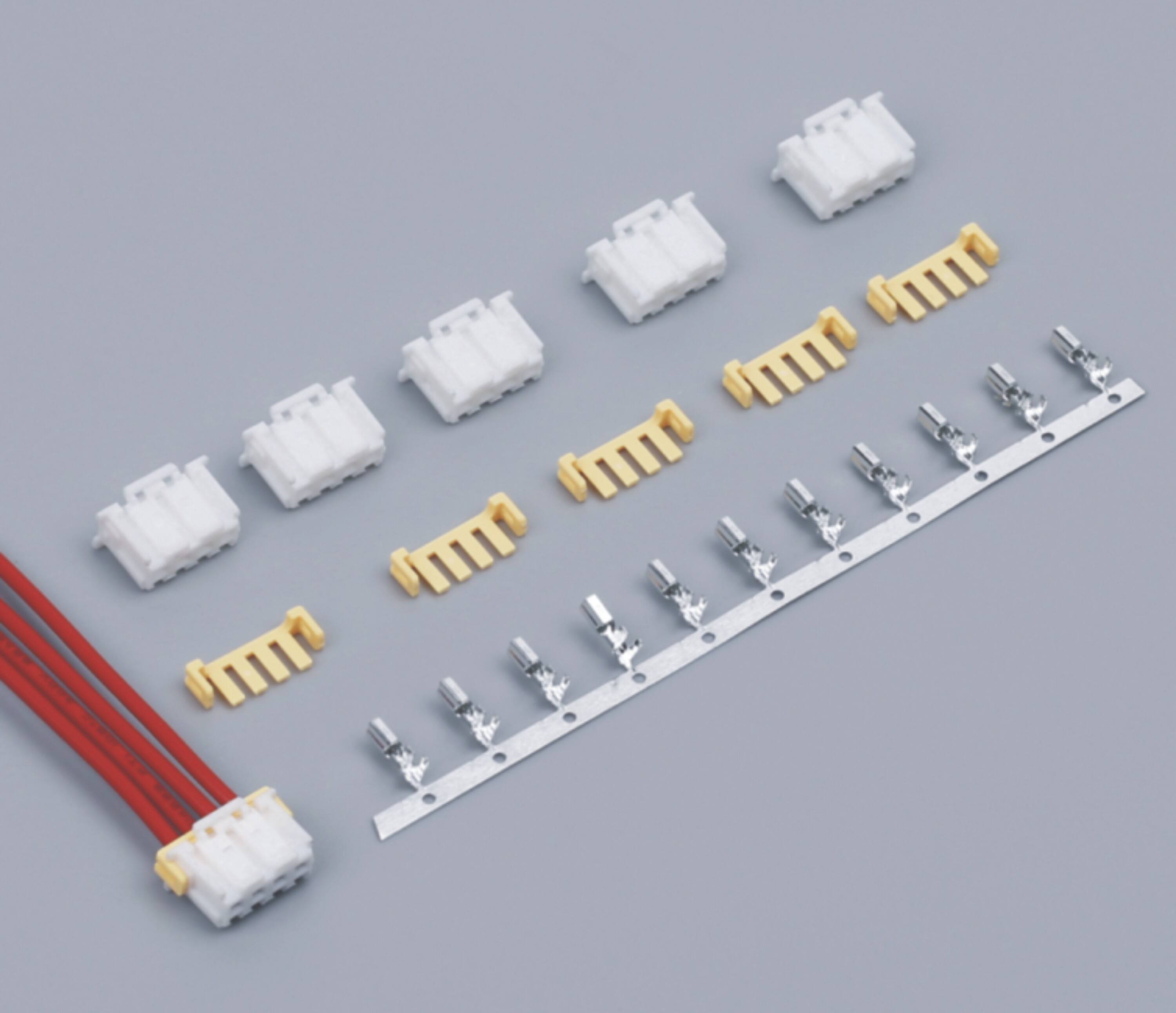
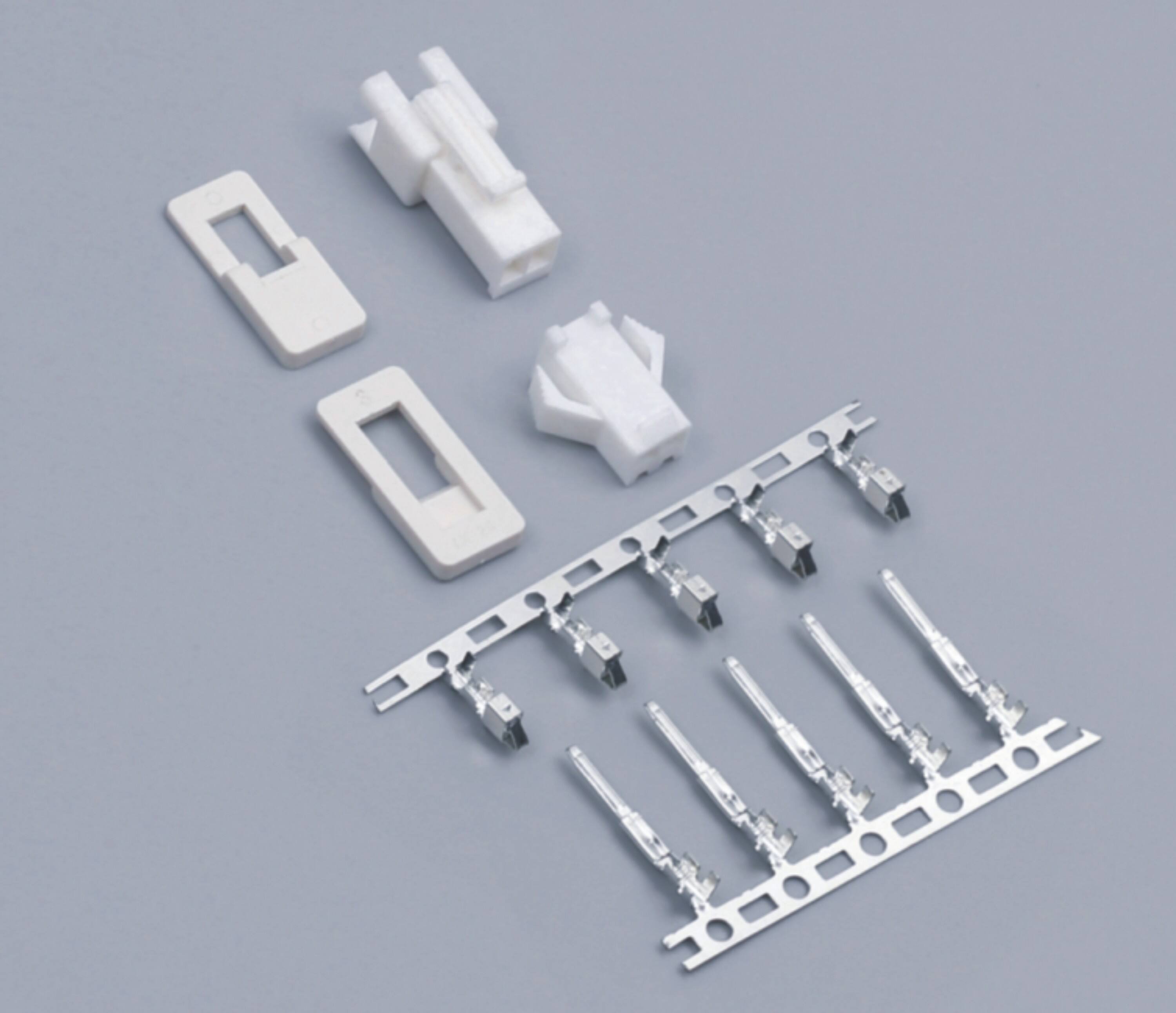
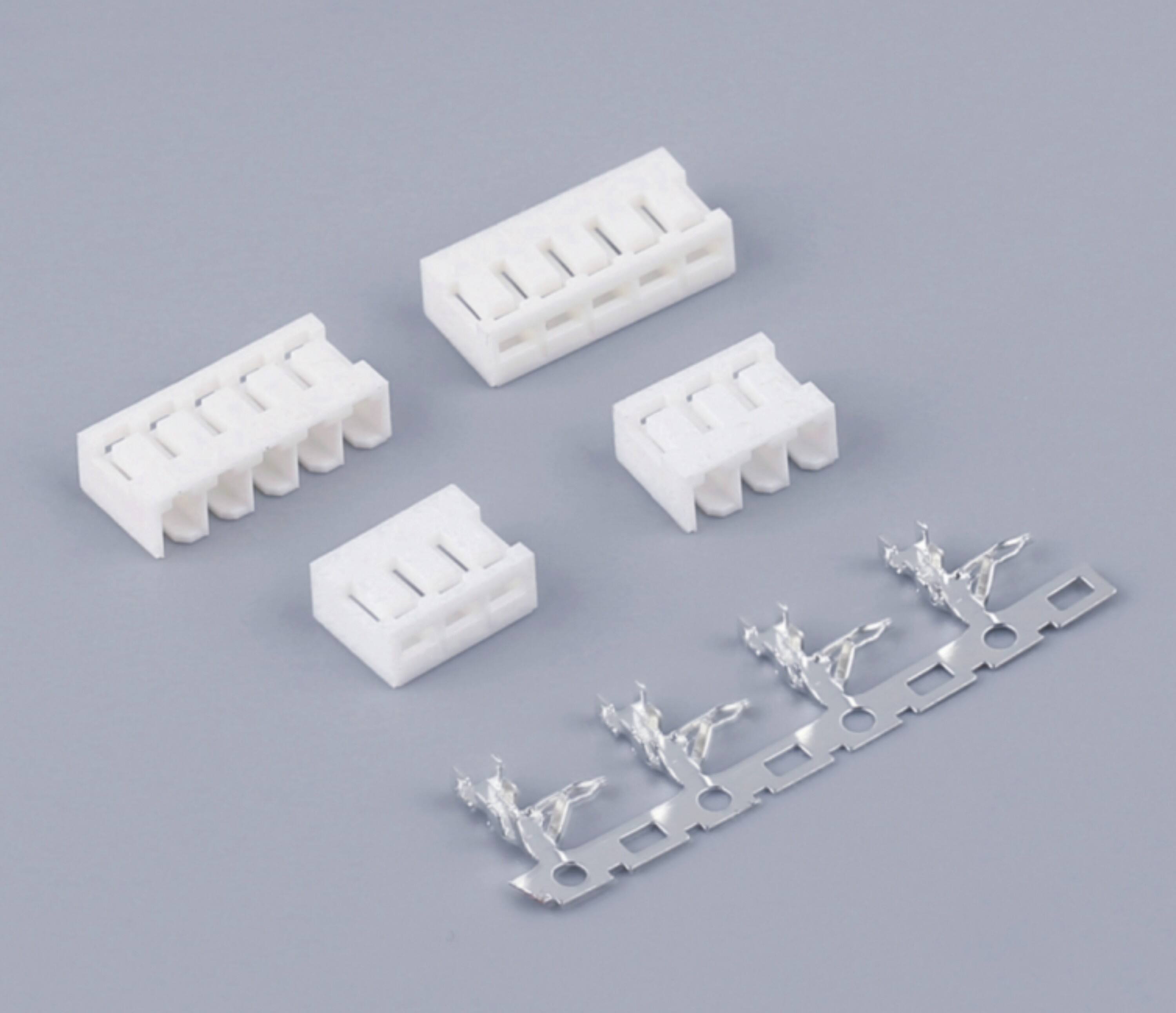
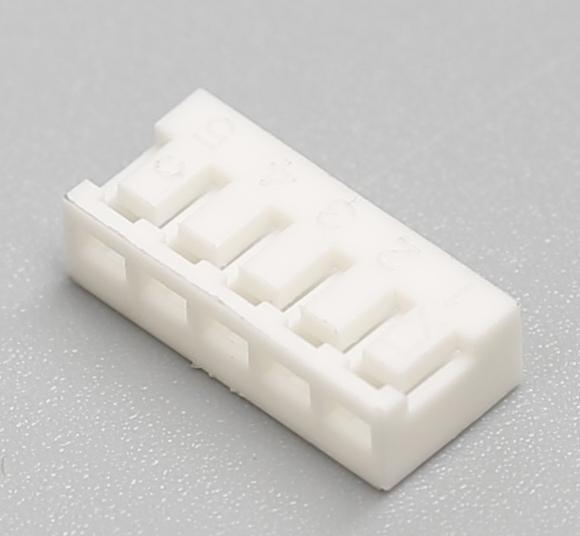
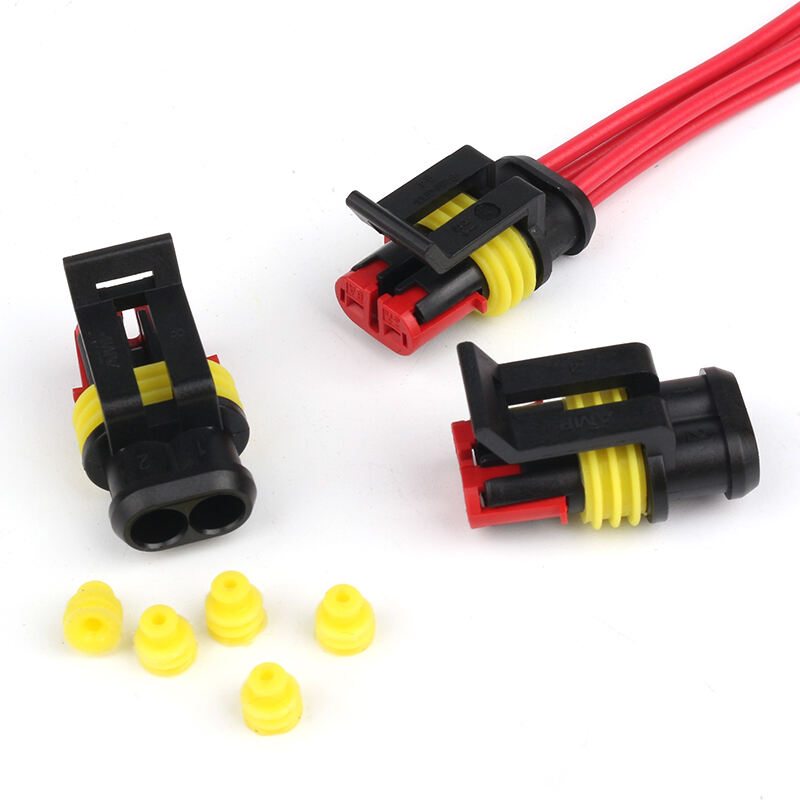
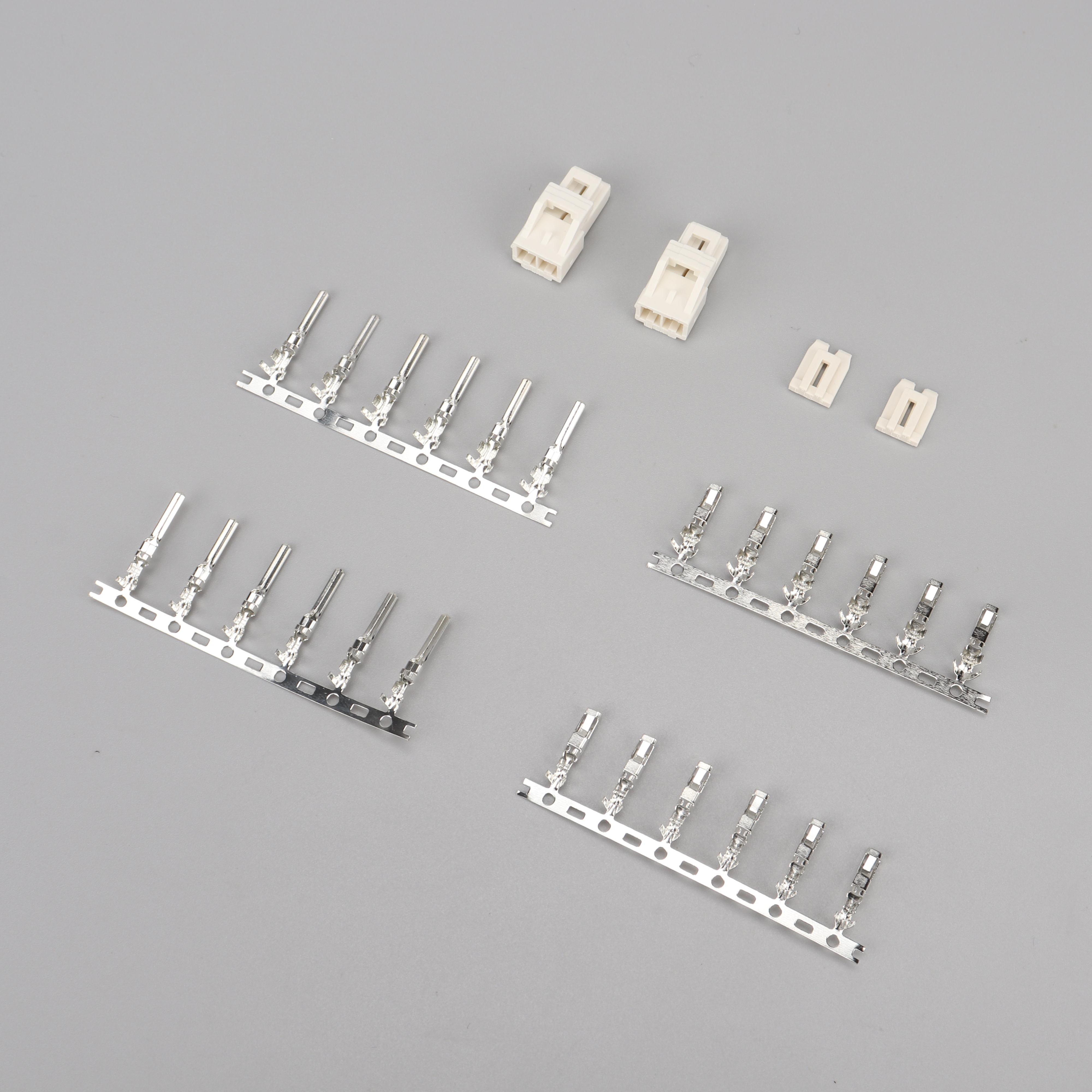
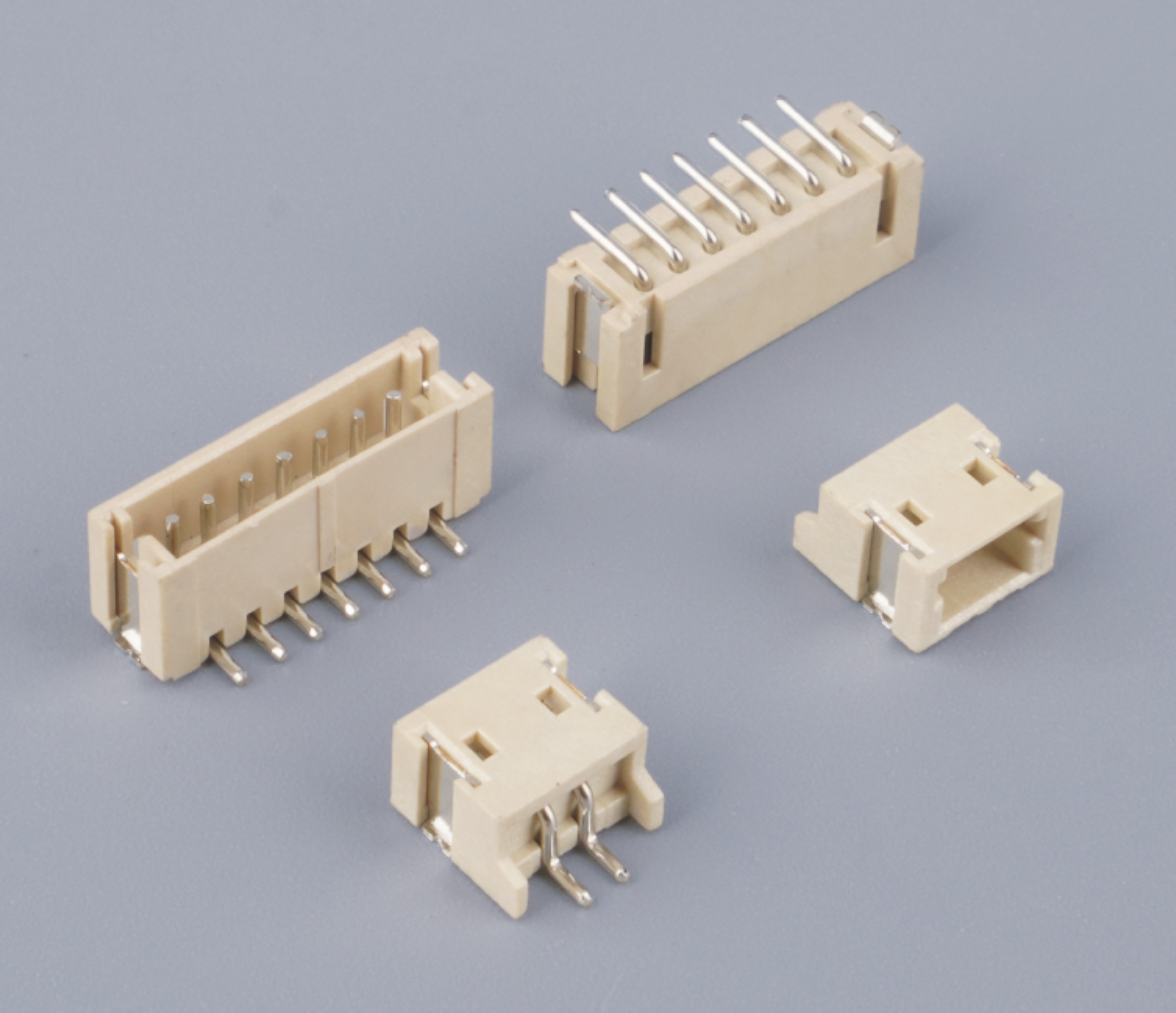
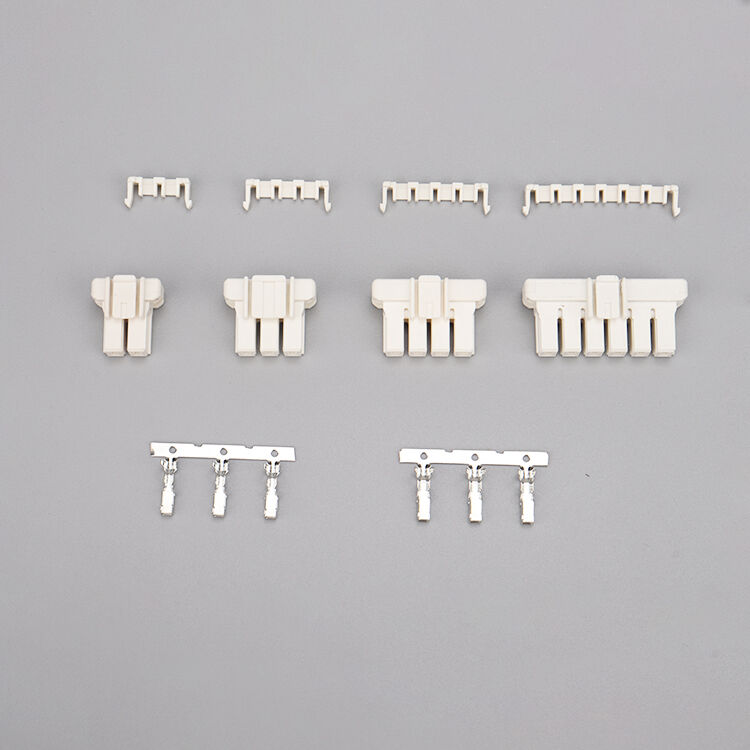
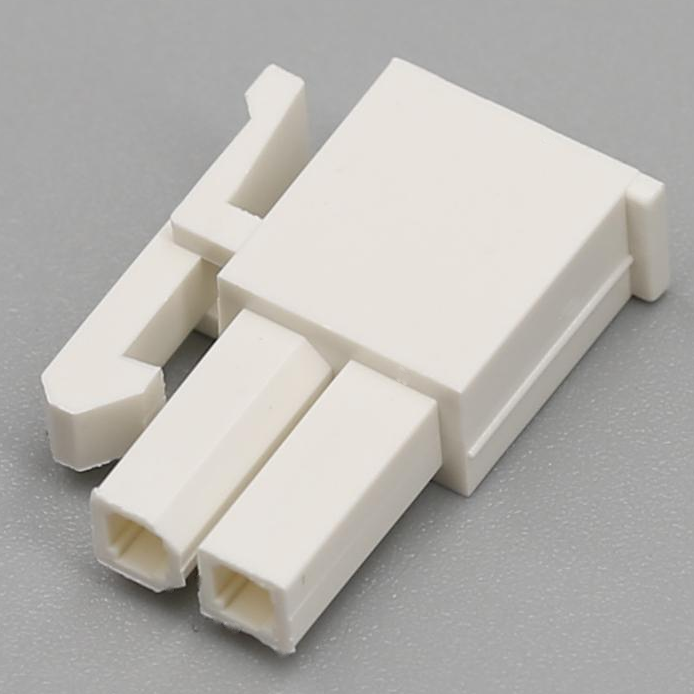
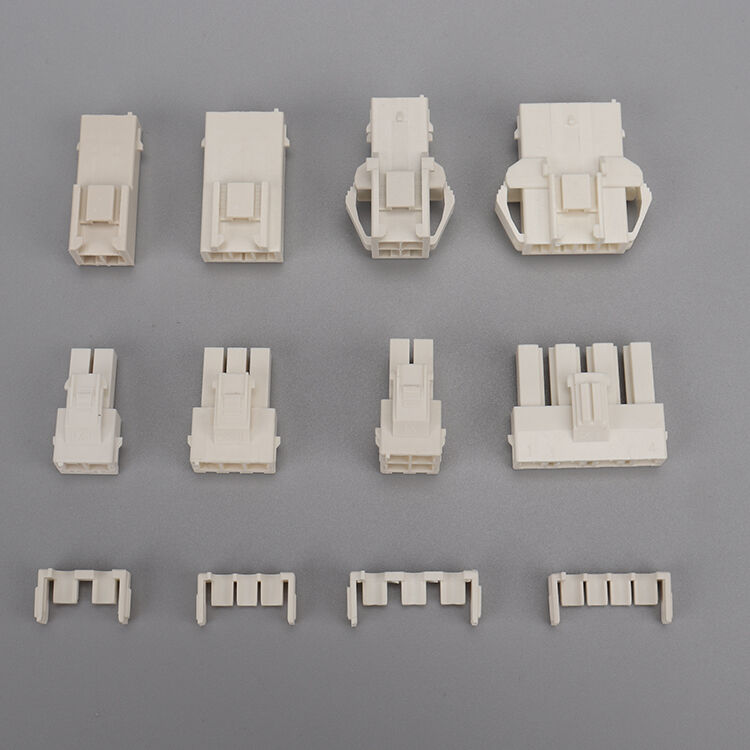
Electrical wire connectors are essential components in electrical systems, serving as crucial joining points for electrical circuits. These connectors come in various types, each designed for specific applications and environments. The main categories include crimp connectors, wire nuts, terminal blocks, butt connectors, and splice connectors. Crimp connectors provide secure connections through mechanical compression, ensuring long-term reliability and minimal resistance. Wire nuts, also known as twist-on wire connectors, offer quick and tool-free installation for joining multiple wires. Terminal blocks feature a systematic arrangement for connecting multiple wires, often used in industrial applications and control panels. Butt connectors serve as inline connection points, ideal for extending or repairing wires. Splice connectors enable branching connections while maintaining circuit integrity. Each type incorporates specific technological features such as insulation displacement, strain relief mechanisms, and weather-resistant materials. These connectors are engineered to meet various electrical codes and safety standards, providing protection against short circuits, moisture, and environmental factors. The selection of appropriate connectors depends on factors including wire gauge, voltage requirements, installation environment, and application-specific needs.

 EN
EN