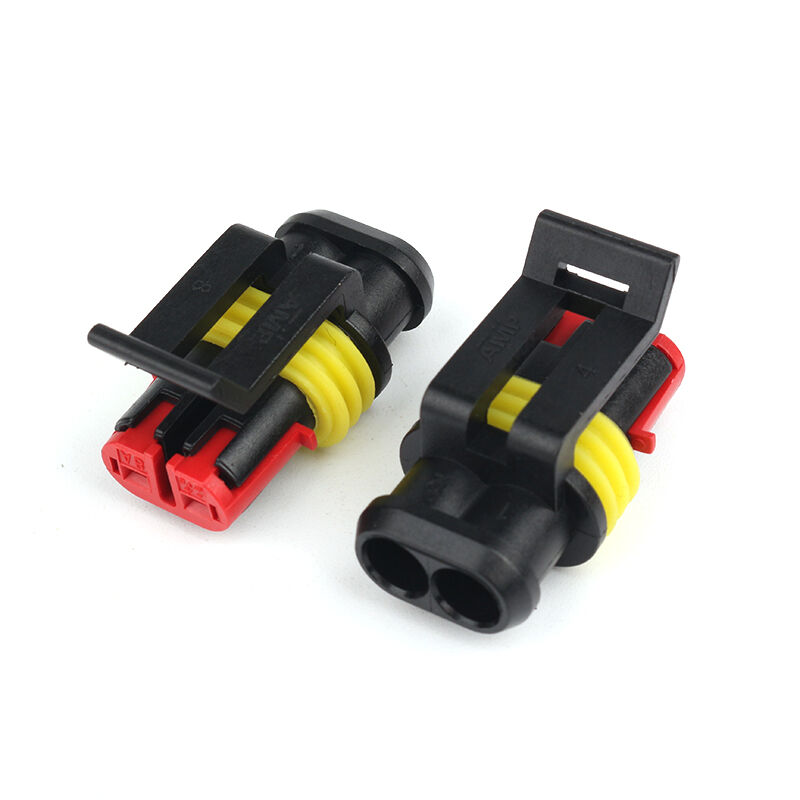
automotive connector types
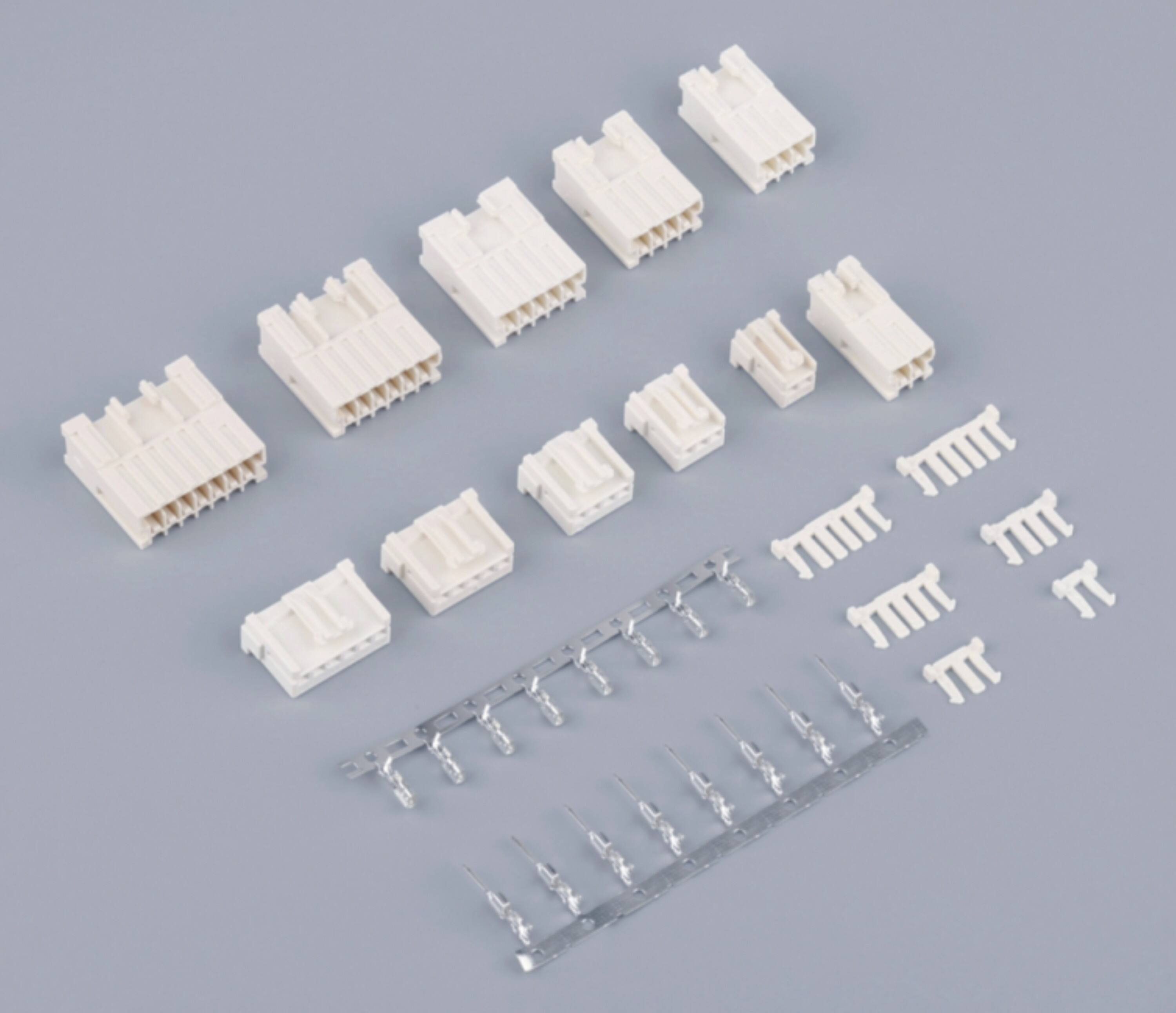
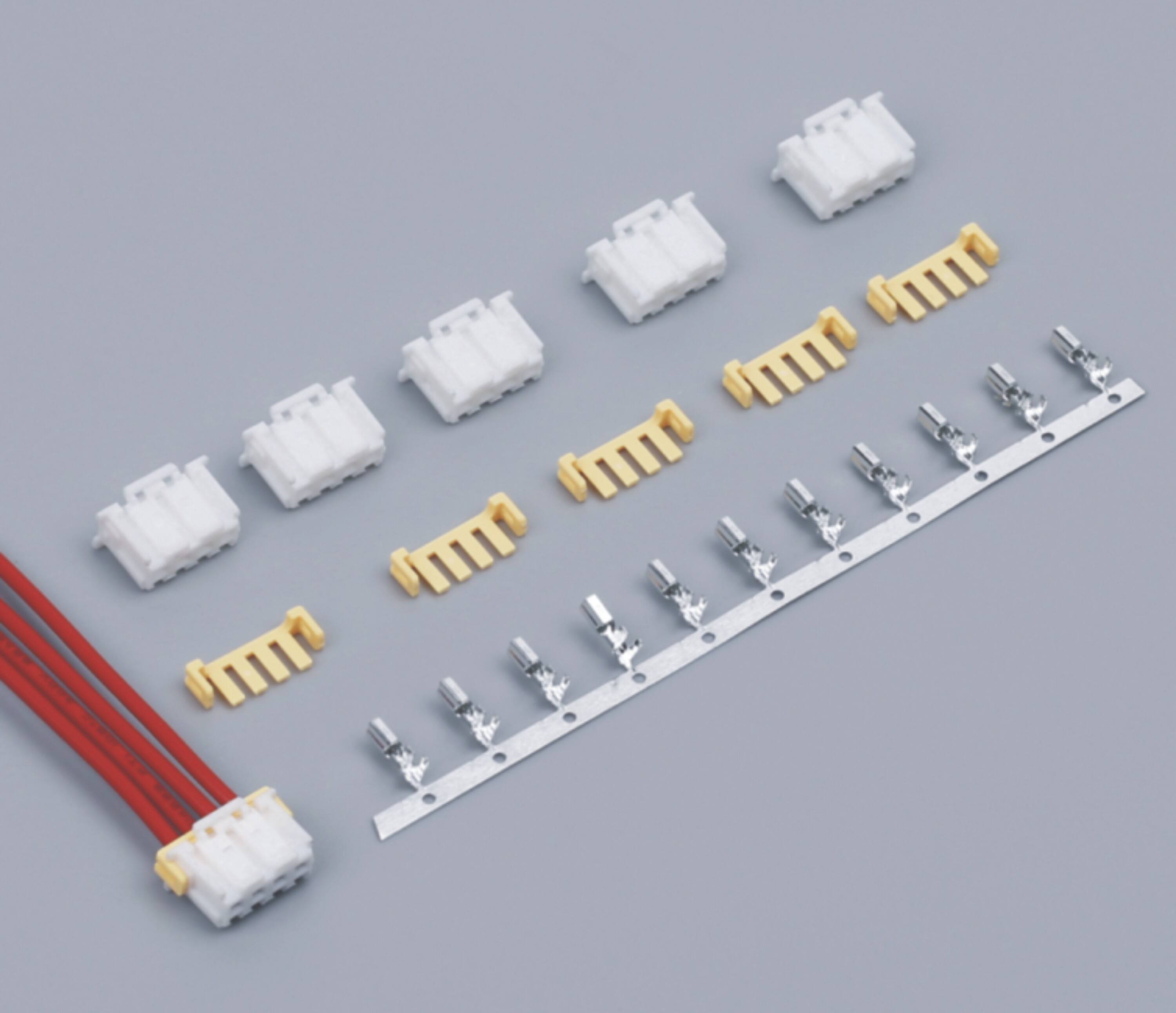
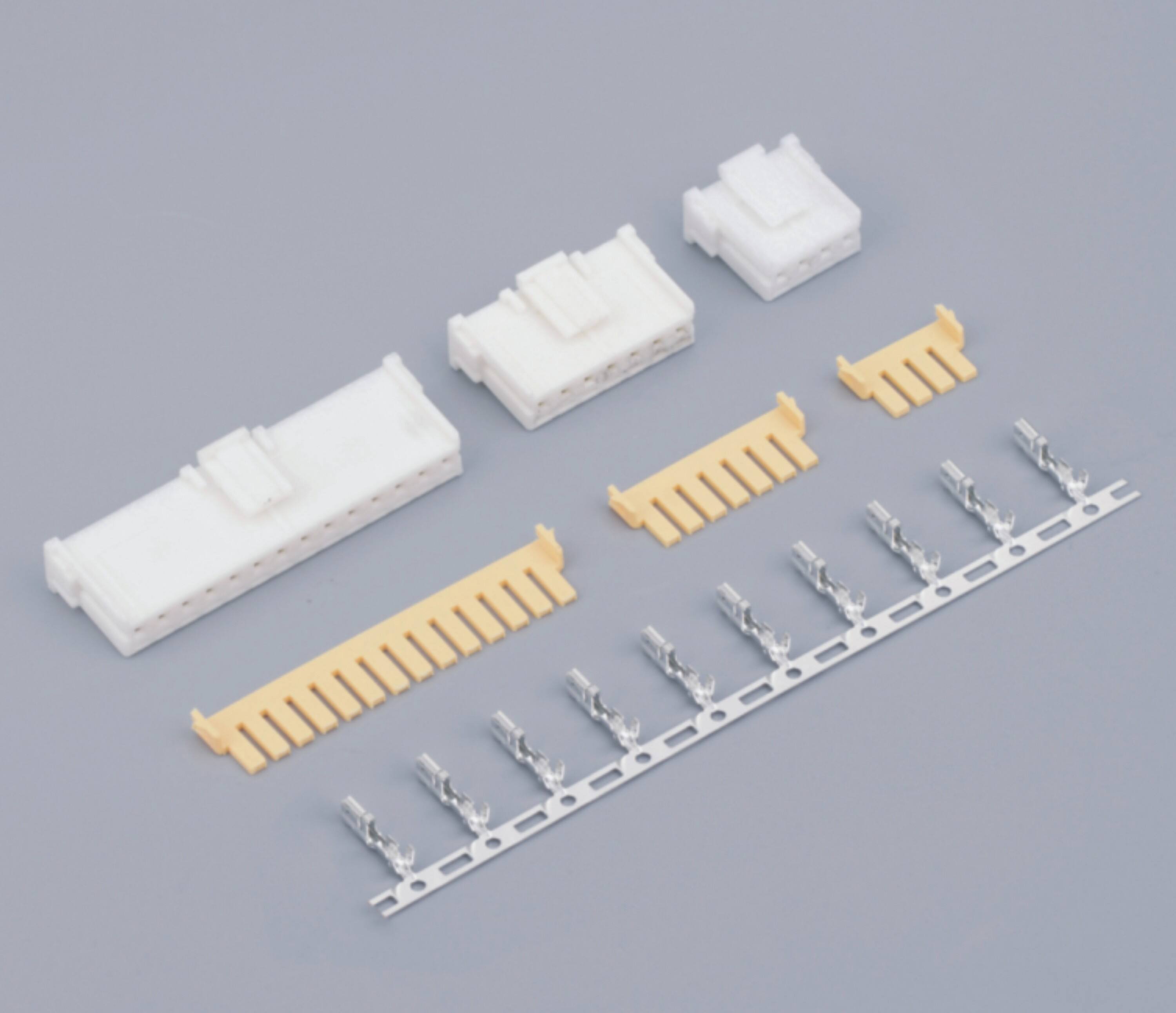
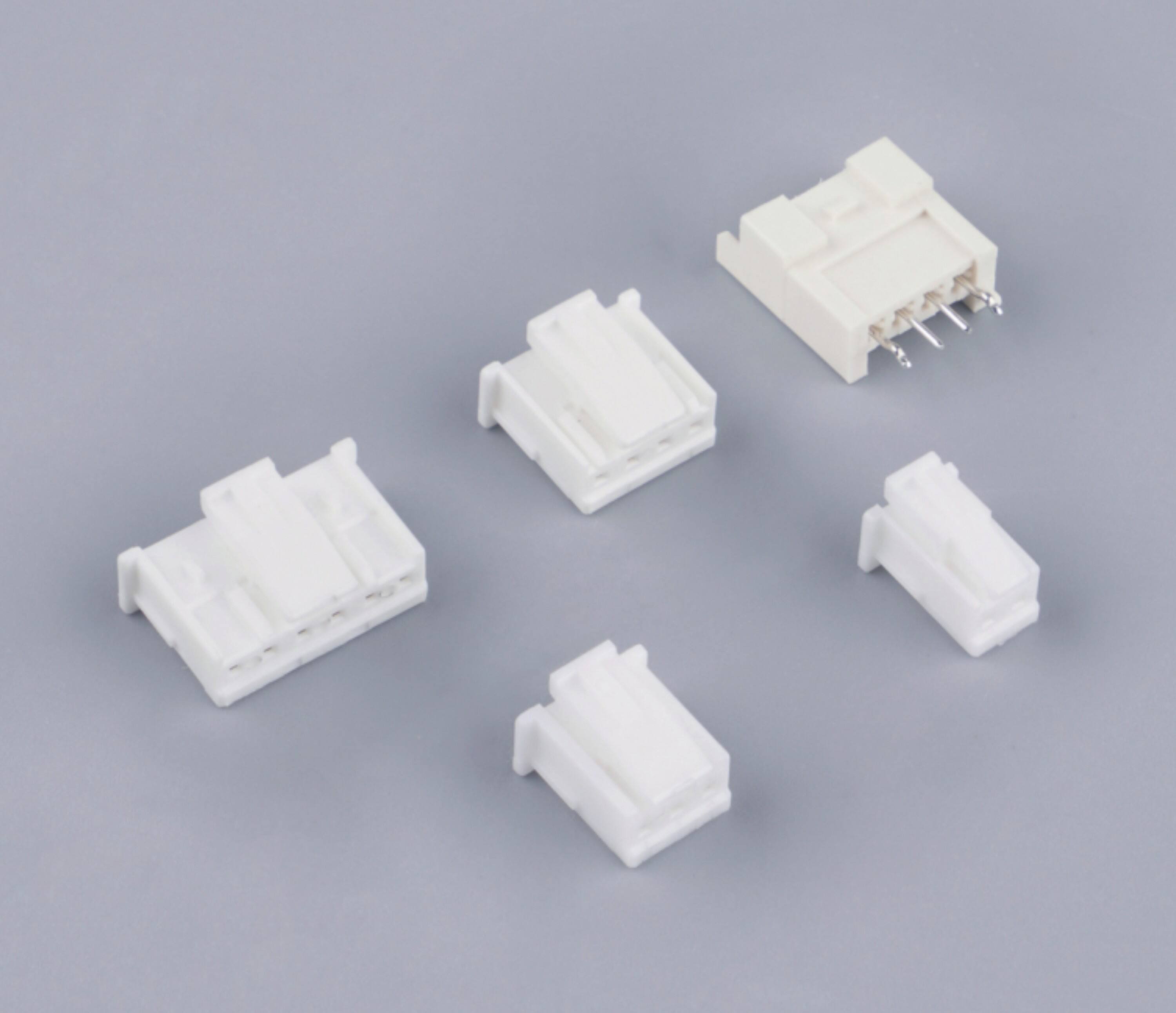
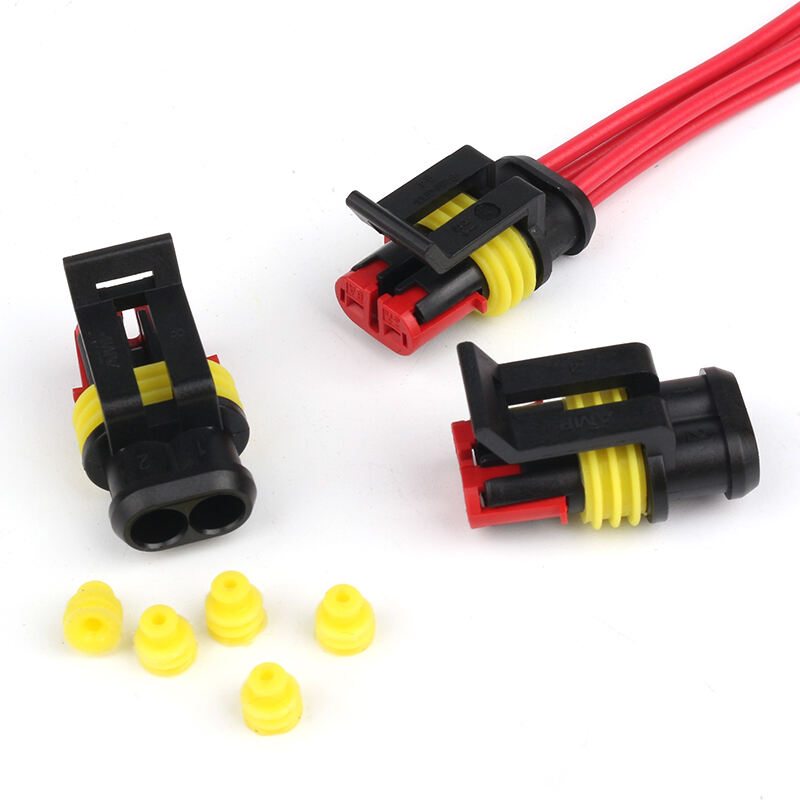
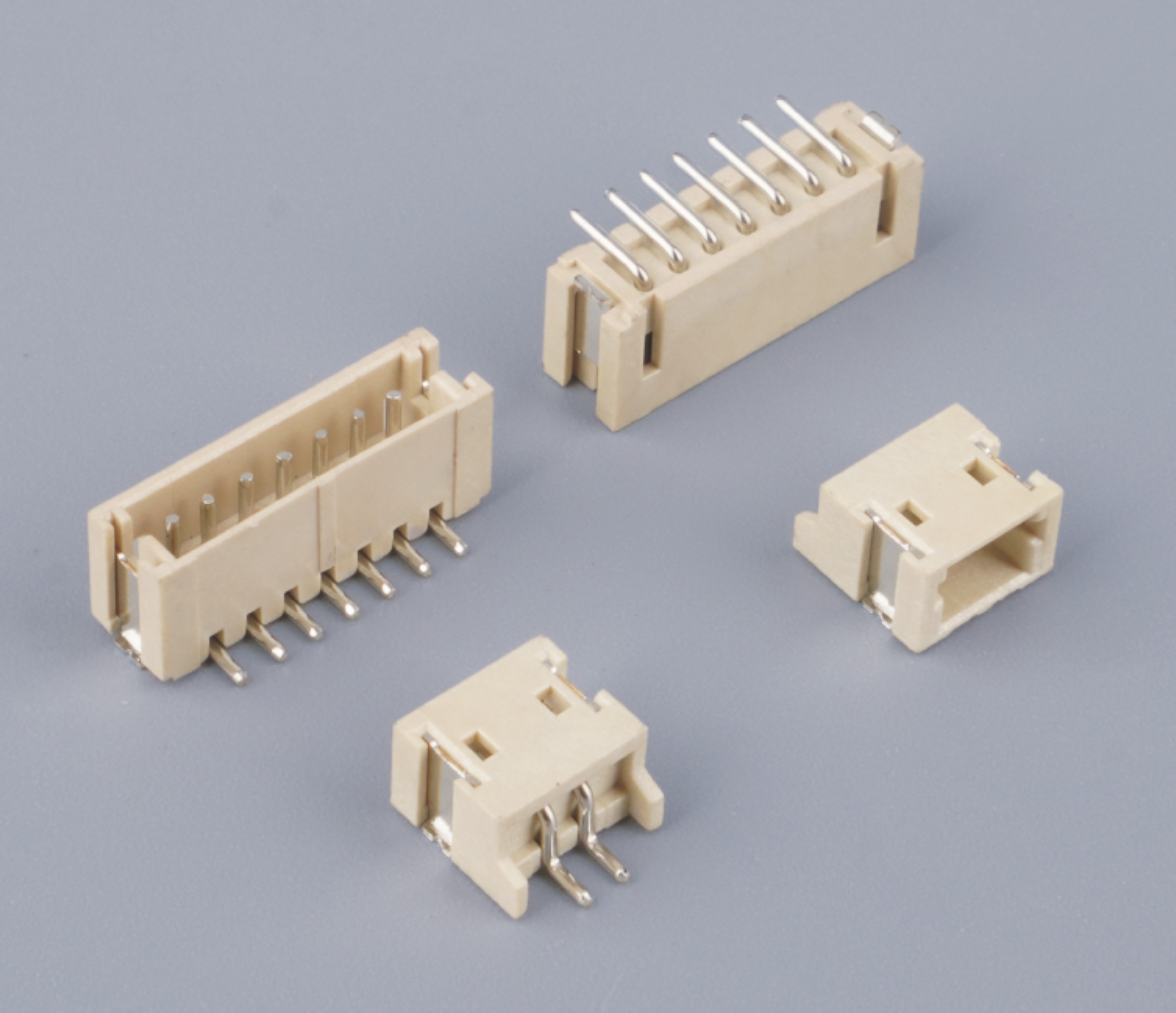
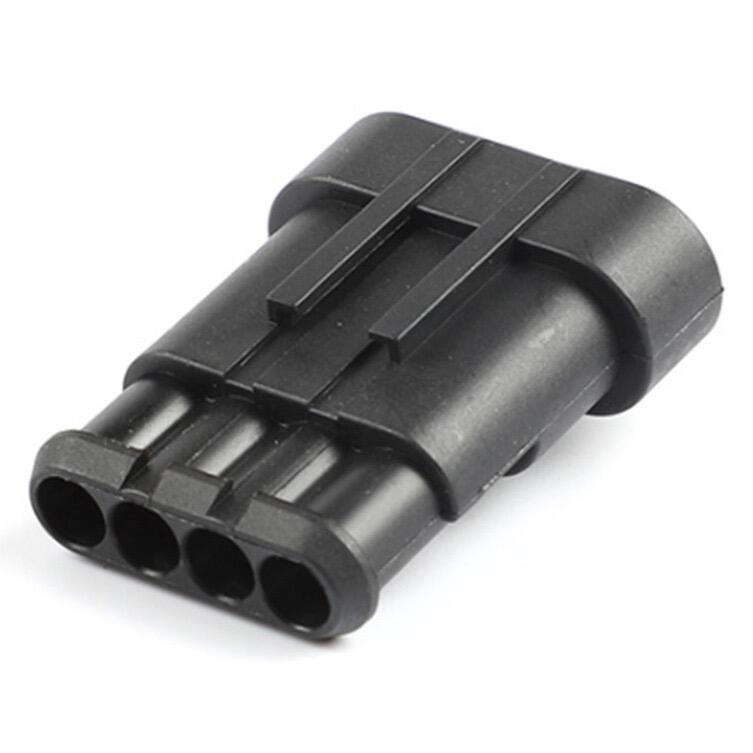
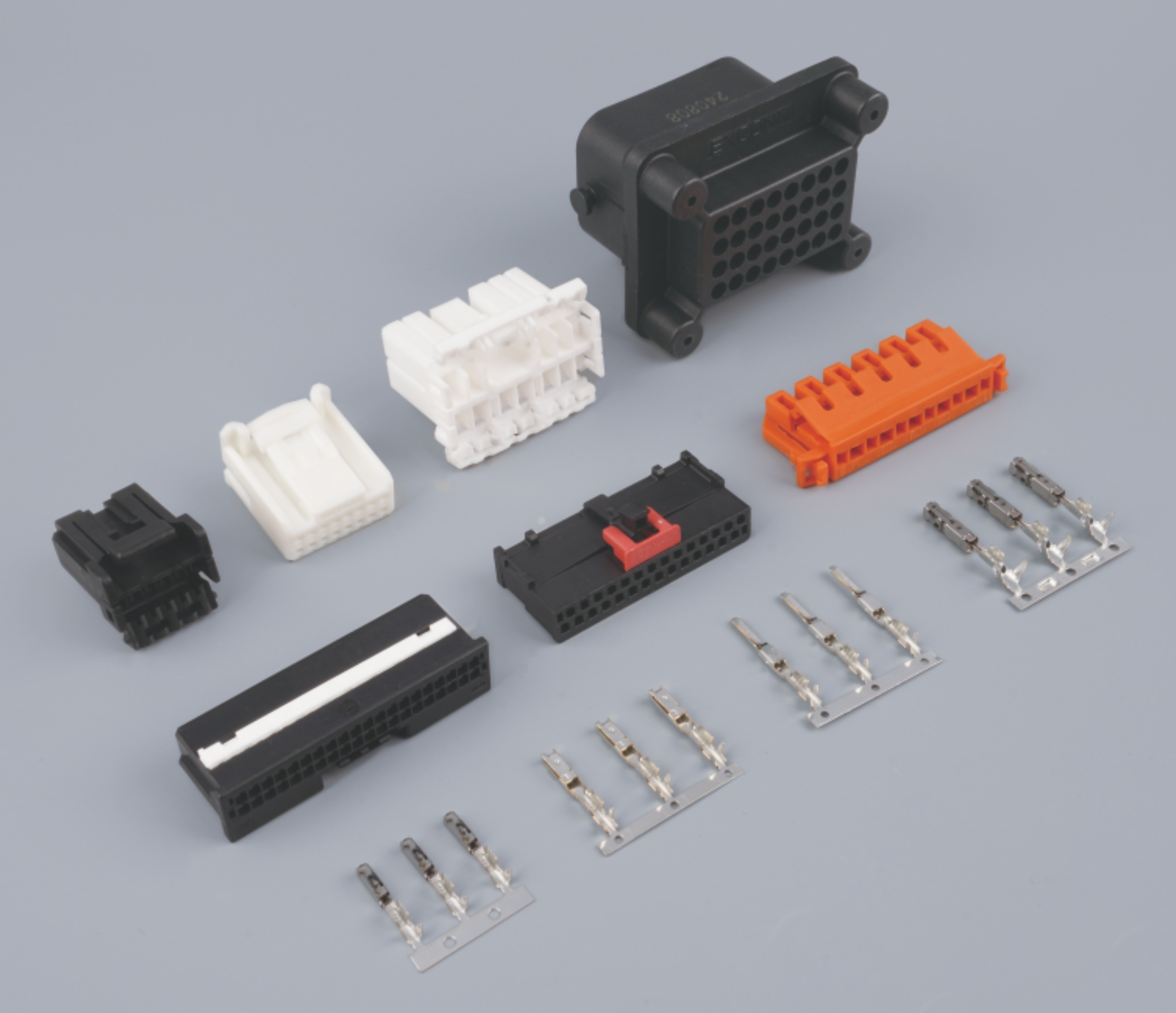
Automotive connectors serve as crucial components in modern vehicles, facilitating electrical and signal connections between various automotive systems. These specialized connectors are engineered to withstand harsh conditions including extreme temperatures, vibration, moisture, and chemical exposure. The main types include terminal connectors, wire-to-wire connectors, wire-to-board connectors, and high-voltage connectors for electric vehicles. Each type is designed with specific features such as waterproof sealing, EMI shielding, and secure locking mechanisms to ensure reliable performance. Terminal connectors are used for battery connections and ground points, while wire-to-wire connectors enable modular assembly and maintenance. Wire-to-board connectors facilitate connections between wire harnesses and electronic control units. High-voltage connectors, essential in electric and hybrid vehicles, incorporate advanced safety features including touch-proof design and high-current capacity. These connectors comply with automotive industry standards such as USCAR, JASO, and ISO specifications, ensuring compatibility and reliability across different vehicle platforms. Modern automotive connectors also feature smart diagnostics capabilities, allowing for real-time monitoring of connection status and potential issues.

 EN
EN