High-Performance Wire-to-Board Connectors: Advanced Solutions for Reliable Electronic Connections

Get a Free Quote

Our representative will contact you soon.
Email
Name
Company Name
Message
0/1000

connector wire to board

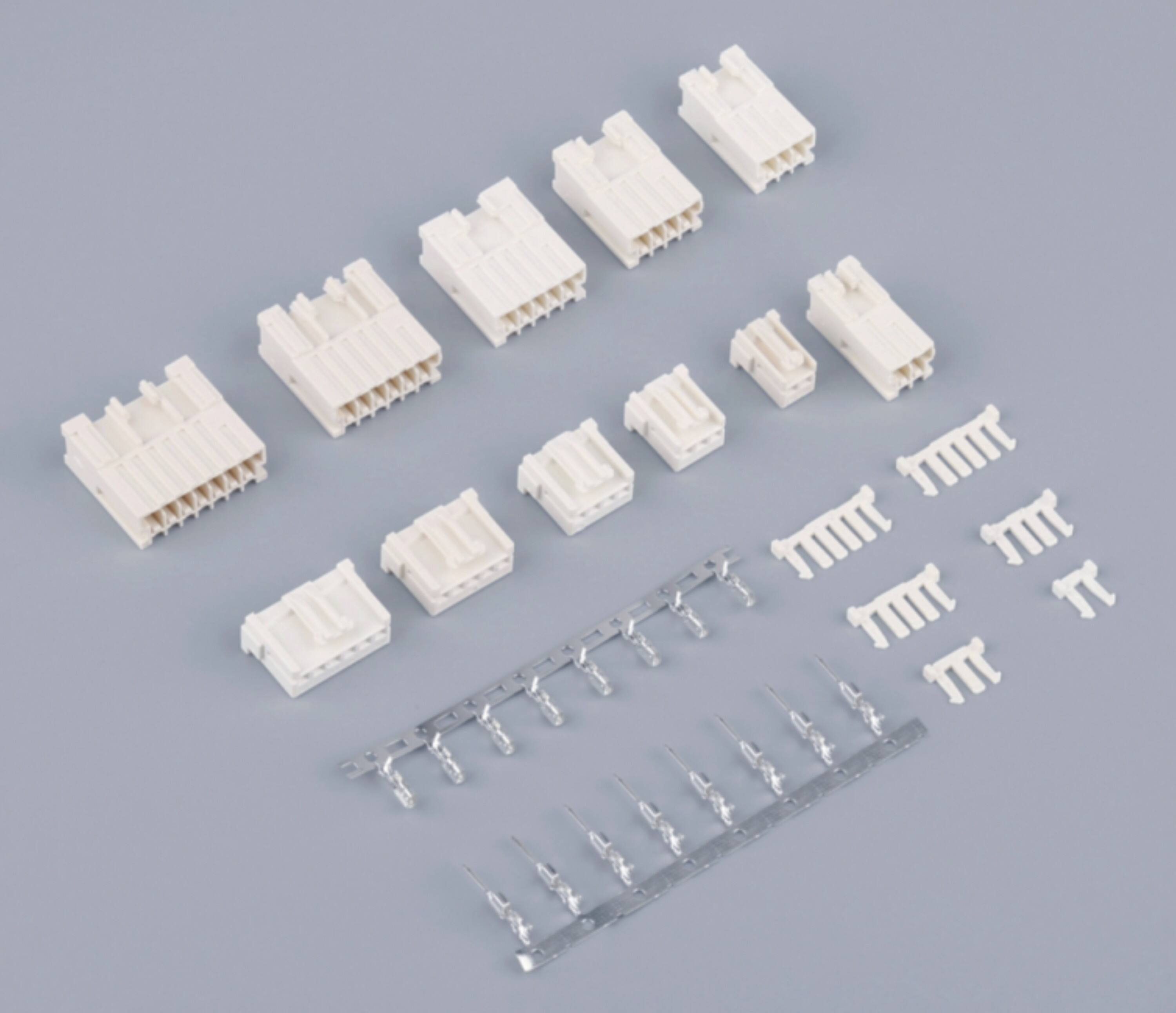
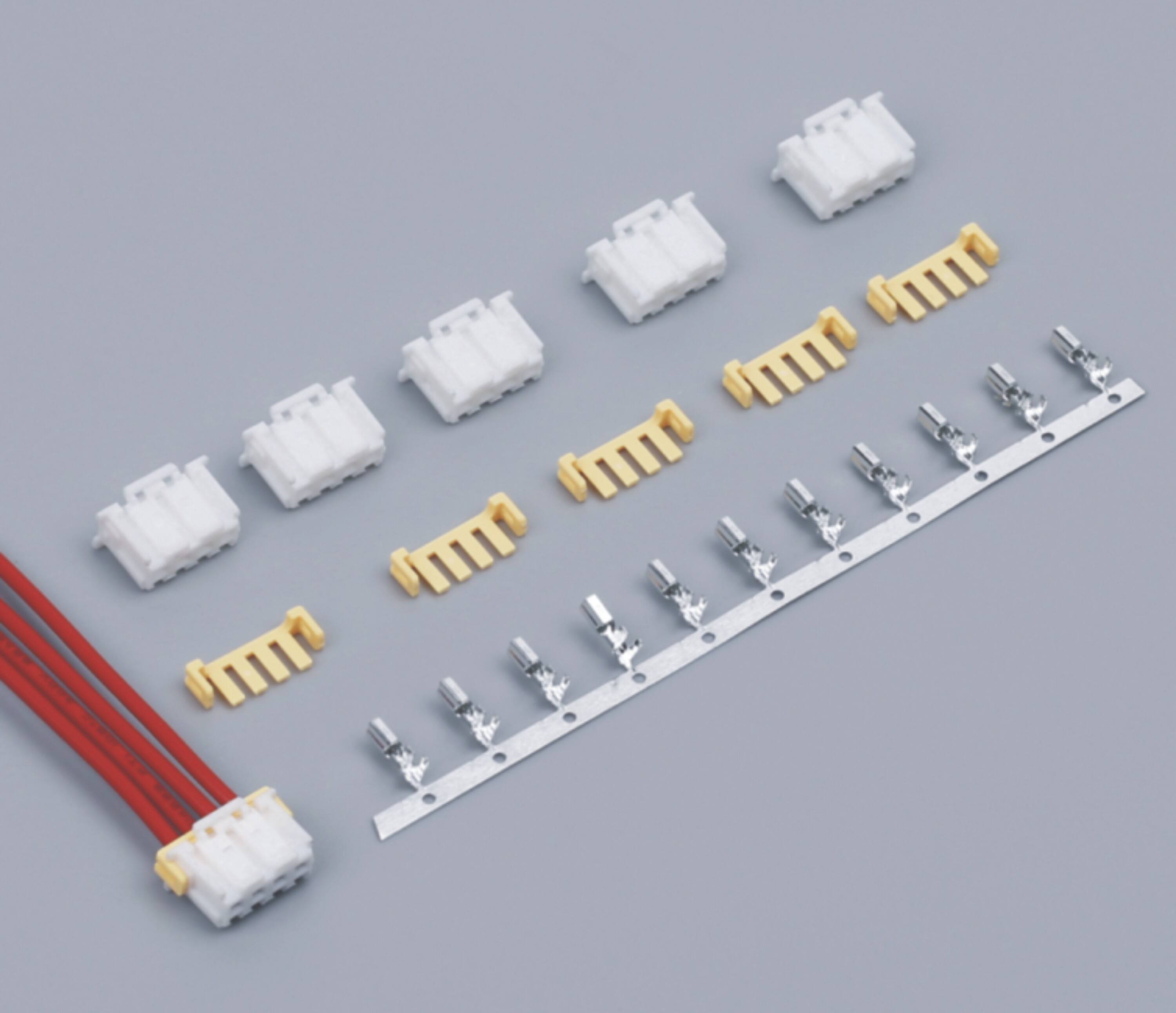
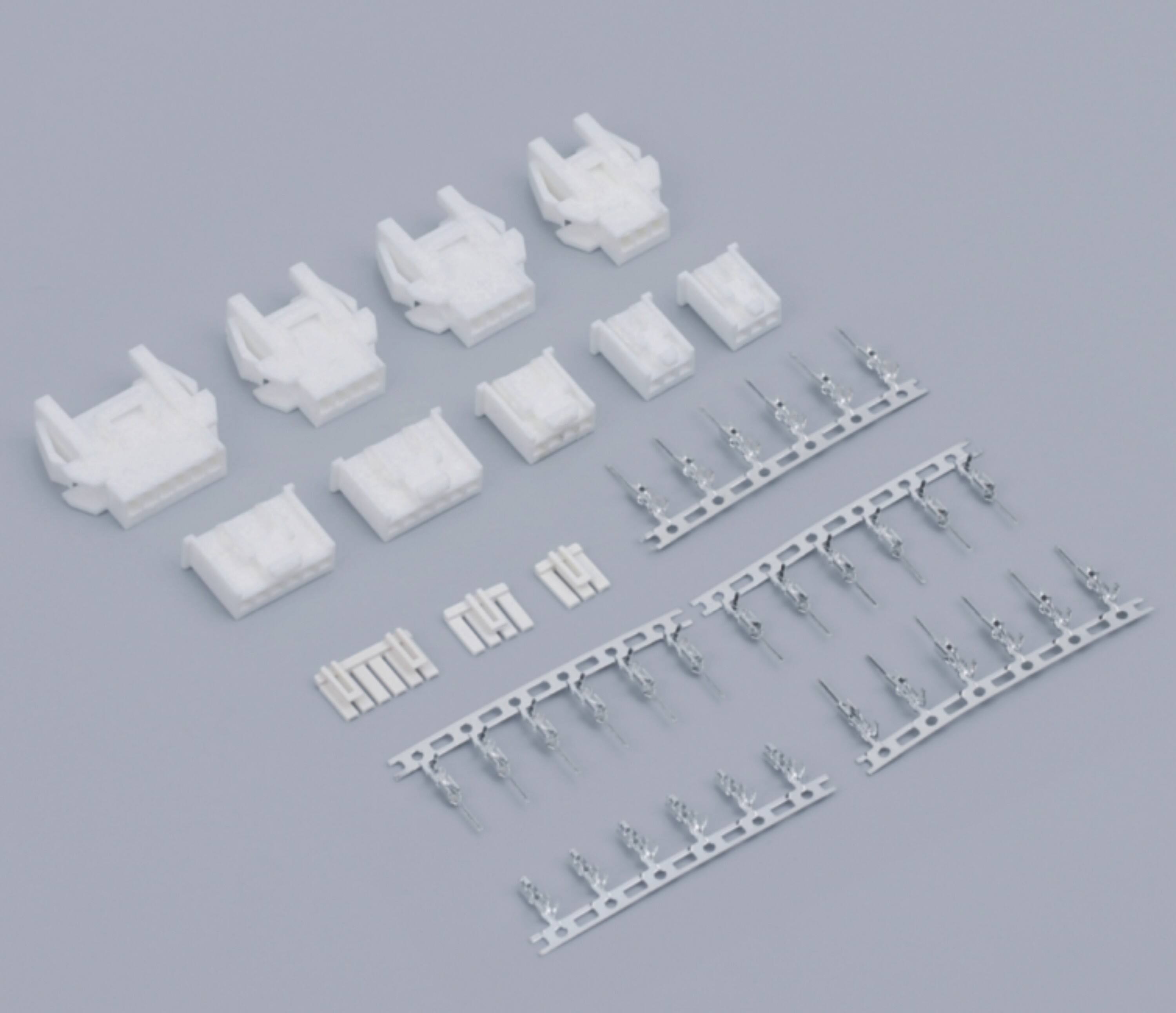
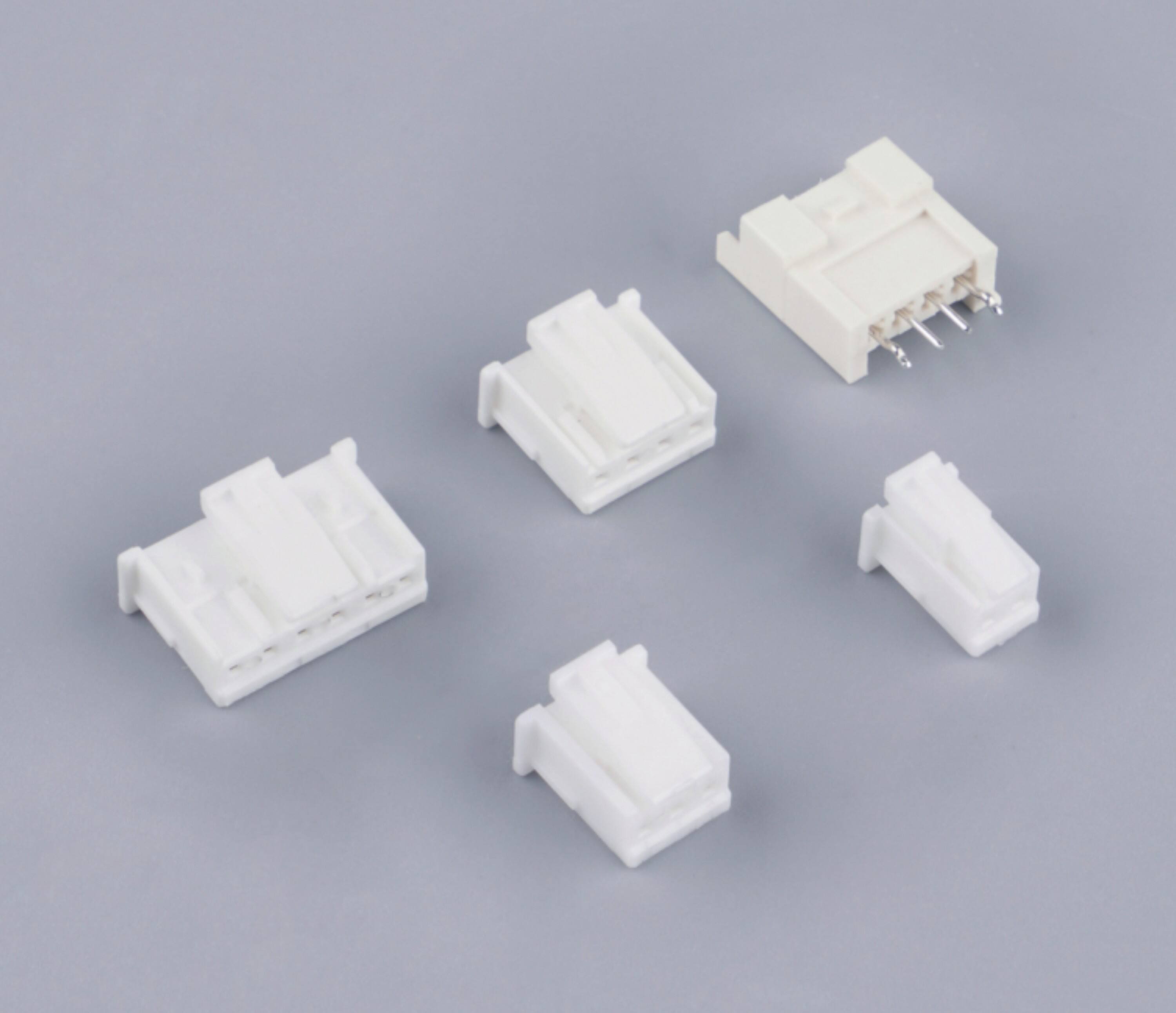
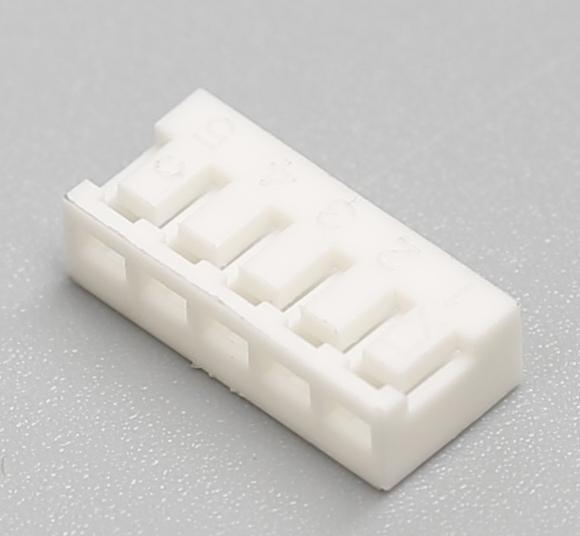
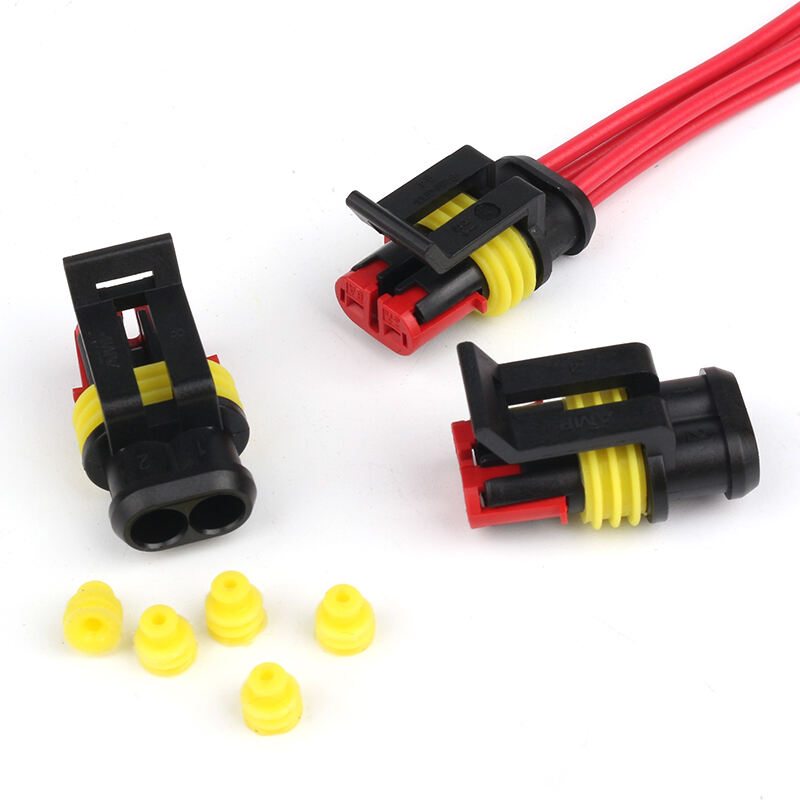
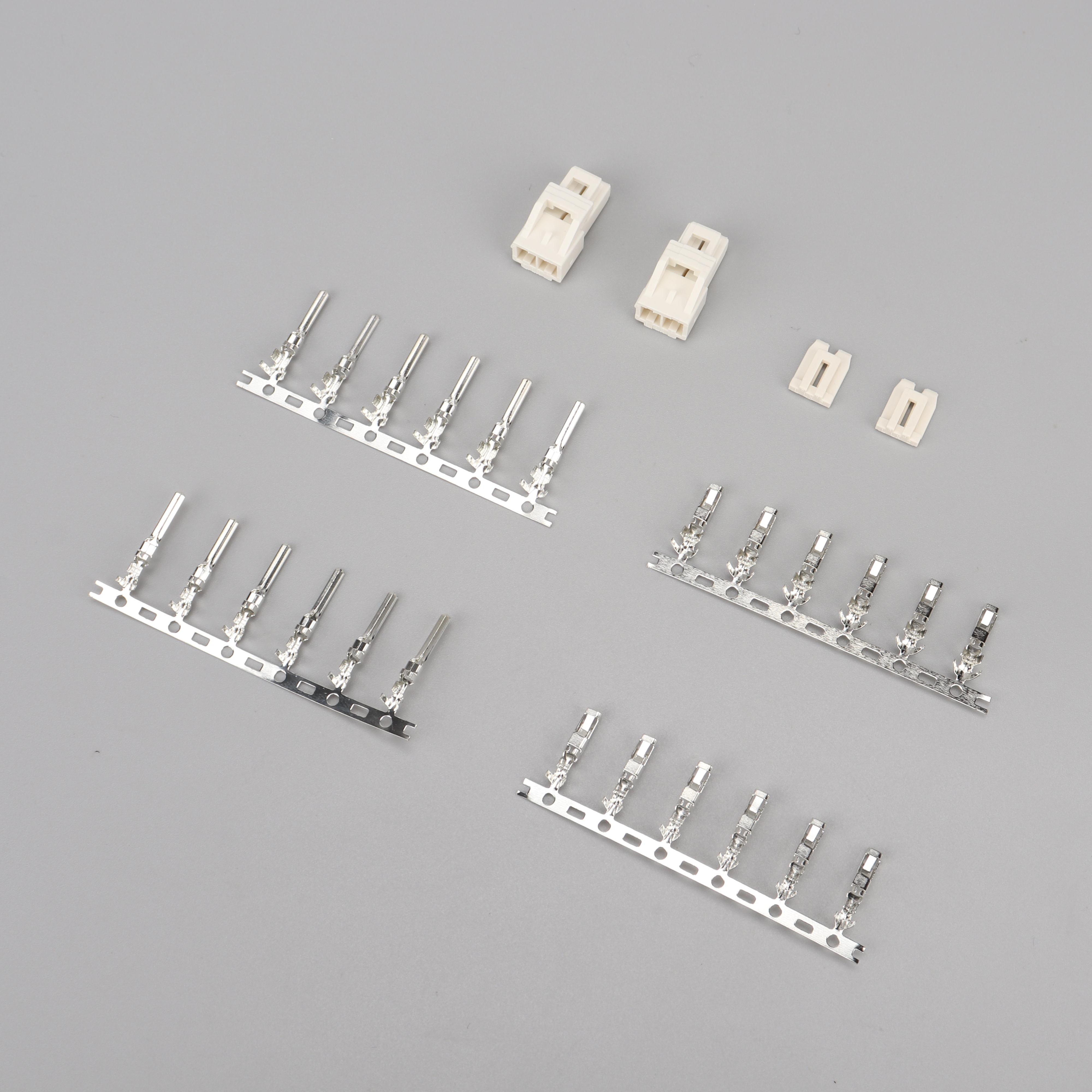
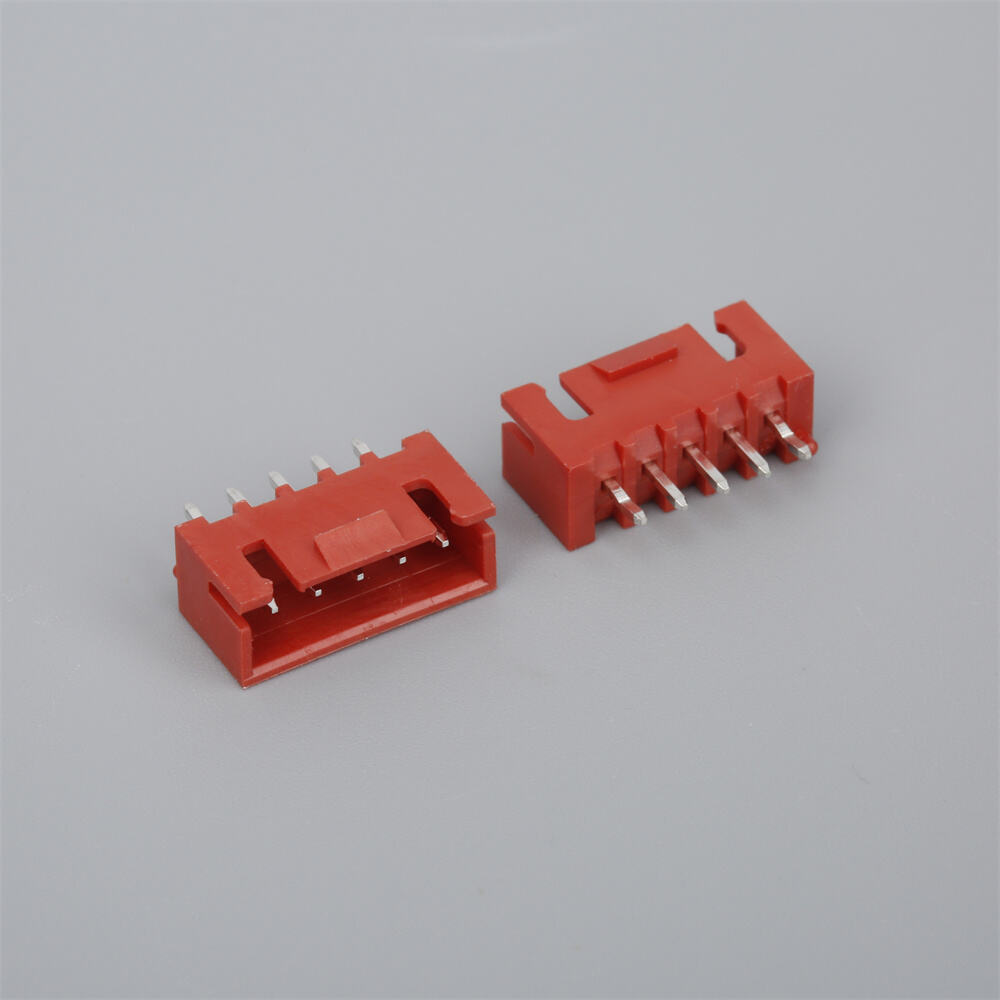
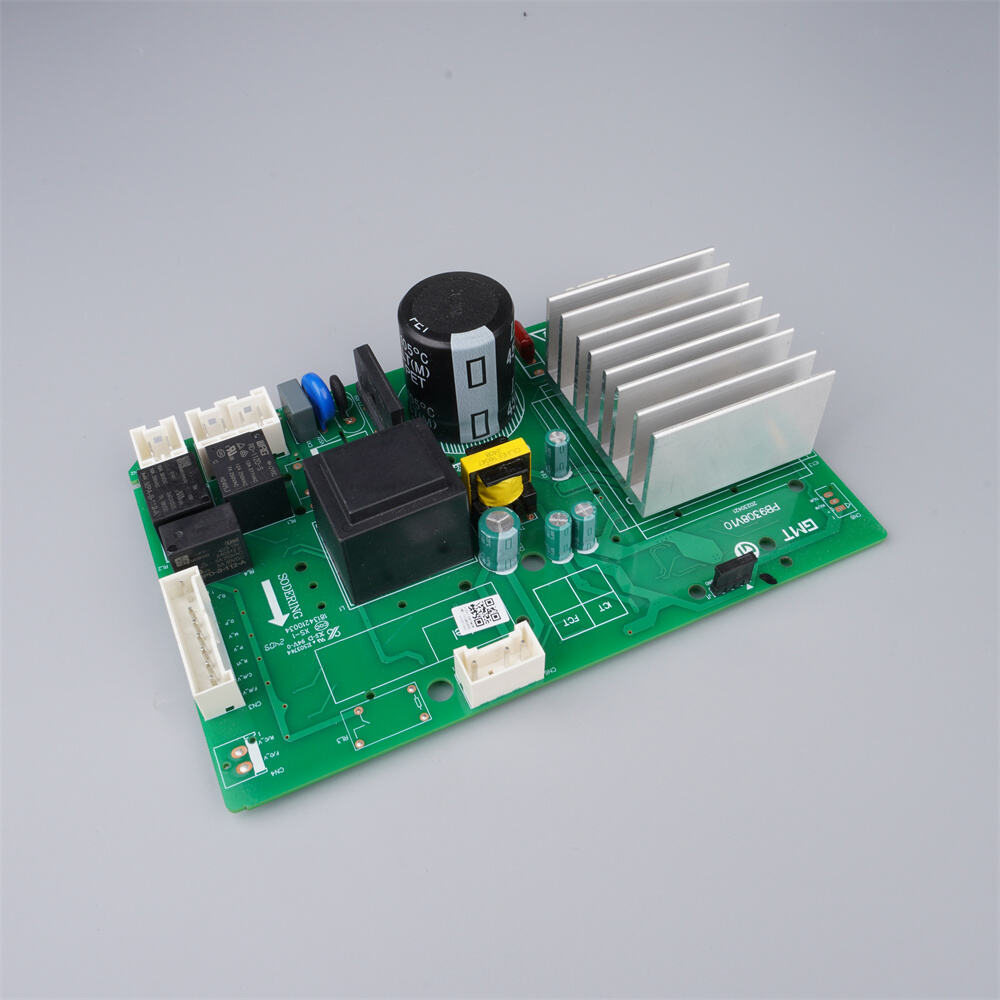
A connector wire to board is a crucial electronic component that establishes reliable electrical connections between wires and printed circuit boards (PCBs). These connectors serve as essential interfaces in electronic devices, facilitating power distribution and signal transmission. Modern wire-to-board connectors feature advanced design elements including polarization mechanisms to prevent incorrect insertion, various locking mechanisms for secure connections, and high-temperature resistance capabilities. They come in different styles such as crimp style, IDC (Insulation Displacement Connection), and spring-loaded variants, each serving specific application requirements. The connectors are engineered to maintain signal integrity while providing protection against environmental factors like vibration, moisture, and temperature variations. They support various wire gauges and can accommodate single or multiple wire connections, making them versatile for different electronic applications. These connectors are widely used in consumer electronics, automotive systems, industrial equipment, and telecommunications devices. Their design typically incorporates features for easy assembly and maintenance, reducing installation time and operational costs. The reliability of these connectors is crucial as they often serve as critical connection points in electronic systems, where failure could lead to device malfunction or system shutdown.


New Product Releases

Wire-to-board connectors offer numerous advantages that make them indispensable in modern electronic design and manufacturing. First, they provide exceptional flexibility in circuit design and assembly, allowing engineers to optimize board layouts and space utilization. The modular nature of these connectors enables easy maintenance and component replacement without the need for soldering, significantly reducing maintenance time and costs. They also offer superior mechanical stability through various locking mechanisms, ensuring connections remain secure even in high-vibration environments. The connectors feature built-in strain relief mechanisms that protect both the wire and the board from mechanical stress, extending the overall lifespan of the connection. Another significant advantage is their ability to support high-speed data transmission while maintaining signal integrity, crucial for modern electronic devices. The standardized design of these connectors ensures compatibility across different manufacturers, providing flexibility in sourcing and procurement. They also offer excellent electrical performance with low contact resistance and high current-carrying capacity. The connectors typically feature polarized housing designs that prevent incorrect insertion, reducing the risk of damage during assembly. Many modern wire-to-board connectors also incorporate environmental sealing features, making them suitable for use in harsh conditions. The tool-less assembly options available in many models speed up the manufacturing process and reduce labor costs. Additionally, these connectors often come with various mounting options, providing flexibility in installation and making them suitable for diverse applications.

Practical Tips

Wire Connectors: How to Choose Between Different Types and Materials?

29

Sep

Wire Connectors: How to Choose Between Different Types and Materials?

Understanding the Critical Role of Wire Connectors in Electrical Systems Wire connectors serve as the foundational elements of any electrical system, ensuring safe and reliable connections between conductors. These essential components come in variou...
View More
What Are the Applications of Automotive Connectors in EV Development?

29

Sep

What Are the Applications of Automotive Connectors in EV Development?

The Evolution of Electrical Systems in Modern Electric Vehicles The automotive industry is witnessing an unprecedented transformation with the rise of electric vehicles (EVs), and at the heart of this revolution lies a critical component - automotive...
View More
What Makes Electrical Connectors Vital in Computers and Smart Devices?

29

Sep

What Makes Electrical Connectors Vital in Computers and Smart Devices?

The Essential Role of Connection Systems in Modern Electronics In today's digital age, electrical connectors serve as the unsung heroes of our technological world. These seemingly simple components form the backbone of all electronic devices, enablin...
View More
How to Choose Cable Terminals for Maximum Conductivity and Strength?

29

Sep

How to Choose Cable Terminals for Maximum Conductivity and Strength?

Essential Guide to Cable Terminal Selection and Performance Cable terminals serve as critical connection points in electrical systems, playing a vital role in ensuring reliable power transmission and signal integrity. Selecting the right cable termin...
View More

Get a Free Quote

Our representative will contact you soon.
Email
Name
Company Name
Message
0/1000

connector wire to board

Enhanced Durability and Reliability

Enhanced Durability and Reliability

Wire-to-board connectors are engineered with exceptional durability features that ensure long-term reliability in demanding applications. The connectors undergo rigorous testing for mechanical strength, including pull-out resistance and insertion force consistency. High-grade materials used in their construction, such as phosphor bronze contacts with gold plating, provide excellent conductivity while resisting corrosion and wear. The housing materials are typically made from high-temperature resistant thermoplastics that maintain structural integrity even under extreme conditions. These connectors often incorporate dual-point contact designs that ensure consistent electrical connection even under vibration or thermal cycling. The contact design typically includes features that prevent fretting corrosion, a common issue in electronic connections subject to micro-movement. Advanced plating technologies used in these connectors provide protection against oxidation and environmental factors, ensuring stable electrical performance throughout the product lifecycle.
Versatile Design and Application Flexibility

Versatile Design and Application Flexibility

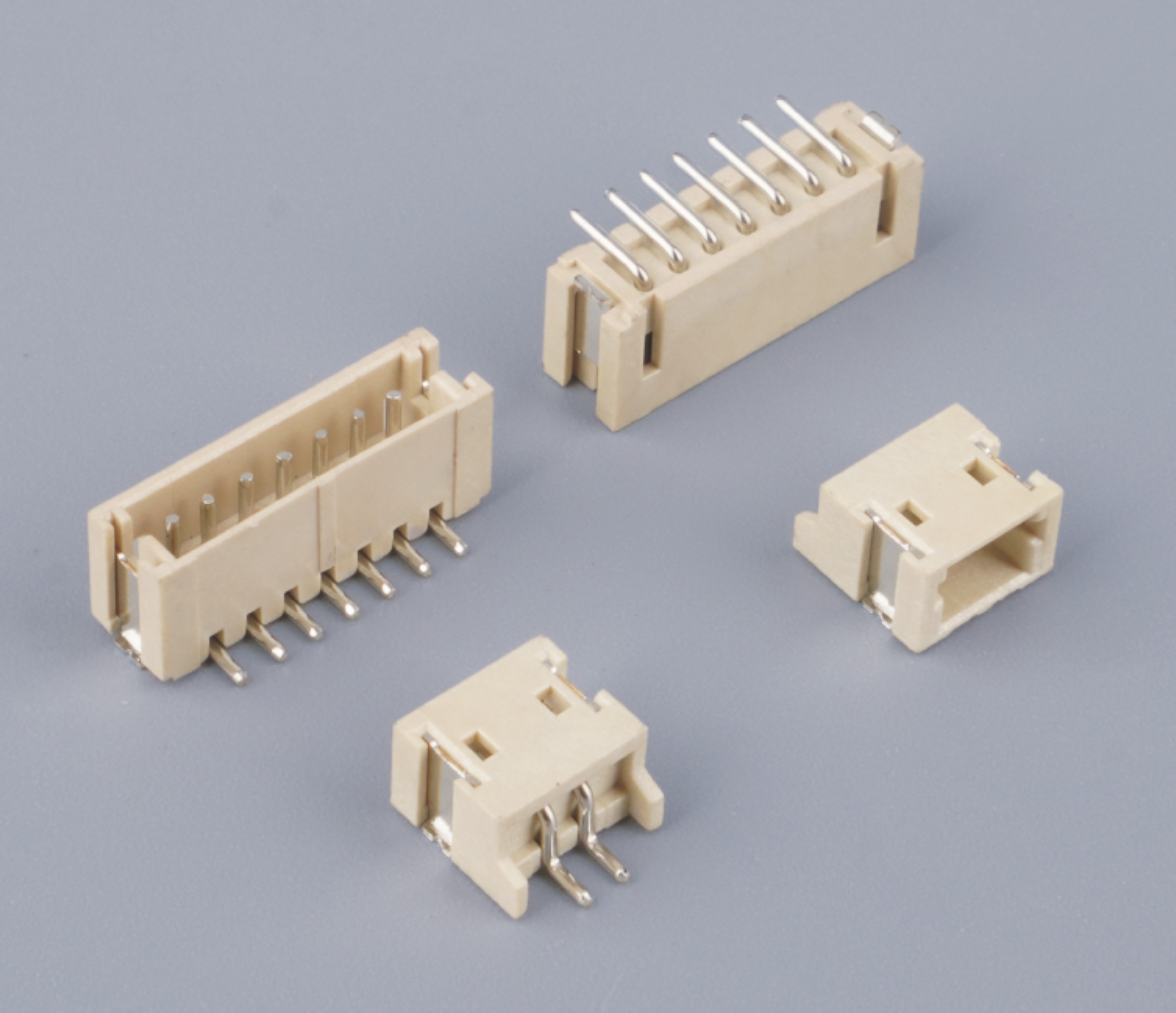
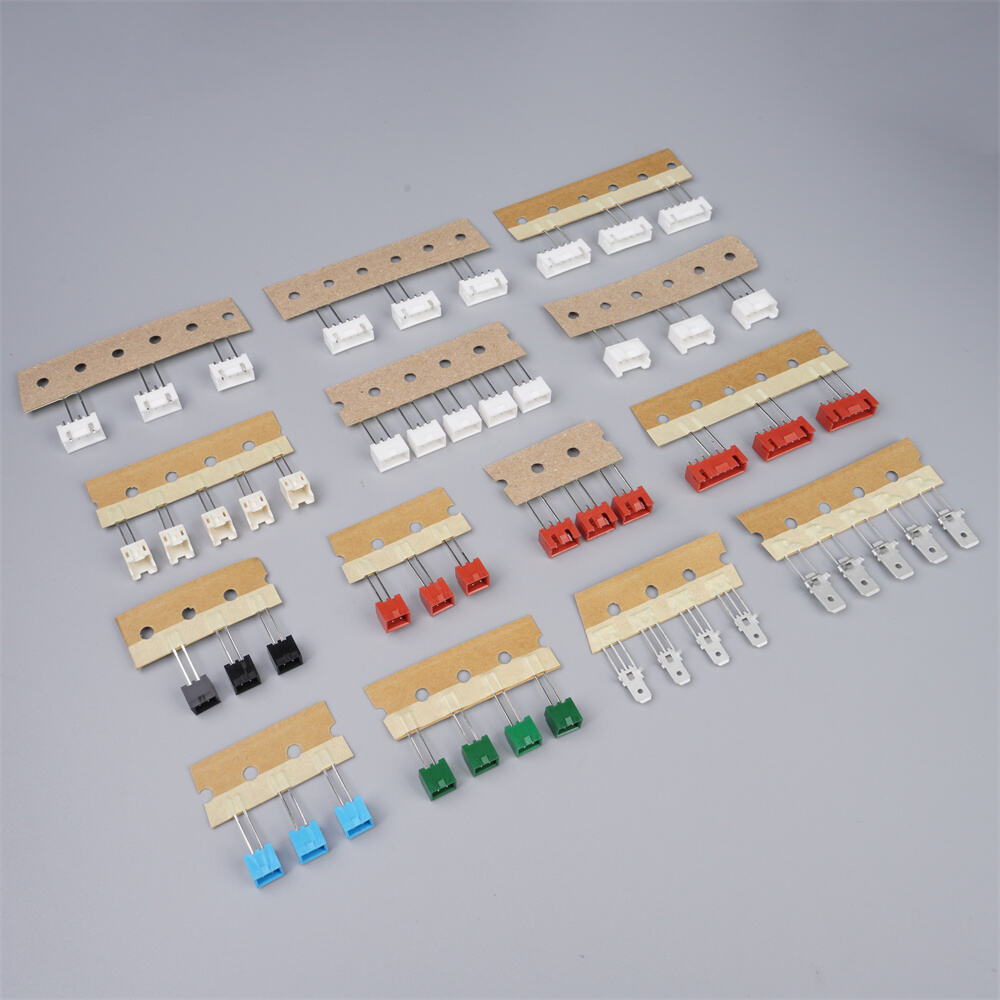
The versatility of wire-to-board connectors is demonstrated through their adaptable design features that cater to various application requirements. These connectors support multiple wire gauges and types, from fine-pitch signal wires to power cables, making them suitable for diverse electronic systems. The availability of different mounting styles, including surface mount, through-hole, and press-fit options, provides flexibility in PCB design and assembly methods. Many models feature modular designs that allow for customization of pin counts and configurations, enabling designers to optimize space utilization and circuit layout. The connectors often include coding features that ensure proper mating orientation and prevent cross-connection in multi-connector systems. Their compact form factor and efficient design allow for high-density applications while maintaining proper spacing for thermal management and signal integrity.
Advanced Safety and Protection Features

Advanced Safety and Protection Features

Wire-to-board connectors incorporate sophisticated safety features that protect both the connection and the overall electronic system. The design typically includes polarization keys that prevent incorrect mating, reducing the risk of damage to components and ensuring proper circuit function. Many models feature first-mate-last-break contacts for applications requiring specific power-up sequences or ground connections. The connectors often include built-in strain relief mechanisms that protect the wire termination from mechanical stress, preventing wire breakage and maintaining connection reliability. Advanced models may incorporate ESD protection features to safeguard sensitive electronic components. The housing design typically includes protective shrouds that prevent accidental contact with live terminals and provide additional mechanical protection. These safety features are particularly important in applications where reliability and protection are critical, such as medical devices or automotive systems.

Get a Free Quote

Our representative will contact you soon.
Email
Name
Company Name
Message
0/1000
email goToTop