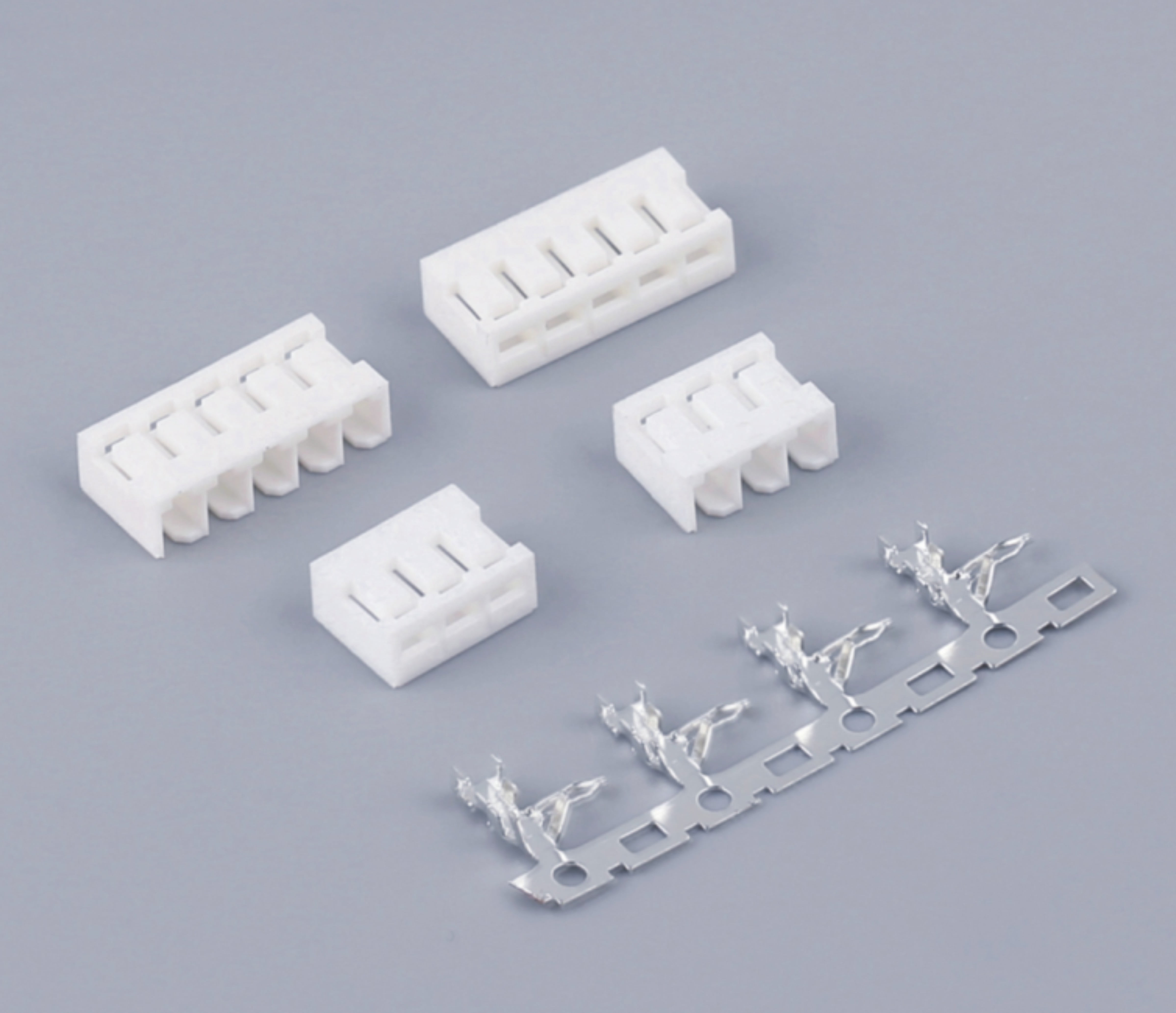
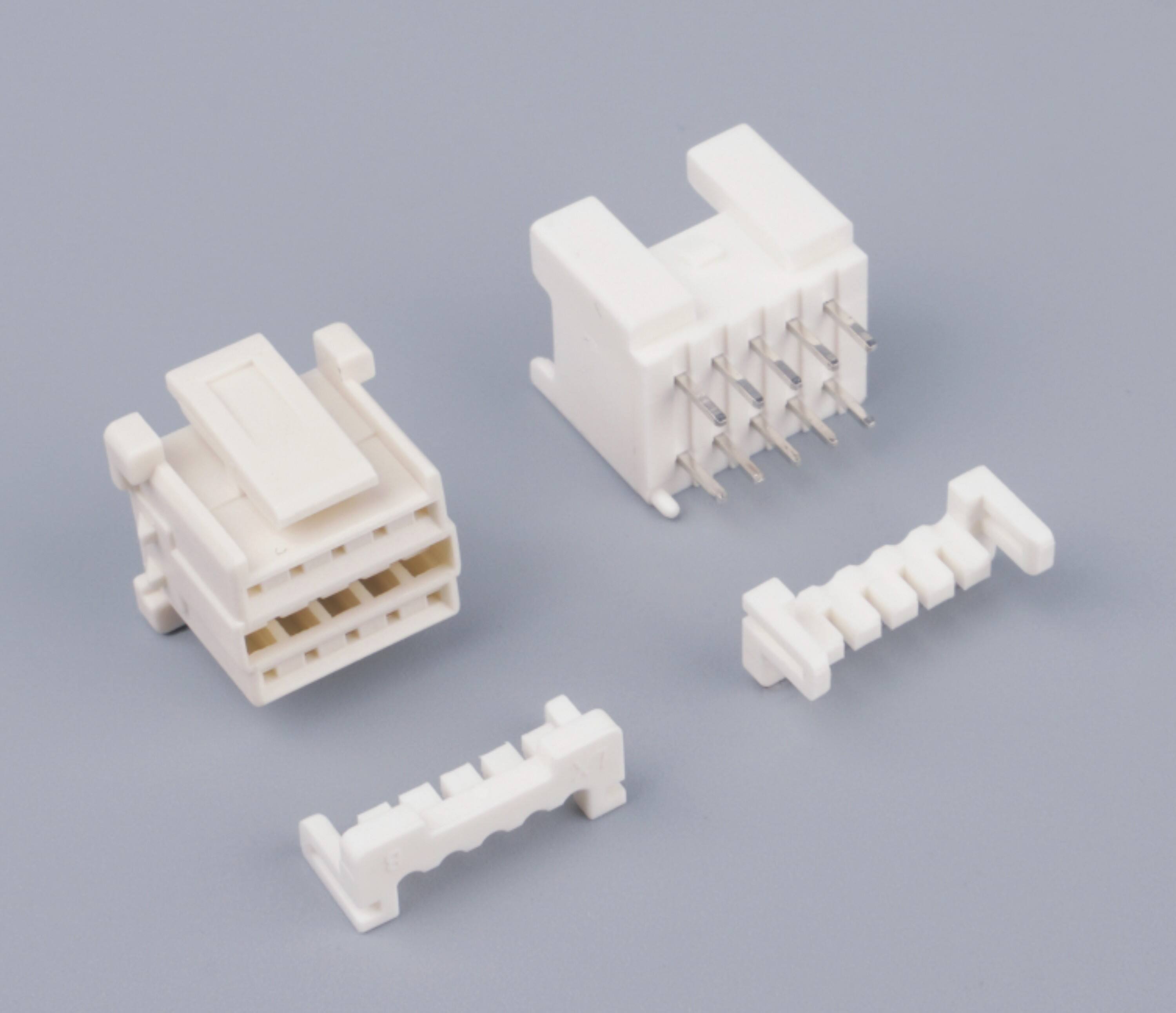
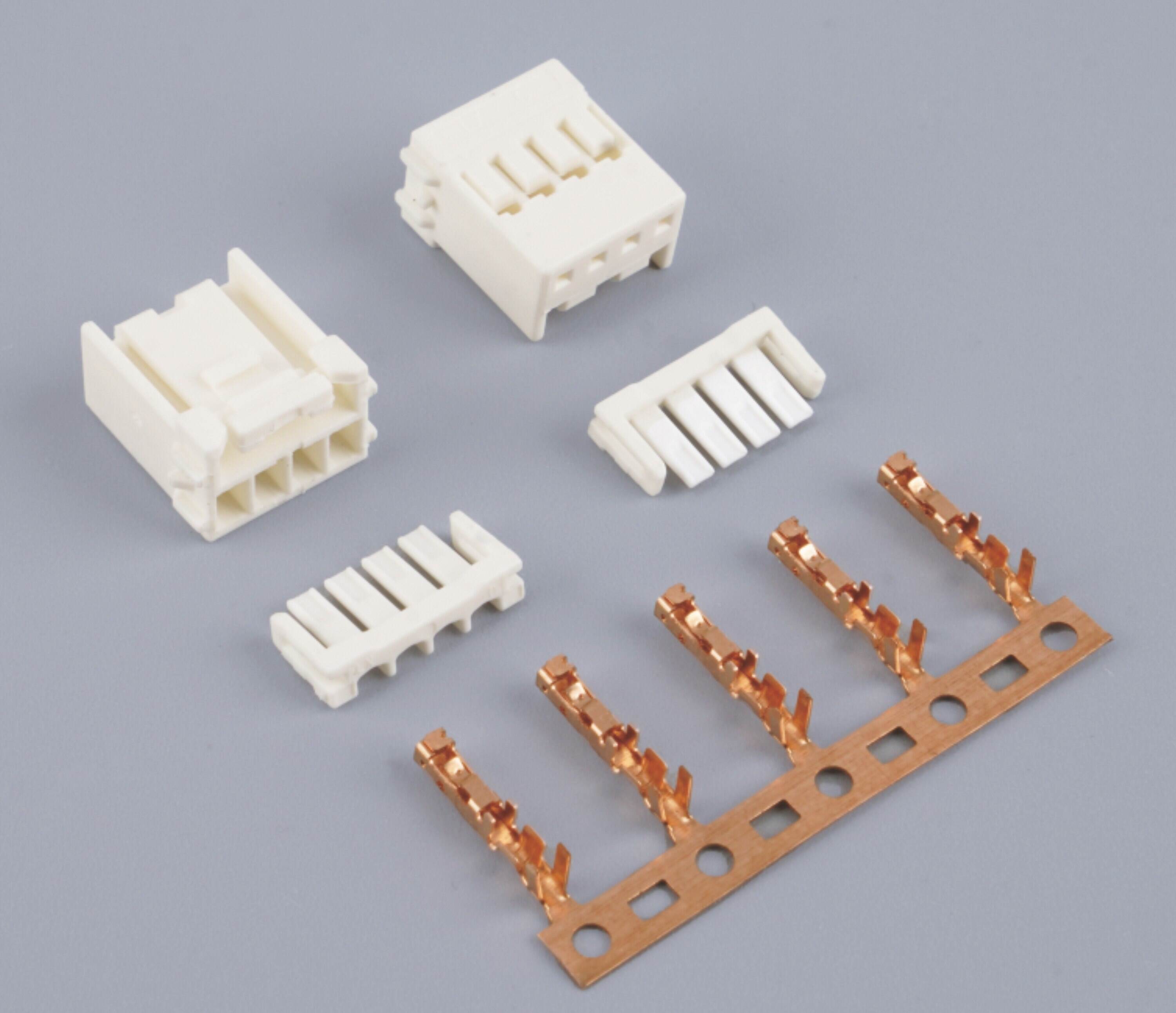
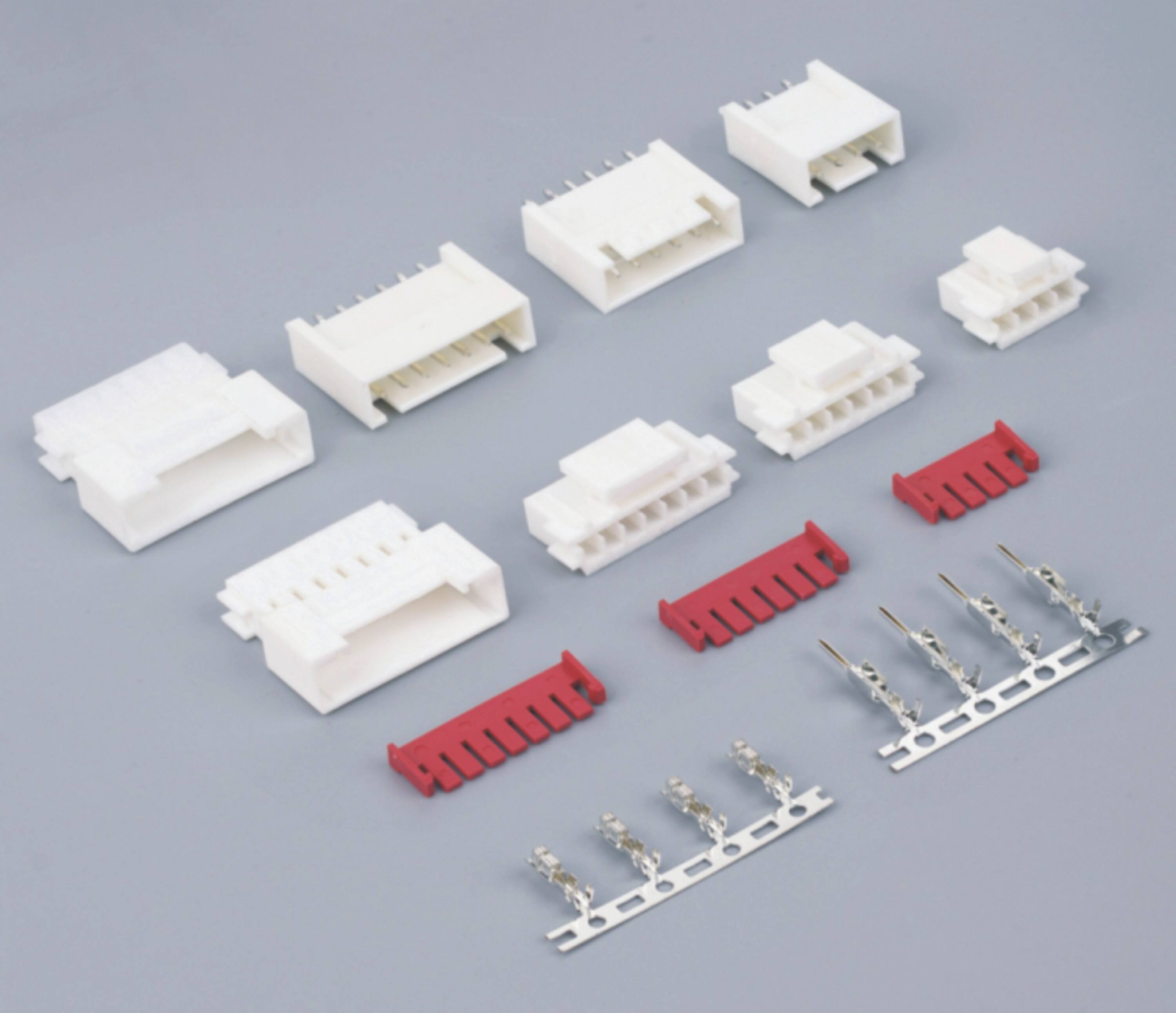
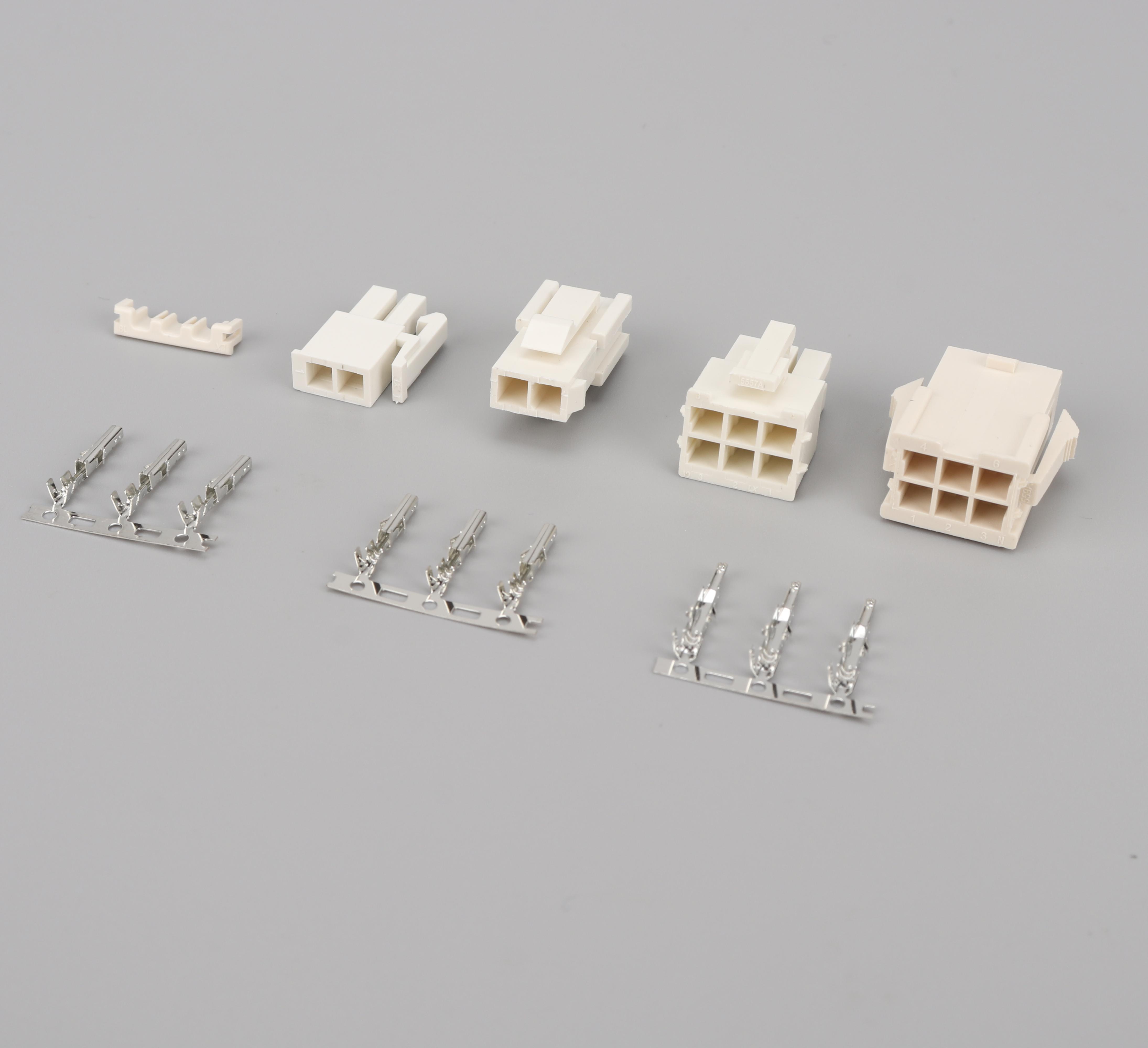
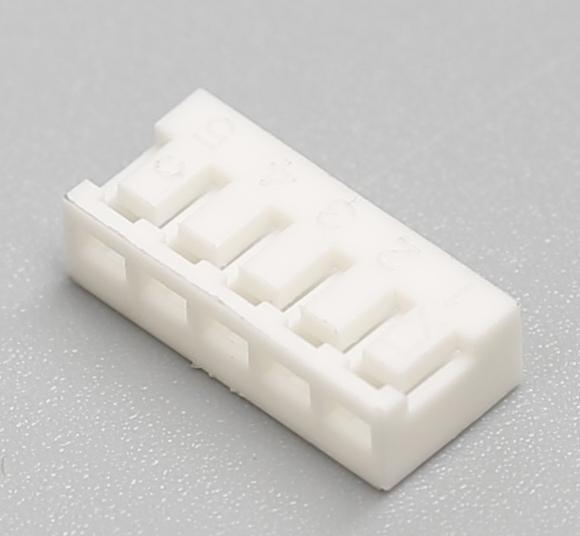
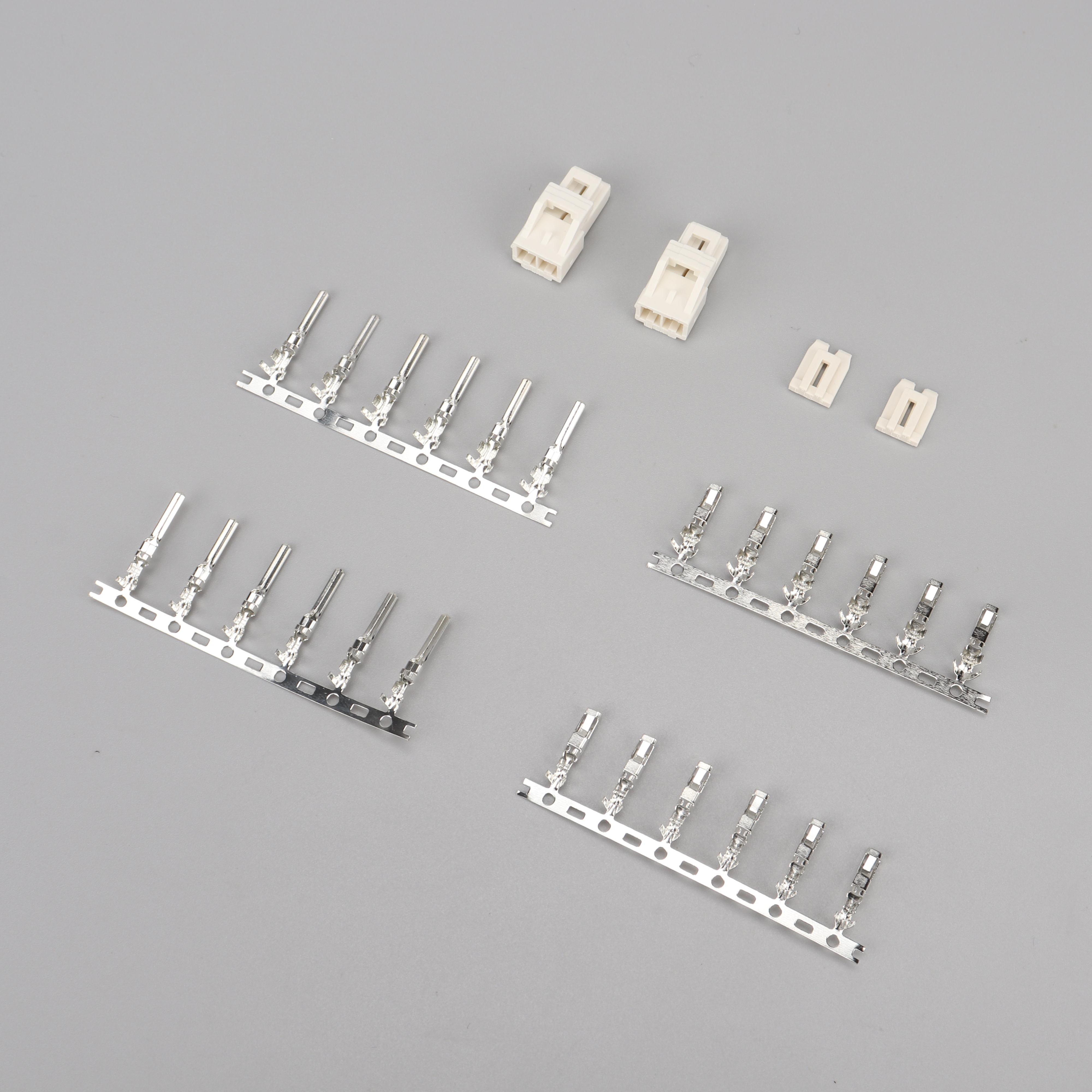
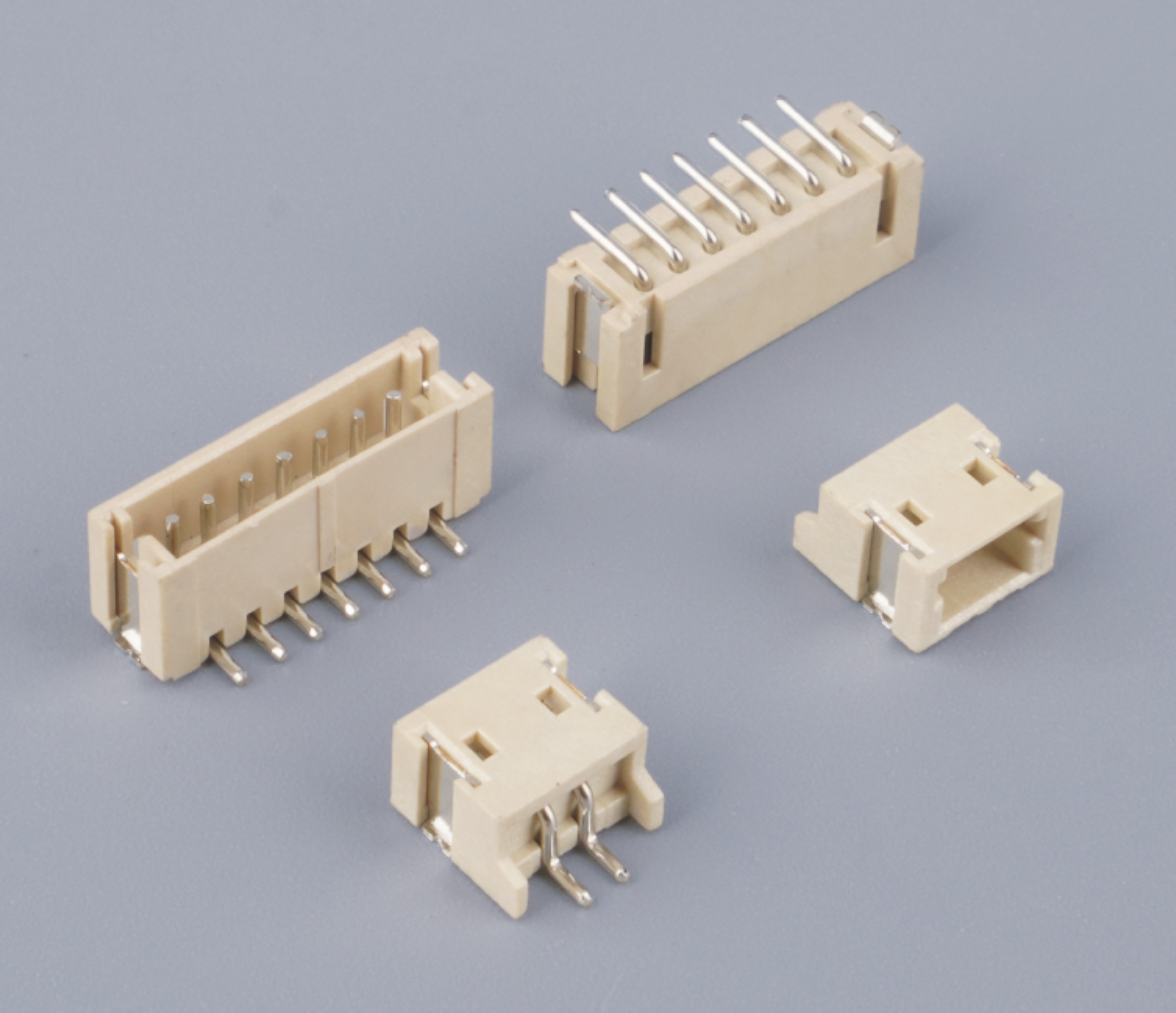
board to wire connector
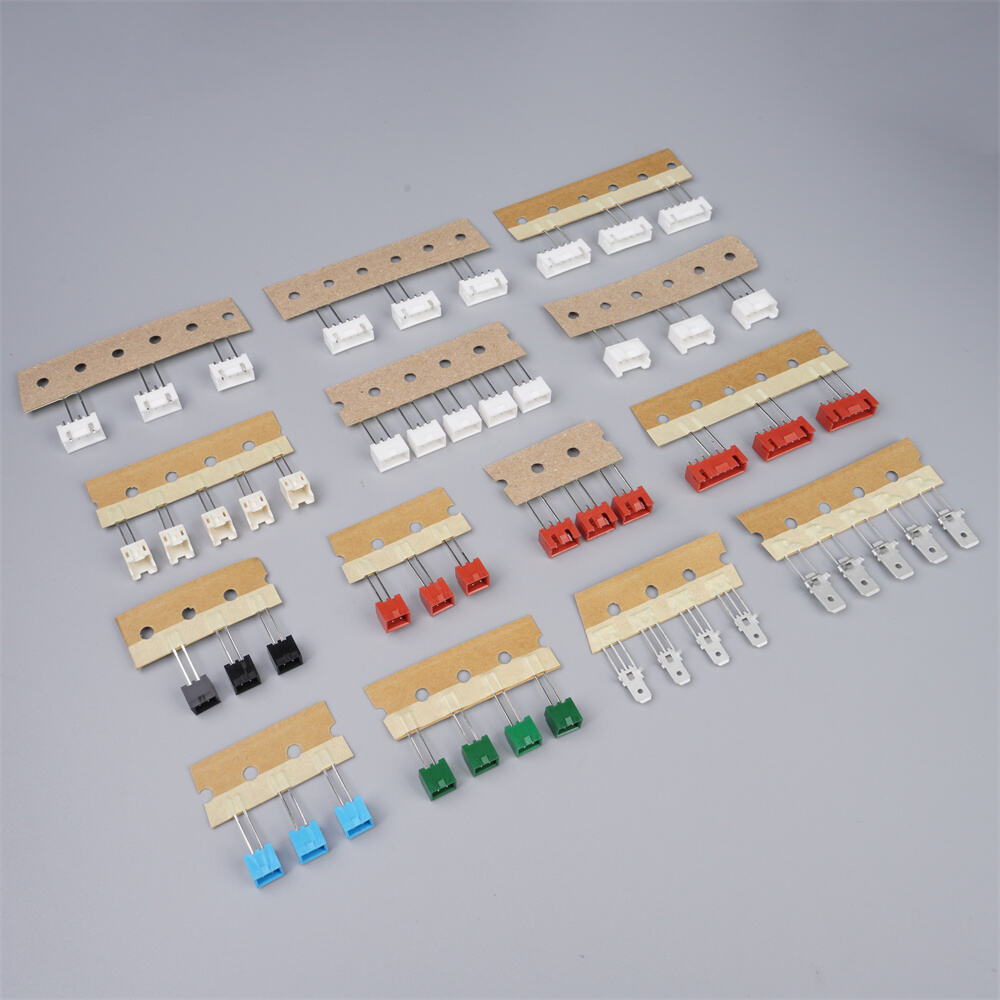
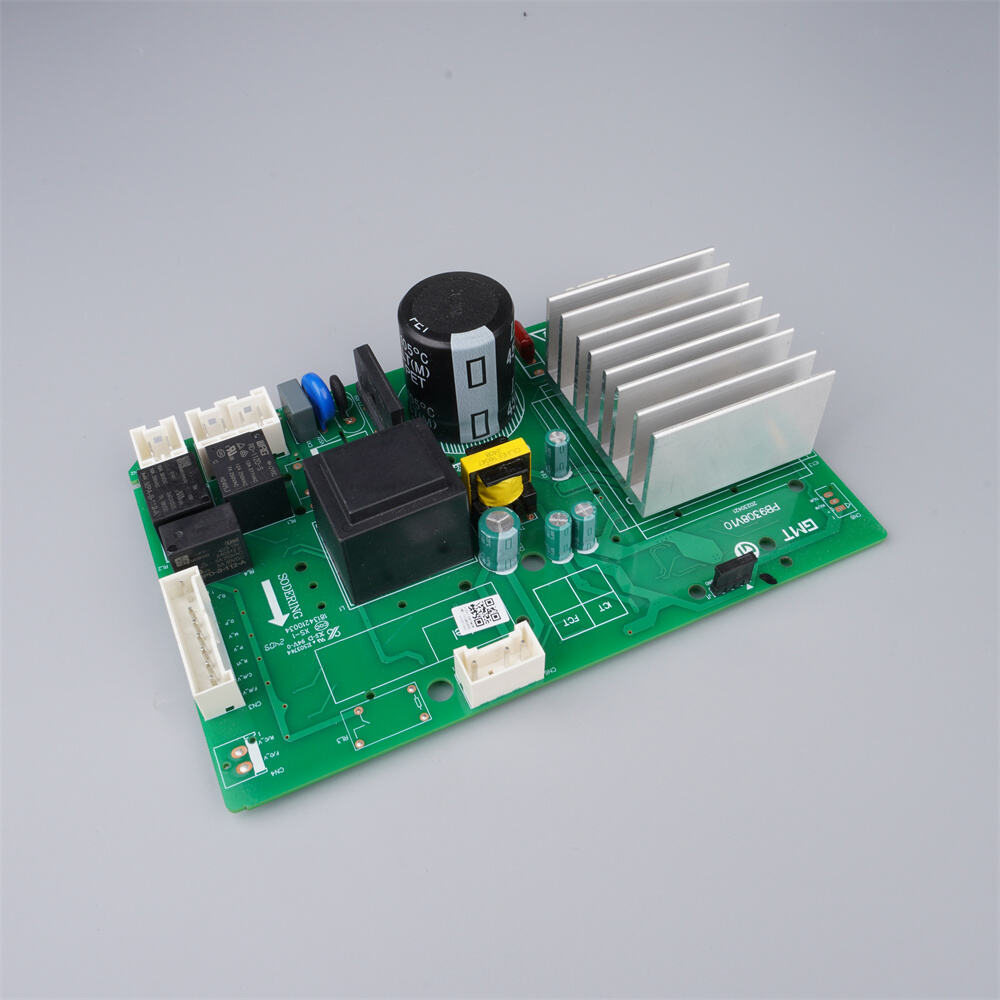
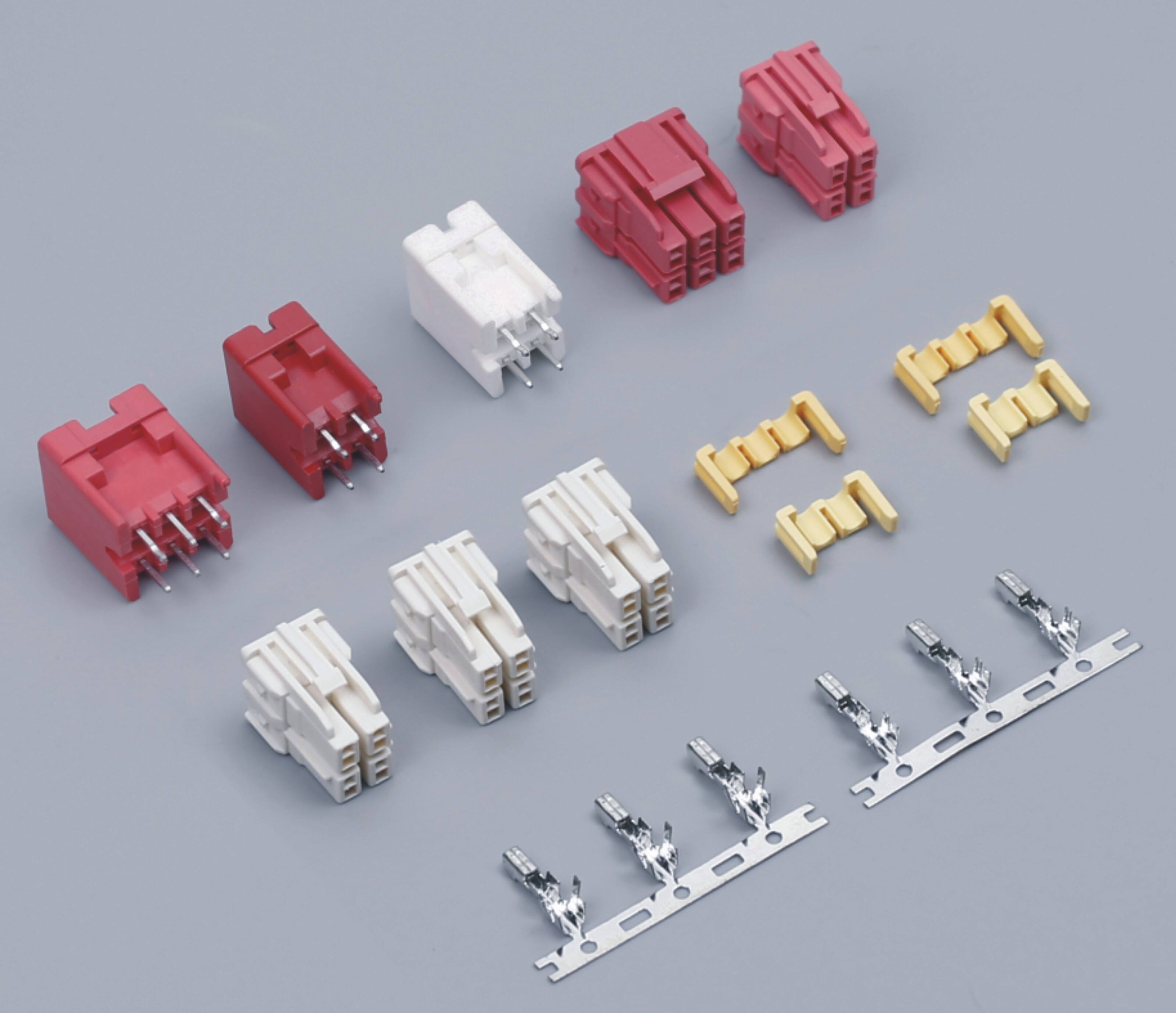
A board to wire connector serves as a crucial interface component in electronic systems, providing a reliable method to connect loose wires directly to printed circuit boards (PCBs). This versatile connector system consists of a housing mechanism, contact terminals, and securing features that ensure stable electrical connections. The design typically incorporates polarized housings to prevent incorrect insertion and offers various locking mechanisms to maintain connection integrity even in high-vibration environments. These connectors support different wire gauges and can accommodate single or multiple wire connections, making them ideal for various applications. Advanced models feature tool-free insertion capabilities, strain relief mechanisms, and high-temperature resistance properties. The connector's modular nature allows for easy maintenance and field serviceability, while its compact design helps optimize space utilization in electronic assemblies. Modern board to wire connectors often include features such as contact position assurance (CPA) and terminal position assurance (TPA) to enhance reliability and safety. They are engineered to meet specific industry standards for current ratings, voltage requirements, and environmental protection, making them suitable for applications ranging from consumer electronics to industrial automation systems.

 EN
EN