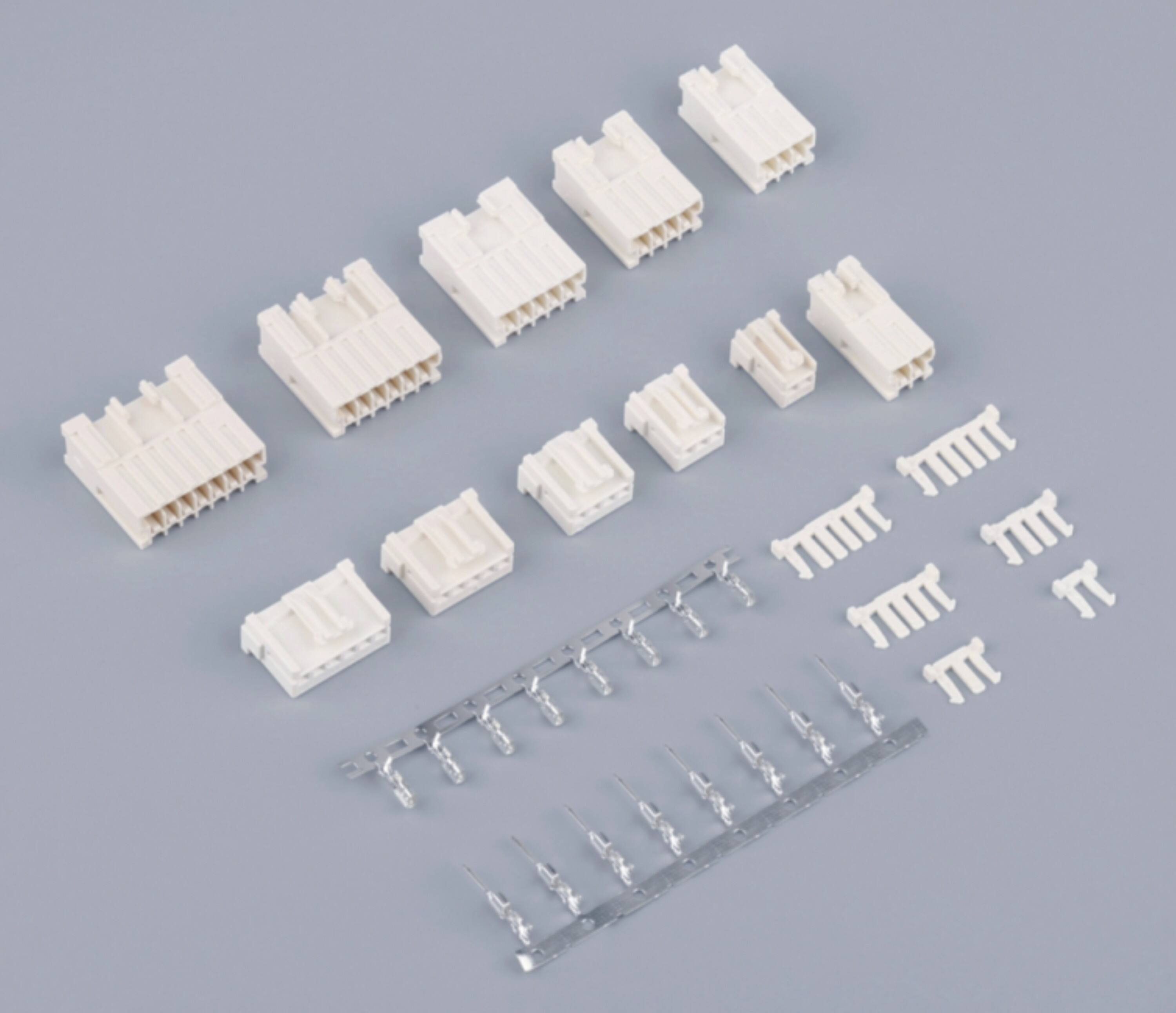
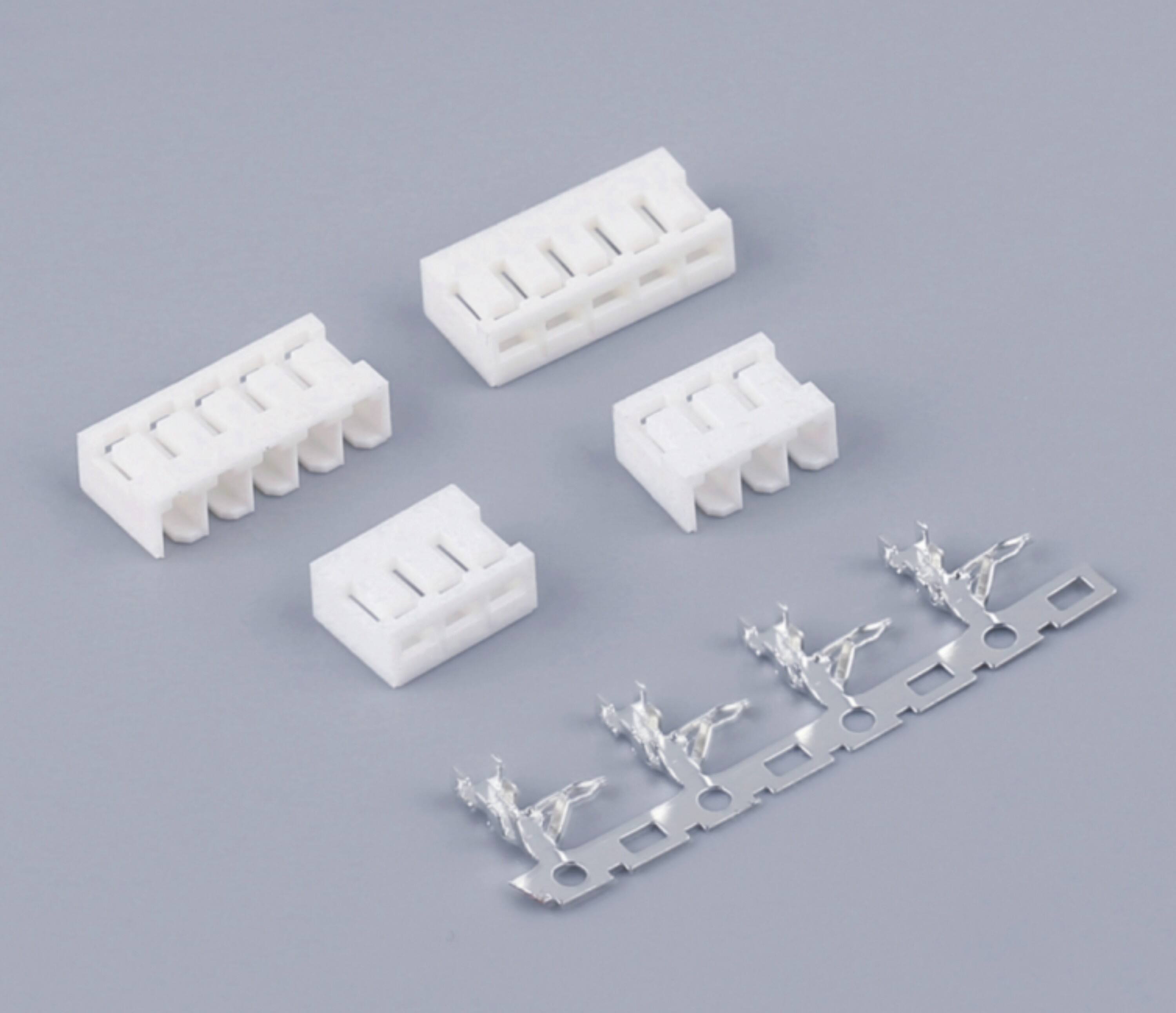
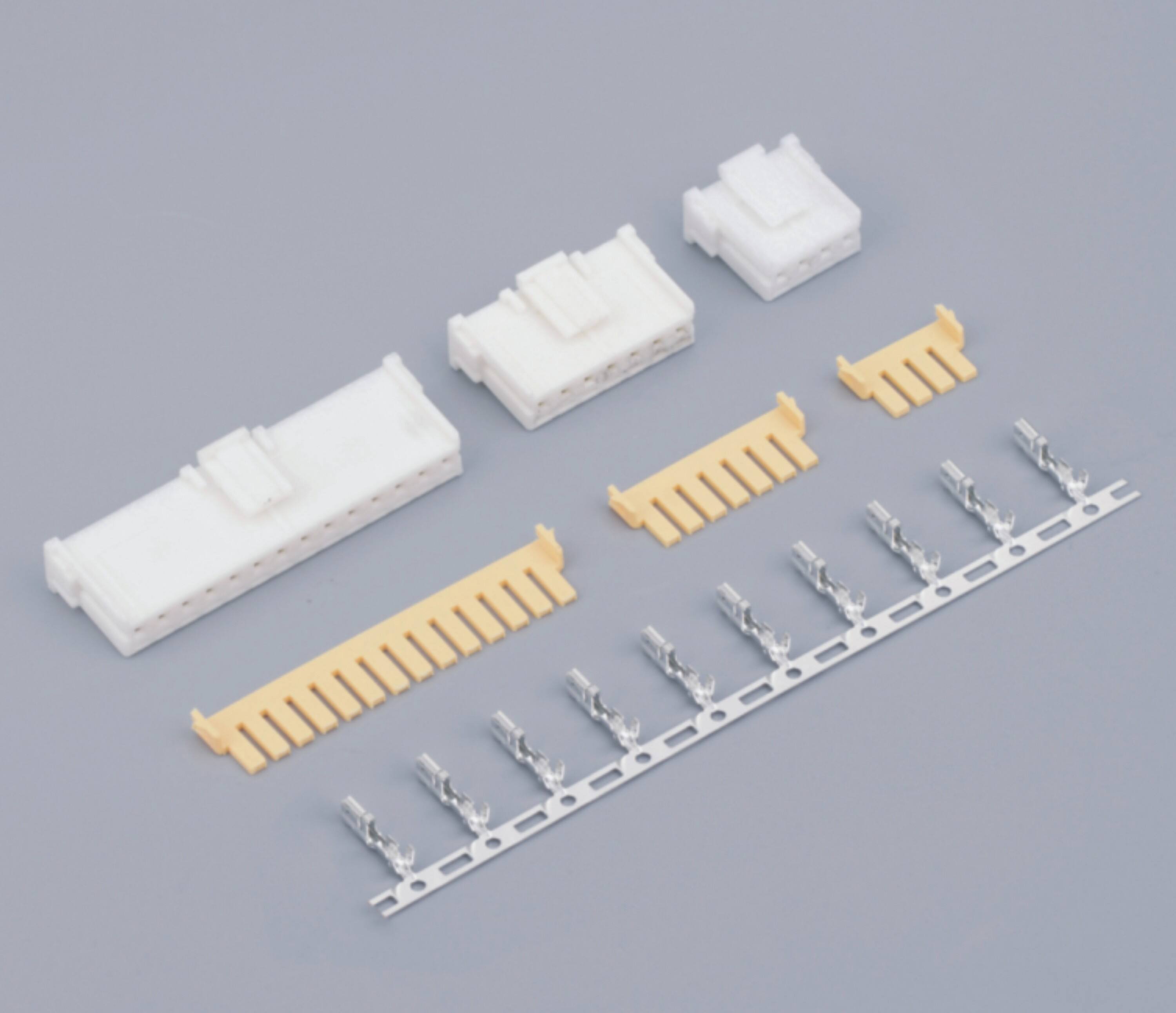
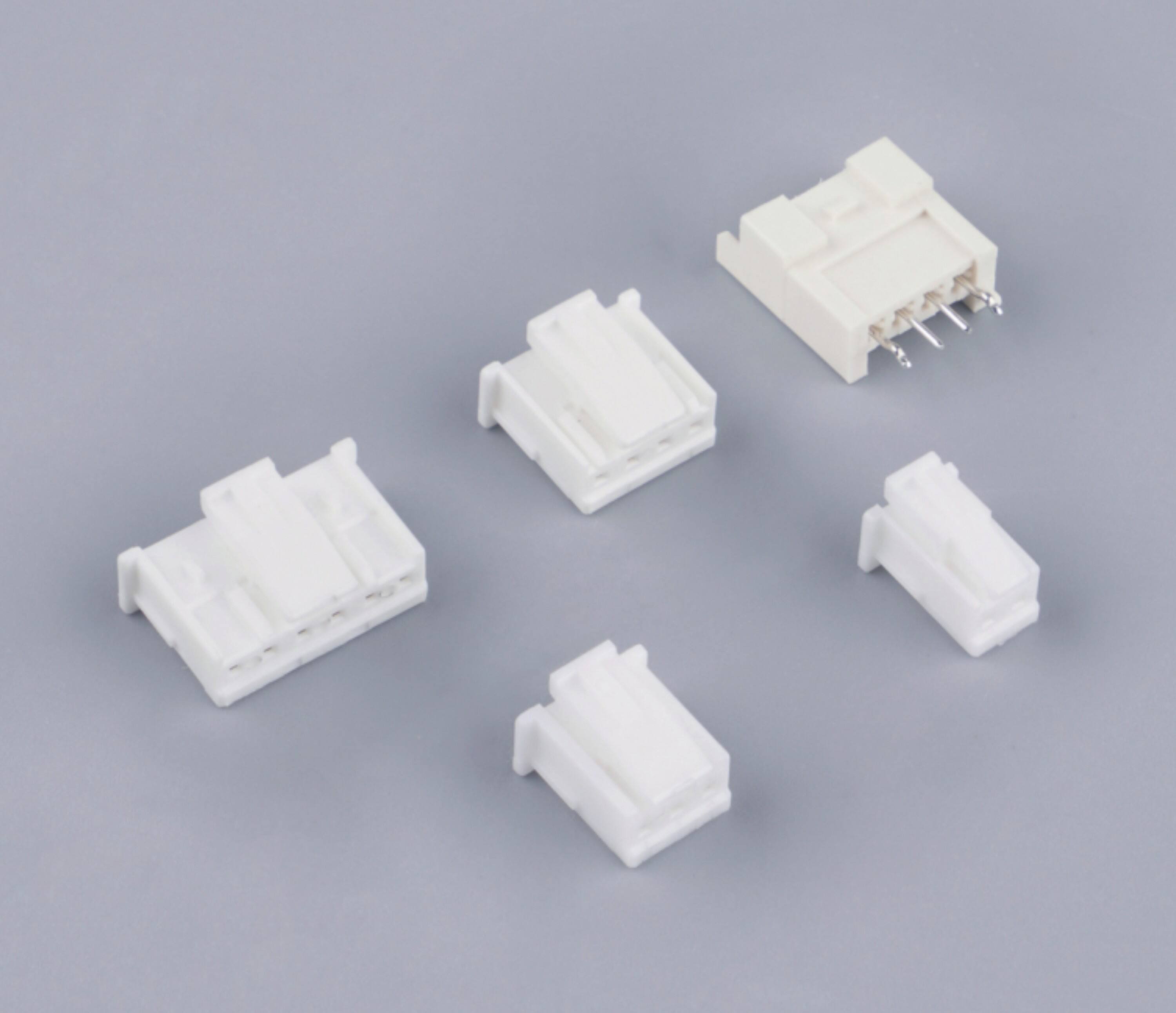
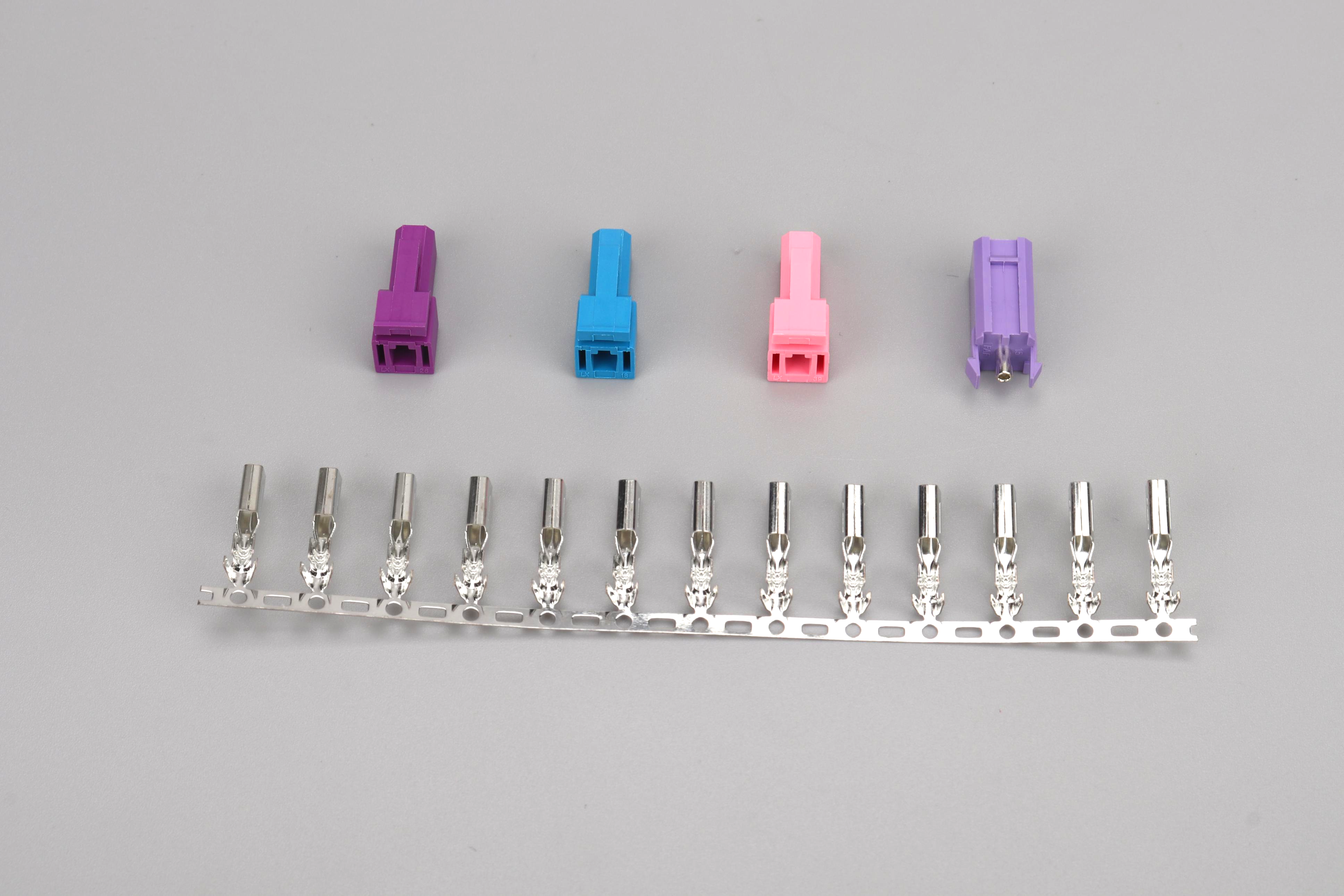
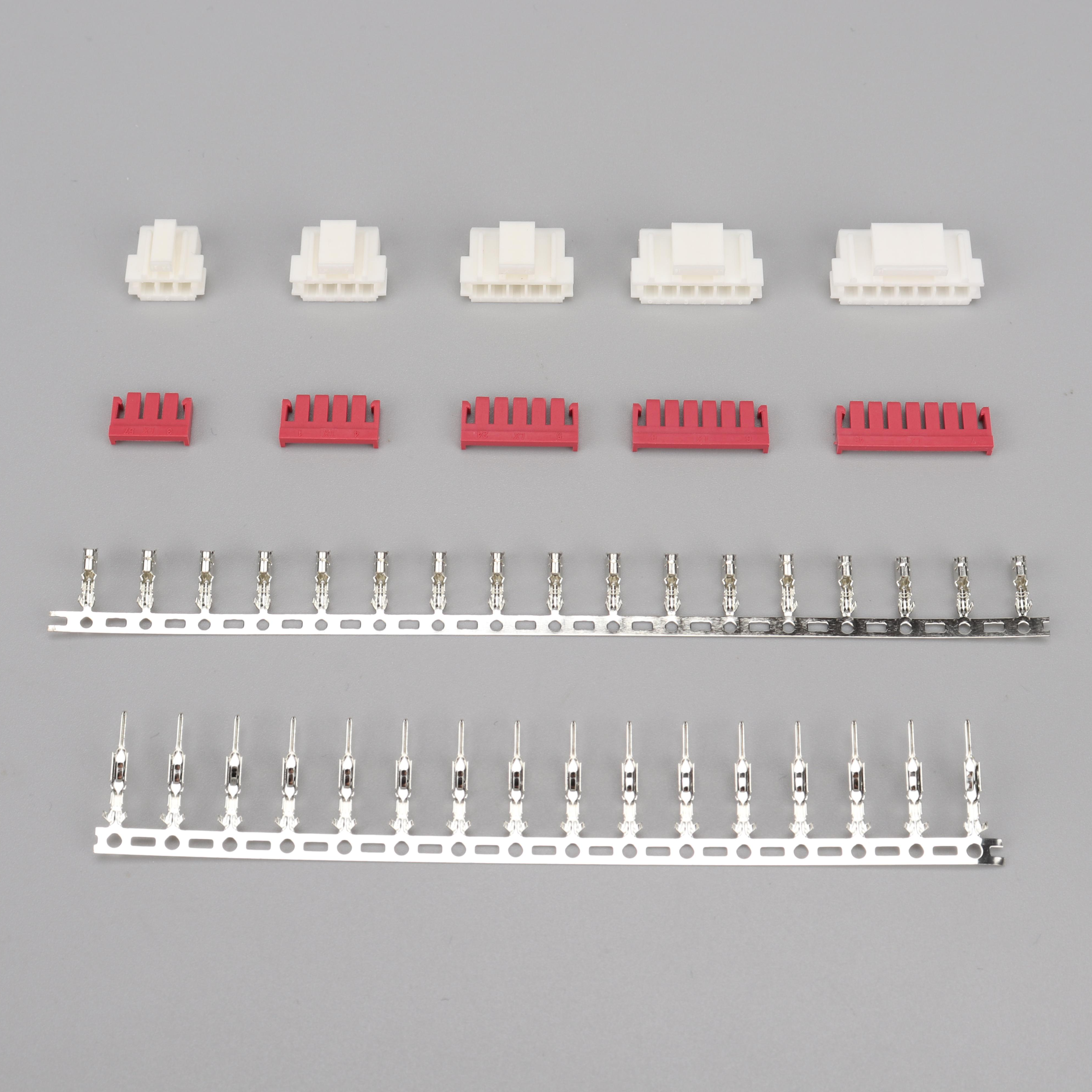
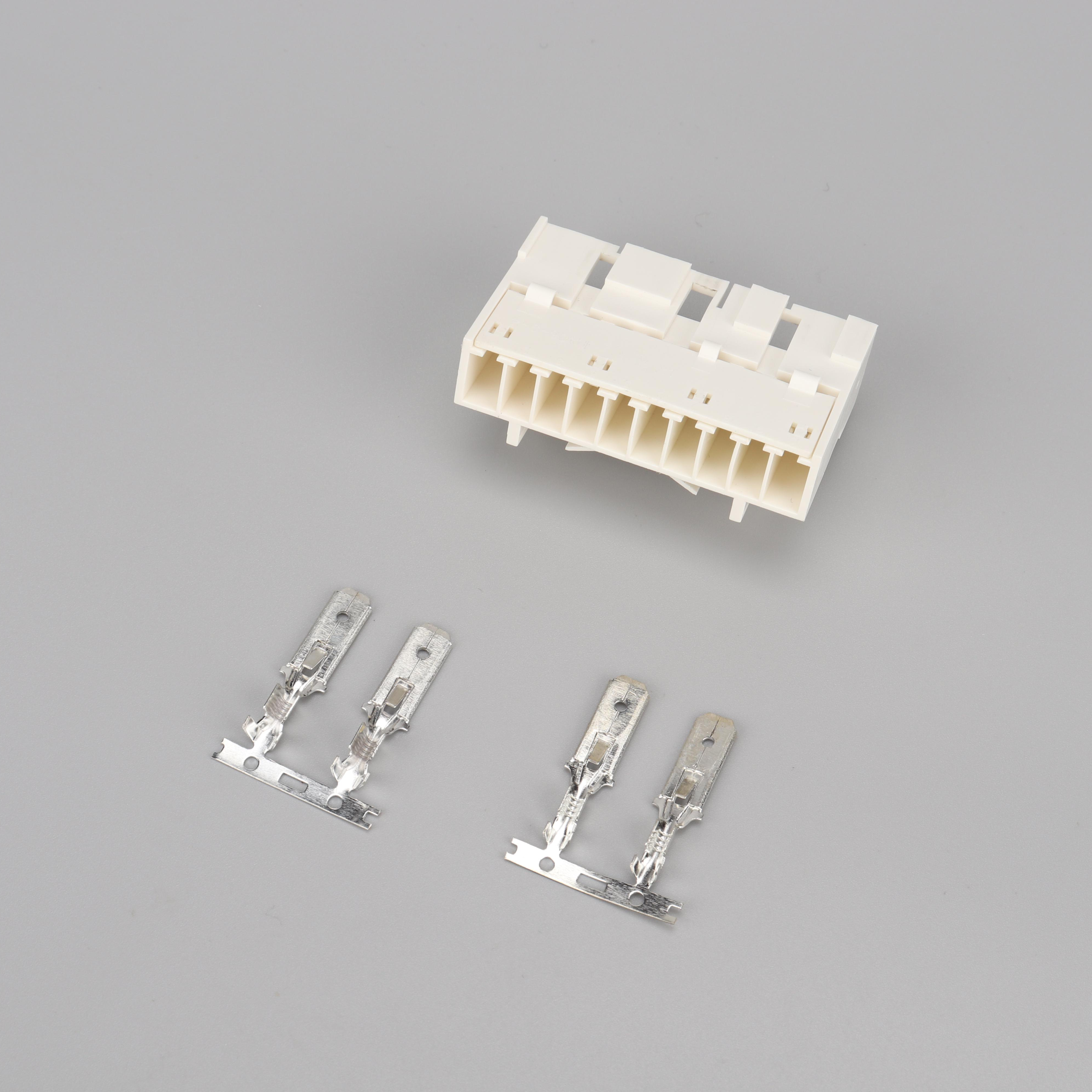
electrical plug connector types
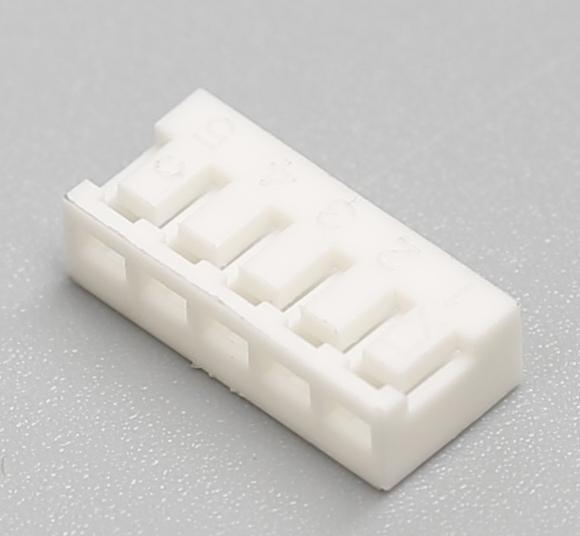
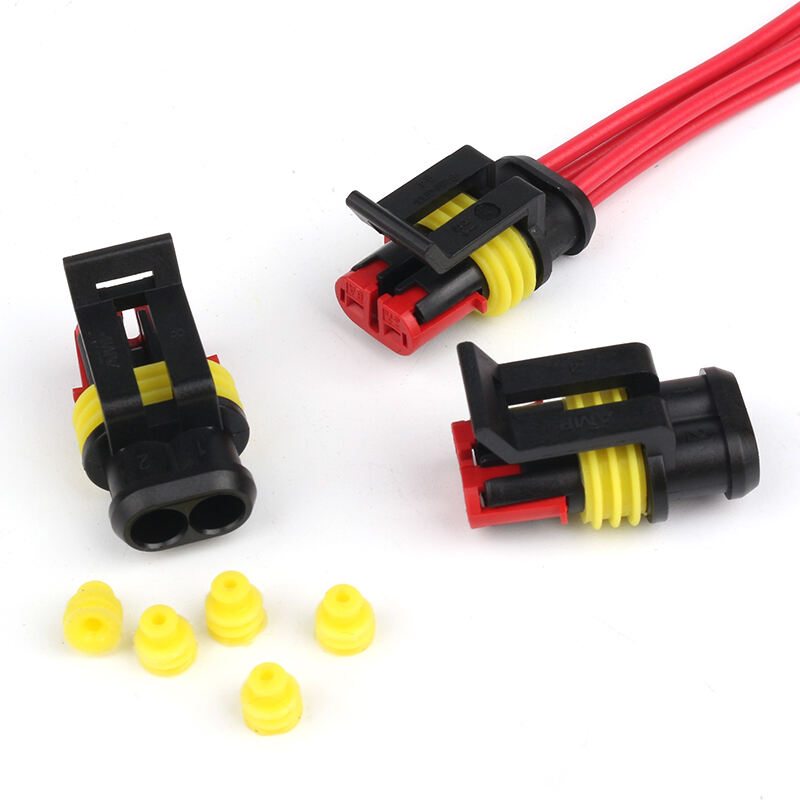
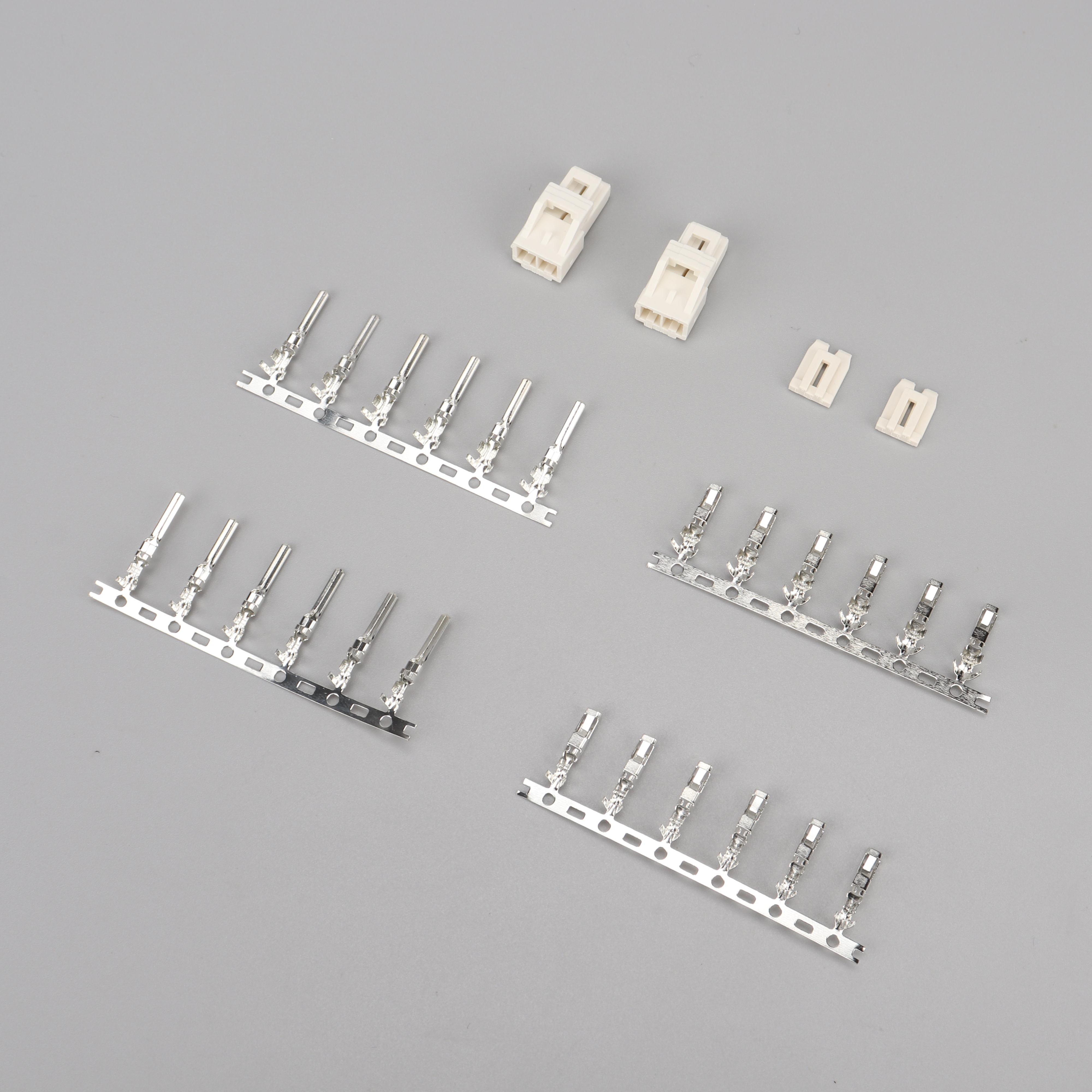
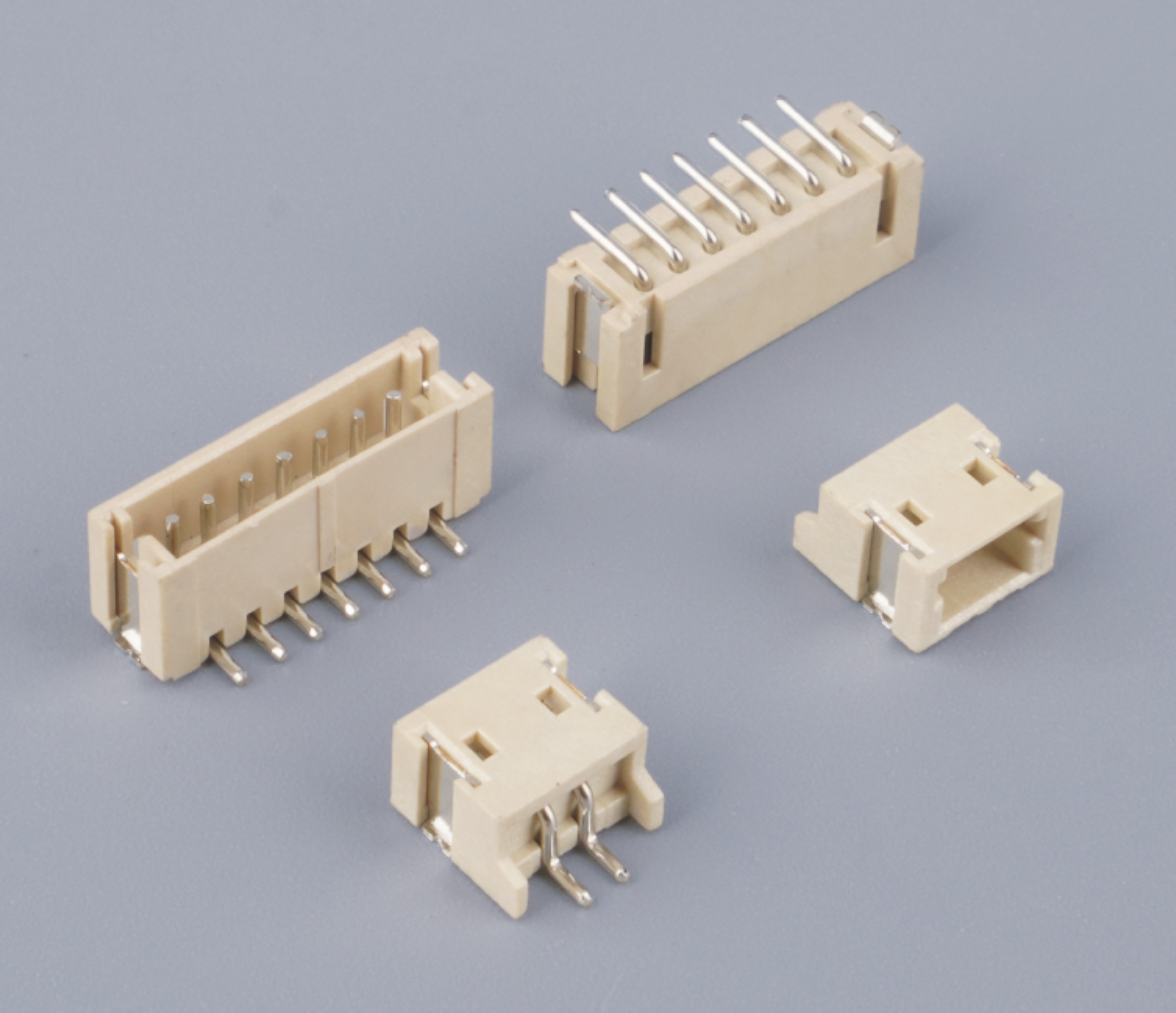
Electrical plug connectors represent essential components in modern electrical systems, serving as crucial interfaces for power transmission and device connectivity. These connectors come in various standardized formats, including Type A (North American), Type C (European), Type G (British), and numerous others, each designed to meet specific regional safety standards and power requirements. The fundamental structure typically consists of male pins and female sockets, engineered with precise specifications for voltage ratings, current capacity, and safety features such as grounding mechanisms. Modern electrical plug connectors incorporate advanced features like surge protection, waterproofing capabilities, and enhanced durability through high-grade materials such as reinforced thermoplastics and corrosion-resistant metals. These connectors facilitate both AC and DC power transmission, with specialized variants available for industrial applications, household use, and electronic devices. The design evolution has led to smart connectors with built-in safety mechanisms, including thermal protection, short circuit prevention, and automatic disconnection features. Applications range from everyday household appliances to sophisticated industrial machinery, data centers, and renewable energy systems, making them indispensable in both residential and commercial settings.

 EN
EN