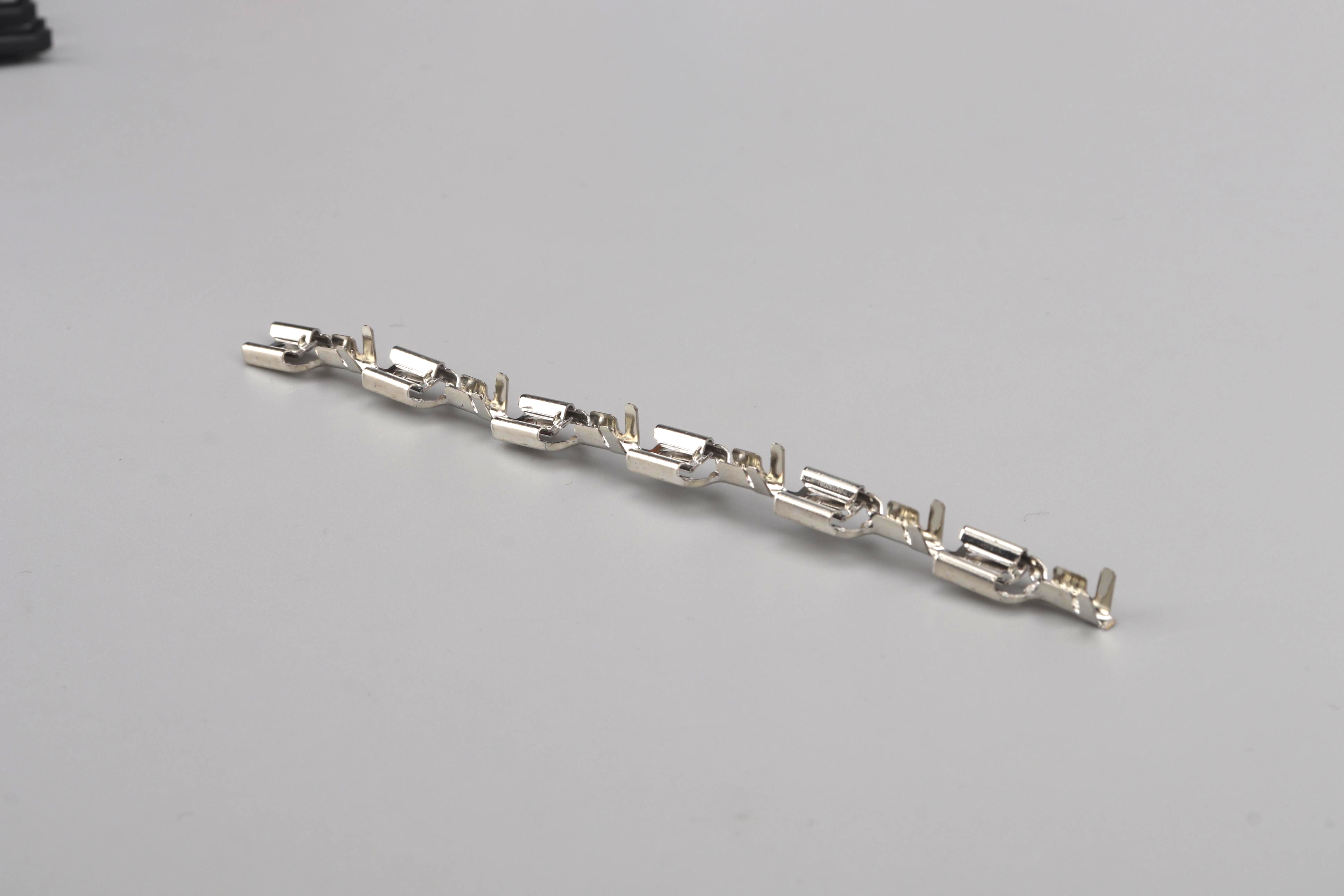
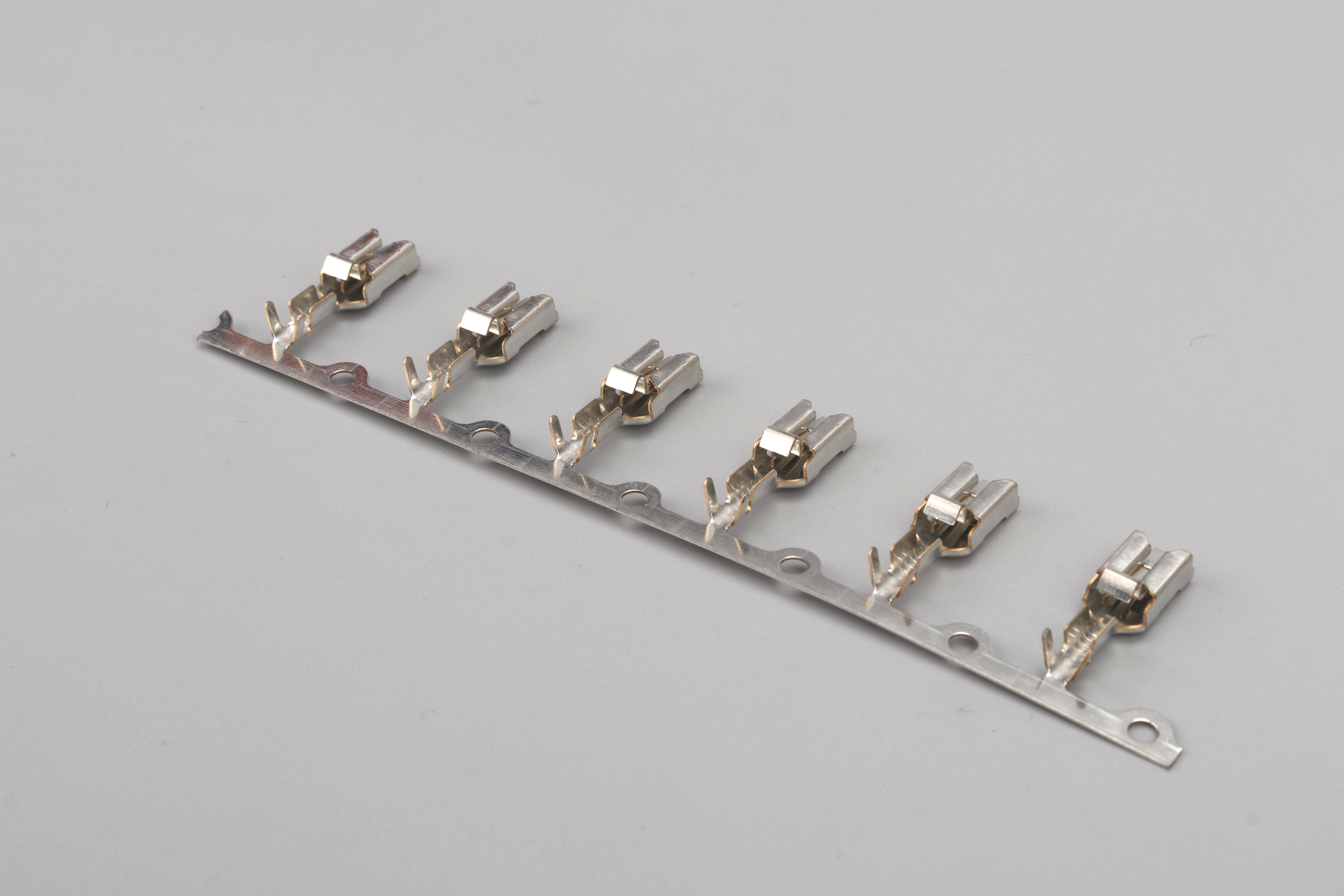
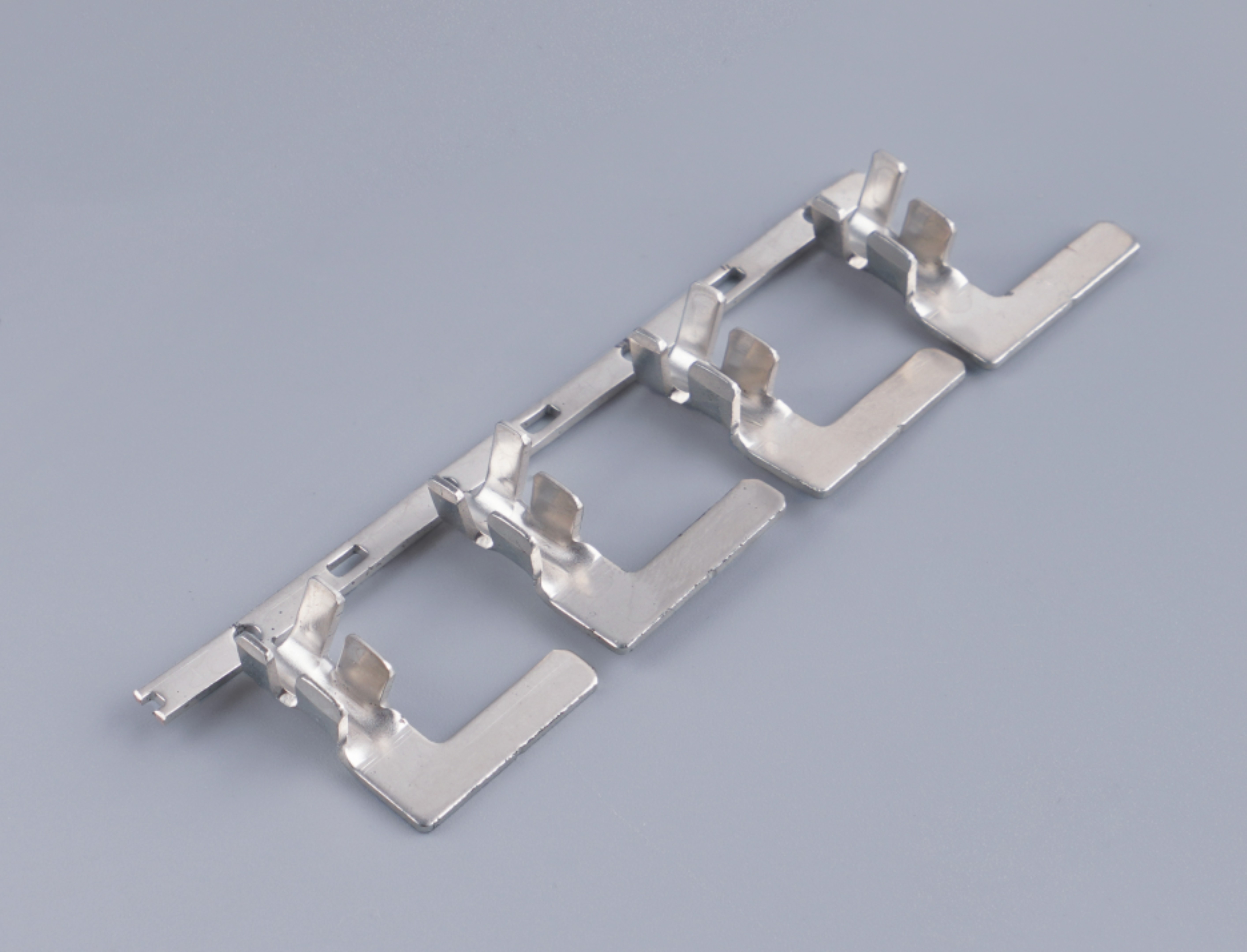
wire terminal
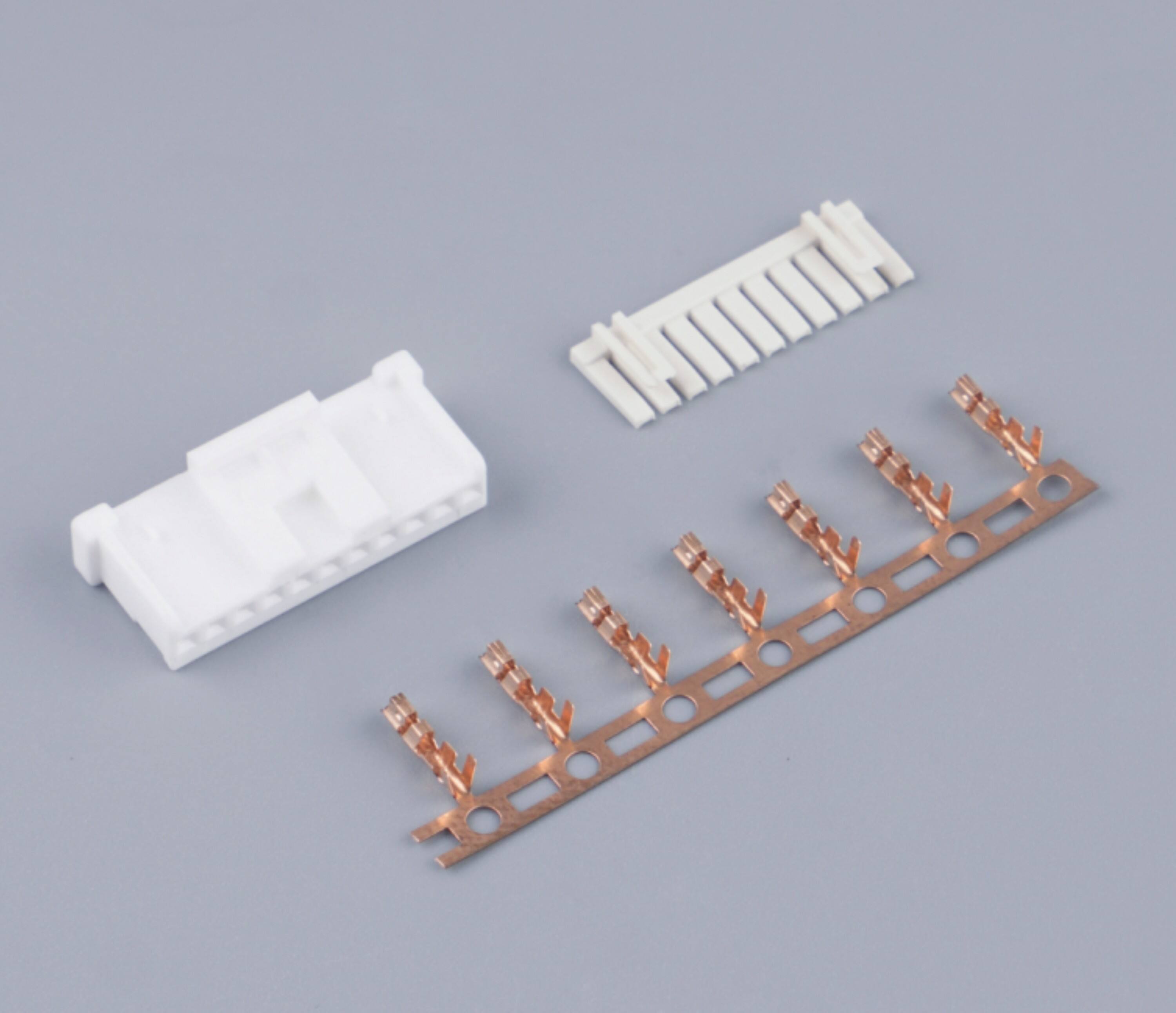
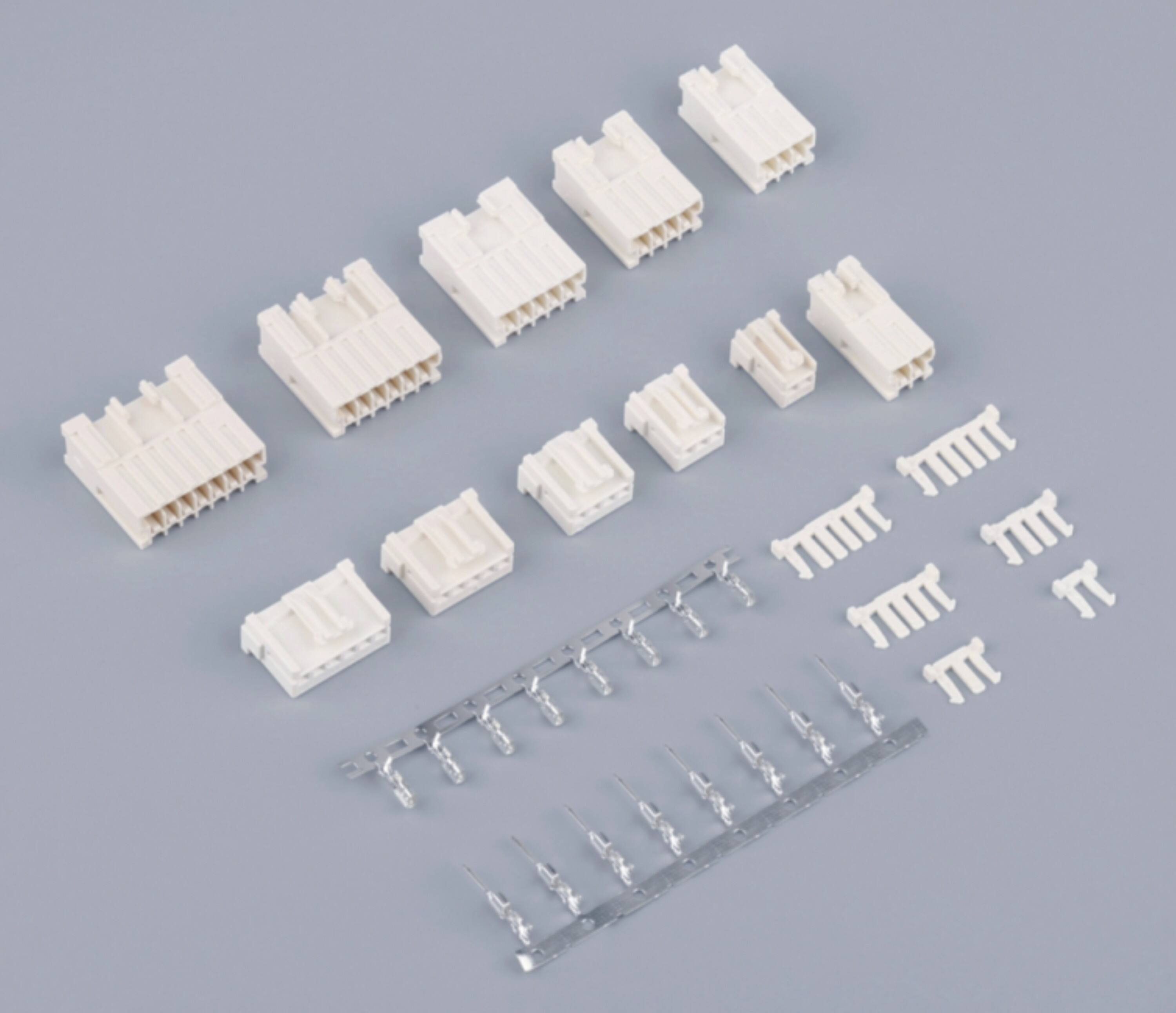
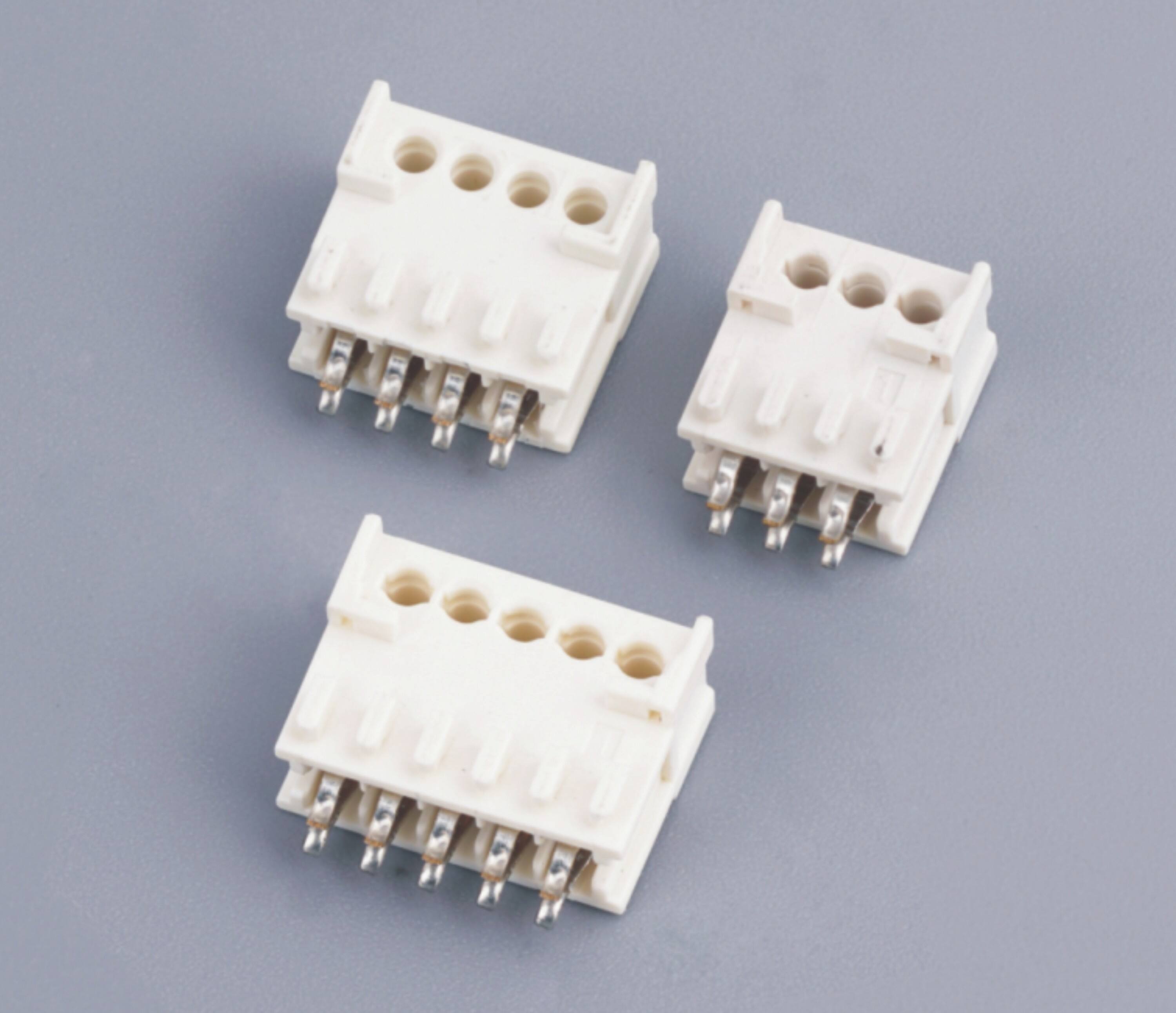
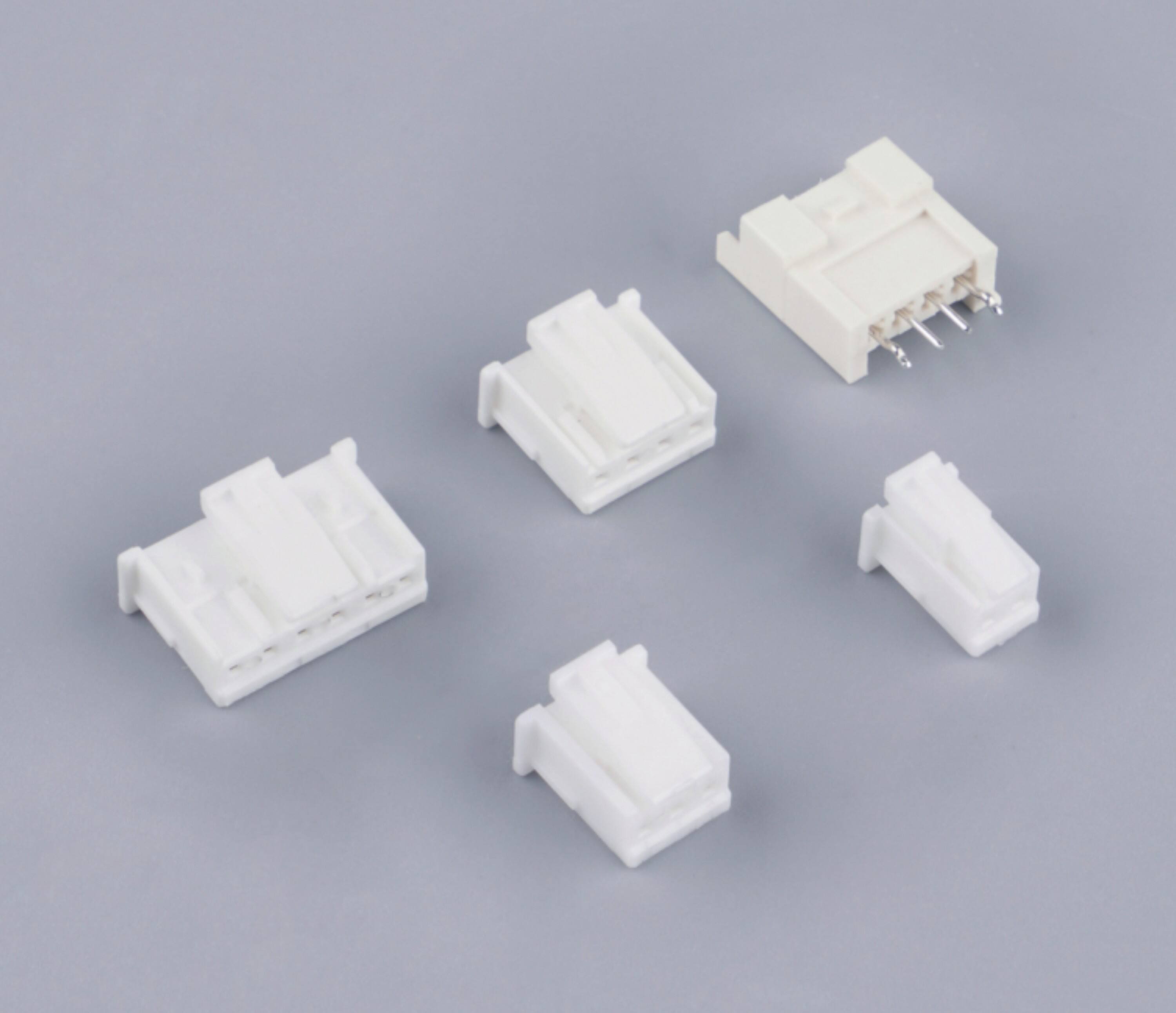
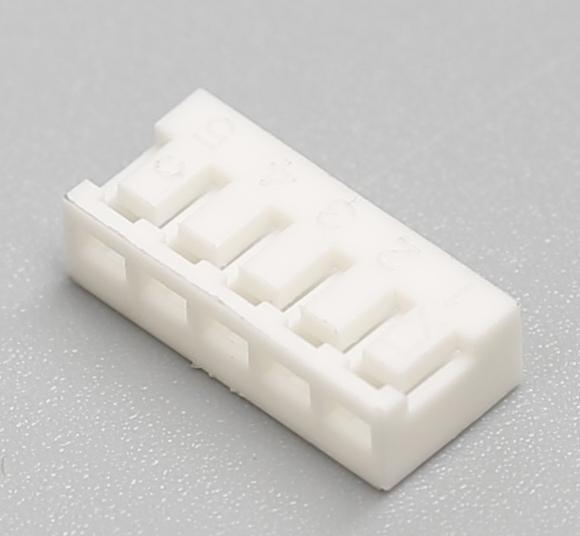
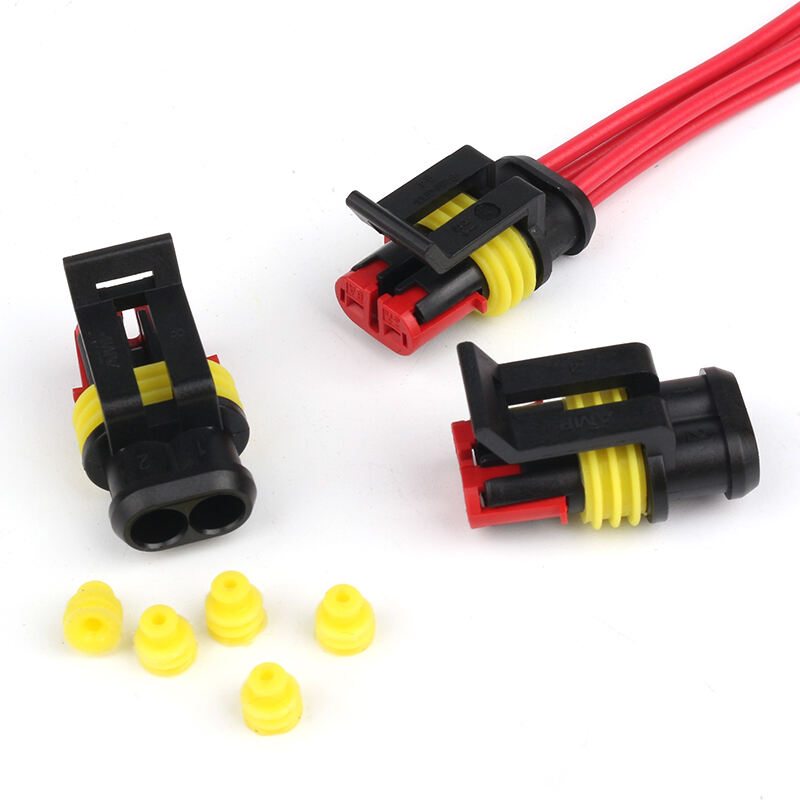
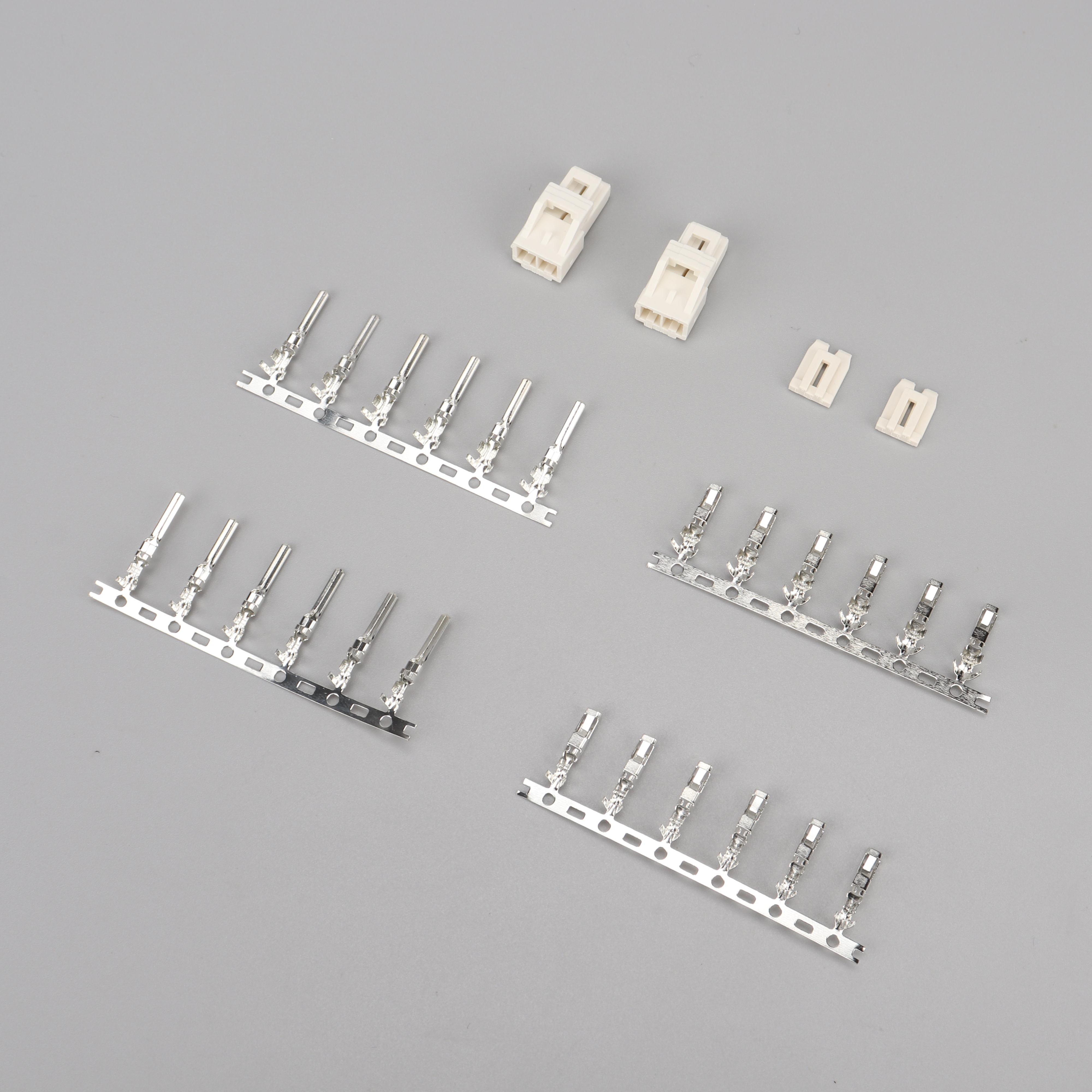
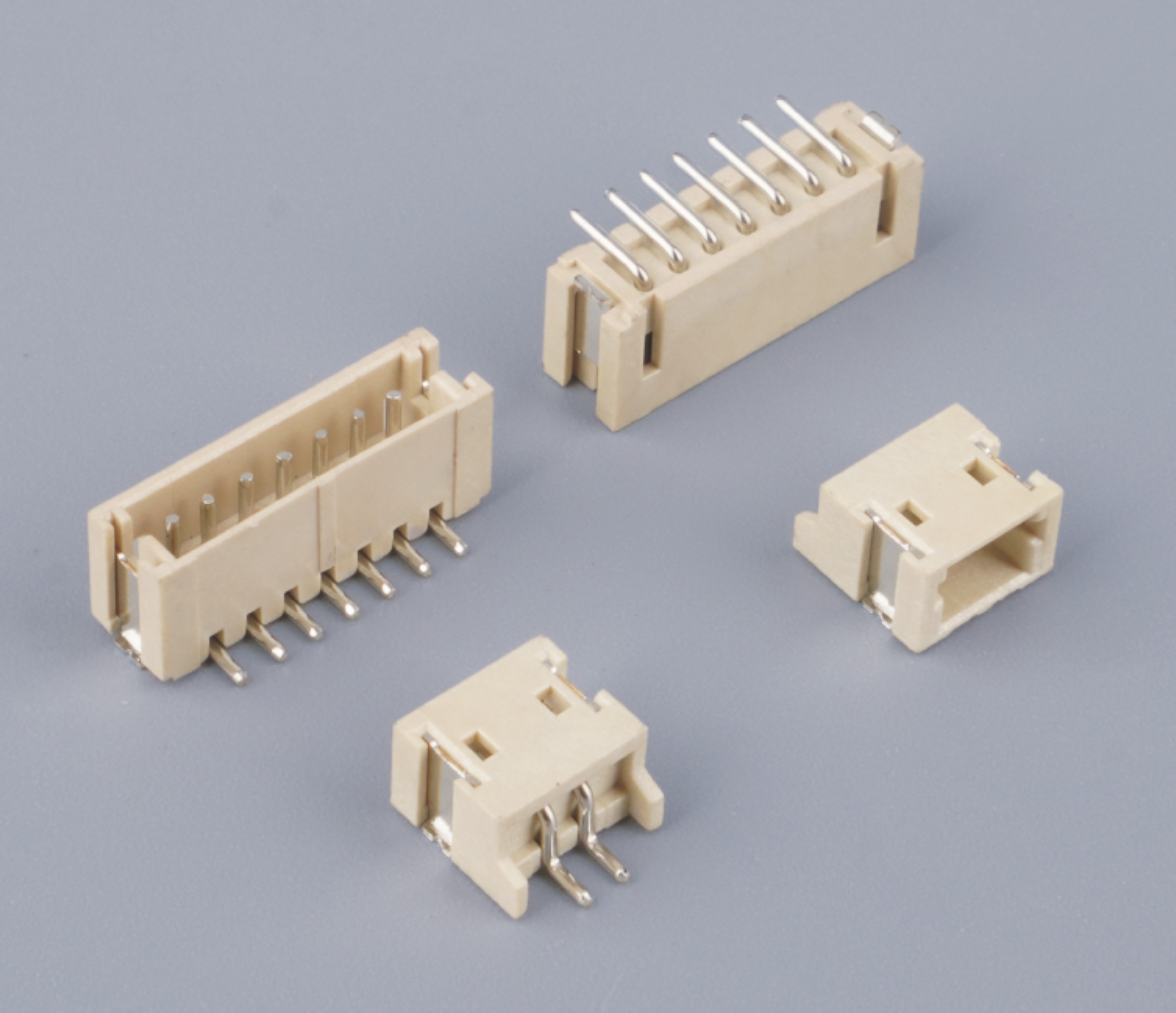
A wire terminal serves as a crucial electrical connection point that securely joins wires to various devices or other wires. These essential components feature specialized designs that ensure reliable electrical connectivity while protecting against environmental factors and mechanical stress. Modern wire terminals incorporate advanced materials and engineering principles to deliver optimal conductivity, durability, and safety. They come in various configurations, including crimp-style, screw-type, and push-in designs, each suited for specific applications. The terminal's construction typically includes a conductive metal core, often copper or brass, with protective plating to prevent corrosion. Many feature insulation materials that protect against short circuits and electrical hazards. Wire terminals are engineered to maintain consistent electrical contact, minimize resistance, and prevent wire damage through careful stress distribution. They accommodate different wire gauges and types, making them versatile for both industrial and residential applications. Advanced features like visual inspection windows, ergonomic designs for easy installation, and compatibility with automated assembly processes make modern wire terminals indispensable in electrical systems.

 EN
EN