
 EN
EN



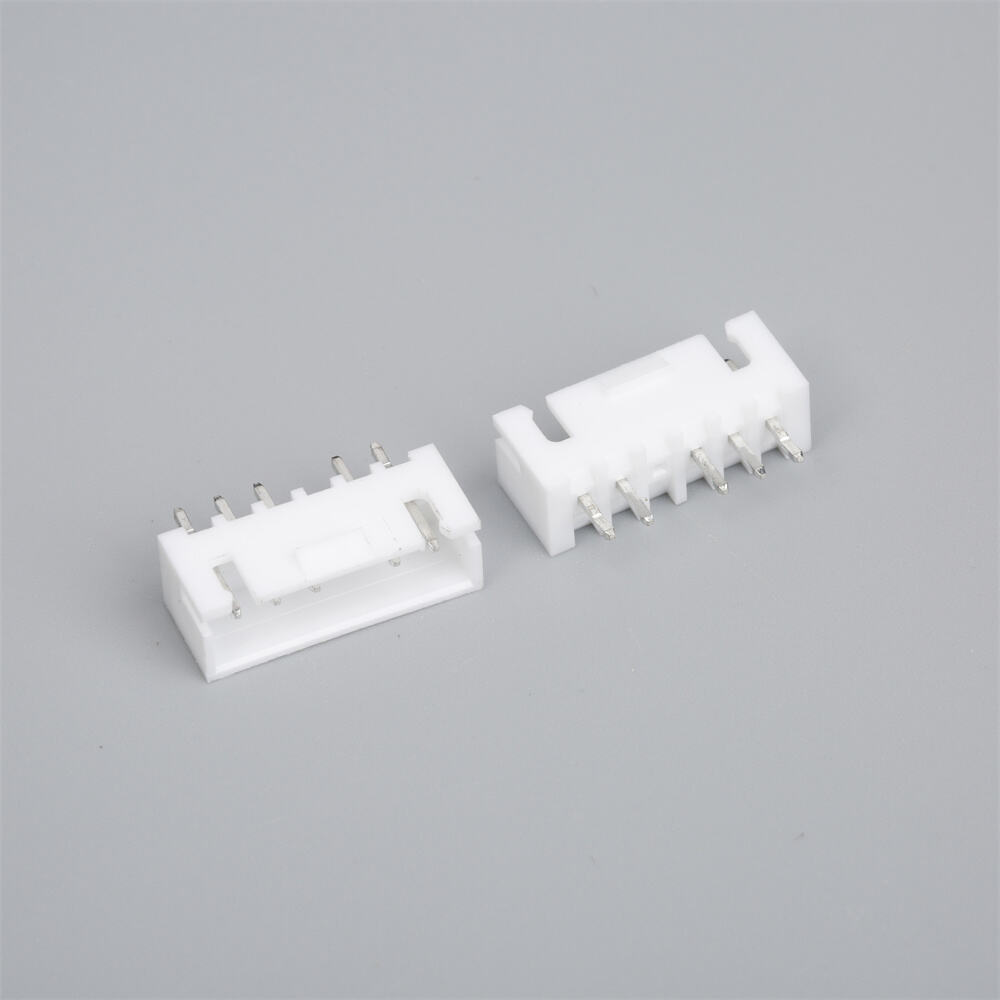
Selecting the right wiring harness for industrial equipment is a critical decision that directly impacts operational safety, equipment reliability, and long-term maintenance costs. In industrial environments where machinery operates under demanding conditions—including exposure to extreme temperatures, vibration, chemical contaminants, and electrical interference—the wiring harness serves as the central nervous system connecting power sources, control systems, and operational components. A poorly chosen wiring harness can lead to electrical failures, equipment downtime, safety hazards, and even catastrophic system malfunctions. Understanding the specific requirements of your industrial application and evaluating wiring harness options against rigorous safety and performance criteria ensures that your equipment operates reliably while protecting personnel and minimizing operational risks.
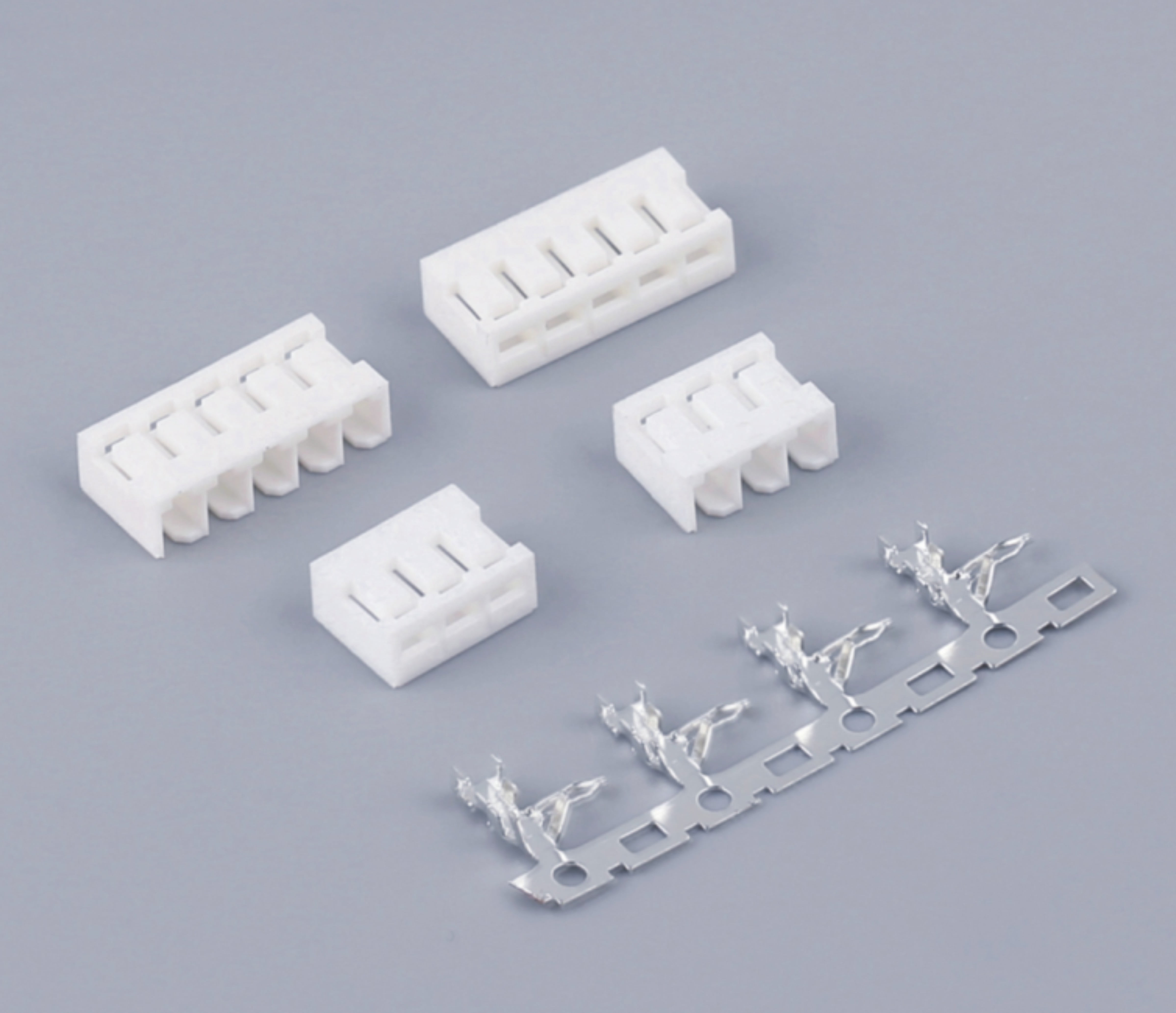
The process of choosing a safe and effective wiring harness involves analyzing multiple technical factors, from conductor specifications and insulation materials to connector design and environmental protection ratings. Industrial equipment operates across diverse sectors including manufacturing, automation, energy production, material handling, and process control, each presenting unique electrical loads, environmental stresses, and regulatory requirements. This comprehensive guide walks you through the essential considerations and decision criteria that engineering teams and procurement professionals must evaluate when specifying a wiring harness for industrial applications. By systematically assessing your equipment's electrical architecture, operating environment, safety standards, and maintenance requirements, you can select a wiring harness solution that delivers reliable performance while meeting all applicable safety regulations and industry best practices.
Understanding the Critical Safety Requirements for Industrial Wiring Harnesses
Electrical Safety Standards and Compliance Framework
Industrial wiring harness selection must begin with a thorough understanding of applicable electrical safety standards and regulatory requirements. In most industrial jurisdictions, wiring harnesses must comply with established standards such as IEC 60204 for electrical equipment of machines, UL 508A for industrial control panels, and NFPA 79 for electrical standards in industrial machinery. These standards define specific requirements for conductor sizing, insulation voltage ratings, grounding provisions, short circuit protection, and electromagnetic compatibility. A compliant wiring harness incorporates design features that prevent electrical shock hazards, reduce fire risks, and ensure proper fault isolation. When evaluating wiring harness options, verification of third-party certification and documented compliance with relevant standards provides assurance that the product meets baseline safety requirements for industrial deployment.
Beyond general electrical standards, industry-specific safety regulations may impose additional requirements on wiring harness design and construction. For example, equipment used in hazardous locations must comply with ATEX directives in Europe or NEC Article 500 classifications in North America, requiring specialized wiring harness construction with intrinsic safety barriers, explosion-proof enclosures, or sealed connector systems. Food processing and pharmaceutical manufacturing environments demand wiring harnesses constructed from materials approved for sanitary applications, with smooth surfaces that prevent contamination and withstand aggressive cleaning protocols. Medical device manufacturers must ensure wiring harnesses meet IEC 60601 medical electrical equipment standards with enhanced insulation, leakage current limits, and biocompatibility requirements. Understanding these sector-specific safety frameworks helps procurement teams identify wiring harness suppliers with appropriate certification experience and quality systems aligned with industry regulations.
Current Carrying Capacity and Thermal Management Considerations
Proper conductor sizing represents one of the most fundamental safety considerations in wiring harness selection. An undersized wiring harness creates excessive resistance, generating heat that degrades insulation materials, increases voltage drop, and potentially ignites surrounding components or structures. Industrial equipment typically operates with continuous duty cycles and high inrush currents during motor starting or capacitive load switching, requiring wiring harnesses designed with adequate current carrying capacity and thermal headroom. Conductor selection must account for the maximum continuous current, peak transient loads, ambient temperature conditions, and heat dissipation characteristics of the installation environment. Standard ampacity tables provide baseline guidance, but industrial applications often require derating calculations that factor in bundling effects, conduit installations, elevated ambient temperatures, and duty cycle variations.
Thermal management extends beyond conductor sizing to encompass insulation material selection and harness routing design. High-quality industrial wiring harnesses utilize insulation materials with temperature ratings appropriate for the operating environment, typically ranging from 80°C for standard applications to 150°C or higher for equipment operating near heat sources or in high-temperature processes. Materials such as cross-linked polyethylene, silicone rubber, and fluoropolymers offer superior thermal stability compared to standard PVC insulation, maintaining dielectric properties and mechanical integrity under sustained elevated temperatures. Additionally, proper wiring harness routing design incorporates sufficient spacing between conductors, separation from heat-generating components, and ventilation pathways that facilitate convective cooling. When thermal conditions exceed the capabilities of passive cooling, active thermal management solutions such as forced air circulation or heat sink integration may be necessary to maintain safe operating temperatures throughout the wiring harness assembly.
Mechanical Protection and Physical Durability Requirements
Industrial environments subject wiring harnesses to mechanical stresses that can compromise electrical integrity and create safety hazards if not properly addressed. Vibration from rotating machinery, impact loads from moving equipment, flexing cycles in articulated mechanisms, and abrasion from contact with sharp edges or rough surfaces all contribute to progressive wear and potential failure of inadequately protected wiring harnesses. Safety-oriented harness design incorporates multiple layers of mechanical protection including reinforced insulation, strain relief provisions, protective sleeving or conduit, and secure mounting systems that prevent excessive movement or stress concentration. The wiring harness construction must match the mechanical demands of the specific application, with stationary installations requiring less robust protection than mobile equipment or robotic systems that experience continuous motion and flexing.
Material selection for outer jackets and protective layers significantly influences mechanical durability and safety performance. Thermoplastic elastomers, polyurethane, and specialized rubber compounds provide excellent abrasion resistance, cut-through protection, and flexibility for dynamic applications. For applications involving exposure to sharp edges or crushing forces, additional protective measures such as spiral wrap, braided sleeving, or rigid conduit may be necessary to prevent physical damage to underlying conductors. Connector systems also require robust mechanical design with positive locking mechanisms, sealed housings resistant to ingress of contaminants, and strain relief features that prevent pull-out forces from damaging solder joints or crimped terminals. Proper specification of mechanical protection features ensures the wiring harness maintains electrical continuity and insulation integrity throughout its service life, preventing safety incidents caused by wire breakage, short circuits, or exposed conductors.
Evaluating Environmental Resistance and Protection Ratings
Ingress Protection Standards and Environmental Sealing
Industrial equipment often operates in environments where wiring harnesses face exposure to moisture, dust, chemical vapors, and other contaminants that can compromise electrical safety. The Ingress Protection (IP) rating system provides a standardized method for specifying the level of protection against solid particles and liquids. A wiring harness with appropriate IP rating ensures that connector housings, cable entry points, and junction boxes prevent contaminant ingress that could cause short circuits, corrosion, or insulation breakdown. For general industrial environments, an IP54 or IP65 rating typically provides adequate protection against dust and water spray. Equipment operating in washdown environments, outdoor installations, or marine applications may require IP67 or IP68 ratings that provide protection against temporary immersion or continuous submersion.
Achieving the specified IP rating requires careful attention to sealing design throughout the wiring harness assembly. Connector systems must incorporate gaskets, o-rings, or overmolded seals that create watertight interfaces between mating components. Cable entry points into enclosures need strain relief fittings with compression seals that prevent moisture wicking along conductor strands into protected areas. For harsh environments, hermetically sealed connectors with glass-to-metal or ceramic-to-metal interfaces provide the highest level of protection against moisture and contaminant ingress. Regular inspection and maintenance of environmental seals ensures continued protection throughout the equipment service life, as aging gasket materials can harden, crack, or lose compression, compromising the original IP rating and creating safety vulnerabilities.
Chemical Resistance and Material Compatibility
Industrial processes frequently involve exposure to oils, solvents, coolants, cleaning agents, and process chemicals that can attack wiring harness insulation and jacket materials. Chemical degradation of insulation leads to reduced dielectric strength, surface tracking, and eventual failure that creates electrical hazards. Selecting a wiring harness with chemical-resistant materials appropriate for the specific exposure environment is essential for maintaining long-term safety and reliability. Material compatibility charts from wiring harness manufacturers provide guidance on resistance to common industrial chemicals, but actual field conditions may involve complex mixtures, elevated temperatures, or prolonged exposure durations that accelerate degradation beyond laboratory test conditions.
For applications involving hydrocarbon exposure such as automotive manufacturing, metalworking operations, or hydraulic systems, wiring harness jackets constructed from chlorinated polyethylene, cross-linked polyethylene, or thermoplastic elastomers provide superior oil resistance compared to standard PVC materials. Chemical processing environments may require fluoropolymer insulation materials such as FEP, ETFE, or PVDF that offer broad chemical resistance across acids, bases, and organic solvents. Food processing and pharmaceutical applications demand wiring harnesses constructed from FDA-approved materials that resist sanitizing chemicals while preventing contamination of products. When chemical exposure is particularly severe or involves unusual compounds, custom material testing or consultation with the wiring harness manufacturer's technical team ensures appropriate material selection that maintains safety throughout the intended service life.
Temperature Extremes and Thermal Cycling Performance
Industrial equipment operates across a wide temperature spectrum depending on application, from refrigerated storage facilities operating below freezing to furnace controls and heat treatment systems exposed to radiant heat exceeding ambient temperatures by hundreds of degrees. Wiring harness insulation and jacket materials must maintain flexibility, dielectric properties, and mechanical strength across the expected temperature range. Low-temperature applications present challenges with insulation materials becoming brittle and prone to cracking during flexing or impact. High-temperature environments accelerate chemical breakdown of polymer insulation, reducing service life and potentially creating safety hazards as degraded insulation loses dielectric strength.
Material selection based on temperature rating ensures the wiring harness maintains performance across the operating range. Silicone rubber insulation remains flexible at temperatures as low as negative 60°C while maintaining integrity at elevated temperatures up to 180°C, making it suitable for equipment operating across extreme temperature variations. Fluoropolymer materials extend usable temperature ranges even further, with some formulations rated for continuous operation at 250°C or higher. Beyond steady-state temperature exposure, thermal cycling between temperature extremes creates mechanical stress from differential expansion coefficients between conductors, insulation, and jacket materials. Wiring harnesses designed for thermally demanding applications incorporate construction techniques that accommodate thermal expansion, such as stranded rather than solid conductors, stress-relief features in terminations, and material combinations with compatible expansion characteristics.
Connector Technology and Termination Quality
Contact Design and Electrical Performance Characteristics
The connector system represents a critical interface point where proper design and manufacturing quality directly impact wiring harness safety. Contact elements within connectors must maintain low electrical resistance, withstand insertion and removal cycles, and provide reliable current carrying capacity without overheating. High-quality industrial connectors utilize contact materials such as copper alloys with gold or tin plating that resist oxidation and maintain low contact resistance over time. Spring-loaded contact designs provide consistent mating force that compensates for minor misalignment and maintains electrical continuity despite vibration or thermal expansion. The wiring harness specification should define minimum contact current ratings, voltage drop limits, and expected mating cycle durability based on application requirements.
Contact retention within the connector housing is equally important for safety, as loose or improperly secured contacts can create intermittent connections, arcing, and potential fire hazards. Quality connector systems incorporate positive locking mechanisms such as barbed retention features, secondary locks, or threaded coupling systems that prevent accidental disconnection under vibration or mechanical stress. For power distribution applications within industrial equipment, the wiring harness should incorporate connectors designed specifically for power transmission with enhanced contact areas, robust strain relief, and keying features that prevent incorrect mating. Signal and control circuits require connectors with shielding provisions, twisted pair configurations, and grounding continuity that maintain signal integrity while preventing electromagnetic interference that could cause control system malfunctions or false safety signals.
Termination Methods and Manufacturing Quality Control
The junction between wire conductors and connector contacts represents a potential failure point where poor workmanship or inadequate manufacturing processes create safety risks. Professional wiring harness manufacturers employ controlled termination processes including crimping, soldering, or insulation displacement connection methods with documented quality assurance procedures. Crimped connections provide the most reliable termination method for industrial applications when performed with calibrated tooling that achieves proper compression without damaging conductor strands or contact barrels. Pull testing of crimped connections verifies mechanical integrity, while electrical continuity testing confirms low-resistance paths. Soldered terminations offer excellent electrical conductivity but require thermal management during assembly to prevent heat damage to insulation and proper flux removal to prevent long-term corrosion.
Quality wiring harness manufacturers maintain documented manufacturing processes that include operator training, periodic tool calibration, in-process inspection, and statistical process control monitoring. When evaluating wiring harness suppliers, requesting evidence of quality certifications such as ISO 9001, AS9100 for aerospace applications, or IATF 16949 for automotive quality management provides confidence in manufacturing consistency. Manufacturer documentation should include crimp pull test data, high-potential dielectric testing results, and continuity verification for every wiring harness assembly. For safety-critical applications, additional testing such as thermal cycling, vibration exposure, or accelerated aging may be specified to validate long-term reliability. Traceability systems that document manufacturing date codes, operator identification, and raw material lot numbers enable root cause analysis if field failures occur, supporting continuous improvement of manufacturing processes.
Keying and Error-Proofing Design Features
Human error during equipment installation or maintenance creates safety risks when incorrect wiring harness connections energize circuits improperly or bypass safety interlocks. Well-designed industrial wiring harness systems incorporate keying features that physically prevent incorrect mating of connectors. Asymmetric connector shells, polarization features, and color-coding schemes guide technicians toward correct connections while preventing cross-connection of incompatible circuits. For complex equipment with multiple similar connectors, unique keying patterns for each connection point eliminate ambiguity and reduce installation errors that could create safety hazards.
Beyond physical keying, visual identification systems including cable labeling, color-coded jackets, and documented wiring diagrams support correct installation and troubleshooting. Durable labels applied during manufacturing withstand industrial environments including temperature extremes, chemical exposure, and abrasion better than field-applied identification. Wiring harness drawings included with equipment documentation should clearly identify connection points, pinout assignments, wire color codes, and any special installation requirements. For equipment subject to frequent reconfiguration or connector access during maintenance, quick-disconnect connectors with intuitive locking mechanisms reduce the likelihood of improper reassembly. These error-proofing design features contribute to overall equipment safety by reducing human factor risks during installation, maintenance, and repair activities.
Application-Specific Design Considerations and Customization
Motion and Flexing Requirements for Dynamic Applications
Industrial equipment incorporating moving elements such as robotic arms, cable carriers, or articulated mechanisms requires wiring harnesses specifically engineered for continuous flexing applications. Standard wiring harness construction designed for stationary installations fails prematurely when subjected to repeated bending cycles, with conductor strand breakage and insulation cracking creating safety hazards. Flex-rated wiring harnesses incorporate fine-strand conductors with specialized stranding patterns that distribute mechanical stress across multiple small-diameter wires rather than concentrating strain in fewer large conductors. Conductor bundles are arranged with optimized lay lengths and directional twisting that accommodates bending while minimizing internal friction and stress concentration.
Insulation and jacket materials for flex applications must maintain flexibility across the operating temperature range while resisting abrasion from internal conductor movement. Thermoplastic polyurethane and thermoplastic elastomer jacket materials provide excellent flex life, typically rated for millions of bending cycles when properly designed. The wiring harness routing design significantly influences flex performance, with proper specification of minimum bend radius, supported cable management systems, and strain relief at fixed termination points. For robotic applications with complex three-dimensional motion, specialized cable construction with central tension members and symmetrical conductor layouts prevents twisting and rotational stress. Application engineering support from wiring harness manufacturers helps define appropriate construction specifications, conductor sizing, and routing guidelines that ensure reliable flex performance throughout the equipment service life.
Electromagnetic Compatibility and Interference Prevention
Modern industrial equipment incorporates sensitive electronic controls, variable frequency drives, and digital communication networks that require careful electromagnetic compatibility management within the wiring harness design. Uncontrolled electromagnetic interference can cause control system malfunctions, false sensor readings, or interference with safety circuits that could create hazardous operating conditions. A properly designed wiring harness incorporates shielding, grounding, and circuit separation strategies that minimize both electromagnetic emissions and susceptibility to external interference. Power circuits carrying high-current switched loads should be physically separated from low-level signal and control wiring, with separate cable runs or partitioned routing channels preventing capacitive or inductive coupling.
Shielded cable construction provides effective protection for sensitive signal circuits, with braided or foil shields that intercept electromagnetic fields and divert interference currents to ground. Shield effectiveness depends on proper grounding techniques, typically requiring 360-degree termination of shields at connector backshells or dedicated grounding points rather than pigtail connections that create high-impedance ground paths. For high-frequency digital communication protocols such as Ethernet, CAN bus, or PROFIBUS networks, the wiring harness must incorporate twisted pair construction with controlled impedance characteristics that maintain signal integrity. Differential signaling inherent in these protocols provides common-mode noise rejection, but proper cable construction and routing practices are essential for reliable operation. Consulting electromagnetic compatibility guidelines such as IEC 61000 series standards during wiring harness specification ensures compliance with emission limits and immunity requirements for the intended industrial environment.
Modular Design and Maintenance Accessibility
Industrial equipment undergoes periodic maintenance, component replacement, and configuration changes throughout its operational life. Wiring harness design that facilitates these activities while maintaining electrical safety improves equipment uptime and reduces maintenance risks. Modular wiring harness architecture with standardized intermediate connection points allows replacement of damaged sections without requiring complete harness replacement. This approach is particularly valuable for large equipment installations where wiring harnesses span significant distances or route through inaccessible areas. Intermediate connectors should be located in accessible service areas with sufficient slack cable that permits disconnection without imposing mechanical stress on adjacent sections.
Maintenance-friendly wiring harness design also considers cable routing accessibility, providing clear routing paths that avoid areas requiring disassembly of major equipment components for harness access. Cable management systems such as wire ducts, cable trays, and retention clips should allow harness removal and reinstallation without specialized tools or risk of damaging adjacent components. For equipment operating in hazardous or difficult environments, bringing critical connection points and diagnostic access interfaces to accessible service panels reduces exposure time for maintenance personnel while ensuring proper de-energization procedures can be followed. Documentation supporting maintenance activities should include detailed wiring diagrams, connector pinout information, and testing procedures that enable troubleshooting without creating safety risks from incorrect measurements or inadvertent short circuits during diagnostic activities.
Supplier Evaluation and Quality Assurance Practices
Manufacturing Capabilities and Technical Expertise Assessment
Selecting a qualified wiring harness manufacturer with appropriate technical capabilities and quality systems is as important as specifying proper design parameters. Manufacturers specializing in industrial applications understand the unique requirements for safety, environmental resistance, and long-term reliability that distinguish industrial wiring harnesses from consumer or automotive products. During supplier evaluation, reviewing the manufacturer's experience with similar applications, certifications held, and engineering support capabilities provides insight into their ability to deliver suitable products. Site visits to manufacturing facilities reveal production processes, quality control systems, and material handling practices that directly impact product consistency and reliability.
Technical collaboration during the design phase enables optimization of wiring harness specifications for manufacturability while ensuring all safety and performance requirements are met. Experienced wiring harness manufacturers provide application engineering support including conductor sizing calculations, material recommendations, connector selection guidance, and review of environmental requirements. This collaborative approach often identifies potential design improvements or cost optimization opportunities that maintain safety performance while improving production efficiency. Manufacturers with in-house testing capabilities can perform validation testing including high-potential dielectric testing, continuity verification, pull testing, and environmental exposure testing that confirms compliance with specifications before production delivery.
Documentation and Traceability Requirements
Comprehensive documentation from wiring harness manufacturers supports proper installation, maintenance, and quality verification activities. Complete wiring harness documentation should include detailed mechanical drawings showing overall dimensions, connector locations, and routing requirements. Electrical schematics with wire color codes, pinout assignments, and circuit identification enable troubleshooting and verification of correct installation. Material certifications documenting compliance with specification requirements, including conductor sizes, insulation ratings, and environmental certifications provide evidence of proper material selection. Test reports documenting inspection results, electrical testing, and any specialized validation testing confirm manufacturing quality.
Traceability systems maintained by quality manufacturers document manufacturing history for each wiring harness assembly, including production date, operator identification, inspection results, and material lot numbers. This information proves valuable for root cause analysis if field failures occur, enabling correlation with manufacturing variables or material batches. For safety-critical applications or regulated industries, traceability documentation may be required for compliance audits or failure investigations. Manufacturers maintaining robust quality management systems including regular internal audits, supplier quality management, and continuous improvement processes demonstrate commitment to consistent product quality. When evaluating wiring harness suppliers, requesting sample documentation packages and reviewing quality system certifications provides confidence in the manufacturer's ability to deliver products meeting safety and performance requirements.
Long-Term Support and Lifecycle Considerations
Industrial equipment often remains in service for decades, requiring availability of replacement wiring harnesses and technical support long after initial commissioning. Selecting wiring harness suppliers with stable business operations, material supply chain management, and configuration control processes ensures long-term parts availability. Manufacturers should maintain engineering drawings and specifications for supplied products, enabling reproduction of replacement harnesses that match original equipment specifications even years after initial delivery. For equipment manufactured in multiple production runs, revision control systems tracking design changes ensure replacement harnesses incorporate any safety improvements or design modifications implemented during the equipment production lifecycle.
Obsolescence management becomes increasingly important as component technologies evolve and older connector systems or materials become unavailable. Proactive wiring harness suppliers monitor component availability and notify customers of potential obsolescence issues before they impact spare parts availability. When component changes become necessary, engineering support for qualification of replacement components ensures compatibility with existing equipment while maintaining safety performance. Establishing long-term relationships with capable wiring harness manufacturers provides continuity of supply and technical support that contributes to overall equipment safety and reliability throughout its operational lifetime.
FAQ
What is the most important factor when selecting a wiring harness for industrial safety?
The most critical factor is ensuring the wiring harness meets all applicable electrical safety standards and regulatory requirements for your specific application and jurisdiction. This includes proper conductor sizing for current carrying capacity, appropriate insulation voltage ratings, compliance with industry-specific standards such as IEC, UL, or NFPA codes, and verification through third-party certification. Additionally, the wiring harness must be designed to withstand the specific environmental conditions of your installation including temperature extremes, chemical exposure, moisture, and mechanical stresses. Proper current rating prevents overheating hazards, while environmental protection and robust construction prevent insulation breakdown or conductor damage that could create electrical shock or fire risks.
How do I determine the correct current rating for a wiring harness in my equipment?
Determining proper current rating requires calculating the maximum continuous current draw of all connected loads, accounting for inrush currents during motor starting or capacitive load switching, and applying appropriate derating factors for installation conditions. Start by adding the full-load current ratings of all devices connected through the wiring harness, then multiply by 125% to provide safety margin as required by most electrical codes. Consider derating factors including ambient temperature above 30°C, conductor bundling effects when multiple circuits share the same cable run, and installation in conduit or enclosed channels that restrict heat dissipation. Consulting ampacity tables in electrical standards such as NEC Article 310 provides baseline conductor sizing guidance, but complex industrial applications often benefit from consultation with electrical engineers or wiring harness manufacturers who can perform detailed thermal analysis ensuring safe operation under actual installation conditions.
What environmental protection rating should I specify for wiring harnesses in industrial equipment?
The appropriate Ingress Protection (IP) rating depends on the specific environmental conditions where your equipment operates. For general indoor industrial environments with minimal moisture exposure, IP54 rating providing protection against dust and water spray is typically adequate. Equipment in washdown areas, outdoor installations, or high-humidity environments should specify IP65 or IP67 ratings offering protection against water jets or temporary immersion. For specialized applications including underwater equipment or continuous submersion conditions, IP68 rating is necessary. Beyond moisture protection, consider chemical exposure requiring specialized jacket materials, temperature extremes requiring high-temperature insulation, and mechanical hazards requiring additional protective sleeving or conduit. A thorough assessment of all environmental factors in your specific application ensures the wiring harness specification provides appropriate protection throughout the equipment service life.
How can I verify that a wiring harness manufacturer provides adequate quality for safety-critical industrial applications?
Verification of manufacturing quality begins with reviewing quality system certifications such as ISO 9001, which demonstrates documented quality management processes. Request evidence of specific testing performed on wiring harnesses including high-potential dielectric testing, continuity verification, crimp pull testing, and any environmental or accelerated aging testing relevant to your application. Review manufacturing documentation including process control procedures, operator training programs, and inspection protocols. If possible, conduct site visits to manufacturing facilities to observe production processes, tooling calibration practices, and material handling systems. Request sample documentation packages including test reports, material certifications, and traceability records that demonstrate the level of documentation provided with production deliveries. For safety-critical applications, consider requiring first article inspection with witnessed testing, periodic production audits, or ongoing supplier quality monitoring to maintain confidence in manufacturing consistency throughout the supply relationship.
Table of Contents
- Understanding the Critical Safety Requirements for Industrial Wiring Harnesses
- Evaluating Environmental Resistance and Protection Ratings
- Connector Technology and Termination Quality
- Application-Specific Design Considerations and Customization
- Supplier Evaluation and Quality Assurance Practices
-
FAQ
- What is the most important factor when selecting a wiring harness for industrial safety?
- How do I determine the correct current rating for a wiring harness in my equipment?
- What environmental protection rating should I specify for wiring harnesses in industrial equipment?
- How can I verify that a wiring harness manufacturer provides adequate quality for safety-critical industrial applications?

