
 EN
EN



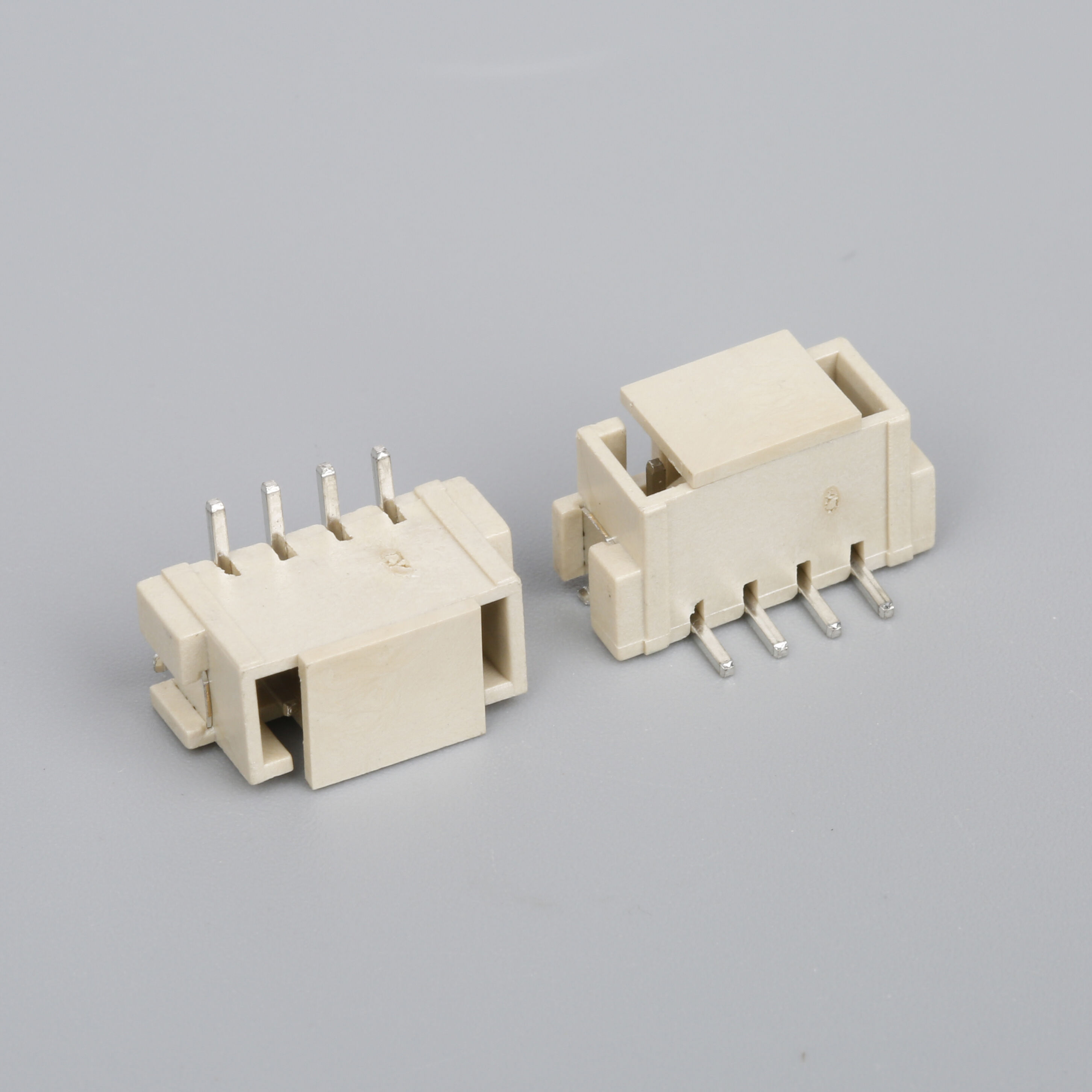
Automotive wiring harnesses serve as the central nervous system of modern vehicles, connecting electrical and electronic components throughout the entire structure. The longevity of automotive wiring harnesses directly impacts vehicle reliability, safety performance, and overall operational costs. Understanding the factors that influence harness lifespan enables manufacturers, fleet managers, and automotive engineers to make informed decisions about material selection, design optimization, and maintenance strategies. As vehicles become increasingly electrified and incorporate more sophisticated electronic systems, the demands placed on automotive wiring harnesses have intensified, making longevity considerations more critical than ever before.
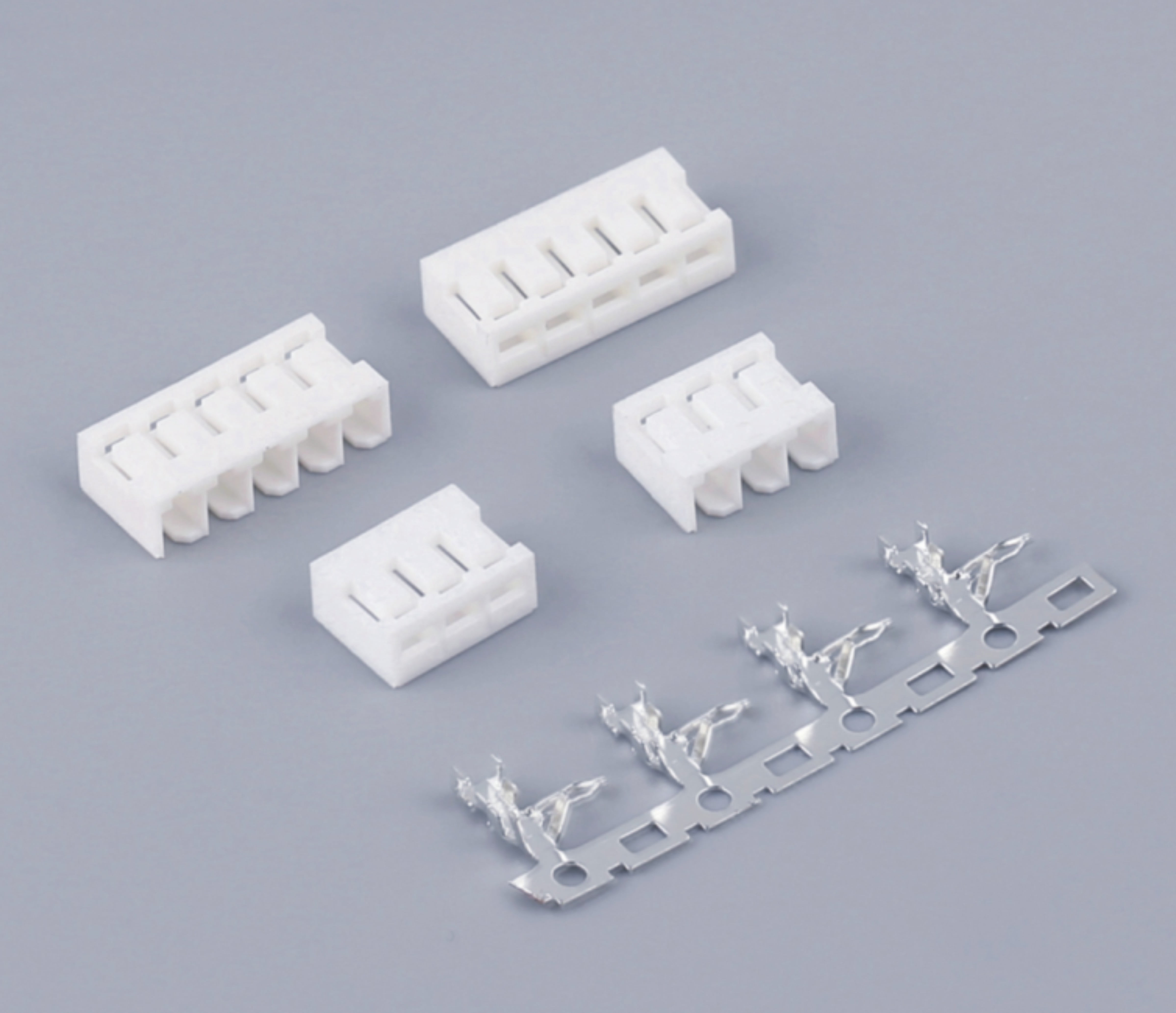
The service life of automotive wiring harnesses depends on a complex interplay of material quality, environmental conditions, mechanical stress factors, and manufacturing precision. Each vehicle environment presents unique challenges, from extreme temperature fluctuations and vibration exposure to chemical contamination and moisture ingress. The durability of these critical components determines not only warranty costs and customer satisfaction but also influences long-term vehicle value retention and operational safety. By examining the primary factors that affect harness longevity, stakeholders can implement targeted improvements that extend service life, reduce maintenance requirements, and enhance overall vehicle performance throughout the ownership cycle.
Material Quality and Wire Conductor Properties
Copper Conductor Purity and Metallurgical Characteristics
The conductor material forms the foundation of automotive wiring harnesses longevity, with copper purity levels directly correlating to electrical performance and resistance to degradation. High-purity copper conductors, typically ranging from 99.9% to 99.99% purity, exhibit superior conductivity, reduced resistive heating, and enhanced resistance to oxidation compared to lower-grade alternatives. The metallurgical structure of copper conductors, including grain size and crystal orientation, influences mechanical flexibility and fatigue resistance under continuous vibration. Manufacturers who specify oxygen-free copper or electrolytic tough pitch copper for their automotive wiring harnesses achieve significantly extended service life in demanding applications.
Conductor strand configuration plays an equally important role in determining harness longevity, with finer strand counts generally providing better flexibility and resistance to work hardening. Multi-strand conductors distribute mechanical stress more evenly across individual filaments, reducing the likelihood of single-point failures that can compromise circuit integrity. The annealing process applied during conductor manufacturing affects temper characteristics and bend radius capabilities, which directly impact how well automotive wiring harnesses withstand routing through tight spaces and repeated flexing during vehicle operation. Proper conductor selection balances electrical performance requirements with mechanical durability needs specific to each vehicle application zone.
Insulation Material Selection and Polymer Chemistry
Insulation materials create the protective barrier that shields conductors from environmental damage, electrical interference, and mechanical abrasion throughout the service life of automotive wiring harnesses. Cross-linked polyethylene, polyvinyl chloride, thermoplastic elastomers, and fluoropolymers each offer distinct advantages in specific temperature ranges, chemical resistance profiles, and flexibility characteristics. The molecular structure and cross-linking density of polymer insulation determine resistance to thermal aging, where prolonged exposure to elevated temperatures causes embrittlement and eventual insulation failure. Advanced polymer formulations incorporate antioxidants, UV stabilizers, and plasticizers that significantly extend material stability under harsh automotive operating conditions.
Insulation thickness and uniformity directly affect both electrical protection and mechanical durability of automotive wiring harnesses. Insufficient insulation thickness creates vulnerability to voltage breakdown, while excessive thickness adds unnecessary weight and reduces flexibility. Manufacturing processes that ensure consistent wall thickness around conductor cores prevent weak points where moisture ingress or mechanical damage might initiate failure cascades. The dielectric strength of insulation materials must remain stable across the vehicle's operational temperature range, typically from negative forty to positive one hundred twenty-five degrees Celsius, without significant degradation that would compromise electrical isolation between adjacent circuits within tightly bundled harness assemblies.
Terminal and Connector Contact Materials
Contact elements within connector systems represent critical interfaces where electrical current transitions between automotive wiring harnesses and vehicle components. The longevity of these connection points depends heavily on contact material selection, with copper alloys, phosphor bronze, and precious metal plating systems each offering specific performance advantages. Gold plating provides superior corrosion resistance and maintains low contact resistance over extended service periods, making it ideal for signal circuits where electrical integrity cannot be compromised. Tin plating offers cost-effective corrosion protection for power distribution circuits where slightly higher contact resistance remains acceptable within design parameters.
Contact spring force and retention characteristics determine how well terminals maintain electrical connection integrity despite vibration, thermal cycling, and mechanical disturbance throughout vehicle operation. Properly designed contact elements in automotive wiring harnesses maintain consistent normal force against mating surfaces, preventing micro-motion that generates fretting corrosion and progressive resistance increases. The metallurgical properties of spring materials, including temper condition and stress relaxation resistance, govern long-term contact reliability. Terminal designs that incorporate multiple contact points or increased contact area provide redundancy that extends connection reliability even as individual contact surfaces experience gradual degradation from repeated mating cycles or environmental exposure.
Environmental Exposure and Operating Conditions
Temperature Extremes and Thermal Cycling Effects
Operating temperature represents one of the most significant factors affecting the longevity of automotive wiring harnesses, with thermal stress accelerating material degradation through multiple mechanisms. Under-hood environments expose harnesses to sustained elevated temperatures from engine heat, exhaust system proximity, and turbocharger radiation, often reaching one hundred fifty degrees Celsius or higher in extreme locations. These elevated temperatures accelerate polymer chain scission in insulation materials, causing embrittlement, cracking, and eventual loss of electrical isolation. The rate of thermal degradation follows exponential relationships, where each ten-degree temperature increase can potentially halve material service life according to established accelerated aging models.
Thermal cycling introduces additional stress factors beyond absolute temperature exposure, as repeated expansion and contraction cycles generate mechanical fatigue in both conductors and insulation systems. The coefficient of thermal expansion mismatch between copper conductors and polymer insulation creates interfacial stress during temperature transitions, potentially causing delamination or insulation cracking over thousands of thermal cycles. Automotive wiring harnesses routed near components with significant temperature fluctuations, such as exhaust manifolds or cooling system elements, experience particularly aggressive thermal cycling regimes. Design strategies that incorporate thermal barriers, reflective wrapping, or strategic routing away from heat sources substantially extend harness longevity in high-temperature zones.
Moisture Ingress and Humidity Exposure
Water intrusion represents a persistent threat to automotive wiring harnesses longevity, initiating corrosion processes that progressively degrade both conductors and connection points. Moisture can enter harness systems through damaged insulation, incomplete connector seals, capillary action along conductor strands, or condensation within sealed cavities during temperature cycling. Once present, water facilitates electrochemical corrosion of copper conductors, particularly in the presence of road salt, industrial pollutants, or battery electrolyte contamination. Green copper oxide and verdigris formation progressively increase circuit resistance, generate localized heating, and eventually cause open circuits or intermittent connection failures.
Connector sealing systems provide the primary defense against moisture-related degradation in automotive wiring harnesses, with seal material selection and interface design determining long-term protection effectiveness. Silicone and EPDM rubber seals maintain elasticity and sealing force across wide temperature ranges, preventing water ingress at connector interfaces. However, seal compression set and stress relaxation over time gradually reduce sealing effectiveness, particularly in connectors that experience frequent vibration or thermal cycling. Secondary moisture protection strategies include dielectric grease application at contact interfaces, conformal coating of circuit boards within modules, and strategic harness routing that minimizes water accumulation points where gravity-driven drainage cannot evacuate condensation or splash water.
Chemical Exposure and Fluid Contamination
Automotive environments expose wiring harnesses to a diverse array of chemical substances that can attack insulation materials, degrade connector housings, and accelerate corrosion processes. Engine oils, transmission fluids, brake fluids, coolants, windshield washer solutions, and battery acids each present specific chemical compatibility challenges depending on harness routing and proximity to fluid systems. Certain polymer insulation materials exhibit poor resistance to specific automotive fluids, with plasticizers leaching out upon contact or polymer chains breaking down through chemical reaction. The longevity of automotive wiring harnesses in under-hood and underbody locations depends critically on selecting insulation and jacketing materials with proven resistance to expected fluid exposures.
Road salt, de-icing chemicals, and industrial atmospheric pollutants create additional chemical stress factors that accelerate harness degradation in exposed locations. Chloride ions from road salt are particularly aggressive toward copper conductors and aluminum connector housings, initiating pitting corrosion that penetrates protective oxide layers. Sulfur compounds from industrial pollution or diesel exhaust can attack certain elastomeric seal materials and cause discoloration or embrittlement of wire insulation. Automotive wiring harnesses designed for extended longevity incorporate chemical-resistant outer jackets, sealed connector systems with secondary environmental barriers, and strategic routing that minimizes direct exposure to contaminated environments while maintaining necessary electrical connections throughout the vehicle architecture.
Mechanical Stress Factors and Physical Loading
Vibration Exposure and Flexural Fatigue
Continuous vibration represents one of the most damaging mechanical stress factors affecting automotive wiring harnesses, with high-frequency oscillations generating cumulative fatigue damage in both conductors and termination points. Engine vibration, road surface irregularities, and component resonances subject harnesses to complex multi-axis acceleration profiles spanning frequencies from single-digit hertz to several hundred hertz. Conductor strands experience work hardening and eventual fracture from repeated flexing, with failure typically initiating at stress concentration points near terminals or at locations where harnesses transition between fixed mounting points. The longevity of automotive wiring harnesses under vibration loading depends on proper support spacing, strain relief design, and conductor strand configuration.
Resonant frequency matching between harness support systems and vehicle vibration sources can dramatically accelerate fatigue failure if natural frequencies align with dominant excitation frequencies. Inadequately supported harness sections may develop standing wave patterns during operation, creating localized stress peaks that initiate progressive damage. Design practices that incorporate appropriate support clip spacing, typically ranging from one hundred to three hundred millimeters depending on harness diameter and flexibility, prevent excessive amplitude motion that accelerates fatigue accumulation. Automotive wiring harnesses routed along flexible body panels or adjacent to rotating machinery require particularly careful attention to vibration isolation and support design to achieve target service life expectations.
Abrasion Resistance and Mechanical Wear
Physical abrasion from contact with vehicle structure, adjacent components, or other harness branches gradually erodes insulation thickness and eventually exposes conductors to short circuit risks. Vibration-induced relative motion between harnesses and contact surfaces generates repeated rubbing that progressively removes insulation material through mechanical wear. Sharp edges on metal brackets, body panel flanges, or nearby components create particularly aggressive abrasion conditions that can penetrate insulation within relatively short operating periods. The longevity of automotive wiring harnesses depends on identifying potential abrasion points during design validation and implementing appropriate protective measures such as conduit wrapping, edge guards, or routing modifications.
Abrasion-resistant protective materials including braided sleeving, corrugated conduit, and foam wraps provide effective mechanical barriers that shield harness insulation from wear. However, the protective materials themselves must maintain integrity throughout vehicle service life without degrading, compressing, or shifting position in ways that expose previously protected sections. Automotive wiring harnesses in high-abrasion zones such as door hinges, trunk lids, or sliding seat tracks require particularly robust protection systems that accommodate repeated flexing without compromising insulation integrity. Testing protocols that simulate accelerated abrasion exposure help validate protective system adequacy before production implementation, reducing field failure risks that compromise harness longevity.
Tensile Loading and Strain Management
Tensile forces applied to automotive wiring harnesses during assembly, service operations, or vehicle motion can exceed conductor mechanical strength limits and cause immediate or progressive failure. Pulling forces during installation may stretch conductors beyond elastic limits, causing permanent deformation or strand breakage that reduces current carrying capacity and accelerates subsequent failure. Moving assemblies such as sliding doors, adjustable seats, or articulating body panels subject harnesses to repeated extension and retraction cycles that accumulate fatigue damage if strain management systems fail to properly distribute mechanical loading. The longevity of automotive wiring harnesses in dynamic applications depends on incorporating adequate service loops, spiral cable designs, or guided routing systems that prevent excessive conductor tension.
Strain relief systems at connector interfaces and terminal crimp points protect these vulnerable locations from tensile overload that can pull contacts from housing cavities or separate conductors from crimped terminals. Proper strain relief design transfers mechanical loading from flexible conductors to structural harness components such as connector bodies, support brackets, or protective conduit. Automotive wiring harnesses that lack adequate strain relief experience accelerated failure at termination points, where stress concentration effects multiply applied loads and initiate progressive damage. Design validation testing that applies realistic tensile loads during vibration exposure helps identify strain relief inadequacies before production release, ensuring harnesses achieve intended longevity targets under actual vehicle operating conditions.
Manufacturing Quality and Assembly Precision
Terminal Crimping Quality and Connection Integrity
Crimp connection quality fundamentally determines the electrical and mechanical reliability of automotive wiring harnesses throughout their service life. Proper crimping creates gas-tight metal-to-metal contact between terminal and conductor strands through controlled plastic deformation that maintains electrical conductivity while providing mechanical retention strength. Insufficient crimp compression results in high contact resistance, localized heating, and progressive connection degradation from thermal cycling and vibration. Excessive crimp compression causes conductor strand breakage, reduced pull-off strength, and potential stress concentration points that initiate fatigue cracks. The longevity of automotive wiring harnesses depends on maintaining precise crimp parameters within validated specification windows throughout production operations.
Crimp height inspection, pull force testing, and cross-sectional analysis provide quality verification methods that ensure individual connections meet performance requirements. Statistical process control systems that monitor crimp parameters in real-time detect tooling wear, setup drift, or material variation before defective connections enter vehicle production. Automotive wiring harnesses manufactured with validated crimping processes and comprehensive quality verification systems demonstrate significantly extended service life compared to assemblies with inconsistent or poorly controlled termination quality. Advanced manufacturing facilities incorporate automated crimp force monitoring, vision system verification, and electrical resistance testing to identify and segregate potentially defective connections before harness assembly completion.
Wire Stripping and Insulation Damage Prevention
Insulation stripping operations represent critical process steps where improper technique or equipment setup can inflict damage that compromises long-term harness reliability. Excessive blade pressure during stripping can nick or score conductor strands, creating stress concentration points that initiate fatigue cracks under subsequent vibration exposure. Insufficient stripping length leaves insulation material within crimp barrels, preventing proper conductor compression and creating high-resistance connections prone to thermal failure. Excessive stripping length exposes unprotected conductor sections that become vulnerable to corrosion from environmental moisture or chemical contamination. The longevity of automotive wiring harnesses requires precise insulation removal that preserves conductor integrity while providing optimal termination geometry.
Automated wire processing equipment with closed-loop blade positioning and force monitoring systems achieves consistent stripping quality that manual operations cannot reliably maintain across high-volume production. Periodic blade replacement schedules prevent excessive tool wear that causes ragged insulation edges or conductor damage. Automotive wiring harnesses produced with properly maintained automatic processing equipment demonstrate more consistent quality metrics and extended field reliability compared to manually processed alternatives. Process validation protocols that include microscopic examination of stripped conductor ends, strand breakage counts, and insulation cut quality help establish optimal processing parameters that maximize harness longevity while maintaining production efficiency targets.
Assembly Routing and Support Installation
Harness installation quality during vehicle assembly directly affects long-term reliability by determining mechanical stress distribution, environmental exposure, and potential damage from adjacent components. Improper routing that creates tight bend radius conditions, excessive tension, or interference with moving parts initiates progressive damage that reduces harness longevity below design expectations. Support clip installation with inadequate engagement, missing fasteners, or incorrect positioning allows excessive harness motion that accelerates vibration fatigue and abrasion wear. The longevity of automotive wiring harnesses depends not only on inherent design quality but equally on consistent installation practices that follow validated assembly procedures.
Assembly work instructions with clear routing diagrams, support location specifications, and quality verification checkpoints help ensure consistent installation across production volumes. Poka-yoke fixtures and assembly aids that physically guide correct harness routing prevent common installation errors that compromise reliability. Automotive wiring harnesses in complex vehicle architectures benefit from modular pre-assembly strategies that allow controlled installation of harness sections before final vehicle integration, reducing installation stress and damage risks. Post-installation inspection protocols that verify proper routing, support engagement, and clearance to adjacent components provide final quality gates that prevent defective installations from reaching customers where premature failures would occur.
Design Optimization and Engineering Considerations
Circuit Protection and Overcurrent Management
Electrical overcurrent conditions represent significant threats to automotive wiring harnesses longevity, with excessive current flow generating resistive heating that accelerates insulation degradation and can initiate thermal runaway failures. Properly sized conductors for expected current loads maintain temperature rise within acceptable limits during normal operation, but short circuit conditions or component failures can impose currents many times above design ratings. Fuse and circuit breaker protection systems must interrupt fault currents before conductor temperatures reach levels that damage insulation or create fire hazards. The longevity of automotive wiring harnesses depends on coordinated protection system design that balances nuisance trip prevention with rapid fault clearing capability.
Conductor ampacity ratings account for ambient temperature, bundling effects, and duty cycle patterns to ensure thermal limits remain within safe operating ranges throughout vehicle life. High-current circuits in hybrid and electric vehicles impose particularly demanding thermal management requirements on automotive wiring harnesses, with continuous power delivery to traction motors and battery charging systems generating sustained heat loads. Advanced thermal modeling during design phases helps identify potential hot spots where current density, ambient temperature, or inadequate heat dissipation might compromise long-term insulation integrity. Design validation testing with thermal imaging and temperature data logging under worst-case loading conditions verifies that actual operating temperatures remain below material degradation thresholds throughout expected service life.
Electromagnetic Compatibility and Shielding Effectiveness
Electromagnetic interference susceptibility and emission characteristics of automotive wiring harnesses influence both their own longevity and the reliability of connected electronic systems. Unshielded signal circuits can pick up electromagnetic noise from adjacent power wiring, ignition systems, or electric motor drives, causing electronic control unit malfunctions that may trigger protective shutdowns or component damage. High-frequency noise coupled onto power distribution circuits can create standing waves and voltage stress points that accelerate insulation breakdown over extended operation. The longevity of automotive wiring harnesses in electronically dense vehicle architectures depends on appropriate shielding, grounding, and circuit separation strategies that maintain electromagnetic compatibility throughout service life.
Shielded cable constructions using braided metal screens or metallized foil wrapping provide effective electromagnetic barriers for sensitive signal circuits, but shield integrity must persist throughout vehicle operation despite vibration, flexing, and environmental exposure. Shield termination quality at connector interfaces determines actual shielding effectiveness, with incomplete or high-impedance ground connections significantly degrading noise rejection performance. Automotive wiring harnesses designed for extended longevity incorporate shield drain wires, 360-degree shield termination methods, and corrosion-resistant shield materials that maintain low-impedance ground paths despite aging effects. Testing protocols that verify shielding effectiveness both at production and after accelerated aging exposure help ensure electromagnetic protection remains adequate throughout target service life periods.
Serviceability and Maintenance Accessibility
Design features that facilitate inspection, testing, and repair operations contribute significantly to practical automotive wiring harnesses longevity by enabling preventive maintenance and efficient fault correction. Modular harness architectures with strategically located connectors allow isolation and replacement of damaged sections without requiring complete harness removal. Test points and diagnostic connectors provide access for electrical measurements that identify degraded connections or circuits approaching failure conditions before complete breakdowns occur. The effective longevity of automotive wiring harnesses extends beyond inherent material durability to include maintainability characteristics that allow cost-effective service interventions when age-related degradation becomes detectable.
Color coding systems, wire identification labels, and circuit documentation enable technicians to accurately diagnose electrical faults and perform correct repair procedures without introducing additional damage. Protective covering systems that permit non-destructive inspection of insulation condition allow assessment of harness health during routine maintenance intervals. Automotive wiring harnesses designed with serviceability considerations demonstrate extended practical service life in fleet applications where proactive maintenance programs identify and address degradation before catastrophic failures occur. Design reviews that specifically address maintenance accessibility, repair procedure feasibility, and diagnostic capability help optimize harness longevity from both durability and supportability perspectives throughout the complete vehicle lifecycle.
FAQ
What is the typical expected lifespan of automotive wiring harnesses in modern vehicles?
The expected lifespan of automotive wiring harnesses typically ranges from ten to fifteen years or approximately one hundred fifty thousand to two hundred thousand miles under normal operating conditions. However, actual service life varies significantly based on vehicle application, environmental exposure severity, and maintenance practices. Harnesses in harsh environments such as commercial trucks, construction equipment, or vehicles operated in extreme climates may experience shorter service lives, while passenger vehicles in moderate climates with regular maintenance often exceed design life expectations. Premium automotive wiring harnesses manufactured with superior materials and construction methods can achieve service lives extending beyond twenty years in favorable conditions. The increasing electrical complexity of modern vehicles with advanced driver assistance systems and electrified powertrains places greater demands on harness durability, making material selection and design optimization increasingly critical for achieving target longevity.
How do extreme temperature environments specifically affect different components within wiring harnesses?
Extreme temperatures affect various automotive wiring harnesses components through distinct degradation mechanisms that operate at different rates. High temperatures accelerate polymer chain breakdown in insulation materials, causing embrittlement and cracking that eventually compromises electrical isolation. Conductor annealing occurs at sustained elevated temperatures, reducing mechanical strength and fatigue resistance. Terminal contact springs experience stress relaxation at high temperatures, gradually losing contact force and allowing increased electrical resistance. Low temperatures cause insulation materials to become brittle and susceptible to crack propagation from mechanical stress or vibration. Seal materials lose elasticity in cold conditions, potentially allowing moisture ingress at connector interfaces. The combination of high and low temperature cycling generates particularly aggressive stress conditions, as thermal expansion coefficient differences between materials create interfacial shear forces. Understanding these temperature-dependent degradation mechanisms allows engineers to select appropriate materials and implement protective measures that extend harness longevity in specific thermal environments encountered throughout vehicle operation.
Can damaged sections of automotive wiring harnesses be reliably repaired, or does damage always require complete replacement?
Damaged automotive wiring harnesses can often be reliably repaired when appropriate procedures and materials are used, though replacement remains preferable for extensive damage or critical circuit applications. Minor insulation abrasion can be addressed with approved repair tape or heat-shrink tubing that restores environmental protection. Individual wire breaks can be spliced using properly crimped splice connectors followed by heat-shrink insulation, maintaining electrical continuity and mechanical strength. Connector replacements can address damaged terminal interfaces or compromised sealing systems. However, repairs introduce potential reliability concerns including additional connection points, altered impedance characteristics, and possible moisture ingress paths if not executed properly. Critical circuits controlling safety systems, high-current power distribution, or sensitive electronic signals generally require complete harness replacement rather than field repairs to ensure reliability. The decision between repair and replacement depends on damage extent, circuit criticality, accessibility for proper repair execution, and economic considerations balancing repair costs against replacement expenses and reliability risks that might affect long-term harness longevity.
What preventive maintenance practices most effectively extend automotive wiring harnesses service life?
Several preventive maintenance practices effectively extend automotive wiring harnesses service life when implemented consistently throughout the vehicle operational period. Regular visual inspections identify early signs of insulation damage, abrasion wear, or protective covering degradation before failures occur, allowing timely protective interventions. Connector cleaning and dielectric grease application during scheduled maintenance intervals prevent corrosion formation and maintain low contact resistance. Support clip verification ensures harnesses remain properly secured, preventing excessive motion that accelerates vibration fatigue. Thermal imaging surveys during maintenance intervals can identify high-resistance connections or current overload conditions causing elevated temperatures that accelerate degradation. Electrical testing including insulation resistance measurements and voltage drop analysis across connector interfaces detects degraded connections approaching failure thresholds. Protective covering renewal or supplemental wrapping in high-abrasion zones extends mechanical protection after original covering shows wear. Moisture drainage verification ensures harness routing maintains proper orientation for water evacuation from low points. These proactive maintenance practices, particularly valuable in commercial fleet applications, substantially extend practical harness longevity beyond typical passenger vehicle service life expectations where reactive maintenance approaches predominate.
Table of Contents
- Material Quality and Wire Conductor Properties
- Environmental Exposure and Operating Conditions
- Mechanical Stress Factors and Physical Loading
- Manufacturing Quality and Assembly Precision
- Design Optimization and Engineering Considerations
-
FAQ
- What is the typical expected lifespan of automotive wiring harnesses in modern vehicles?
- How do extreme temperature environments specifically affect different components within wiring harnesses?
- Can damaged sections of automotive wiring harnesses be reliably repaired, or does damage always require complete replacement?
- What preventive maintenance practices most effectively extend automotive wiring harnesses service life?

