
 EN
EN



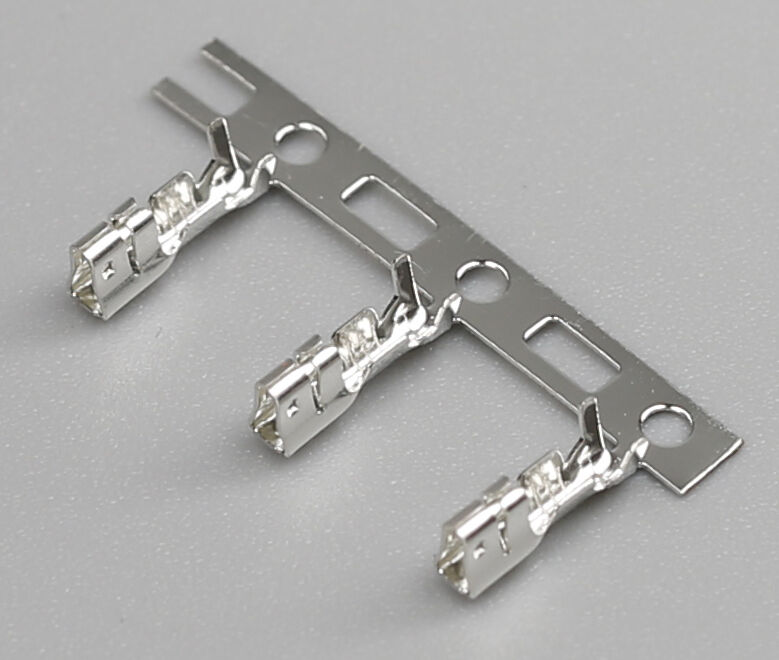
Wire to wire connectors serve as critical junction points in electrical systems, enabling the seamless transfer of power and signals between different circuit segments. Despite their fundamental importance in modern electronics, these connectors represent potential points of vulnerability where electrical failures can occur, leading to system malfunctions, safety hazards, and costly downtime. Understanding the common failure mechanisms that affect wire to wire connectors is essential for engineers, technicians, and maintenance professionals who rely on these components for reliable electrical connections.
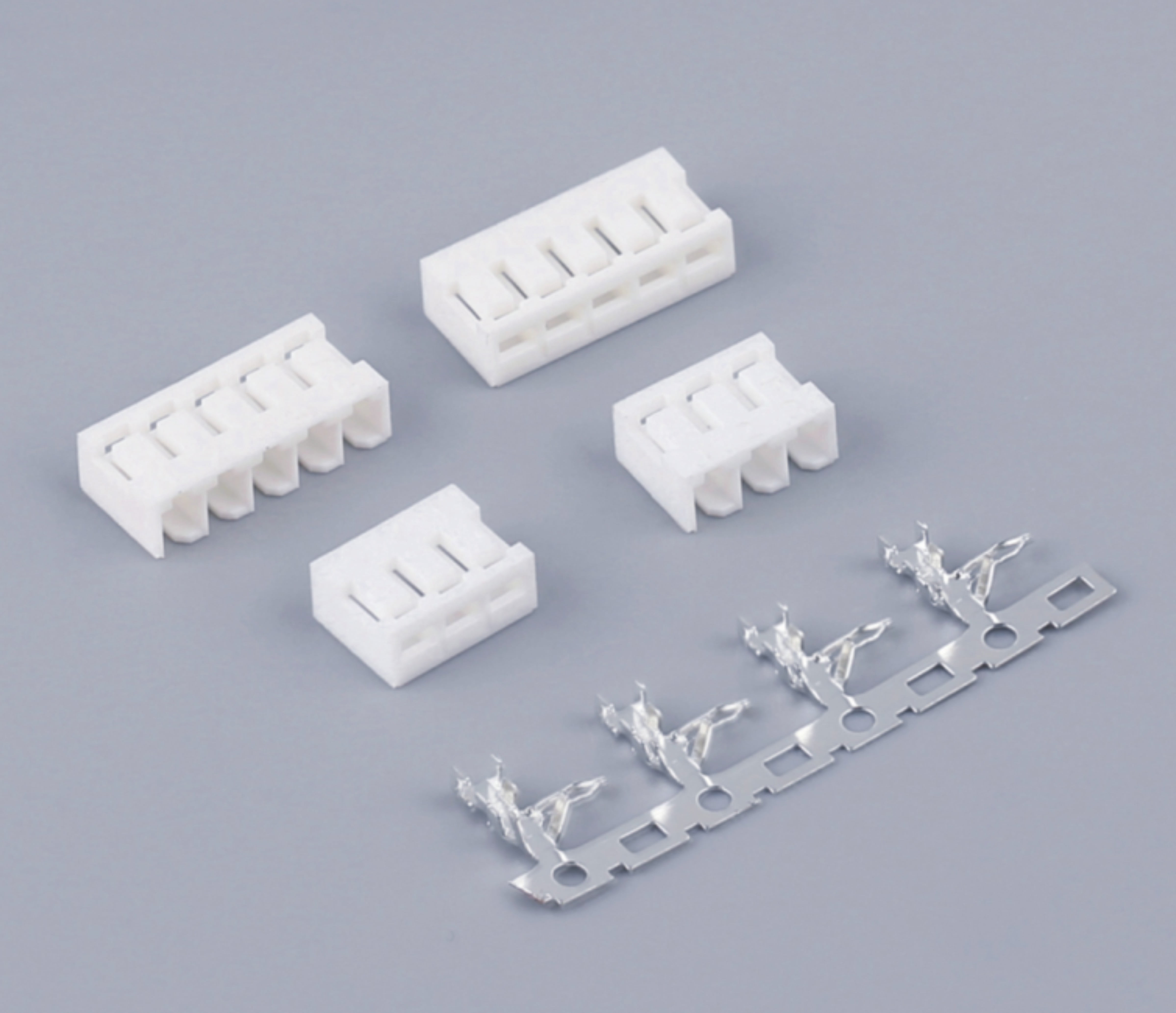
The failure of wire to wire connectors can stem from various factors including environmental conditions, mechanical stress, electrical overload, and improper installation practices. These failures not only compromise the immediate functionality of electrical circuits but can also create cascading effects throughout entire systems. By identifying the root causes of connector failures and implementing appropriate preventive measures, organizations can significantly improve system reliability while reducing maintenance costs and operational disruptions.
Contact Resistance and Oxidation Issues
Understanding Contact Resistance Development
Contact resistance represents one of the most prevalent failure mechanisms in wire to wire connectors, occurring when the electrical resistance at the contact interface increases beyond acceptable limits. This phenomenon typically develops gradually as microscopic surface films, oxidation layers, and contaminants accumulate on the contact surfaces. The increased resistance generates heat during current flow, which accelerates further oxidation and creates a self-reinforcing degradation cycle that can ultimately lead to complete connection failure.
The development of contact resistance in wire to wire connectors often begins with the formation of thin oxide layers on metal contact surfaces, particularly when exposed to atmospheric oxygen and moisture. These oxide films, while only nanometers thick initially, can significantly impede electrical conductivity and create voltage drops across the connection. As current continues to flow through these high-resistance interfaces, localized heating occurs, which promotes further oxidation and may cause thermal expansion that reduces contact pressure.
Environmental factors such as humidity, temperature cycling, and exposure to corrosive gases can accelerate the formation of contact resistance in wire to wire connectors. In industrial environments where connectors may be exposed to chemical vapors, salt spray, or other aggressive substances, the rate of surface oxidation and contamination increases dramatically. This makes regular inspection and maintenance of connector contacts essential for preventing resistance-related failures in demanding applications.
Oxidation Prevention Strategies
Preventing oxidation in wire to wire connectors requires a multi-faceted approach that addresses both material selection and environmental protection. The use of noble metal plating on contact surfaces, such as gold or silver, provides excellent oxidation resistance while maintaining low contact resistance over extended periods. However, the thickness and quality of these protective platings must be carefully specified to ensure adequate coverage without compromising mechanical properties or introducing galvanic corrosion concerns.
Environmental sealing represents another critical strategy for preventing oxidation-related failures in wire to wire connectors. Properly designed sealing systems using elastomeric gaskets, O-rings, or potting compounds can effectively exclude moisture, oxygen, and other corrosive agents from contact areas. The selection of appropriate sealing materials must consider factors such as temperature range, chemical compatibility, and long-term aging characteristics to ensure reliable protection throughout the connector's service life.
Regular maintenance procedures, including periodic cleaning and inspection of contact surfaces, can significantly extend the operational life of wire to wire connectors in oxidation-prone environments. The use of contact cleaning solvents and protective lubricants specifically formulated for electrical contacts can help remove surface contaminants while providing ongoing protection against oxidation. However, care must be taken to select cleaning agents that are compatible with connector materials and do not leave conductive or insulating residues.
Mechanical Stress and Fatigue Failures
Vibration and Shock-Induced Damage
Mechanical stress represents a significant threat to the reliability of wire to wire connectors, particularly in applications subject to vibration, shock, or thermal cycling. Repeated mechanical loading can cause fatigue fractures in contact springs, loosening of threaded connections, or gradual degradation of contact pressure that leads to intermittent failures. The cumulative effect of mechanical stress often manifests as increased contact resistance, arcing, or complete loss of electrical continuity.
Vibration-induced failures in wire to wire connectors typically occur through mechanisms such as fretting corrosion, where microscopic relative motion between contact surfaces removes protective oxide layers and exposes fresh metal to oxidation. This process creates wear debris that can further increase contact resistance and accelerate degradation. The frequency and amplitude of vibrations, combined with the normal force between contacts, determine the severity of fretting damage and the rate at which connector performance deteriorates.
Shock loads on wire to wire connectors can cause immediate damage through mechanisms such as contact welding, where high instantaneous forces create localized heating and material transfer between contact surfaces. Alternatively, shock forces may exceed the yield strength of connector materials, causing permanent deformation that reduces contact pressure or creates stress concentrations that promote crack initiation and growth. The design of shock-resistant connectors must consider both the magnitude and duration of expected impact loads.
Thermal Expansion and Contraction Effects
Thermal cycling represents another critical form of mechanical stress that affects wire to wire connectors, as differential expansion between dissimilar materials can create significant internal forces. When connectors experience temperature variations, different components expand and contract at different rates, potentially causing loosening of connections, cracking of insulating materials, or loss of contact pressure. These thermal effects are particularly pronounced in outdoor applications or industrial environments with wide temperature ranges.
The coefficient of thermal expansion mismatch between copper conductors and connector housing materials can create substantial stress concentrations during temperature cycling. As temperatures rise, the different expansion rates can cause binding or excessive stress on contact interfaces, while cooling cycles may reduce contact pressure below acceptable levels. This thermal fatigue can gradually weaken wire to wire connectors and increase the likelihood of intermittent failures or complete loss of connectivity.
Proper design of thermally stable wire to wire connectors requires careful selection of materials with compatible expansion coefficients and the incorporation of compliance mechanisms that accommodate thermal movement. Spring-loaded contacts, flexible conductor arrangements, and stress-relief features can help maintain reliable connections despite thermal cycling. Additionally, the use of thermal barriers or insulation can help minimize temperature variations within connector assemblies.
Electrical Overload and Arcing Problems
Current-Carrying Capacity Limitations
Electrical overload represents a critical failure mode for wire to wire connectors when current levels exceed the design capacity of the connection system. Excessive current flow generates resistive heating that can damage contact surfaces, degrade insulating materials, or cause thermal expansion that reduces contact pressure. The relationship between current density, contact resistance, and temperature rise determines the safe operating limits for any given connector configuration.
The current-carrying capacity of wire to wire connectors depends on factors such as contact area, material properties, ambient temperature, and heat dissipation characteristics. When current levels approach or exceed these limits, localized heating can cause oxidation of contact surfaces, softening of metal components, or charring of insulating materials. This thermal damage creates a positive feedback loop where increased resistance leads to higher temperatures and accelerated degradation.
Transient overcurrent conditions, such as those caused by motor starting currents or short-circuit faults, can cause immediate damage to wire to wire connectors even when normal operating currents are within acceptable limits. These high-current events can cause contact welding, where the intense heat generated at the interface melts and fuses the contact surfaces together. Prevention of overcurrent damage requires proper circuit protection and careful matching of connector ratings to application requirements.
Arc Formation and Erosion
Arcing represents one of the most destructive failure mechanisms affecting wire to wire connectors, occurring when electrical current jumps across small air gaps between contact surfaces. Arc formation typically begins when contact pressure is reduced due to mechanical wear, vibration, or thermal effects, creating microscopic separations that cannot sustain normal current flow. The resulting electrical discharge generates intense heat and ultraviolet radiation that can rapidly erode contact materials and create conductive carbon deposits.
The erosive effects of arcing in wire to wire connectors depend on the arc energy, duration, and the properties of the contact materials involved. Repeated arcing events create pitting and crater formation on contact surfaces, which further reduces the effective contact area and increases the likelihood of future arc formation. The presence of organic contaminants or moisture can intensify arc damage by providing additional fuel for the electrical discharge and creating corrosive byproducts.
Prevention of arc-related failures in wire to wire connectors requires maintaining adequate contact pressure throughout the service life, proper circuit design to limit inrush currents, and the use of arc-resistant contact materials when appropriate. Contact materials with high melting points and good arc resistance, such as silver-based alloys, can help minimize erosion damage. Additionally, the incorporation of arc suppression devices or controlled switching sequences can reduce the severity of arcing during connection and disconnection operations.
Environmental and Contamination Factors
Moisture and Corrosion Effects
Moisture infiltration represents a persistent threat to wire to wire connectors, as water can promote electrochemical corrosion, reduce insulation resistance, and create conductive paths that lead to short circuits or ground faults. The presence of dissolved salts, acids, or other ionic contaminants in moisture significantly accelerates corrosion processes and can cause rapid degradation of both metallic and polymeric connector components.
Galvanic corrosion becomes particularly problematic in wire to wire connectors when dissimilar metals are present in the connection system. The electrochemical potential difference between different metals, combined with the presence of an electrolyte such as moisture, creates a galvanic cell that promotes rapid corrosion of the more active metal. This process can quickly degrade contact surfaces, reduce mechanical strength, and create insulating corrosion products that increase contact resistance.
The formation of conductive moisture films on insulator surfaces can cause tracking failures in wire to wire connectors, where electrical current follows moisture paths across insulating materials rather than through intended conductor paths. This phenomenon can lead to short circuits, ground faults, or flashover events that damage both the connector and associated circuit components. Prevention requires effective moisture exclusion and the use of hydrophobic insulating materials with appropriate surface treatments.
Chemical Contamination and Pollution
Industrial environments often expose wire to wire connectors to various chemical contaminants that can degrade performance through multiple mechanisms. Acidic or basic substances can directly attack contact materials or insulating components, while organic solvents may cause swelling or degradation of elastomeric seals. The accumulation of conductive particles, such as metal dust or carbon deposits, can create unwanted electrical paths that compromise insulation integrity.
Salt contamination represents a particularly serious concern for wire to wire connectors in marine or coastal environments, as chloride ions are highly aggressive toward most metallic materials. Salt deposits can absorb moisture from the atmosphere, creating persistent electrolytes that promote continuous corrosion even in relatively low-humidity conditions. The hygroscopic nature of salt contamination makes complete removal difficult and requires thorough cleaning followed by protective measures to prevent recontamination.
Biological contamination, including fungal growth or bacterial films, can affect wire to wire connectors in humid environments or applications involving organic materials. These biological agents can produce acidic metabolites that attack metallic components while creating conductive biofilms that reduce insulation resistance. Prevention strategies include the use of antimicrobial materials, proper ventilation to control humidity, and regular cleaning to remove organic deposits that could support biological growth.
Installation and Maintenance Best Practices
Proper Installation Techniques
Correct installation procedures are fundamental to preventing premature failure of wire to wire connectors and ensuring long-term reliability. Proper wire preparation, including appropriate stripping lengths, conductor tinning when required, and removal of oxidation or contamination, establishes the foundation for reliable connections. The use of proper tools and techniques for crimping, soldering, or mechanical attachment ensures adequate contact pressure and minimizes the introduction of stress concentrations that could lead to fatigue failures.
Torque specifications for threaded connections in wire to wire connectors must be carefully observed to achieve optimal contact pressure without overstressing components. Under-tightening can result in inadequate contact pressure and increased resistance, while over-tightening may damage threads, crush insulating materials, or create stress concentrations that promote crack formation. The use of calibrated torque tools and proper tightening sequences helps ensure consistent and reliable connections.
Environmental protection during installation requires attention to factors such as moisture exclusion, contamination prevention, and proper sealing procedures. The application of dielectric grease or other protective compounds should follow manufacturer specifications to avoid compatibility issues or unintended consequences. Proper routing and support of wire harnesses help minimize mechanical stress on connector interfaces while providing adequate service loops for maintenance access.
Preventive Maintenance Programs
Regular inspection and maintenance of wire to wire connectors can identify developing problems before they result in system failures or safety hazards. Visual inspections should look for signs of overheating, corrosion, mechanical damage, or contamination that could indicate impending failure. Thermographic imaging can detect hot spots caused by increased contact resistance, while electrical testing can identify changes in resistance or insulation integrity that warrant further investigation.
Cleaning procedures for wire to wire connectors must be carefully selected to remove contaminants without damaging sensitive components or leaving harmful residues. The use of appropriate solvents, cleaning tools, and drying methods helps restore connector performance while avoiding the introduction of new problems. Re-lubrication with compatible contact enhancers or protective compounds should follow cleaning operations to provide ongoing protection against oxidation and wear.
Replacement strategies for wire to wire connectors should consider both scheduled replacement based on service life recommendations and condition-based replacement triggered by inspection findings or performance degradation. Maintaining adequate spare parts inventory and ensuring proper storage conditions help minimize downtime when connector replacement becomes necessary. Documentation of maintenance activities and failure history provides valuable data for optimizing maintenance intervals and identifying recurring problems.
FAQ
What are the most common signs that wire to wire connectors are beginning to fail?
The most common early warning signs of wire to wire connector failure include visible discoloration or heat damage around connection points, intermittent electrical problems that come and go, increased voltage drop across connections, and physical signs such as corrosion, loose connections, or damaged insulation. Thermal imaging often reveals elevated temperatures at failing connections before visible damage occurs, making it an excellent diagnostic tool for preventive maintenance programs.
How often should wire to wire connectors be inspected and maintained?
Inspection frequency for wire to wire connectors depends on the operating environment and criticality of the application, but general guidelines recommend visual inspections every 6-12 months for most applications. Harsh environments with exposure to moisture, chemicals, or extreme temperatures may require monthly or quarterly inspections. Critical applications should have more frequent monitoring, while accessible connections in benign environments may be inspected annually during scheduled maintenance outages.
Can damaged wire to wire connectors be repaired, or must they be replaced?
Minor damage to wire to wire connectors, such as surface oxidation or loose connections, can often be repaired through proper cleaning, re-termination, or tightening procedures. However, connectors showing signs of overheating, significant corrosion, cracked housings, or damaged contact surfaces should typically be replaced rather than repaired to ensure reliable long-term performance. The cost of potential system failure usually justifies replacement of questionable connectors rather than attempting repairs.
What environmental factors pose the greatest risk to wire to wire connector reliability?
The most significant environmental threats to wire to wire connectors include moisture and humidity, which promote corrosion and reduce insulation resistance; temperature cycling, which creates mechanical stress through thermal expansion; exposure to corrosive chemicals or salt spray; vibration and mechanical shock; and contamination from dust, metal particles, or organic substances. UV radiation can also degrade polymer components in outdoor applications, while extreme temperatures can affect material properties and accelerate aging processes.
Table of Contents
- Contact Resistance and Oxidation Issues
- Mechanical Stress and Fatigue Failures
- Electrical Overload and Arcing Problems
- Environmental and Contamination Factors
- Installation and Maintenance Best Practices
-
FAQ
- What are the most common signs that wire to wire connectors are beginning to fail?
- How often should wire to wire connectors be inspected and maintained?
- Can damaged wire to wire connectors be repaired, or must they be replaced?
- What environmental factors pose the greatest risk to wire to wire connector reliability?

