
 EN
EN



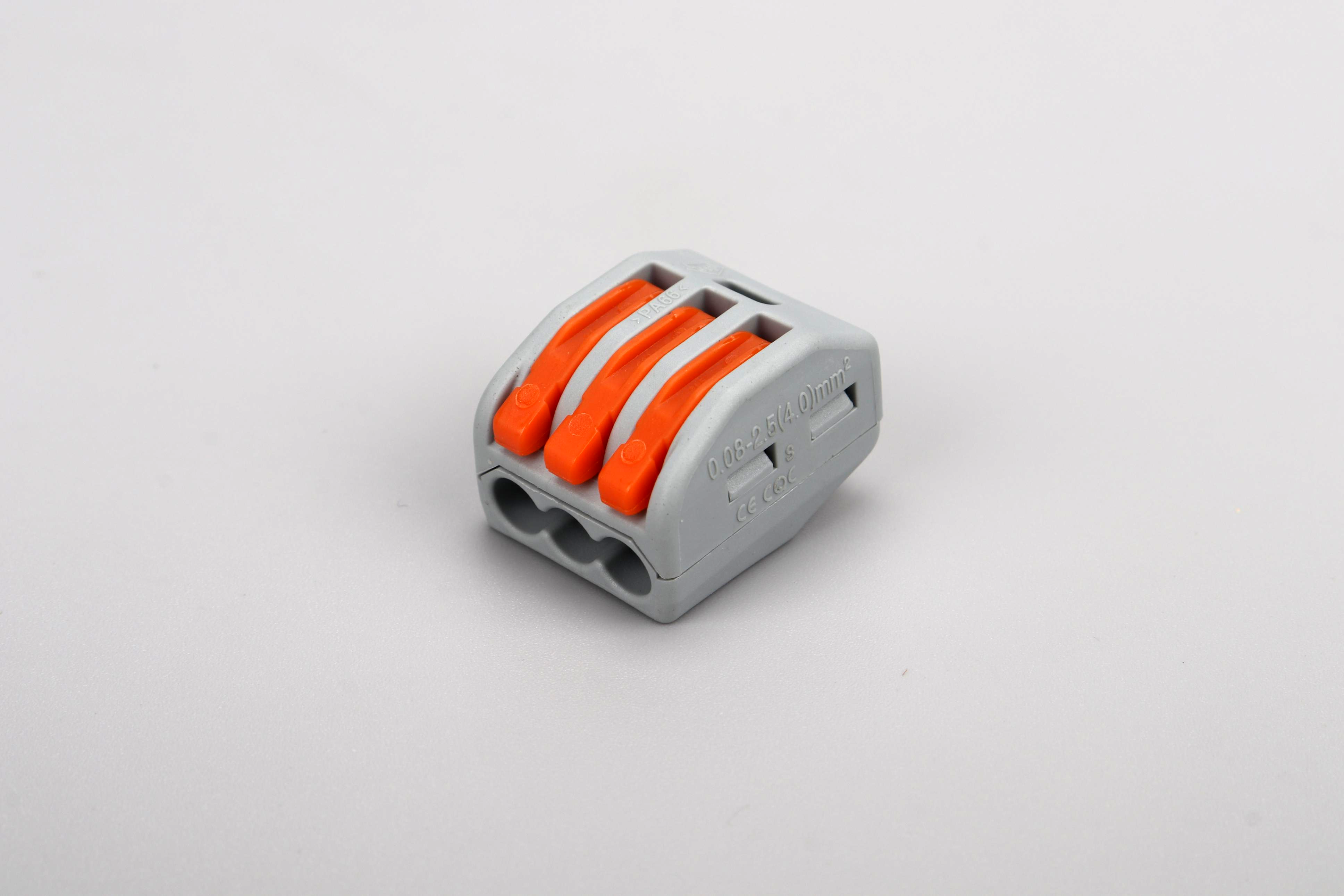
Wire to wire connectors serve as the critical junction points that determine the overall reliability and performance of industrial wiring systems. These essential components create secure electrical pathways between individual wire segments, eliminating the need for permanent splicing while maintaining consistent signal integrity and power transmission. In industrial environments where equipment downtime can cost thousands of dollars per hour, understanding how wire to wire connectors enhance system reliability becomes crucial for engineers, maintenance professionals, and facility managers.
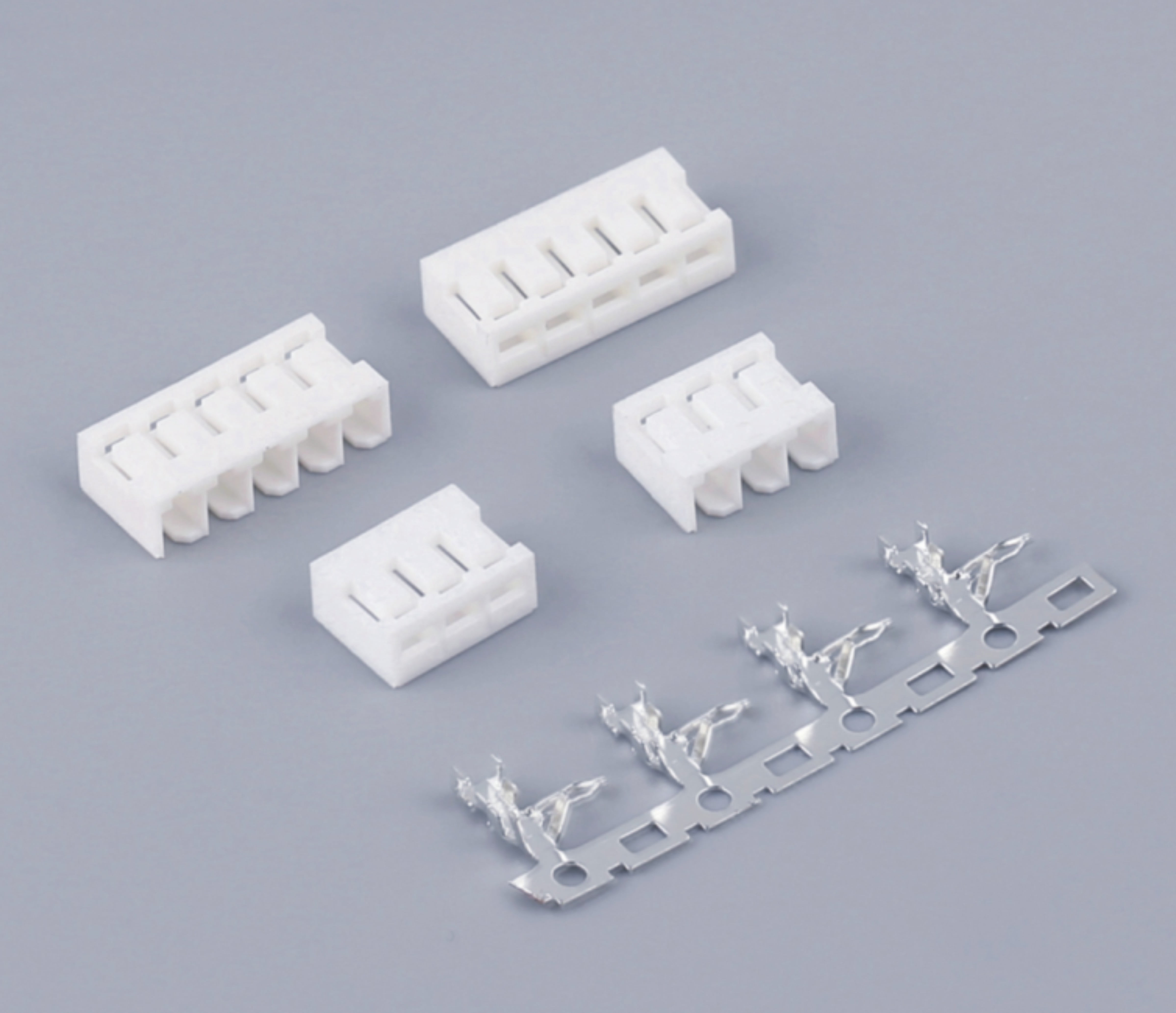
The reliability improvements provided by wire to wire connectors stem from their ability to create consistent, repeatable connections that resist environmental challenges while maintaining electrical continuity over extended operational periods. Unlike traditional wire splicing methods that rely on manual techniques and protective materials, these connectors incorporate engineered contact mechanisms, environmental sealing, and strain relief features that address the specific failure modes common in industrial applications. This comprehensive approach to connection reliability directly translates into reduced maintenance requirements, fewer system failures, and improved overall equipment effectiveness.
Mechanical Stability and Connection Integrity
Positive Contact Engagement Mechanisms
Wire to wire connectors utilize precisely engineered contact systems that create multiple points of electrical engagement between mating conductors. These contact mechanisms apply controlled pressure across designated contact surfaces, ensuring consistent electrical resistance and minimizing the formation of oxidation layers that can degrade connection quality over time. The positive engagement design prevents gradual loosening that commonly affects traditional wire nuts or twist-on connections in industrial environments subject to vibration and thermal cycling.
The spring-loaded contact elements within quality wire to wire connectors maintain consistent pressure even when subjected to thermal expansion and contraction cycles. This pressure consistency prevents the development of micro-gaps that can lead to arcing, overheating, and eventual connection failure. The controlled contact force also accommodates slight variations in wire diameter and conductor surface conditions while maintaining reliable electrical continuity.
Vibration and Shock Resistance
Industrial environments frequently expose electrical connections to significant vibration from rotating machinery, pneumatic systems, and material handling equipment. Wire to wire connectors address this challenge through mechanical designs that distribute stress loads across multiple contact points and incorporate strain relief features that prevent vibration energy from reaching the actual electrical connection interface. This mechanical isolation protects the critical electrical junction from the dynamic forces that can cause traditional spliced connections to work loose over time.
The housing design of wire to wire connectors typically includes features that mechanically couple the connected wire segments, preventing relative movement that could stress the electrical contact points. This coupling effect transforms what would otherwise be two independent wire segments into a mechanically unified assembly that responds to external forces as a single unit, significantly reducing the stress concentration at the electrical junction.
Strain Relief and Cable Management
Effective strain relief represents a critical factor in connection reliability, as cable movement and pulling forces can gradually compromise electrical contact integrity or cause conductor breakage near connection points. Wire to wire connectors incorporate integrated strain relief mechanisms that distribute pulling forces across the cable jacket and underlying conductors rather than concentrating stress at the electrical connection interface.
These strain relief features work in conjunction with proper cable management practices to minimize repetitive flexing and bending that can cause conductor fatigue and insulation breakdown. By maintaining controlled bend radii and preventing sharp cable transitions near connection points, wire to wire connectors help ensure that mechanical stresses remain within acceptable limits throughout the operational life of the wiring system.
Environmental Protection and Sealing
Moisture and Contaminant Exclusion
Wire to wire connectors provide superior environmental protection compared to traditional splicing methods by incorporating engineered sealing systems that prevent moisture, dust, and chemical contaminants from reaching the electrical contact surfaces. These sealing systems typically combine multiple barriers including elastomeric gaskets, threaded coupling mechanisms, and integrated wire seals that create a comprehensive environmental envelope around the connection.
The effectiveness of environmental sealing becomes particularly important in industrial applications where connections may be exposed to cleaning chemicals, process fluids, or high humidity conditions. Traditional wire splicing methods that rely on tape or heat shrink materials can develop seal failures over time due to adhesive degradation, material shrinkage, or mechanical damage. Wire to wire connectors address these limitations through sealing designs that maintain effectiveness even after extended exposure to challenging environmental conditions.
Temperature Cycling and Thermal Management
Industrial environments often subject electrical connections to significant temperature variations due to process heating, outdoor installations, or proximity to heat-generating equipment. Wire to wire connectors improve reliability under these conditions through material selection and design features that accommodate thermal expansion while maintaining electrical contact integrity and environmental sealing effectiveness.
The thermal performance of wire to wire connectors includes considerations for both the electrical contact materials and the housing components. Contact materials are selected for low thermal resistance and minimal expansion coefficient differences, while housing materials must maintain dimensional stability and sealing effectiveness across the specified temperature range. This comprehensive thermal design approach prevents the development of loose connections or seal failures that commonly affect less sophisticated connection methods.
Chemical Resistance and Industrial Atmosphere Compatibility
Many industrial facilities contain airborne chemicals, solvents, or corrosive substances that can attack traditional connection materials and compromise electrical integrity over time. Wire to wire connectors address these challenges through material selection that resists chemical attack and maintains performance in challenging atmospheric conditions.
The chemical resistance characteristics of wire to wire connectors extend to both the contact materials and the protective housing components. Contact materials may include corrosion-resistant alloys or protective plating systems, while housing materials are selected for resistance to specific chemicals commonly encountered in the target application environment. This material approach provides long-term reliability in challenging industrial atmospheres where traditional connection methods may experience accelerated degradation.
Electrical Performance and Signal Integrity
Contact Resistance Optimization
Wire to wire connectors achieve superior electrical performance through engineered contact designs that minimize electrical resistance while maintaining consistent impedance characteristics across the connection interface. The contact geometry and pressure distribution are optimized to maximize the effective contact area while minimizing the current path length through the connection.
Low contact resistance becomes particularly important in applications involving high current levels or sensitive electronic signals where even small voltage drops can affect system performance. Wire to wire connectors maintain consistent contact resistance over extended operational periods through contact materials and spring systems that resist oxidation and maintain pressure despite thermal cycling and vibration exposure.
Impedance Control and Signal Transmission
In applications involving high-frequency signals or data transmission, wire to wire connectors must maintain controlled impedance characteristics to prevent signal distortion and ensure reliable communication. The connector design incorporates geometric features that minimize impedance discontinuities at the connection interface while providing adequate environmental protection and mechanical reliability.
The impedance control achieved by wire to wire connectors extends beyond the immediate connection interface to include considerations for cable termination and strain relief effects on signal transmission characteristics. This comprehensive approach to signal integrity ensures that the connection does not introduce performance limitations in applications requiring high data rates or precise signal timing.
Electromagnetic Compatibility and Shielding
Industrial environments often contain significant sources of electromagnetic interference that can affect sensitive electronic systems. Wire to wire connectors can incorporate shielding features that maintain electromagnetic compatibility across the connection interface while providing the mechanical and environmental protection required for reliable operation.
The electromagnetic compatibility features of wire to wire connectors include provisions for maintaining shield continuity across the connection interface and minimizing the creation of antenna structures that could either radiate or receive unwanted electromagnetic energy. These features become particularly important in applications involving variable frequency drives, switching power supplies, or sensitive instrumentation systems that require protection from electromagnetic interference.
Maintenance and Serviceability Advantages
Inspection and Diagnostic Accessibility
Wire to wire connectors provide significant maintenance advantages through designs that allow for periodic inspection and testing without requiring permanent modification of the wiring system. The ability to disconnect and reconnect wire to wire connectors enables maintenance personnel to isolate circuit segments for testing, perform insulation resistance measurements, and verify connection integrity as part of preventive maintenance programs.
This serviceability advantage becomes particularly valuable in critical industrial applications where regular testing and verification of electrical system integrity helps prevent unexpected failures and associated production disruptions. Traditional spliced connections typically require destructive testing methods or complete replacement to verify connection quality, making them less suitable for applications requiring ongoing maintenance verification.
Rapid Replacement and System Recovery
When connection problems do occur, wire to wire connectors enable rapid diagnosis and replacement without requiring specialized tools or extensive system downtime. The ability to quickly disconnect and replace a suspect connection helps minimize the duration of production interruptions while ensuring that replacement connections meet the same performance standards as the original installation.
The standardized interface provided by wire to wire connectors also simplifies inventory management and ensures that replacement components maintain compatibility with existing system configurations. This standardization reduces the risk of installation errors and ensures that emergency repairs can be completed quickly with readily available components.
Preventive Maintenance and Life Cycle Management
The removable nature of wire to wire connectors enables implementation of comprehensive preventive maintenance programs that can identify potential connection problems before they result in system failures. Regular inspection and testing of connections can reveal degradation trends that allow for planned replacement during scheduled maintenance windows rather than emergency repairs during production periods.
Wire to wire connectors also support life cycle management practices by enabling selective replacement of connection components without requiring modification of the associated wiring infrastructure. This capability allows maintenance teams to address aging connections proactively while preserving the investment in existing cable installations and routing systems.
FAQ
How often should wire to wire connectors be inspected in industrial applications?
Wire to wire connectors in industrial environments should be visually inspected monthly for signs of environmental damage, overheating, or mechanical stress, with detailed electrical testing performed annually or according to facility maintenance schedules. Critical applications may require more frequent inspection intervals based on the consequences of connection failure and environmental exposure conditions.
Can wire to wire connectors handle the same current levels as permanent wire splicing methods?
Quality wire to wire connectors are engineered to handle current levels equal to or exceeding those of permanent splicing methods when properly selected and installed. The current-carrying capacity depends on the connector contact design, conductor size compatibility, and environmental conditions, with many industrial-grade connectors rated for currents ranging from several amperes to hundreds of amperes.
What environmental conditions can wire to wire connectors withstand in industrial settings?
Industrial-grade wire to wire connectors are typically designed to operate in temperature ranges from -40°C to +125°C, with environmental sealing ratings that provide protection against moisture, dust, and many industrial chemicals. Specific environmental capabilities vary by connector design and should be verified against the actual application conditions including temperature cycling, vibration levels, and chemical exposure requirements.
Do wire to wire connectors require special tools for installation and maintenance?
Most wire to wire connectors are designed for installation using standard electrical tools such as wire strippers and crimping tools, though some specialized connectors may require specific installation tools to achieve proper connection quality. The tool requirements are typically minimal compared to permanent splicing methods, and the ability to disconnect connections for maintenance often eliminates the need for specialized diagnostic equipment.
Table of Contents
- Mechanical Stability and Connection Integrity
- Environmental Protection and Sealing
- Electrical Performance and Signal Integrity
- Maintenance and Serviceability Advantages
-
FAQ
- How often should wire to wire connectors be inspected in industrial applications?
- Can wire to wire connectors handle the same current levels as permanent wire splicing methods?
- What environmental conditions can wire to wire connectors withstand in industrial settings?
- Do wire to wire connectors require special tools for installation and maintenance?

