
 EN
EN



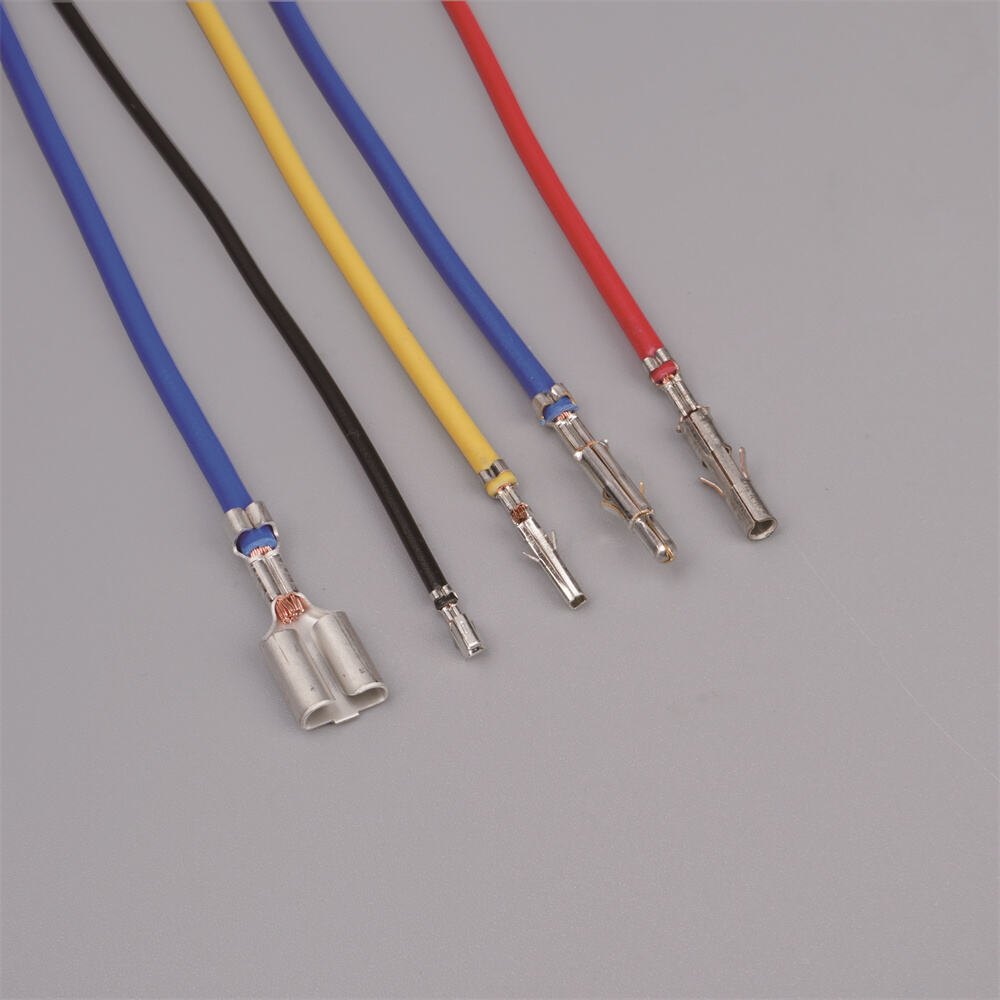
JST connectors have become a cornerstone of modern automotive electrical systems, offering engineers and manufacturers a reliable solution for complex wiring challenges. These precision-engineered connectors provide automotive designers with the durability, compact design, and electrical performance needed to meet today's stringent automotive standards. As vehicles become increasingly sophisticated with advanced electronics, the role of JST connectors in ensuring seamless electrical connections has never been more critical.
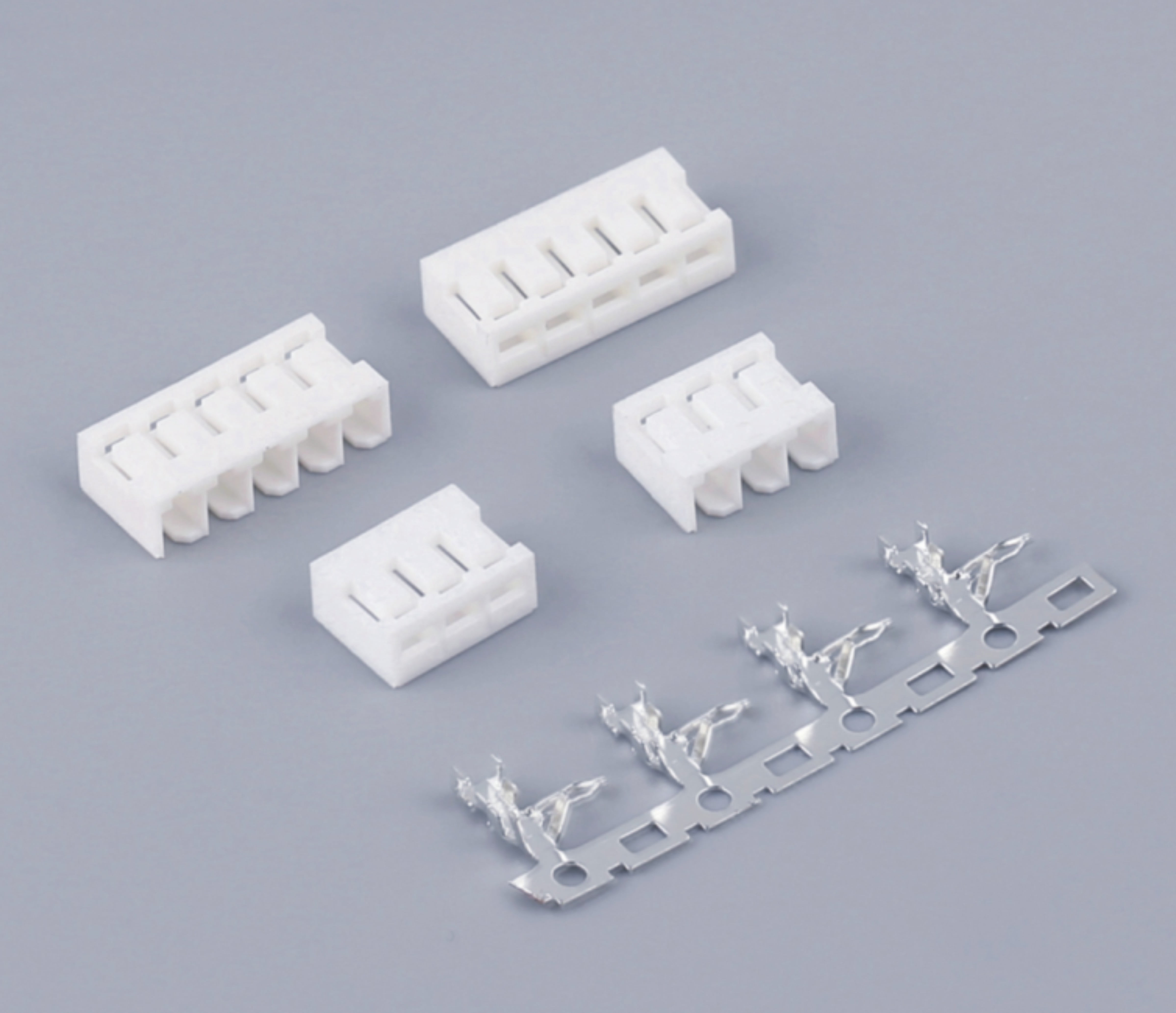
The automotive industry's demanding operational environment requires electrical connectors that can withstand extreme temperatures, vibration, moisture, and chemical exposure while maintaining consistent electrical performance. JST connectors deliver these essential characteristics through innovative design principles and high-quality materials, making them an optimal choice for automotive manufacturers seeking to enhance system reliability and reduce maintenance costs. Understanding the specific advantages these connectors provide helps automotive engineers make informed decisions about their electrical system designs.
Superior Electrical Performance and Reliability
Enhanced Signal Integrity
JST connectors excel in maintaining signal integrity across automotive electrical systems, a critical factor in modern vehicle electronics. The precision-manufactured contact surfaces ensure consistent electrical conductivity with minimal resistance, reducing signal degradation and electromagnetic interference. This superior electrical performance is particularly important in automotive applications where sensitive electronic control units require clean, stable power and data transmission.
The low contact resistance of JST connectors contributes significantly to overall system efficiency by minimizing power loss and heat generation. In automotive environments where energy efficiency directly impacts fuel economy and battery life, these performance characteristics translate into measurable operational benefits. The stable electrical properties of JST connectors remain consistent even under the thermal cycling conditions common in automotive applications.
Robust Contact Design
The contact design of JST connectors incorporates spring-loaded mechanisms that maintain consistent pressure and electrical contact even when subjected to vibration and thermal expansion. This engineering approach ensures that electrical connections remain secure throughout the vehicle's operational life, reducing the risk of intermittent connections that can cause system failures or diagnostic challenges.
Advanced plating technologies used in JST connectors provide excellent corrosion resistance, which is essential in automotive environments exposed to road salt, moisture, and temperature extremes. The specialized contact materials and surface treatments ensure long-term reliability while maintaining the low contact resistance necessary for optimal electrical performance in demanding automotive applications.
Compact Design and Space Efficiency
Miniaturization Benefits
The compact footprint of JST connectors addresses one of the most significant challenges in modern automotive design: maximizing functionality within increasingly constrained spaces. As vehicles incorporate more electronic systems while maintaining or reducing overall size and weight, the space-efficient design of JST connectors becomes a crucial advantage. These connectors enable automotive designers to create more compact wiring harnesses and electrical assemblies.
The miniaturized design of JST connectors does not compromise their electrical or mechanical performance, making them ideal for applications where space constraints are critical. This design philosophy aligns perfectly with automotive industry trends toward weight reduction and improved packaging efficiency, contributing to better fuel economy and enhanced vehicle performance characteristics.
Flexible Installation Options
JST connectors offer versatile mounting configurations that adapt to various automotive installation requirements. The availability of different orientations, including right-angle and straight configurations, provides automotive designers with the flexibility to optimize wiring routing and minimize space utilization. This adaptability is particularly valuable in complex automotive environments where wiring must navigate around mechanical components and structural elements.
The modular nature of JST connectors allows for scalable solutions that can accommodate varying numbers of circuits within a single connector assembly. This flexibility enables automotive manufacturers to standardize on a connector platform while maintaining the ability to customize configurations for specific applications, reducing inventory complexity and manufacturing costs.
Environmental Resistance and Durability
Temperature Performance
JST connectors are engineered to operate reliably across the extreme temperature ranges encountered in automotive applications, from sub-zero winter conditions to the elevated temperatures found in engine compartments and under-hood environments. The materials and design principles used in JST connectors ensure consistent performance from -40°C to +125°C, covering the full spectrum of automotive operating conditions.
The thermal stability of JST connectors prevents degradation of electrical properties and mechanical integrity under temperature cycling conditions. This durability characteristic is essential for automotive applications where connectors must maintain their performance throughout the vehicle's service life, typically spanning 10-15 years of operation under varying environmental conditions.
Moisture and Contamination Protection
Advanced sealing technologies integrated into JST connectors provide effective protection against moisture ingress, dust contamination, and chemical exposure common in automotive environments. The precision-molded housing designs incorporate sealing features that maintain their effectiveness even under the mechanical stress and thermal cycling experienced in vehicle operation.
The chemical resistance of JST connectors ensures compatibility with automotive fluids, cleaning solvents, and environmental contaminants that could otherwise compromise connector performance. This resistance to chemical degradation contributes to the long-term reliability of automotive electrical systems and reduces the need for protective measures that could add complexity and cost to vehicle designs.
Manufacturing and Assembly Advantages
Production Efficiency
JST connectors are designed to integrate seamlessly with automated manufacturing processes, enabling automotive manufacturers to achieve high production throughput while maintaining consistent quality standards. The standardized dimensions and tolerances of JST connectors facilitate automated assembly equipment setup and reduce the complexity of manufacturing line changeovers between different vehicle models or configurations.
The reliable termination characteristics of JST connectors support automated wire processing and assembly operations, reducing manual labor requirements and improving manufacturing consistency. This compatibility with automated processes translates into lower production costs and improved quality control, both critical factors in competitive automotive manufacturing environments.
Quality Control and Testing
The manufacturing processes for JST connectors incorporate rigorous quality control measures that align with automotive industry standards for electrical components. These quality systems ensure that each connector meets specified electrical, mechanical, and environmental performance criteria, providing automotive manufacturers with confidence in their electrical system reliability.
Comprehensive testing protocols for JST connectors include electrical continuity, insulation resistance, contact retention, and environmental exposure tests that validate performance under simulated automotive operating conditions. This thorough validation approach helps automotive manufacturers meet their own quality requirements and regulatory standards while reducing the risk of field failures.
Cost-Effectiveness and Lifecycle Value
Total Cost of Ownership
While JST connectors may represent a higher initial component cost compared to basic alternatives, their superior reliability and durability characteristics deliver significant value through reduced warranty costs, maintenance requirements, and field service interventions. The long-term performance of JST connectors contributes to lower total cost of ownership for automotive manufacturers and end users.
The standardization opportunities provided by JST connectors enable automotive manufacturers to reduce inventory complexity and achieve economies of scale in procurement and manufacturing. This standardization approach can lead to significant cost savings across multiple vehicle platforms and model years, while also simplifying service and repair operations.
Supply Chain Benefits
JST connectors benefit from an established global supply chain that provides automotive manufacturers with reliable sourcing options and supply security. The widespread availability of JST connectors reduces supply chain risk and enables flexible sourcing strategies that can adapt to changing market conditions or regional manufacturing requirements.
The technical support infrastructure surrounding JST connectors includes application engineering assistance, design validation support, and comprehensive documentation that helps automotive engineers optimize their connector selections and implementations. This support ecosystem contributes to faster product development cycles and reduced engineering costs for automotive manufacturers.
FAQ
Are JST connectors suitable for high-current automotive applications?
JST connectors are available in various current ratings, with many models capable of handling high-current automotive applications including power distribution, motor control, and battery management systems. The specific current rating depends on the connector series and contact configuration, with options ranging from low-power signal applications to high-current power delivery requirements exceeding 20 amperes per contact.
How do JST connectors compare to other automotive connector technologies in terms of reliability?
JST connectors offer comparable or superior reliability to other established automotive connector technologies, with advantages in miniaturization, contact stability, and environmental resistance. Their precision manufacturing processes and quality control standards align with automotive industry requirements, making them a reliable choice for critical electrical connections in modern vehicles.
Can JST connectors withstand the vibration levels found in automotive applications?
Yes, JST connectors are specifically designed to maintain secure electrical connections under the vibration conditions typical of automotive environments. The spring-loaded contact design and robust housing construction provide excellent resistance to vibration-induced loosening or intermittent connections, making them suitable for engine compartment and chassis-mounted applications.
What maintenance requirements do JST connectors have in automotive applications?
JST connectors typically require minimal maintenance in automotive applications due to their sealed design and corrosion-resistant materials. Routine inspection for physical damage or contamination is recommended, but the connectors are designed to operate reliably throughout the vehicle's service life without requiring periodic maintenance or replacement under normal operating conditions.
Table of Contents
- Superior Electrical Performance and Reliability
- Compact Design and Space Efficiency
- Environmental Resistance and Durability
- Manufacturing and Assembly Advantages
- Cost-Effectiveness and Lifecycle Value
-
FAQ
- Are JST connectors suitable for high-current automotive applications?
- How do JST connectors compare to other automotive connector technologies in terms of reliability?
- Can JST connectors withstand the vibration levels found in automotive applications?
- What maintenance requirements do JST connectors have in automotive applications?

