
 EN
EN



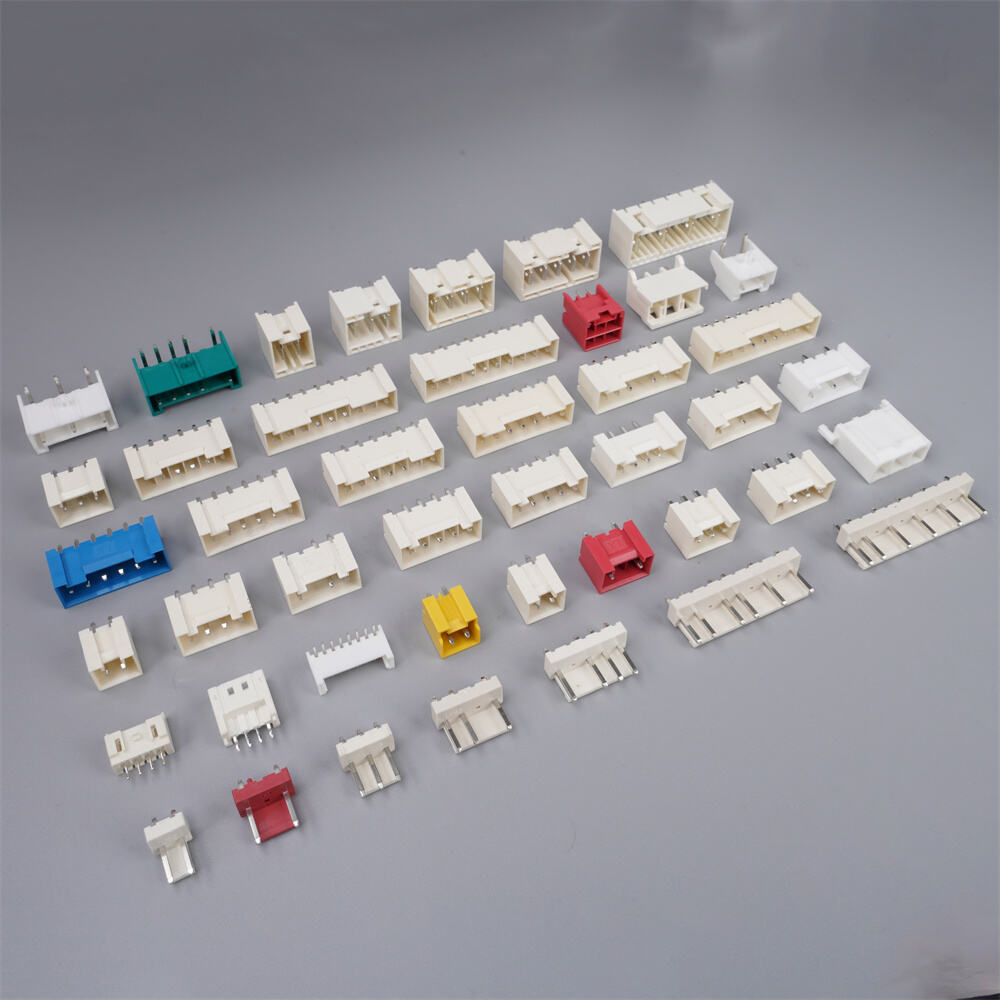
The global electronics industry is experiencing unprecedented growth, with wire to wire connectors serving as critical components that enable seamless electrical connections across countless applications. These essential interconnect solutions facilitate power transmission and signal integrity in everything from automotive systems to industrial automation equipment. Market analysts project significant expansion in the wire to wire connectors sector, driven by technological advancement and increasing demand for reliable electrical connections in modern electronic devices.
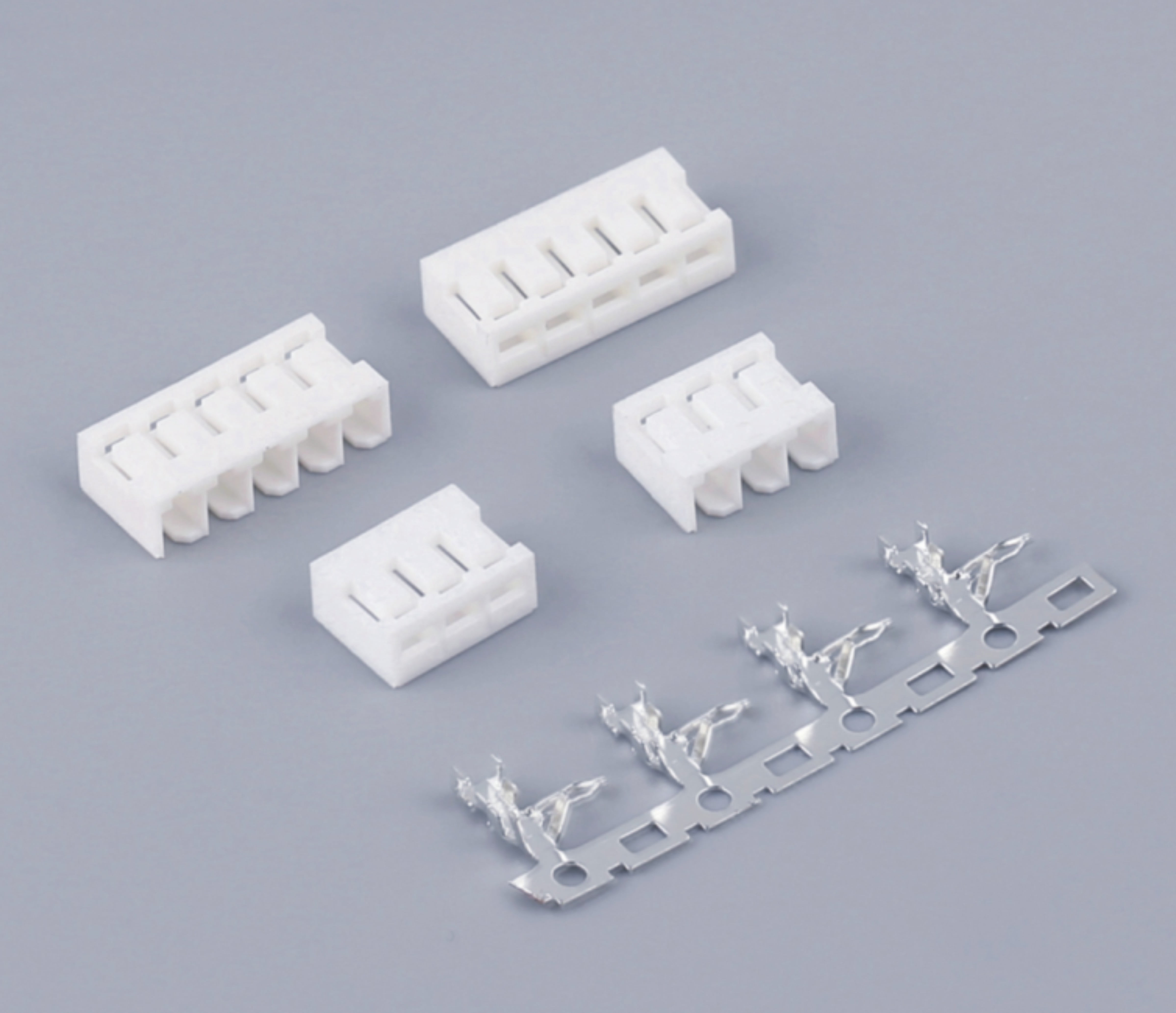
Manufacturing sectors worldwide are increasingly adopting sophisticated connector technologies to meet evolving performance requirements. The demand for wire to wire connectors continues to surge as industries prioritize miniaturization, enhanced durability, and improved electrical characteristics. These market dynamics create substantial opportunities for connector manufacturers and end-users seeking advanced interconnect solutions that deliver superior performance across diverse operating environments.
Automotive Industry Transformation
Electric Vehicle Revolution
The automotive industry's shift toward electric vehicles represents one of the most significant drivers of wire to wire connectors demand. Electric and hybrid vehicles require extensive wiring harnesses to manage complex electrical systems, including battery management, motor control, and charging infrastructure. These applications demand high-performance connectors capable of handling elevated current levels while maintaining safety and reliability standards.
Modern electric vehicles incorporate sophisticated electronic control units that rely heavily on wire to wire connectors for communication between various subsystems. The transition from traditional mechanical systems to electronic alternatives necessitates robust connector solutions that can withstand automotive environmental conditions including temperature extremes, vibration, and moisture exposure. Automotive manufacturers increasingly specify advanced connector technologies to ensure long-term system reliability.
Advanced Driver Assistance Systems
Contemporary vehicles integrate numerous advanced driver assistance systems that require extensive interconnectivity through wire to wire connectors. These safety-critical applications include collision avoidance systems, lane departure warnings, and autonomous driving capabilities. Each system demands precise signal transmission and power delivery, making connector performance paramount to overall vehicle safety and functionality.
The proliferation of sensors, cameras, and radar systems in modern vehicles creates substantial demand for miniaturized wire to wire connectors that maintain signal integrity while occupying minimal space. Automotive designers face increasing pressure to reduce vehicle weight while enhancing functionality, driving innovation in connector technology and manufacturing processes.
Industrial Automation Growth
Smart Manufacturing Implementation
Industrial automation continues expanding rapidly as manufacturers embrace Industry 4.0 principles and smart factory concepts. These advanced manufacturing environments rely heavily on wire to wire connectors to establish communication networks between sensors, actuators, and control systems. The integration of Internet of Things devices and edge computing platforms creates unprecedented demand for reliable connector solutions.
Modern production facilities incorporate sophisticated monitoring and control systems that generate vast amounts of data requiring high-speed transmission capabilities. Wire to wire connectors must accommodate increasing bandwidth requirements while maintaining electromagnetic compatibility in electrically noisy industrial environments. Manufacturing companies prioritize connector solutions that offer easy maintenance and quick replacement to minimize production downtime.
Robotics and Automation Equipment
The deployment of industrial robots and automated equipment drives substantial demand for specialized wire to wire connectors designed for dynamic applications. Robotic systems require flexible connection solutions that maintain electrical continuity through millions of motion cycles while resisting wear and fatigue. These demanding applications necessitate advanced connector designs incorporating specialized materials and sealing technologies.
Collaborative robots working alongside human operators require enhanced safety features and precise control capabilities, creating opportunities for wire to wire connectors that support advanced safety protocols and rapid response times. The growing adoption of artificial intelligence in manufacturing processes demands connector solutions capable of supporting high-speed data transmission and real-time decision-making capabilities.
Consumer Electronics Evolution
Smartphone and Mobile Device Trends
The consumer electronics sector continues driving innovation in wire to wire connectors through demands for miniaturization and enhanced functionality. Smartphones and mobile devices require increasingly compact connector solutions that support multiple functions including power delivery, data transmission, and audio connectivity. These applications push the boundaries of connector technology, requiring innovative designs that maximize performance while minimizing size.
Modern mobile devices incorporate wireless charging capabilities, high-resolution displays, and advanced camera systems that rely on sophisticated internal wire to wire connectors. The trend toward thinner device profiles while maintaining durability creates significant engineering challenges for connector manufacturers. Consumer expectations for device reliability and performance drive continuous improvement in connector materials and manufacturing processes.
Wearable Technology Integration
The expanding wearable technology market creates unique requirements for wire to wire connectors that combine miniaturization with durability and biocompatibility. Fitness trackers, smartwatches, and medical monitoring devices require connector solutions that withstand daily wear while maintaining consistent electrical performance. These applications often involve exposure to moisture, temperature variations, and mechanical stress.
Health monitoring devices and medical wearables demand wire to wire connectors that meet stringent regulatory requirements while providing reliable long-term performance. The integration of advanced sensors and wireless communication capabilities in wearable devices creates opportunities for connector technologies that support multiple signal types within compact form factors.
Telecommunications Infrastructure Expansion
5G Network Deployment
The global rollout of 5G telecommunications networks represents a major growth driver for wire to wire connectors designed for high-frequency applications. These networks require extensive infrastructure including base stations, antenna systems, and fiber optic equipment that rely on specialized connector technologies. The transition to 5G creates demand for connectors capable of supporting higher data rates while maintaining signal integrity.
Telecommunications equipment manufacturers require wire to wire connectors that demonstrate exceptional performance at millimeter-wave frequencies while providing reliable operation in outdoor environments. The deployment of small cell networks and distributed antenna systems creates opportunities for connector solutions that combine compact size with robust environmental protection.
Data Center Infrastructure
The exponential growth of cloud computing and data storage drives substantial demand for wire to wire connectors in data center applications. These facilities require high-density connector solutions that support increasing power requirements while maintaining efficient thermal management. Modern data centers incorporate sophisticated power distribution systems and high-speed networking equipment that rely on advanced connector technologies.
Edge computing deployment and the expansion of artificial intelligence applications create new requirements for wire to wire connectors that support high-current power delivery and high-speed data transmission. Data center operators prioritize connector solutions that offer easy maintenance, hot-swappable capabilities, and enhanced reliability to ensure continuous operation of critical computing infrastructure.
Renewable Energy Sector Growth
Solar Power System Expansion
The renewable energy sector's rapid growth creates substantial opportunities for wire to wire connectors designed for harsh environmental conditions. Solar power installations require connector solutions that withstand decades of outdoor exposure while maintaining electrical performance and safety standards. These applications demand specialized materials and sealing technologies to ensure long-term reliability.
Large-scale solar installations incorporate sophisticated monitoring and control systems that require numerous wire to wire connectors for data collection and system optimization. The integration of energy storage systems and smart grid technologies creates additional demand for connector solutions that support bidirectional power flow and communication capabilities.
Wind Energy Applications
Wind energy systems present unique challenges for wire to wire connectors due to constant motion, vibration, and exposure to extreme weather conditions. These applications require specialized connector designs that maintain electrical continuity through millions of mechanical cycles while resisting corrosion and environmental degradation. The growing size and complexity of modern wind turbines create demand for high-current connector solutions.
Offshore wind installations require wire to wire connectors that demonstrate exceptional resistance to saltwater corrosion and marine environments. These demanding applications drive innovation in connector materials, sealing technologies, and installation methods to ensure reliable long-term operation in challenging conditions.
Medical Device Innovation
Diagnostic Equipment Advancement
The medical device industry continues expanding demand for wire to wire connectors that meet stringent regulatory requirements while supporting advanced diagnostic capabilities. Modern medical equipment incorporates sophisticated electronics that require reliable connector solutions for signal transmission, power delivery, and data communication. These applications often involve patient safety considerations that demand exceptional reliability and performance.
Portable and point-of-care diagnostic devices create opportunities for miniaturized wire to wire connectors that maintain medical-grade performance while enabling device portability. The integration of wireless connectivity and cloud-based data analysis capabilities requires connector solutions that support multiple communication protocols within compact medical device form factors.
Surgical and Therapeutic Equipment
Surgical robots and advanced therapeutic equipment rely heavily on wire to wire connectors for precise control and feedback systems. These critical applications require connector solutions that provide exceptional signal integrity and reliability during life-critical procedures. The trend toward minimally invasive surgery drives demand for miniaturized connector technologies that support advanced surgical instruments.
Implantable medical devices and long-term monitoring systems create unique requirements for wire to wire connectors that demonstrate biocompatibility and long-term stability within the human body. These specialized applications drive innovation in connector materials, hermetic sealing technologies, and miniaturization techniques to ensure patient safety and device longevity.
FAQ
What factors drive the increasing demand for wire to wire connectors?
The primary drivers include the automotive industry's transition to electric vehicles, expansion of industrial automation and robotics, growth in consumer electronics requiring miniaturization, telecommunications infrastructure development for 5G networks, renewable energy sector expansion, and advancement in medical device technology. Each sector demands specialized connector solutions that meet specific performance, reliability, and environmental requirements.
How do wire to wire connectors support modern automotive applications?
Modern automotive applications require wire to wire connectors for electric vehicle battery management systems, advanced driver assistance systems, infotainment networks, and charging infrastructure. These connectors must handle high currents, maintain signal integrity for safety-critical systems, and withstand harsh automotive environments including temperature extremes, vibration, and moisture exposure while ensuring long-term reliability.
What role do wire to wire connectors play in industrial automation?
Industrial automation relies on wire to wire connectors to establish communication networks between sensors, actuators, control systems, and IoT devices in smart manufacturing environments. These connectors enable data transmission for monitoring and control systems, support robotics and automated equipment through dynamic motion cycles, and facilitate the integration of artificial intelligence and edge computing platforms in modern production facilities.
Why are wire to wire connectors critical for renewable energy systems?
Renewable energy systems depend on wire to wire connectors for power transmission, monitoring, and control functions in challenging outdoor environments. Solar installations require connectors that withstand decades of UV exposure and weather conditions, while wind energy applications need solutions that maintain performance through constant motion and vibration. These connectors also support energy storage integration and smart grid connectivity for optimized power management.

