
 EN
EN



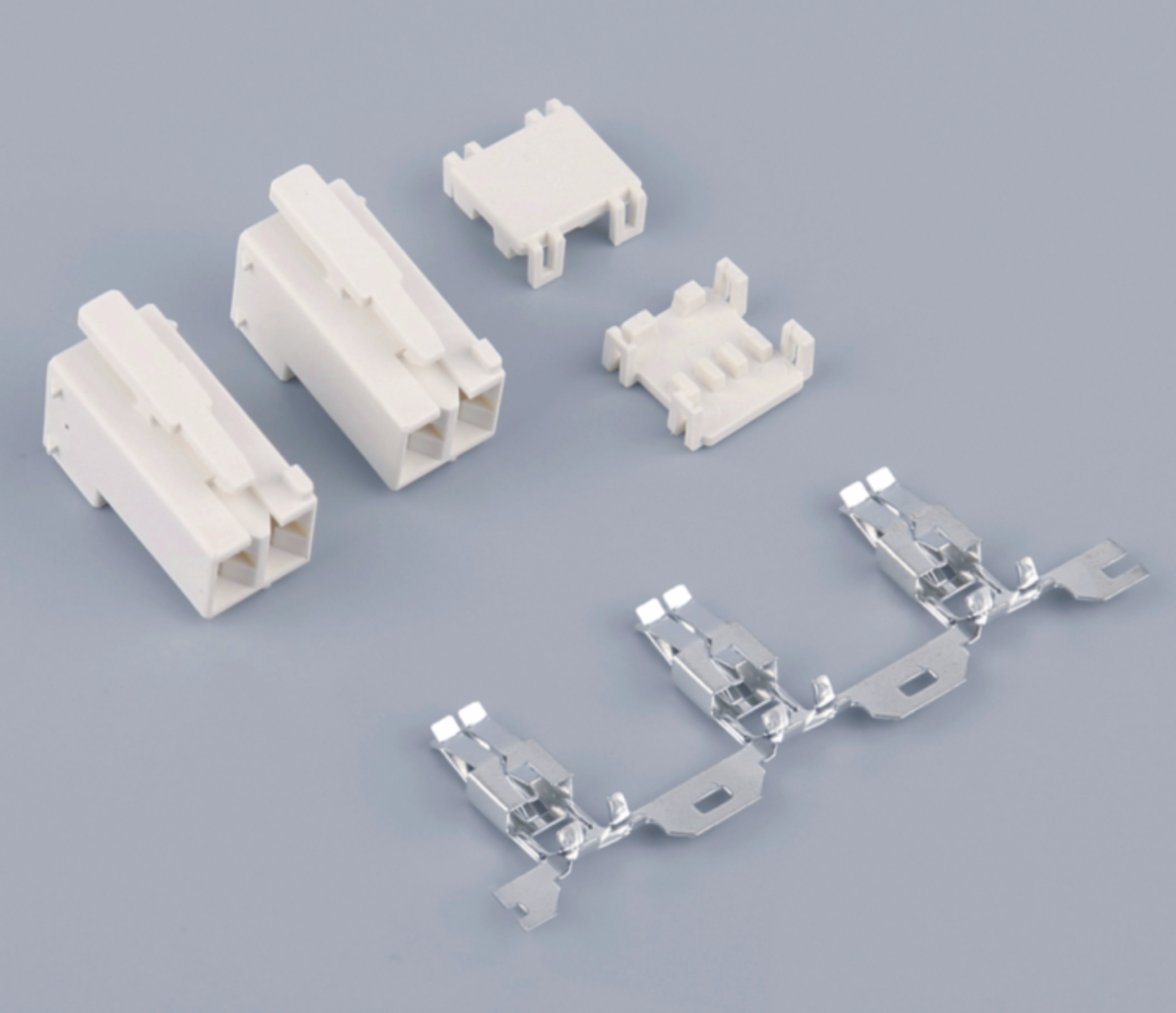
In the world of electrical connections and industrial automation, the choice of terminal material plays a crucial role in determining the overall performance, reliability, and longevity of electrical systems. From manufacturing facilities to commercial buildings, the materials used in terminal blocks and electrical connections directly impact everything from conductivity to corrosion resistance. Understanding how different terminal material compositions affect performance can help engineers and procurement professionals make informed decisions that optimize both cost and reliability in their applications.
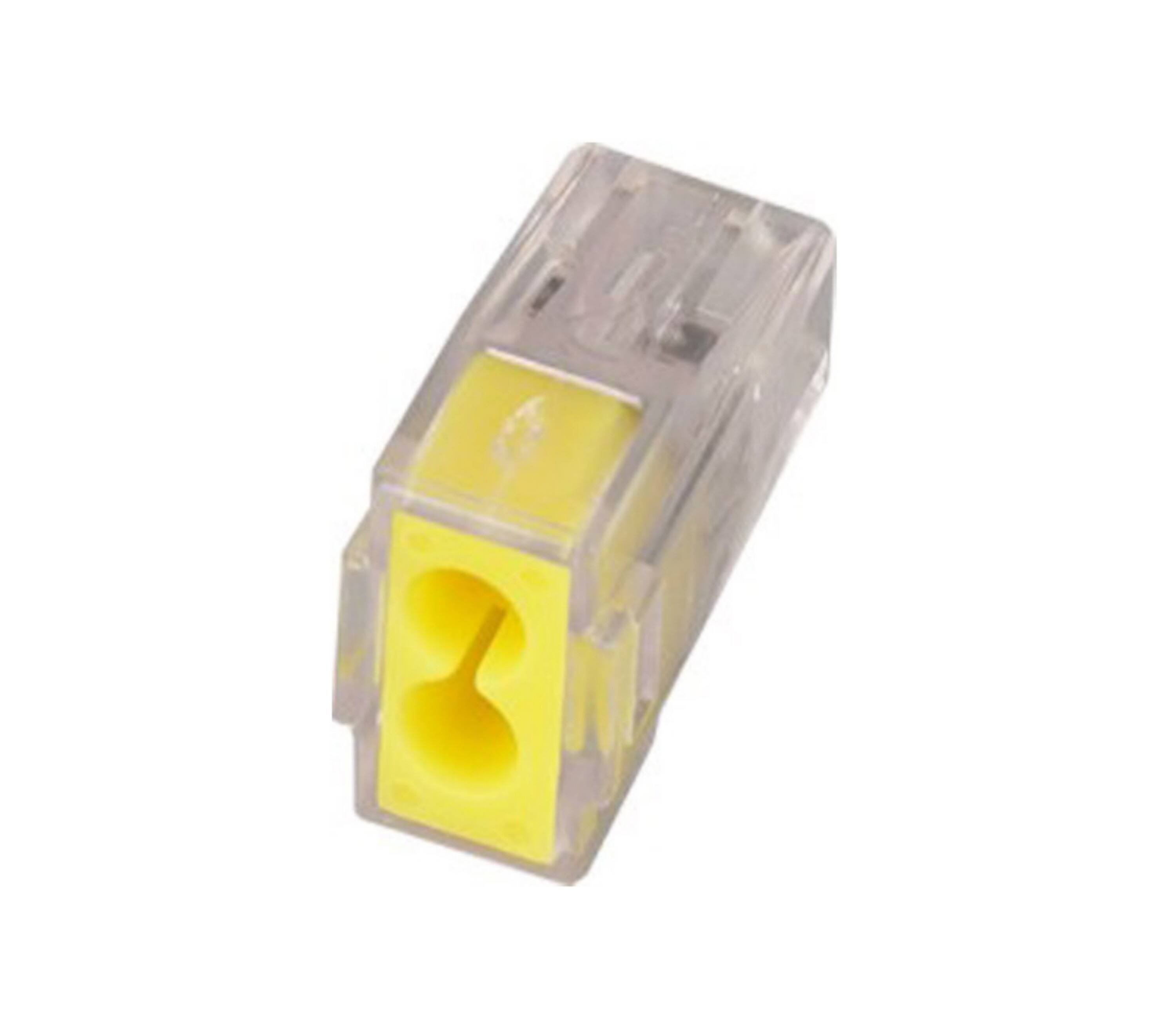
Understanding Terminal Material Fundamentals
Basic Material Properties
The foundation of any electrical terminal begins with the base terminal material, which must possess specific characteristics to ensure reliable performance. Copper remains the most widely used terminal material due to its exceptional electrical conductivity, ranking second only to silver in this regard. The purity of copper used in terminal applications typically ranges from 99.5% to 99.9%, with higher purity levels providing better conductivity but at increased cost. Brass, an alloy of copper and zinc, offers a balance between conductivity and mechanical strength, making it suitable for applications requiring both electrical performance and structural integrity.
Beyond copper and brass, aluminum terminal material has gained popularity in specific applications due to its lightweight properties and cost advantages. However, aluminum presents unique challenges including susceptibility to oxidation and thermal expansion coefficients that differ from copper-based systems. Steel terminals, while less common for primary electrical connections, find applications in mechanical support roles and specialized industrial environments where magnetic properties may be beneficial.
Material Selection Criteria
Selecting the appropriate terminal material requires careful consideration of multiple factors that directly impact system performance. Operating temperature ranges significantly influence material choice, as different metals exhibit varying thermal expansion rates and conductivity changes across temperature extremes. Environmental conditions such as humidity, chemical exposure, and atmospheric corrosion potential must be evaluated when specifying terminal material for specific applications.
Current carrying capacity represents another critical factor in terminal material selection. The cross-sectional area of the conductor and the thermal properties of the terminal material work together to determine safe current limits. Higher conductivity materials like copper allow for more compact designs while maintaining safe operating temperatures, whereas materials with lower conductivity may require larger cross-sections to handle equivalent current loads.
Coating Technologies and Their Impact
Protective Coating Systems
Surface coatings applied to terminal material serve multiple purposes, from enhancing corrosion resistance to improving contact reliability over time. Tin plating represents one of the most common coating approaches, providing excellent corrosion protection while maintaining good solderability characteristics. The tin coating acts as a barrier between the base terminal material and the environment, preventing oxidation that could increase contact resistance or compromise connection integrity.
Silver plating offers superior conductivity characteristics compared to tin, making it ideal for high-performance applications where minimal contact resistance is critical. However, silver coatings can be susceptible to tarnishing in sulfur-rich environments, requiring careful consideration of operating conditions. Gold plating provides the ultimate in corrosion resistance and contact stability, though its higher cost typically limits its use to critical applications where long-term reliability justifies the investment.
Advanced Coating Applications
Modern coating technologies have evolved beyond traditional plating methods to include specialized treatments that enhance specific performance characteristics. Nickel barrier coatings are often applied between the base terminal material and the final surface treatment to prevent diffusion and extend coating life. These multi-layer systems can significantly improve the performance of terminals operating in demanding environments.
Selective coating techniques allow different areas of the same terminal to receive different treatments based on their specific functions. Connection areas might receive gold plating for optimal contact performance, while mechanical portions receive more cost-effective treatments suitable for their support functions. This approach optimizes both performance and cost by applying premium coatings only where they provide maximum benefit.
Performance Factors and Testing Standards
Electrical Performance Characteristics
The electrical performance of terminal material is quantified through several key parameters that directly relate to system reliability and efficiency. Contact resistance measurements provide insight into the quality of electrical connections, with lower values indicating better performance. Temperature rise testing evaluates how effectively the terminal material dissipates heat generated during normal operation, which directly impacts current carrying capacity and long-term reliability.
Dielectric strength testing ensures that terminal material and associated insulating components can withstand specified voltage levels without breakdown. This becomes particularly important in applications involving higher voltages or where safety margins must be maintained under various operating conditions. The terminal material composition and coating system both contribute to overall dielectric performance.
Mechanical and Environmental Testing
Mechanical testing protocols evaluate the physical durability of terminal material under various stress conditions. Insertion and withdrawal force testing determines the mechanical characteristics of mating connections, ensuring reliable engagement without excessive force requirements. Vibration and shock testing simulate real-world conditions that terminals may experience during transportation, installation, or operation.
Environmental testing exposes terminal material samples to accelerated aging conditions including temperature cycling, humidity exposure, and corrosive atmospheres. Salt spray testing provides standardized evaluation of corrosion resistance, while thermal cycling tests reveal how materials respond to repeated expansion and contraction cycles. These tests help predict long-term performance and identify potential failure modes before they occur in actual applications.
Industry-Specific Material Requirements
Automotive Applications
The automotive industry presents unique challenges for terminal material selection due to the combination of electrical, mechanical, and environmental stresses encountered in vehicle applications. Temperature extremes ranging from engine compartment heat to cold weather starting conditions require terminal material that maintains performance across wide temperature ranges. Vibration resistance becomes critical as terminals must maintain reliable connections despite constant motion and mechanical stress.
Automotive terminal material specifications often include requirements for resistance to automotive fluids such as oils, coolants, and cleaning solvents. The coating systems used must provide long-term protection against these chemical exposures while maintaining electrical performance. Additionally, the trend toward higher voltage systems in electric and hybrid vehicles places increased demands on terminal material dielectric properties and current carrying capacity.
Industrial and Marine Applications
Industrial applications frequently expose terminal material to harsh chemical environments, extreme temperatures, and high-duty cycle operations. Chemical processing facilities may require terminals with specialized coatings resistant to specific process chemicals, while power generation applications demand materials capable of handling high current densities and temperature cycling. The choice of terminal material in these applications directly impacts maintenance requirements and system uptime.
Marine environments present particularly challenging conditions for terminal material due to salt spray exposure and high humidity levels. Stainless steel components combined with specialized coatings help ensure reliable performance in these corrosive conditions. The selection of appropriate terminal material for marine applications requires careful consideration of galvanic compatibility to prevent accelerated corrosion where dissimilar metals are in contact.
Economic Considerations and Lifecycle Analysis
Initial Cost Versus Performance Trade-offs
The economic analysis of terminal material selection extends beyond simple initial purchase price to encompass total lifecycle costs including installation, maintenance, and replacement expenses. Premium terminal material with superior coatings may command higher initial costs but can provide significant savings through reduced maintenance requirements and extended service life. Understanding the relationship between material cost and performance helps optimize total cost of ownership.
Volume considerations also impact terminal material selection, as higher-performance materials may offer better economies of scale for large installations. The standardization benefits achieved through consistent terminal material selection across projects can provide additional cost savings through simplified inventory management, training, and maintenance procedures. These indirect benefits often justify the selection of premium materials even when initial costs are higher.
Maintenance and Replacement Strategies
Different terminal material choices require varying maintenance approaches and schedules, which should be factored into the total cost analysis. Terminals with superior corrosion resistance may allow extended maintenance intervals, while those with more basic protection schemes may require more frequent inspection and replacement. The accessibility of terminals for maintenance also influences the value proposition of different material choices.
Predictive maintenance strategies can benefit from understanding the failure modes and degradation patterns of different terminal material types. By monitoring key performance indicators such as contact resistance or temperature rise, maintenance teams can optimize replacement schedules based on actual performance rather than arbitrary time intervals. This approach maximizes the value derived from premium terminal material investments while maintaining system reliability.
Future Trends and Innovations
Advanced Material Technologies
Emerging technologies in terminal material development focus on improving performance while reducing environmental impact and cost. Nanotechnology applications in coating systems promise enhanced performance characteristics at reduced coating thicknesses, potentially improving both electrical performance and material costs. Advanced alloy compositions are being developed to provide improved mechanical properties while maintaining excellent electrical conductivity.
Environmental considerations are driving innovation in terminal material recycling and sustainable manufacturing processes. New coating technologies aim to eliminate or reduce the use of restricted materials while maintaining performance levels. These developments reflect growing awareness of environmental stewardship requirements in material selection decisions across all industries.
Smart Terminal Integration
The integration of sensing capabilities into terminal material systems represents an emerging trend that could revolutionize connection monitoring and maintenance strategies. Smart terminals incorporating temperature sensors, contact resistance monitoring, or vibration detection can provide real-time feedback on connection health and performance. These capabilities require terminal material selections that can accommodate embedded electronics while maintaining electrical and mechanical performance.
Digital connectivity features in terminal systems may influence future terminal material requirements as higher-frequency signals and data transmission capabilities become more common. The electrical properties of terminal material at higher frequencies differ from DC or power frequency characteristics, potentially driving new material specifications and testing standards. Understanding these trends helps inform current material selection decisions that must accommodate future system upgrades.
FAQ
What factors determine the best terminal material for my application
The optimal terminal material selection depends on several key factors including operating environment, current carrying requirements, voltage levels, and expected service life. Environmental conditions such as temperature extremes, humidity, chemical exposure, and vibration levels all influence material choice. Additionally, consider the frequency of connection and disconnection cycles, maintenance accessibility, and total cost of ownership when evaluating different options.
How do coatings affect terminal performance over time
Coatings significantly impact long-term terminal performance by providing protection against corrosion, oxidation, and wear. High-quality coatings maintain low contact resistance over extended periods and protect the underlying terminal material from environmental degradation. However, coating selection must match the specific application requirements, as some coatings perform better in certain environments than others. Regular inspection and testing can help monitor coating condition and predict maintenance needs.
Can different terminal materials be mixed in the same system
Mixing different terminal materials within the same system requires careful consideration of galvanic compatibility to prevent accelerated corrosion. When dissimilar metals are in electrical contact, galvanic corrosion can occur in the presence of moisture, potentially leading to connection degradation or failure. If different materials must be used, proper isolation techniques or compatible coating systems can help mitigate these effects. Consulting galvanic compatibility charts and conducting compatibility testing is recommended for mixed-material applications.
What testing should be performed to validate terminal material selection
Comprehensive terminal material validation should include electrical testing such as contact resistance measurement and current carrying capacity verification, mechanical testing including insertion force and retention strength evaluation, and environmental testing covering temperature cycling, humidity exposure, and corrosion resistance. Specific industry standards such as UL, IEC, or automotive specifications may define additional testing requirements. Consider conducting accelerated aging tests to predict long-term performance and validate maintenance schedules for your specific application conditions.

