
 EN
EN



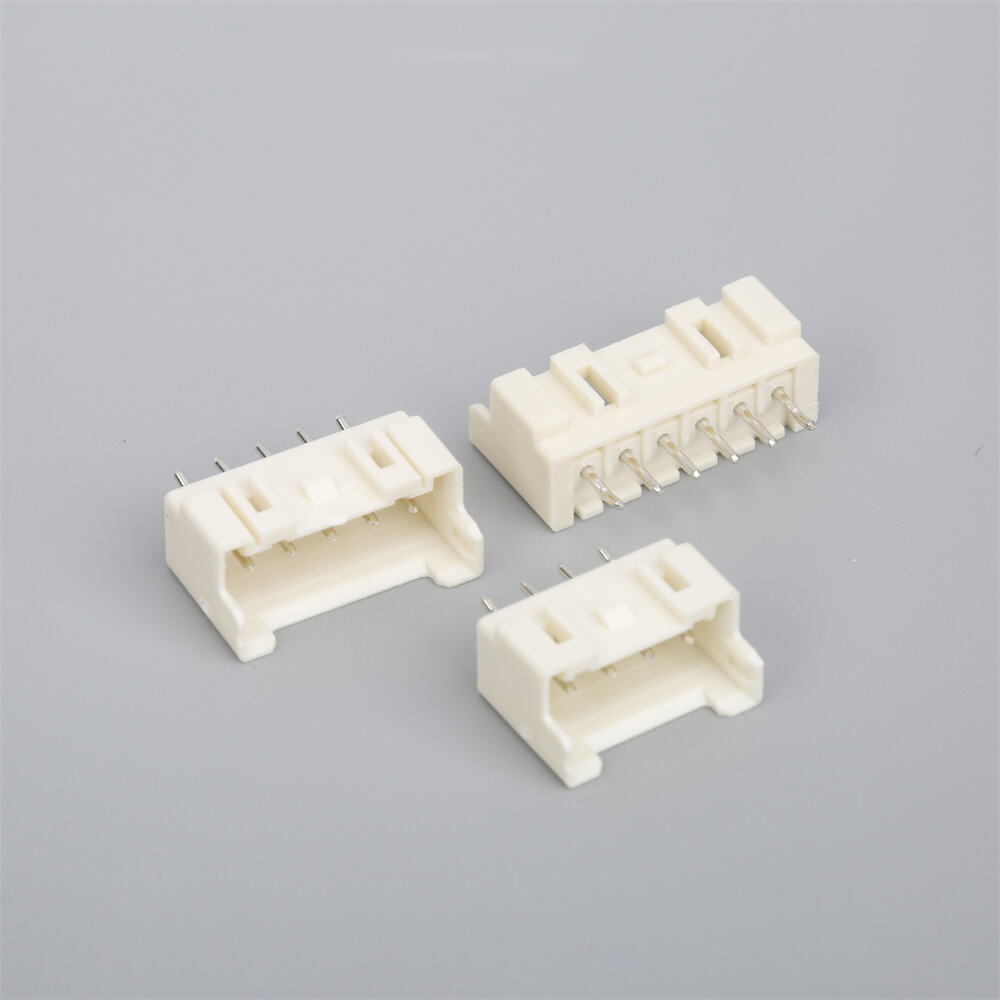
In the demanding world of modern electronics manufacturing, where circuit boards are shrinking and component density is soaring, engineers face constant pressure to select interconnect solutions that deliver unwavering reliability without compromising space efficiency. High-density circuit applications—from telecommunications infrastructure to automotive control modules—require connector systems that can maintain signal integrity across hundreds of contact points while withstanding environmental stresses, thermal cycling, and mechanical vibration. Among the many interconnect solutions available today, Tyco connectors have established a reputation for exceptional performance in these challenging environments, earning the trust of design engineers and production managers across multiple industries. This reputation stems not from marketing claims but from decades of proven field performance, rigorous engineering standards, and continuous innovation in contact technology and materials science.
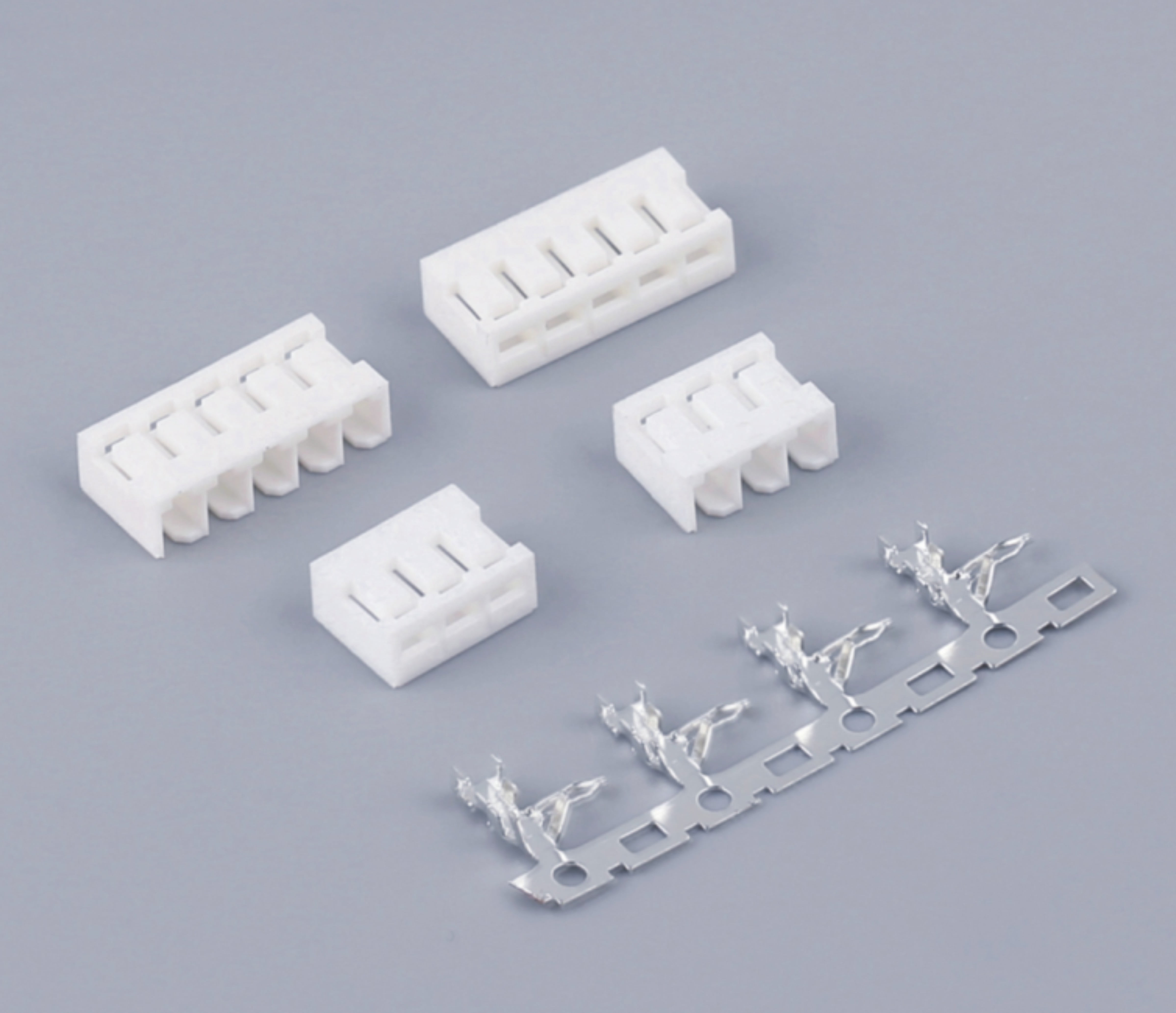
Understanding why Tyco connectors have become the preferred choice for high-density applications requires examining the specific technical challenges these environments present and how connector design directly addresses them. High-density circuits are defined not merely by the number of components on a board but by the proximity of signal paths, the minimal clearances between conductors, and the necessity to route power and data through increasingly compact geometries. In such contexts, connector failure modes that might be tolerable in lower-density applications—such as intermittent contact resistance, signal crosstalk, or mechanical stress concentration—become critical reliability concerns that can cascade into system-level failures. The question of why Tyco connectors excel in these demanding scenarios is fundamentally about engineering principles, manufacturing precision, and the deliberate design choices that prioritize long-term reliability over short-term cost reduction.
Engineering Foundations That Enable High-Density Reliability
Precision Contact Geometry and Material Selection
The performance of any connector system in high-density applications begins with the fundamental design of the contact element itself. Tyco connectors utilize precision-stamped contact geometries manufactured to tolerances measured in micrometers, ensuring consistent contact force across every mating cycle. The contact springs are engineered with specific force curves that maintain stable electrical connection while minimizing insertion and extraction forces—a critical balance when dealing with connectors featuring 40, 60, or even 100 positions in compact form factors. The materials used in Tyco connectors are carefully selected copper alloys with controlled grain structure and temper, providing the necessary spring properties while resisting stress relaxation over thousands of thermal cycles. Surface finishes typically employ selective gold plating over nickel barrier layers in critical contact areas, with tin plating used in non-critical zones to optimize cost without compromising performance.
Thermal Management Through Physical Design
High-density circuit applications generate concentrated heat loads that can degrade connector performance over time if not properly managed. Tyco connectors address thermal challenges through multiple design strategies, including optimized contact cross-sections that provide low electrical resistance while maximizing heat dissipation area. The housing materials are selected not only for dimensional stability but also for thermal conductivity characteristics that help distribute heat away from critical contact zones. In power-carrying applications, Tyco connectors often feature enlarged contact areas and thicker conductor cross-sections at current-carrying positions, preventing localized heating that could lead to contact degradation or housing deformation. The thermal design philosophy extends to the mating interface geometry, where controlled air gaps and ventilation paths facilitate convective cooling even in densely packed connector arrays.
Mechanical Robustness in Vibration Environments
Many high-density applications exist in vibration-prone environments such as automotive electronics, industrial control systems, and transportation infrastructure. Tyco connectors incorporate mechanical design features specifically engineered to maintain contact integrity under sustained vibration and shock loading. The contact retention systems use multiple points of mechanical lock to prevent contact migration within the housing, while the mating interface often employs positive latching mechanisms with audible and tactile feedback to ensure complete engagement. The housing materials are selected for their resistance to creep and stress cracking under sustained mechanical loading, with ribbing and geometric reinforcement positioned to resist deformation at critical locations. These mechanical design elements work together to ensure that Tyco connectors maintain stable electrical performance even when subjected to the harsh mechanical environments typical of mobile and industrial applications.
Manufacturing Quality Systems That Ensure Consistency
Process Control and Statistical Monitoring
The reliability of Tyco connectors in high-density applications is not solely a function of design but depends critically on manufacturing consistency across millions of units. Tyco employs sophisticated statistical process control methodologies throughout connector production, with real-time monitoring of critical parameters such as contact force, plating thickness, and dimensional tolerances. Automated optical inspection systems verify contact geometry and plating coverage at multiple stages of production, with any deviation from specification triggering immediate process adjustment or lot segregation. The manufacturing facilities producing Tyco connectors typically operate under ISO 9001 and TS 16949 quality management systems, with additional customer-specific quality requirements implemented for automotive and aerospace applications. This rigorous quality infrastructure ensures that every connector shipped meets the same performance standards, eliminating the reliability variations that can occur with less controlled manufacturing processes.
Material Traceability and Qualification Programs
High-reliability applications demand complete material traceability from raw material receipt through final product shipment. Tyco connectors are manufactured using materials that undergo comprehensive qualification testing before approval for production use, with ongoing batch testing to verify continued compliance with specifications. The copper alloys used in contact manufacturing are sourced from qualified suppliers with certified mechanical and electrical properties, while plating chemistry is monitored through regular analysis and performance testing. Plastic housing materials undergo validation testing for dimensional stability, flame resistance, chemical resistance, and long-term aging characteristics before approval for use in Tyco connectors. This material qualification infrastructure provides confidence that connector performance will remain stable across different production lots and manufacturing locations, a critical factor when designing high-density systems intended for multi-year service life.
Testing Protocols That Simulate Real-World Stresses
Beyond in-process quality checks, Tyco connectors undergo extensive qualification testing designed to validate performance under conditions more severe than typical field environments. Standard test protocols include thermal cycling across temperature ranges exceeding -40°C to +125°C, humidity exposure testing, salt spray corrosion testing, and mechanical durability testing through hundreds or thousands of mating cycles. For high-density applications, additional testing focuses on crosstalk performance, insertion loss characteristics at high frequencies, and contact resistance stability under current loading. Vibration and shock testing follows automotive and military standards, ensuring that Tyco connectors maintain electrical continuity under mechanical stresses far exceeding normal service conditions. These comprehensive testing protocols provide empirical validation of connector reliability, giving design engineers confidence in specifying Tyco connectors for critical high-density applications.
Design Features Optimized for High-Density Circuit Integration
Compact Footprint With High Position Count
The primary value proposition of Tyco connectors in high-density applications is their ability to provide numerous electrical connections within a minimal PCB footprint. Tyco connector families designed for high-density use feature contact pitches as tight as 1.27mm or even 1.0mm, allowing 50 or more positions within a connector body measuring less than 30mm in length. This space efficiency is achieved through innovative contact stacking arrangements, precision molding of insulating housings, and careful management of creepage and clearance distances to maintain electrical safety. The compact footprint does not come at the expense of contact accessibility—Tyco connectors maintain sufficient spacing between adjacent contacts to enable reliable automated assembly processes, including pick-and-place equipment and wave or reflow soldering operations. This combination of density and manufacturability makes Tyco connectors particularly valuable in applications where PCB real estate is at a premium.
Signal Integrity Preservation in High-Speed Data Paths
Modern high-density circuits increasingly carry not just power and low-speed control signals but also high-speed data interfaces operating at gigabit-per-second rates. Tyco connectors designed for these applications incorporate controlled impedance contact geometries, with careful attention to signal path length matching and minimization of discontinuities that could cause reflections or signal degradation. The contact design includes ground pins strategically positioned to provide shielding between adjacent signal pairs, reducing crosstalk and electromagnetic interference. Housing materials are selected for their low dielectric constant and loss tangent properties, minimizing signal attenuation at high frequencies. For differential pair signaling applications, Tyco connectors maintain tight control over pair-to-pair spacing and symmetry, ensuring that differential impedance remains within specification across the entire connector. These signal integrity features allow Tyco connectors to support data rates that would be impossible with conventional connector designs.
Flexible Termination Options for Diverse Assembly Processes
High-density circuit assemblies employ a variety of PCB attachment methods depending on production volume, thermal constraints, and rework requirements. Tyco connectors are available with multiple termination options to accommodate these diverse assembly scenarios, including through-hole soldering with various tail lengths and configurations, surface-mount technology with gull-wing or J-lead terminations, and press-fit compliant pin technology that eliminates soldering entirely. The availability of multiple termination styles within the same connector family allows engineers to select the optimal attachment method for their specific application while maintaining connector compatibility across product variants. Surface-mount versions of Tyco connectors feature solder tail geometries optimized for reliable reflow attachment with minimal risk of bridging or insufficient solder joints, while through-hole versions provide robust mechanical anchoring suitable for connectors subject to frequent mating cycles or cable pull forces. This termination flexibility makes Tyco connectors adaptable to both high-volume automated assembly and lower-volume hand assembly processes.
Industry-Specific Reliability Validation and Standards Compliance
Automotive Electronics Requirements and AEC Standards
The automotive industry represents one of the most demanding applications for high-density connectors, with requirements for operation across extreme temperature ranges, resistance to vibration and mechanical shock, and multi-decade service life expectations. Tyco connectors used in automotive applications undergo qualification testing according to AEC-Q200 standards for passive components, which includes rigorous thermal cycling, humidity resistance, and mechanical durability testing protocols. Automotive-grade Tyco connectors incorporate design features specifically addressing automotive reliability concerns, including enhanced contact retention to prevent fretting corrosion under vibration, sealed or partially sealed housings to resist contamination from fluids and road debris, and terminal position assurance features that provide visual and mechanical verification of proper contact insertion. The materials used in automotive Tyco connectors are selected for resistance to automotive fluids including fuels, oils, and cleaning agents, with plastic housing materials meeting flammability requirements per UL 94 standards. This automotive-specific engineering and validation work has established Tyco connectors as a trusted solution in applications ranging from engine control modules to advanced driver assistance systems.
Telecommunications Infrastructure and NEBS Compliance
Telecommunications equipment operating in central offices and remote installations faces unique environmental challenges including sustained operation at elevated temperatures, exposure to dust and particulate contamination, and the necessity for multi-year service life without maintenance. Tyco connectors deployed in telecommunications infrastructure applications often meet Network Equipment Building System (NEBS) requirements, which specify performance under a range of temperature, humidity, vibration, and earthquake loading conditions. The high-density backplane connectors and board-to-board interconnects used in telecommunications equipment leverage Tyco connectors' ability to maintain signal integrity across hundreds of connections while accommodating the thermal expansion and contraction that occurs during temperature cycling. Telecommunications applications particularly value the contact resistance stability of Tyco connectors over thousands of thermal cycles, as even small increases in contact resistance can lead to signal degradation or increased power dissipation in densely packed equipment. The proven reliability of Tyco connectors in telecommunications applications has made them a standard choice for networking equipment manufacturers worldwide.
Medical Device Applications and Biocompatibility Considerations
Medical electronics represent another critical application area where connector reliability directly impacts patient safety and device performance. High-density medical devices such as patient monitors, diagnostic imaging equipment, and implantable electronics require connectors that meet stringent cleanliness standards, resist degradation from sterilization processes, and maintain performance over the device's intended service life. Tyco connectors used in medical applications undergo biocompatibility testing according to ISO 10993 standards when used in patient-contact or implantable devices, with materials selected to minimize cytotoxicity, sensitization, and irritation potential. The connector designs emphasize sealed or semi-sealed configurations that resist ingress of bodily fluids and cleaning agents, while maintaining the contact accessibility necessary for reliable assembly and potential field servicing. Medical-grade Tyco connectors also address electromagnetic compatibility requirements particularly stringent in healthcare environments, with design features that minimize radiated and conducted emissions that could interfere with other medical equipment. This combination of biocompatibility, reliability, and EMC performance has established Tyco connectors as a preferred solution in medical electronics where product failure is not merely inconvenient but potentially life-threatening.
Long-Term Field Performance and Total Cost of Ownership
Reduced Warranty Claims and Field Failures
The true measure of connector reliability emerges not in laboratory testing but in long-term field performance across diverse operating environments and use cases. Tyco connectors have demonstrated exceptionally low field failure rates in high-density applications, translating directly into reduced warranty costs, lower service call rates, and enhanced brand reputation for equipment manufacturers. The robust contact design and high-quality materials used in Tyco connectors result in stable contact resistance over years of service, eliminating the intermittent connection issues that plague lesser-quality connectors as they age. The mechanical retention features prevent contact migration and fretting corrosion that can develop under vibration, while the housing materials resist the cracking and embrittlement that can occur with prolonged thermal cycling or UV exposure. For manufacturers of high-value equipment with multi-year warranty periods, the incremental cost premium of Tyco connectors is more than offset by the reduction in field service costs and the preservation of customer relationships that comes with reliable product performance.
Simplified Inventory Management Through Standardization
High-density circuit designs often require multiple connector types with varying position counts, orientations, and termination styles. The comprehensive product families offered by Tyco allow engineers to standardize on a single connector platform while still accessing the specific configurations needed for different applications. This standardization simplifies inventory management by reducing the number of unique part numbers that must be stocked, decreases procurement complexity by consolidating purchases with a single trusted supplier, and simplifies assembly line setup by minimizing the variety of connector types that production personnel must handle. The mechanical compatibility across Tyco connector families also enables design reuse, where proven connector interfaces can be carried forward into next-generation products with minimal re-qualification effort. For high-volume manufacturers, these inventory and process simplification benefits represent significant cost savings that accumulate across the product lifecycle, making Tyco connectors not just a technical choice but a strategic business decision.
Design Support and Technical Resources
Selecting connectors for high-density applications involves more than choosing a part number from a catalog—it requires understanding the electrical, mechanical, and thermal interactions between the connector and the broader system design. Tyco provides comprehensive design support resources including detailed product specifications, 3D CAD models for mechanical design integration, and SPICE models for electrical simulation of connector performance in high-speed signal paths. Field application engineers with deep expertise in connector technology work directly with design teams to optimize connector selection, placement, and integration for specific applications, helping to identify potential reliability concerns early in the design cycle when they can be addressed with minimal cost impact. This technical support infrastructure extends beyond initial design to include failure analysis services for the rare instances when field issues do occur, providing root cause analysis and corrective action recommendations that prevent recurrence. The combination of proven product reliability and comprehensive technical support creates a partnership approach that gives engineers confidence in their connector selections for high-density applications.
FAQ
What specific contact technology makes Tyco connectors more reliable than alternatives in high-density applications?
Tyco connectors employ precision-stamped contact geometries with controlled spring rates that maintain consistent contact force across thousands of mating cycles and extreme temperature ranges. The contacts use carefully selected copper alloys with optimized temper and grain structure, combined with selective gold plating over nickel barrier layers in critical contact areas. This material and geometry combination provides low and stable contact resistance while resisting the stress relaxation and corrosion that can degrade performance in high-density environments where multiple contacts are closely spaced and operating conditions may be harsh.
How do Tyco connectors address signal integrity concerns in high-speed data applications?
Tyco connectors designed for high-speed applications incorporate controlled impedance contact geometries with careful attention to minimizing discontinuities and maintaining consistent signal path characteristics. Ground pins are strategically positioned between signal contacts to provide shielding and reduce crosstalk, while housing materials are selected for low dielectric constant and loss tangent properties. For differential signaling applications, Tyco connectors maintain tight control over pair-to-pair spacing and symmetry, ensuring stable differential impedance. These design features enable reliable data transmission at multi-gigabit rates even in densely populated connector configurations.
What testing and qualification processes ensure Tyco connectors will perform reliably over multi-year service life?
Tyco connectors undergo comprehensive qualification testing including thermal cycling from -40°C to +125°C or beyond, humidity exposure testing, salt spray corrosion resistance testing, and mechanical durability testing through hundreds or thousands of mating cycles. Additional testing protocols address vibration and shock resistance, contact resistance stability under current loading, and signal integrity performance at high frequencies. For industry-specific applications, Tyco connectors are qualified to automotive AEC-Q200 standards, telecommunications NEBS requirements, or medical device ISO standards as appropriate. This extensive validation work provides empirical evidence of long-term reliability before connectors enter production use.
Can Tyco connectors accommodate both automated assembly processes and potential field servicing requirements?
Yes, Tyco connectors are designed to support automated assembly processes including pick-and-place equipment for surface-mount versions and automated insertion equipment for through-hole variants, while still maintaining sufficient accessibility for manual assembly when required. The contact retention systems provide secure mechanical locking to prevent contact displacement during handling and soldering, yet allow controlled contact removal for rework or repair when necessary using standard extraction tools. Positive latching mechanisms with audible and tactile feedback ensure complete mating during assembly, while retention features prevent accidental disconnection during service. This balance between automated manufacturing efficiency and field serviceability makes Tyco connectors practical for both high-volume production and applications requiring occasional maintenance or upgrade.
Table of Contents
- Engineering Foundations That Enable High-Density Reliability
- Manufacturing Quality Systems That Ensure Consistency
- Design Features Optimized for High-Density Circuit Integration
- Industry-Specific Reliability Validation and Standards Compliance
- Long-Term Field Performance and Total Cost of Ownership
-
FAQ
- What specific contact technology makes Tyco connectors more reliable than alternatives in high-density applications?
- How do Tyco connectors address signal integrity concerns in high-speed data applications?
- What testing and qualification processes ensure Tyco connectors will perform reliably over multi-year service life?
- Can Tyco connectors accommodate both automated assembly processes and potential field servicing requirements?

