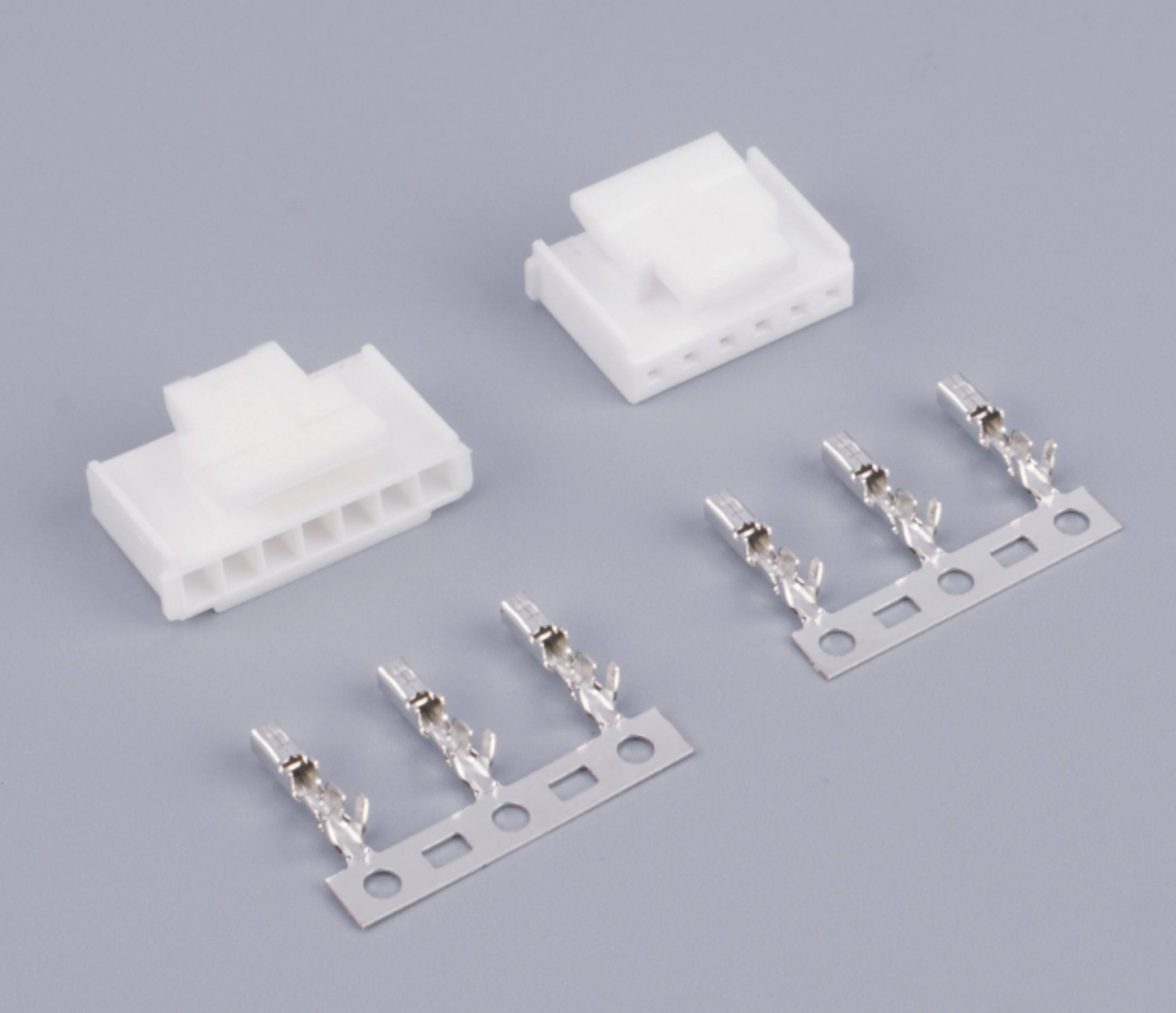
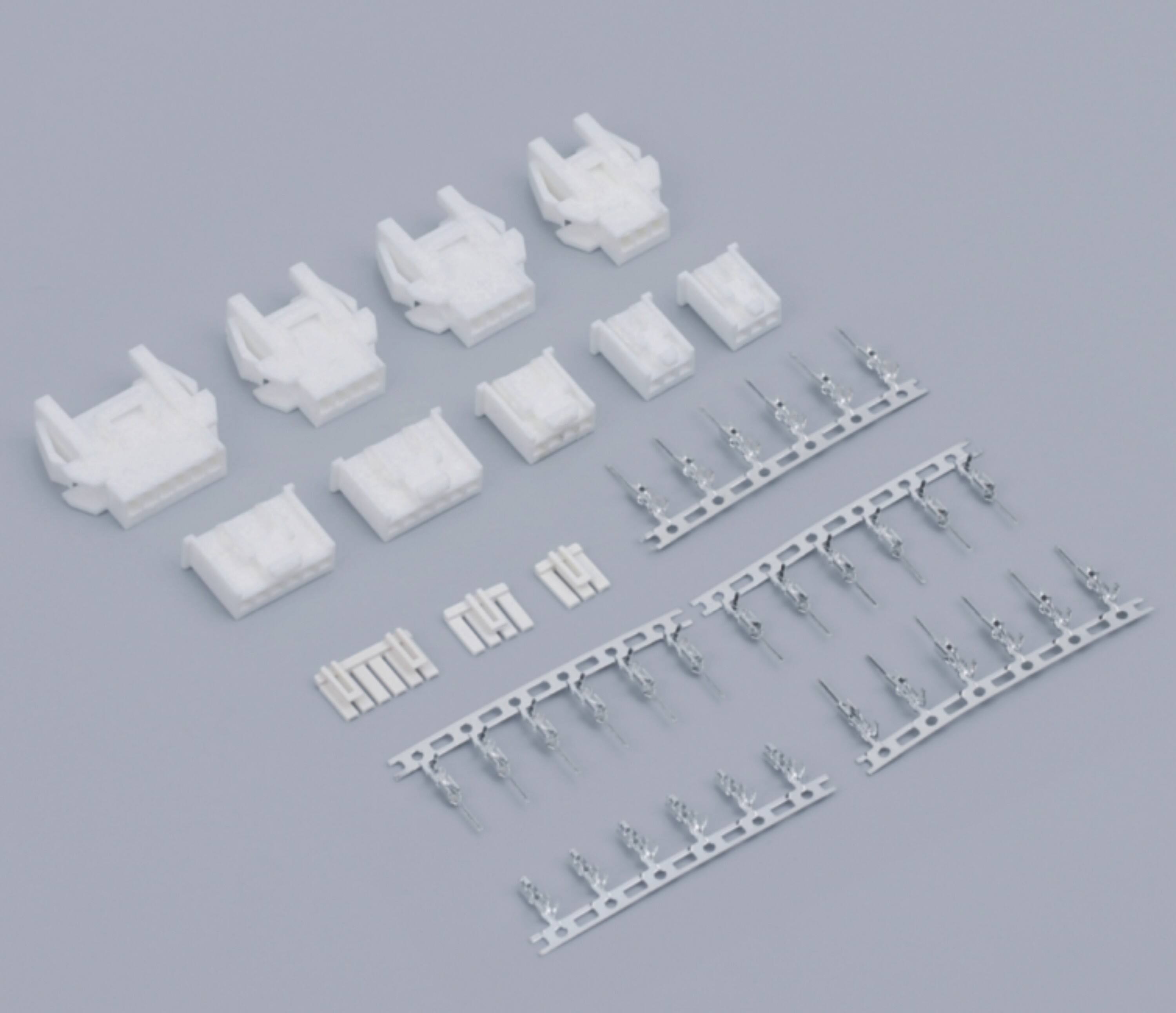
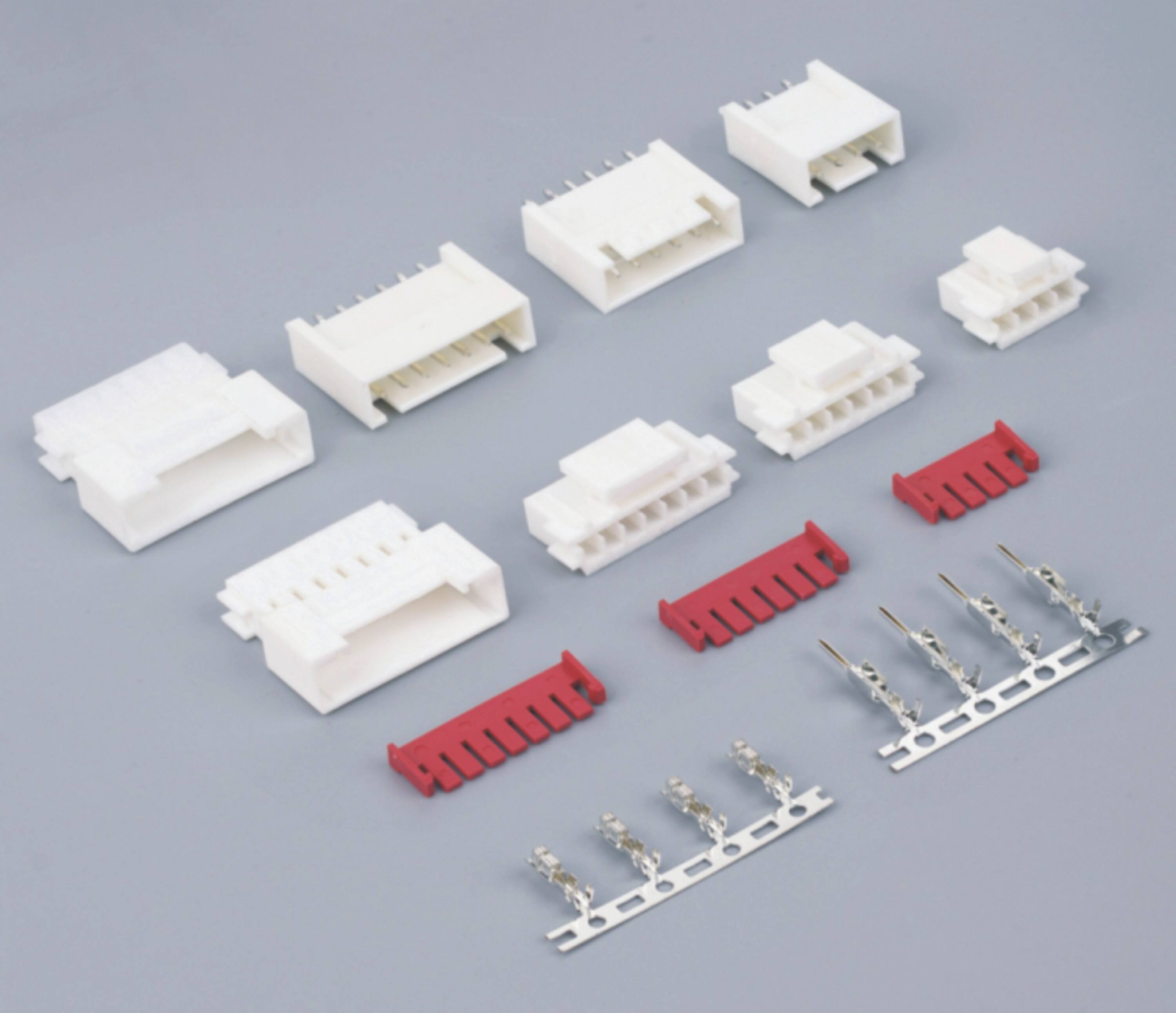
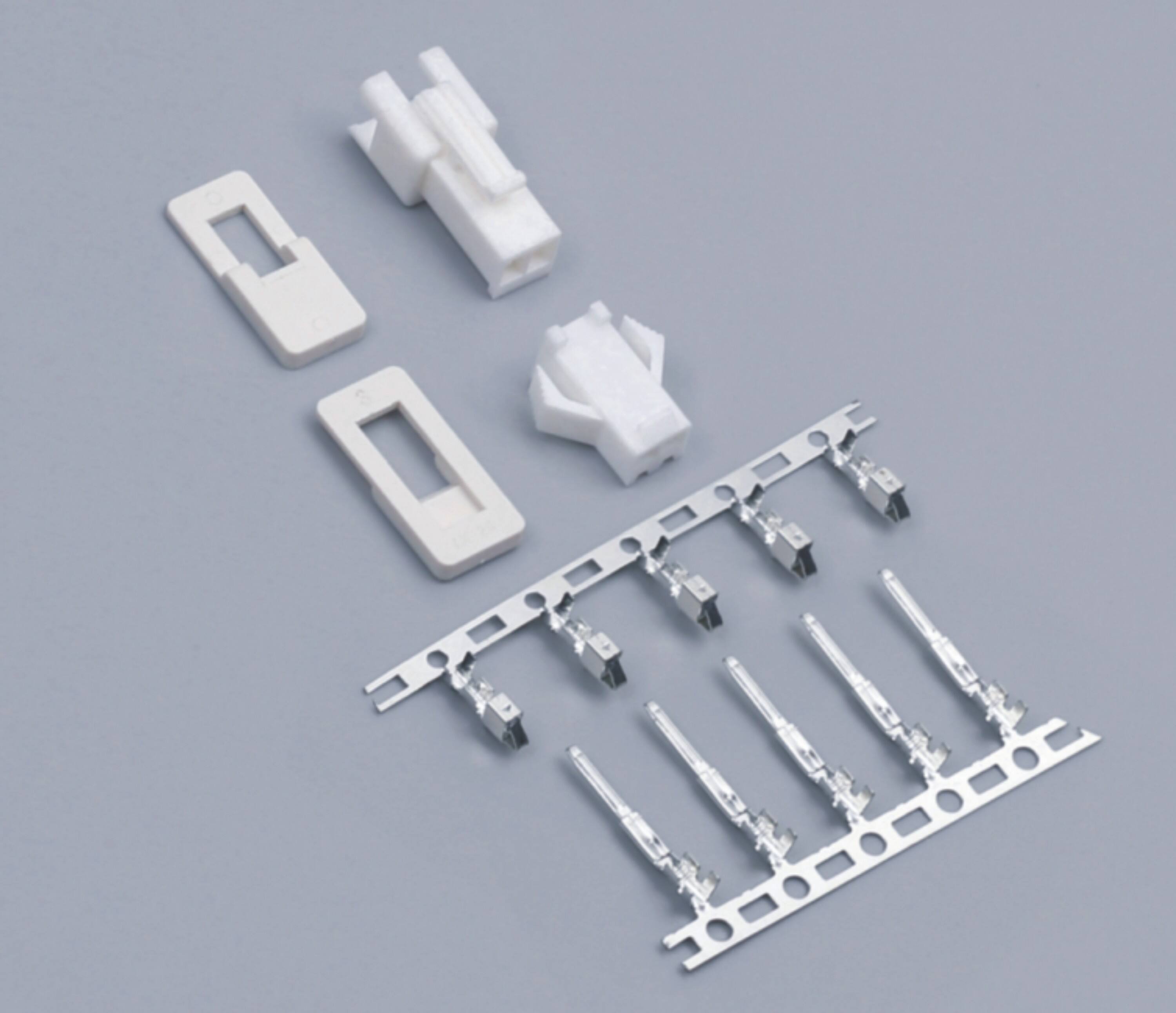
circuit board connections
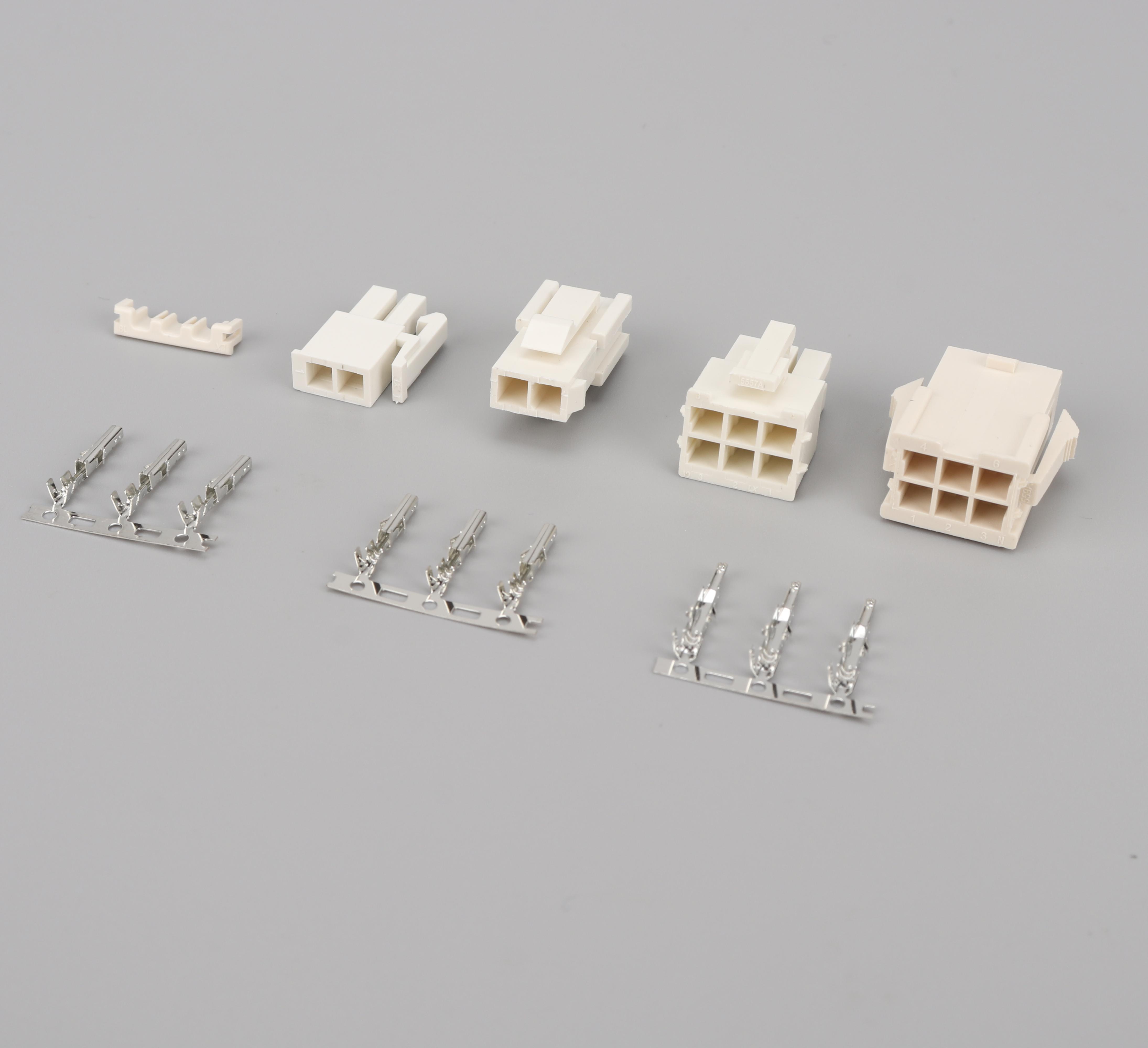
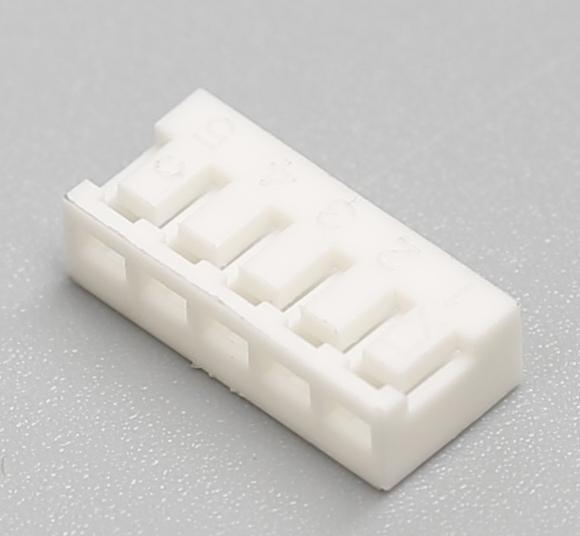
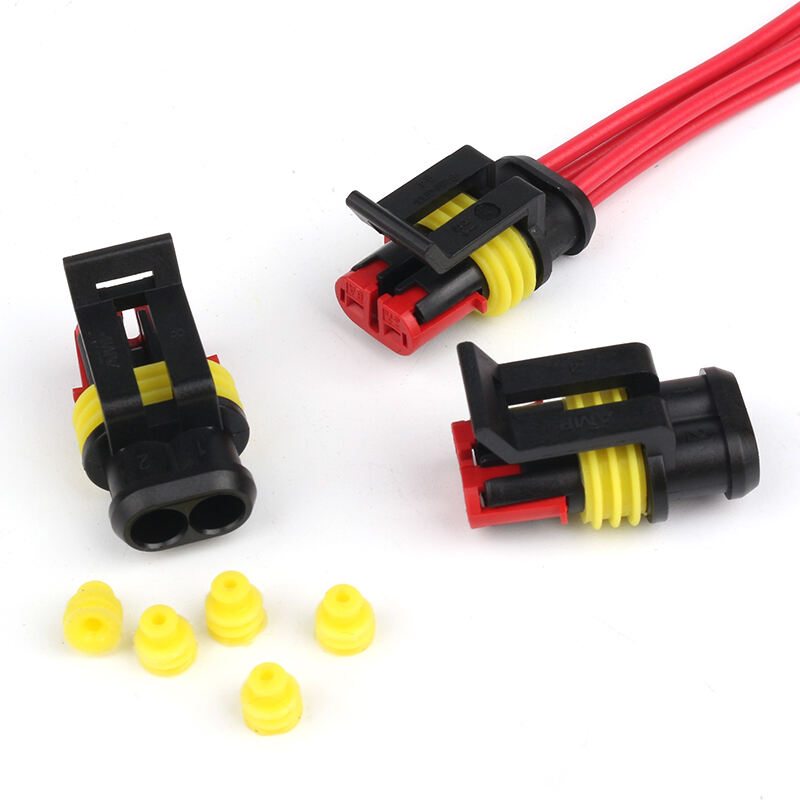
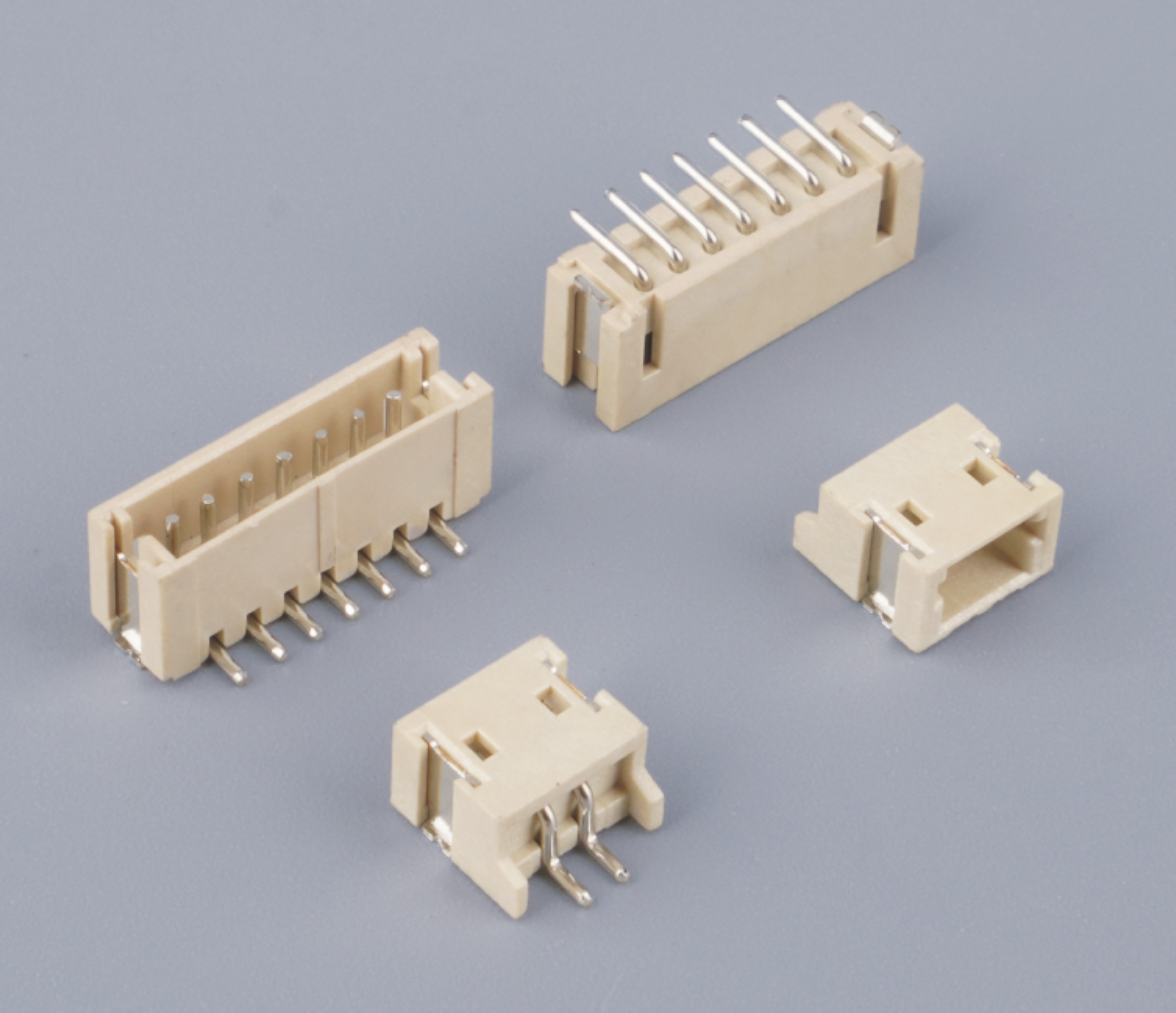
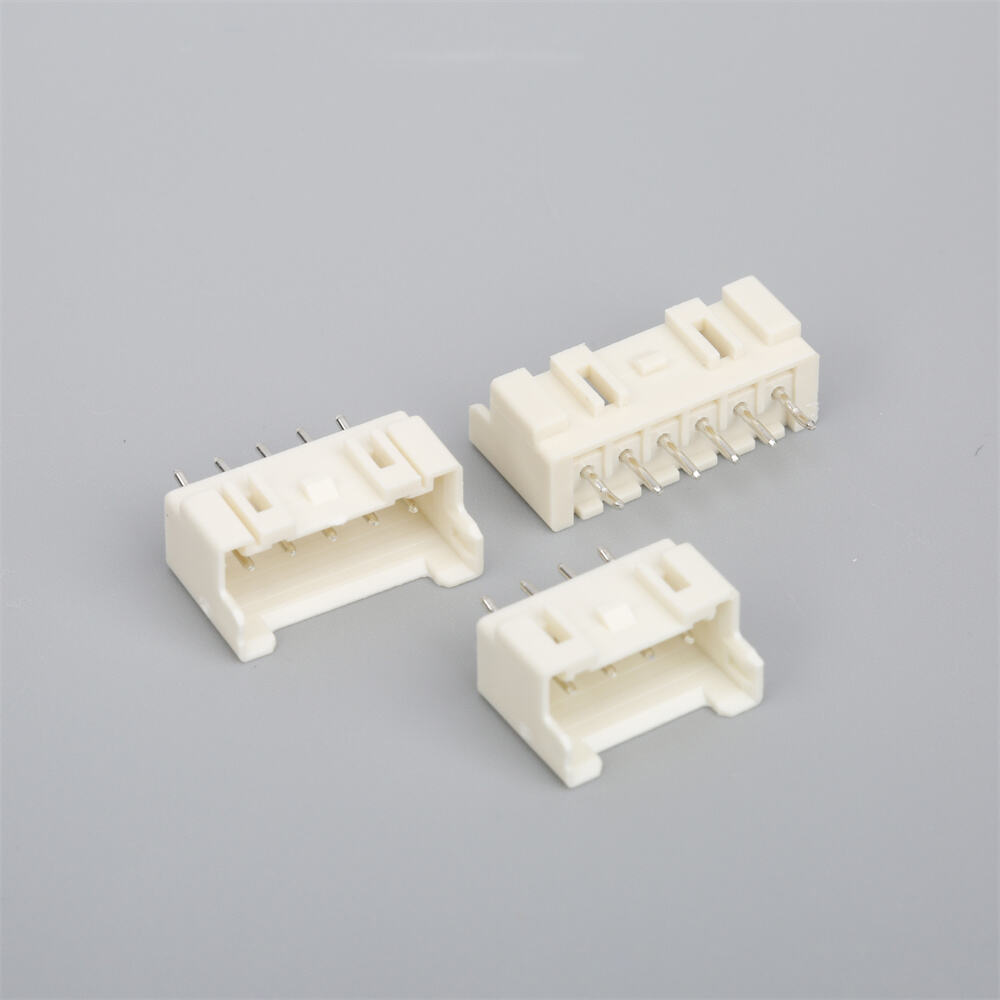
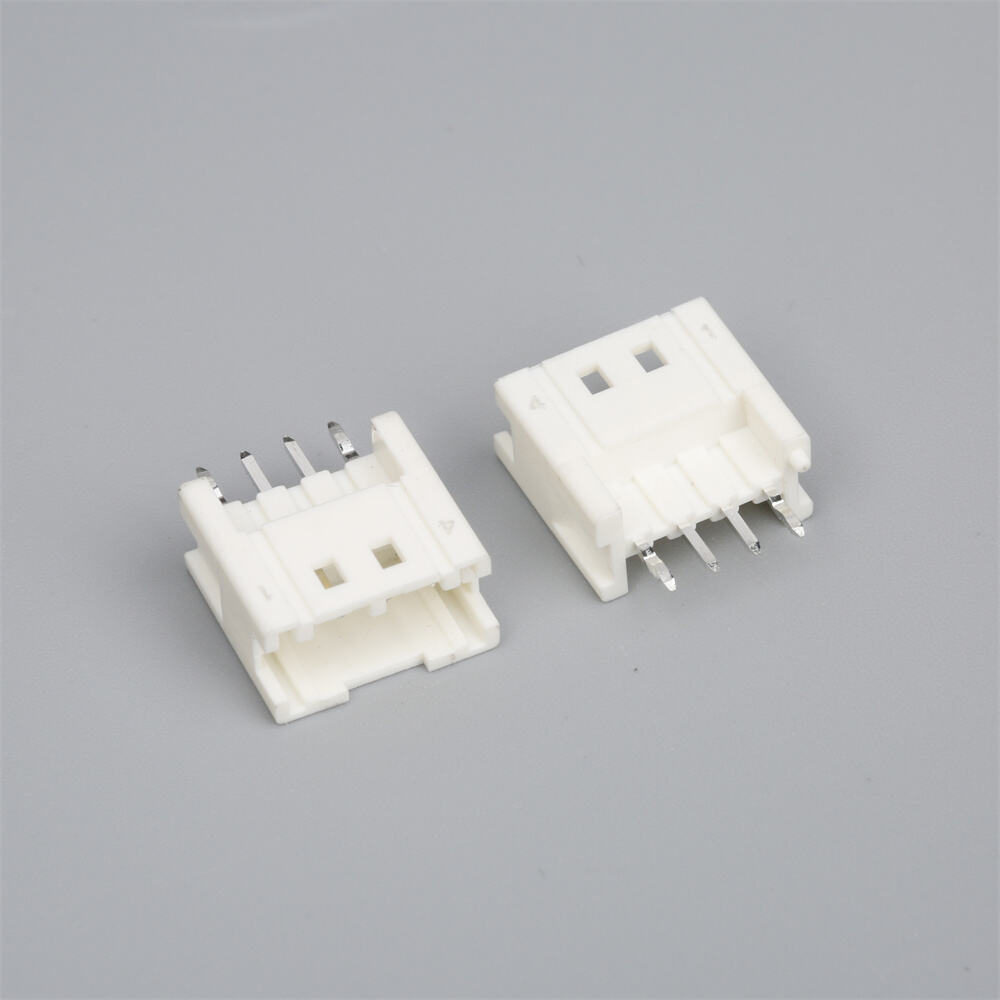
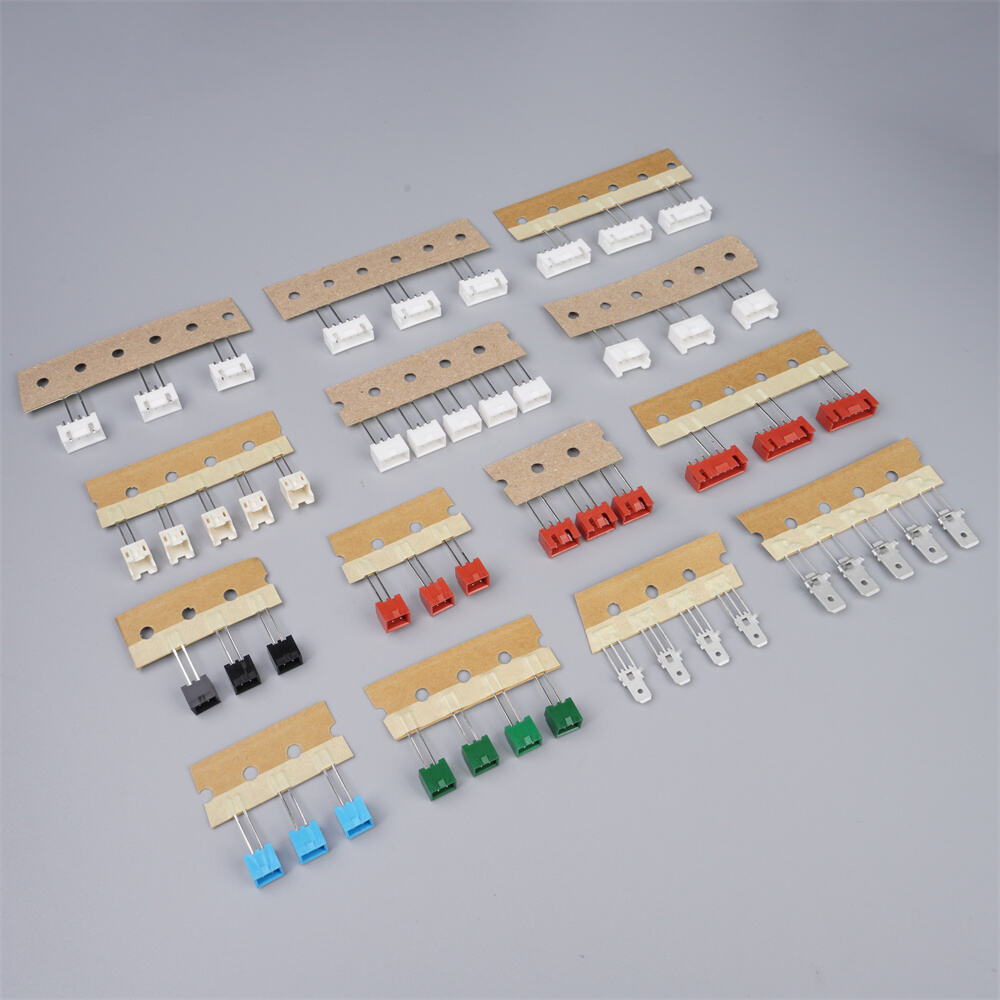
Circuit board connections serve as the fundamental infrastructure of modern electronic devices, providing essential pathways for electrical signals and power distribution. These connections consist of meticulously designed traces, pads, and vias that facilitate communication between various components on the printed circuit board (PCB). The connections are typically manufactured using copper pathways etched onto layers of substrate material, creating a complex network that enables seamless integration of electronic components. Modern circuit board connections incorporate advanced features such as impedance control, electromagnetic interference (EMI) shielding, and thermal management capabilities. These connections support various signal types, from low-voltage digital signals to high-frequency analog transmissions, making them versatile for diverse applications. The technology employs multiple layers of connections, allowing for higher component density and more efficient use of board space. Contemporary circuit board connections also feature advanced surface mount technology (SMT) and through-hole mounting options, providing flexibility in component assembly methods. These connections are crucial in industries ranging from consumer electronics to aerospace, medical devices, and telecommunications equipment.

 EN
EN