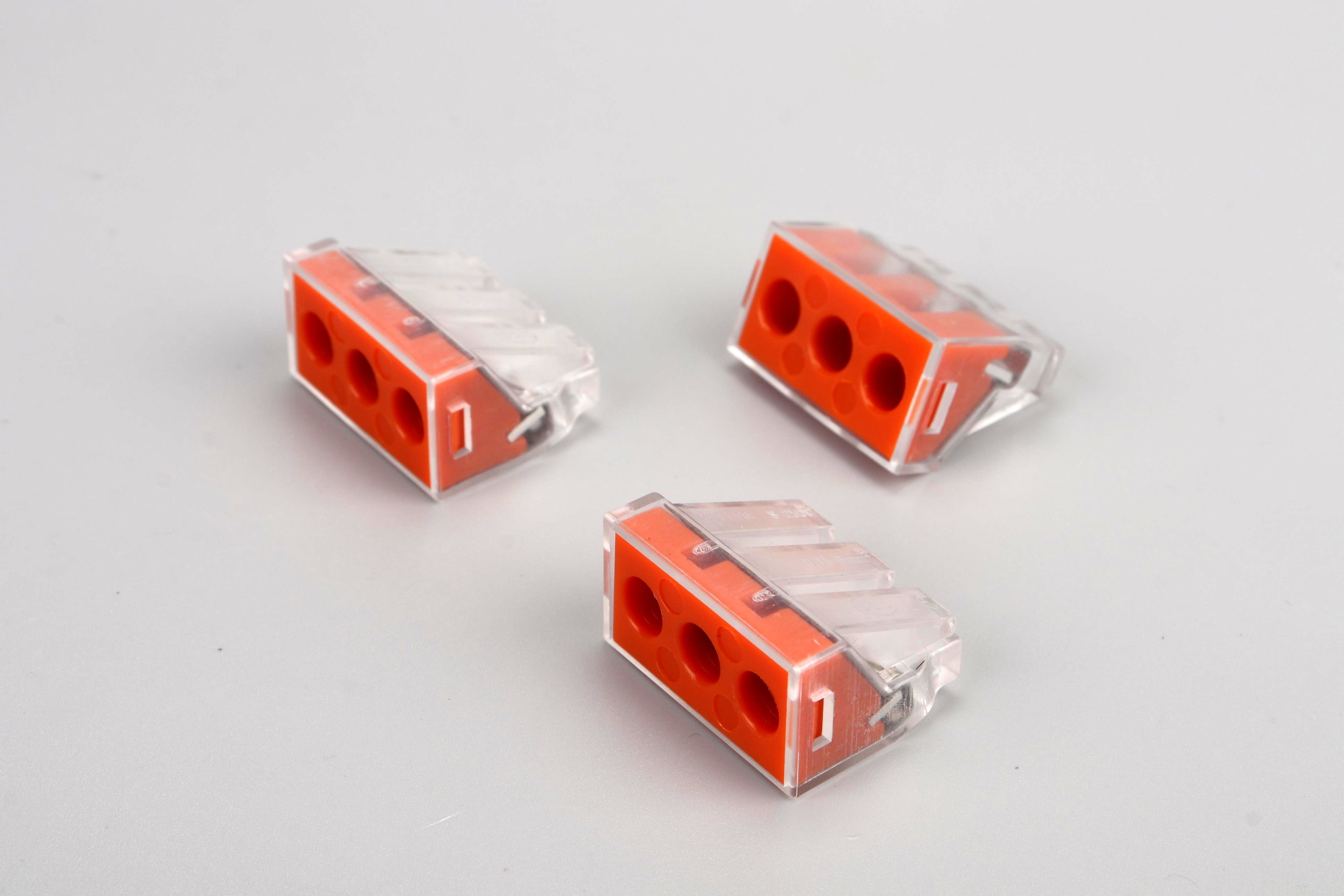
Comprehensive Guide to Modern Terminal Types: Features, Benefits, and Applications

Get a Free Quote

Our representative will contact you soon.
Email
Name
Company Name
Message
0/1000

terminal types

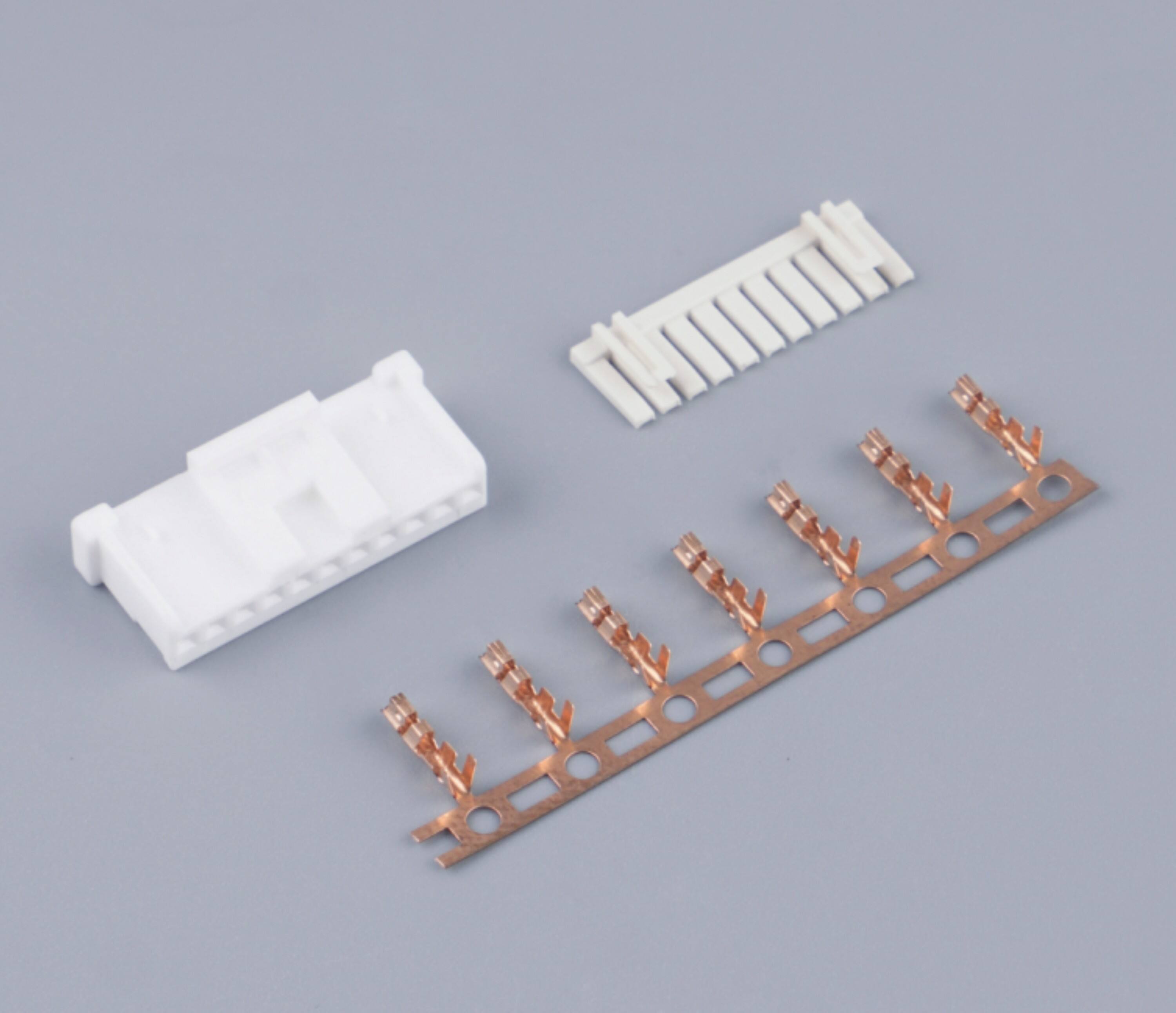
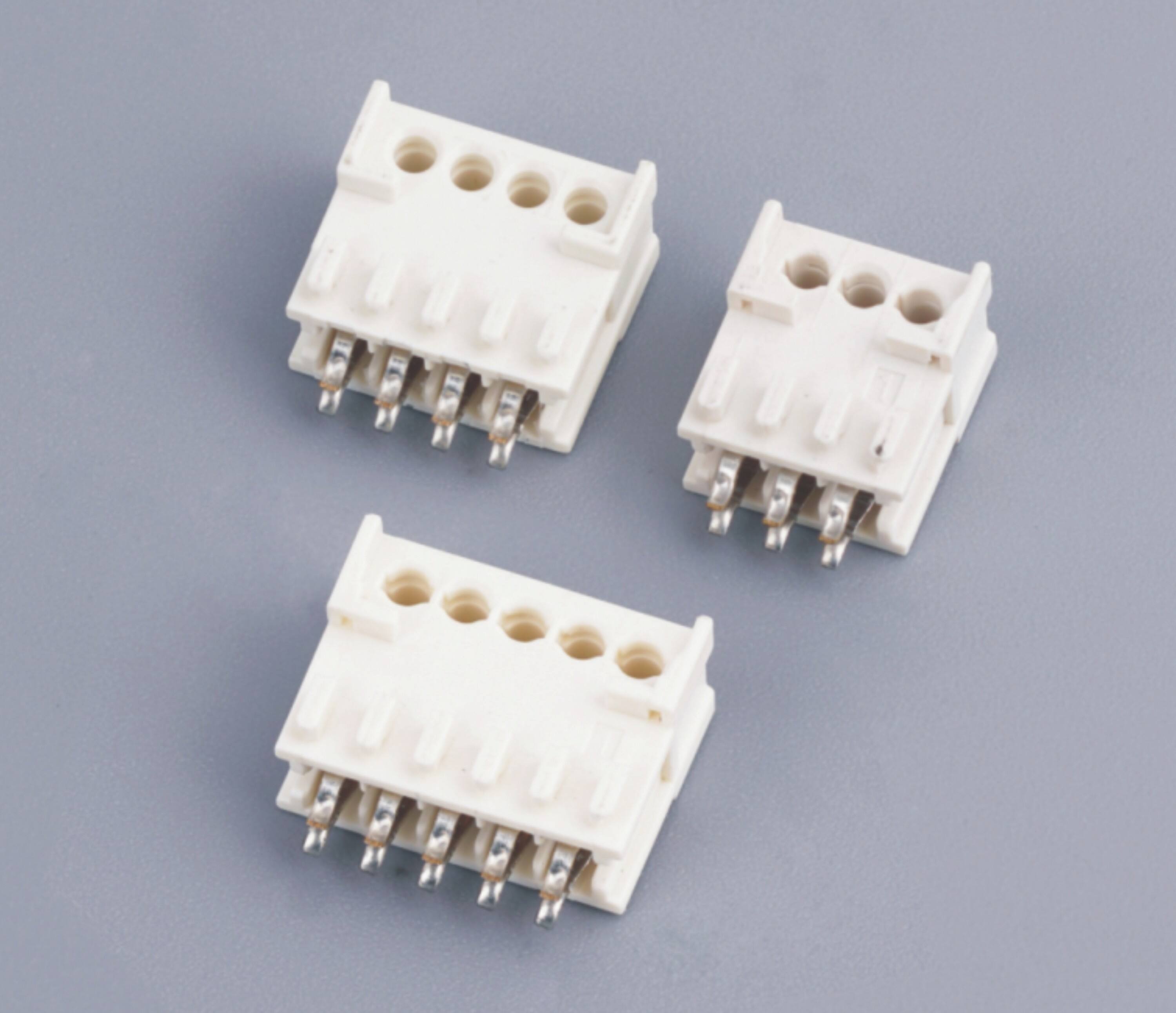
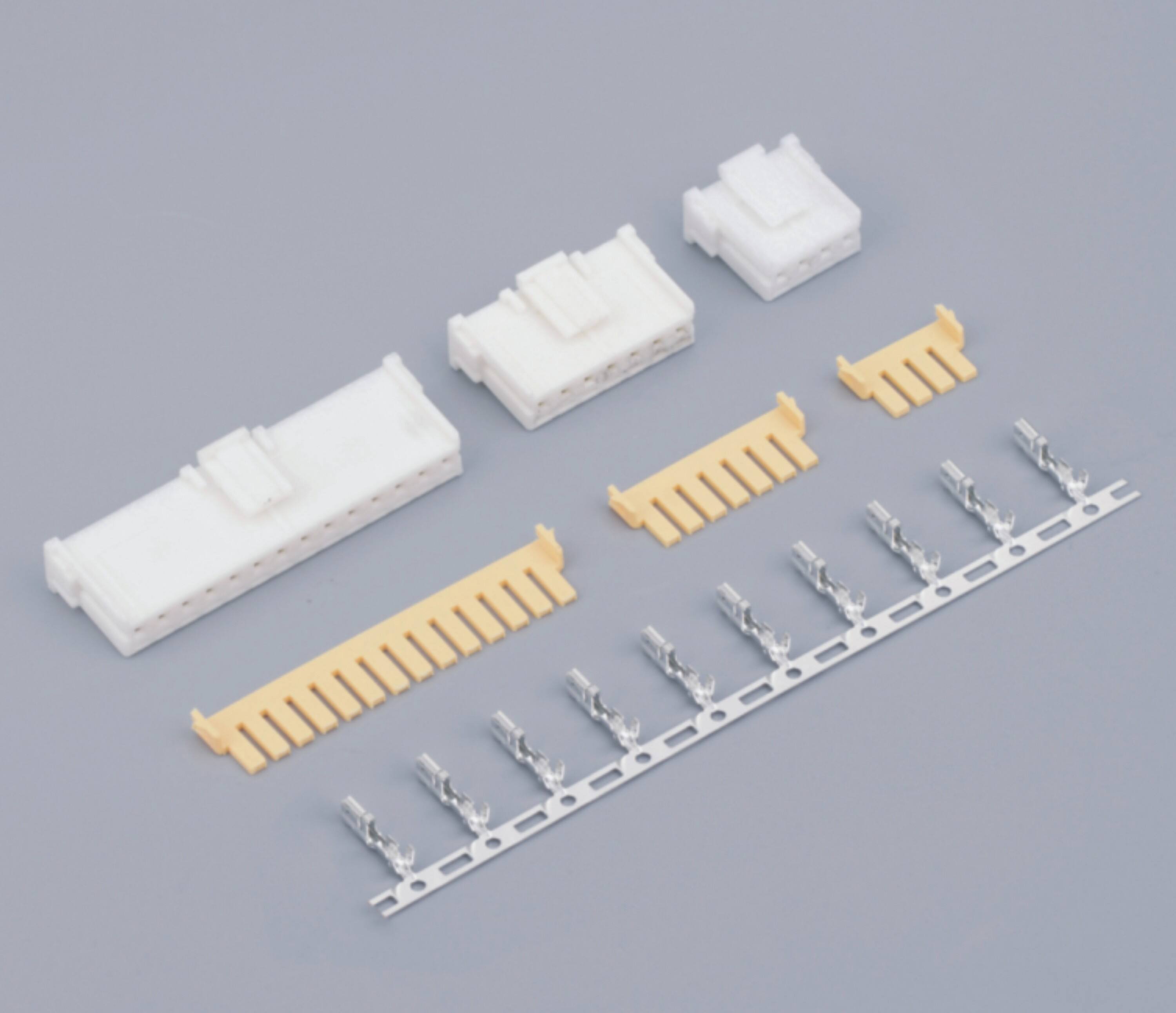
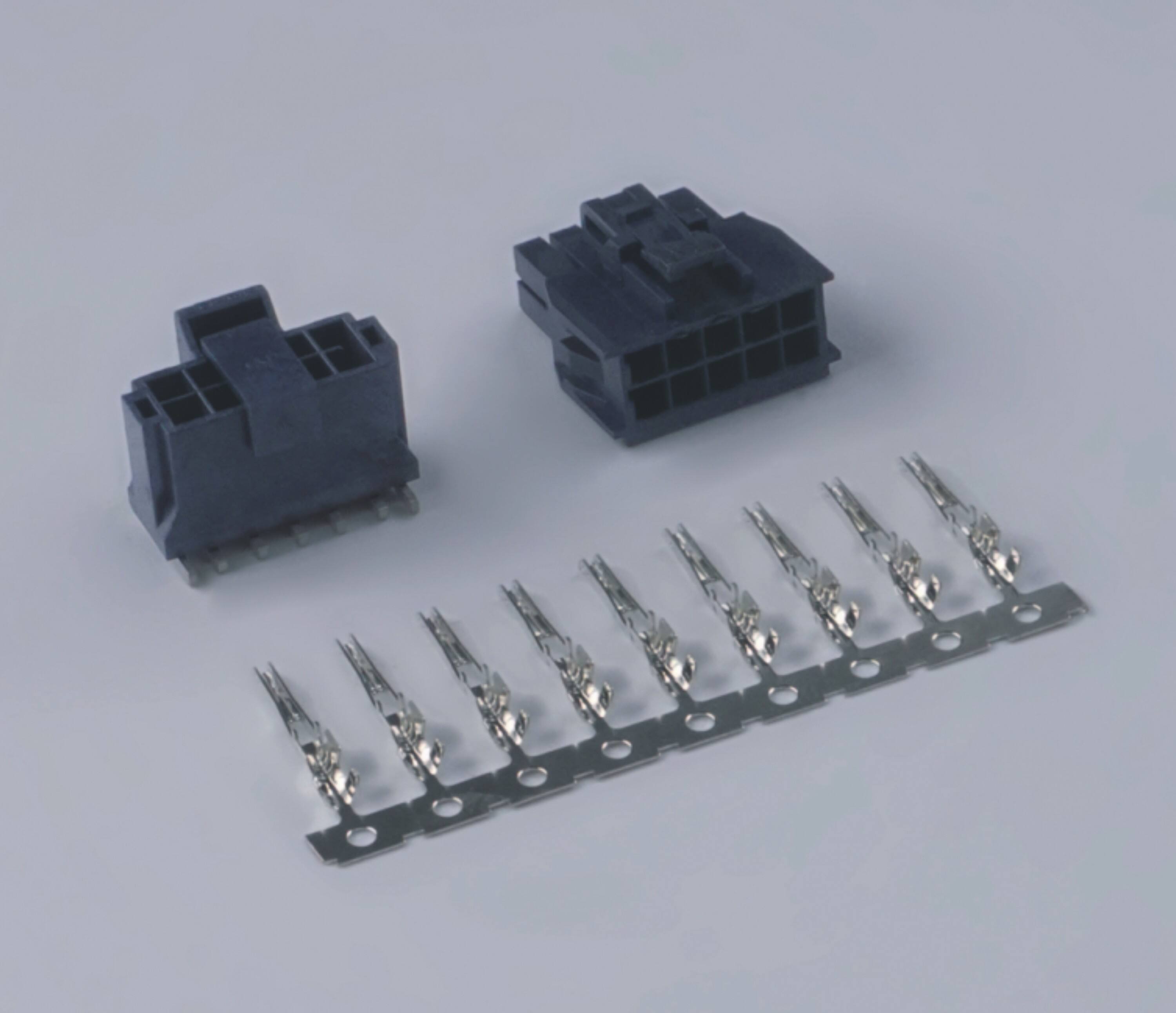
Terminal types encompass a diverse range of electronic devices designed to facilitate data input, output, and communication in various technological systems. These terminals serve as crucial interface points between users and computer systems, networks, or specialized equipment. Modern terminals have evolved from simple text-based interfaces to sophisticated multimedia devices capable of handling complex operations. They include point-of-sale (POS) terminals for retail transactions, industrial terminals for manufacturing control, payment terminals for financial transactions, and smart terminals with advanced computing capabilities. Each type features specific hardware components such as displays, keypads, card readers, and connectivity options tailored to their intended applications. Security features are integrated into these devices, including encryption protocols, secure boot processes, and tamper-detection mechanisms, ensuring safe data transmission and storage. Many terminals now incorporate touchscreens, biometric sensors, and wireless connectivity options, enhancing their versatility and user experience. These devices support various communication protocols and can integrate with existing infrastructure, making them essential tools in modern business operations, retail environments, and industrial settings.


New Products

Terminal types offer numerous advantages that make them indispensable in today's technological landscape. First, they provide enhanced operational efficiency by streamlining data input and processing tasks, reducing human error, and accelerating transaction times. The modular design of modern terminals allows for easy upgrades and maintenance, minimizing downtime and extending device lifespan. These devices feature robust security measures, protecting sensitive information through advanced encryption and authentication methods. Their versatility enables integration with various software systems and networks, making them adaptable to different business needs. The user-friendly interfaces reduce training time and improve staff productivity, while built-in diagnostic capabilities facilitate quick troubleshooting. Many terminals now offer cloud connectivity, enabling real-time data synchronization and remote management capabilities. Their durability and reliability make them suitable for high-traffic environments and demanding conditions. The inclusion of multiple connectivity options ensures consistent operation across different network environments. Advanced power management features extend battery life in portable units, while backup systems prevent data loss during power interruptions. These devices support multiple payment methods, including contactless transactions, increasing customer convenience. Their compact design optimizes counter space while maintaining full functionality. Regular firmware updates ensure continued security and feature improvements, protecting your investment long-term.

Practical Tips

Wire Connectors: How to Choose Between Different Types and Materials?

29

Sep

Wire Connectors: How to Choose Between Different Types and Materials?

Understanding the Critical Role of Wire Connectors in Electrical Systems Wire connectors serve as the foundational elements of any electrical system, ensuring safe and reliable connections between conductors. These essential components come in variou...
View More
What Are the Applications of Automotive Connectors in EV Development?

29

Sep

What Are the Applications of Automotive Connectors in EV Development?

The Evolution of Electrical Systems in Modern Electric Vehicles The automotive industry is witnessing an unprecedented transformation with the rise of electric vehicles (EVs), and at the heart of this revolution lies a critical component - automotive...
View More
What Makes Electrical Connectors Vital in Computers and Smart Devices?

29

Sep

What Makes Electrical Connectors Vital in Computers and Smart Devices?

The Essential Role of Connection Systems in Modern Electronics In today's digital age, electrical connectors serve as the unsung heroes of our technological world. These seemingly simple components form the backbone of all electronic devices, enablin...
View More
How to Choose Cable Terminals for Maximum Conductivity and Strength?

29

Sep

How to Choose Cable Terminals for Maximum Conductivity and Strength?

Essential Guide to Cable Terminal Selection and Performance Cable terminals serve as critical connection points in electrical systems, playing a vital role in ensuring reliable power transmission and signal integrity. Selecting the right cable termin...
View More

Get a Free Quote

Our representative will contact you soon.
Email
Name
Company Name
Message
0/1000

terminal types

Advanced Security Architecture

Advanced Security Architecture

The security architecture in modern terminals represents a comprehensive approach to protecting sensitive data and transactions. This multi-layered security system includes hardware-based encryption, secure boot mechanisms, and tamper-evident design features. The encryption processors handle sensitive data processing in isolated environments, preventing unauthorized access and manipulation. Real-time monitoring systems detect and respond to potential security threats, while secure key management ensures the protection of cryptographic materials. The implementation of industry-standard security protocols enables compliance with regulatory requirements while maintaining optimal performance. Physical security features include specialized casing materials and sensors that detect unauthorized attempts to access internal components.
Seamless Integration Capabilities

Seamless Integration Capabilities

Modern terminals excel in their ability to integrate seamlessly with existing business systems and infrastructure. This integration capability extends across multiple platforms, operating systems, and network protocols, ensuring compatibility with legacy systems while supporting future technological advances. The terminals feature standardized APIs and development tools that facilitate custom application development and system integration. Support for multiple communication protocols enables flexible deployment options, while built-in middleware simplifies the connection to various backend systems. The ability to handle multiple transaction types and data formats makes these terminals versatile tools for diverse business environments.
Enhanced User Experience Design

Enhanced User Experience Design

The user experience design of modern terminals focuses on maximizing efficiency and minimizing user error through intuitive interfaces and responsive controls. High-resolution displays with adjustable brightness ensure clear visibility in various lighting conditions, while responsive touch screens provide accurate input recognition. The ergonomic design considers factors such as viewing angles, button placement, and device weight to reduce operator fatigue during extended use. Customizable interface options allow businesses to tailor the user experience to their specific needs, while multi-language support enables operation in diverse markets. Quick-access functions and shortcuts streamline common tasks, improving operational efficiency and user satisfaction.

Get a Free Quote

Our representative will contact you soon.
Email
Name
Company Name
Message
0/1000
email goToTop