
 EN
EN



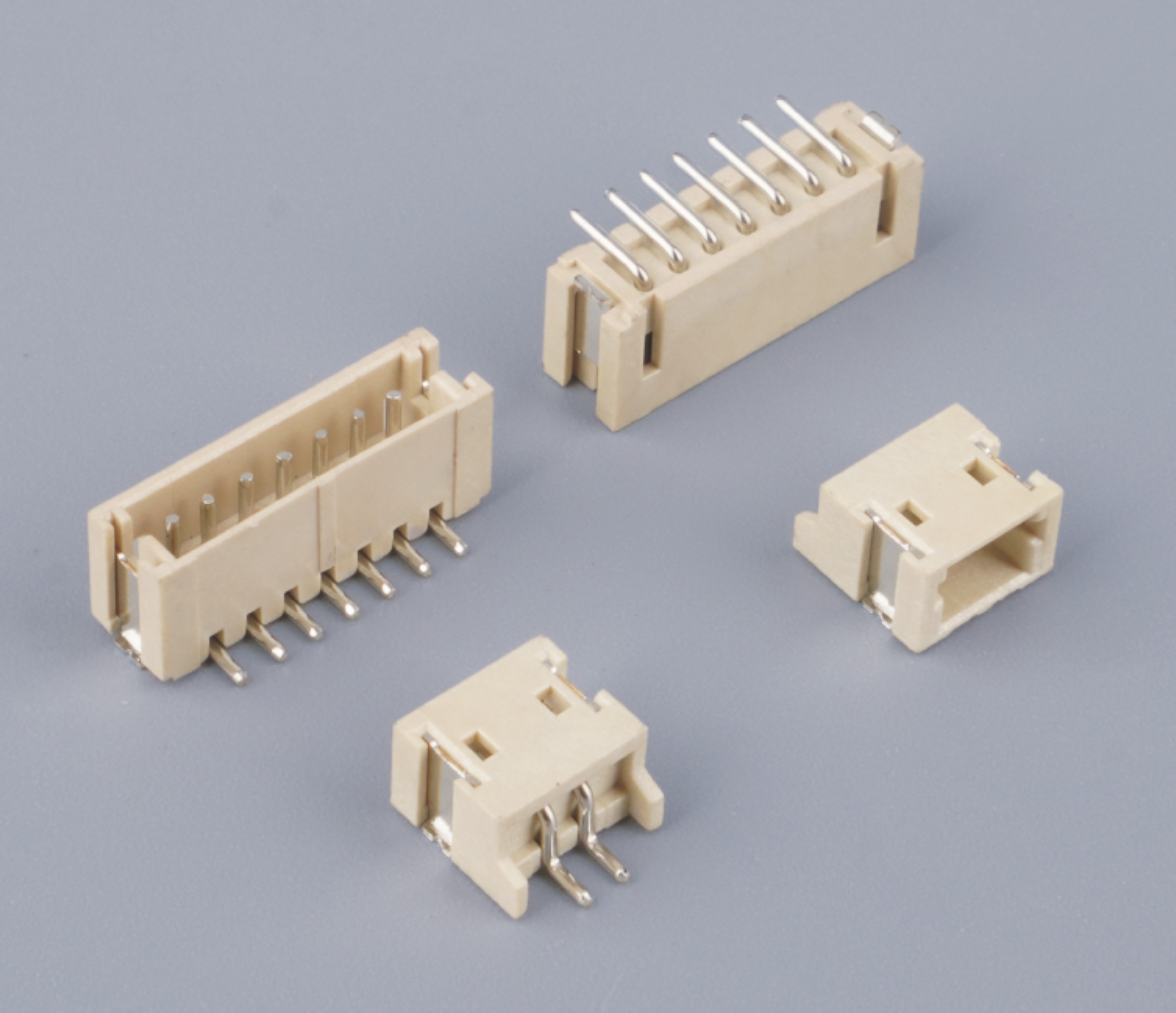
In modern electrical systems, the reliability and safety of power distribution depend heavily on the quality of connections between cables and equipment. Cable terminals serve as the critical interface points that ensure secure electrical connections while maintaining system integrity over extended periods. These essential components must withstand various environmental conditions, electrical loads, and mechanical stresses while providing consistent performance. Understanding the factors that contribute to secure and lasting connections through cable terminals is fundamental for engineers, technicians, and facility managers who prioritize system reliability and operational safety.
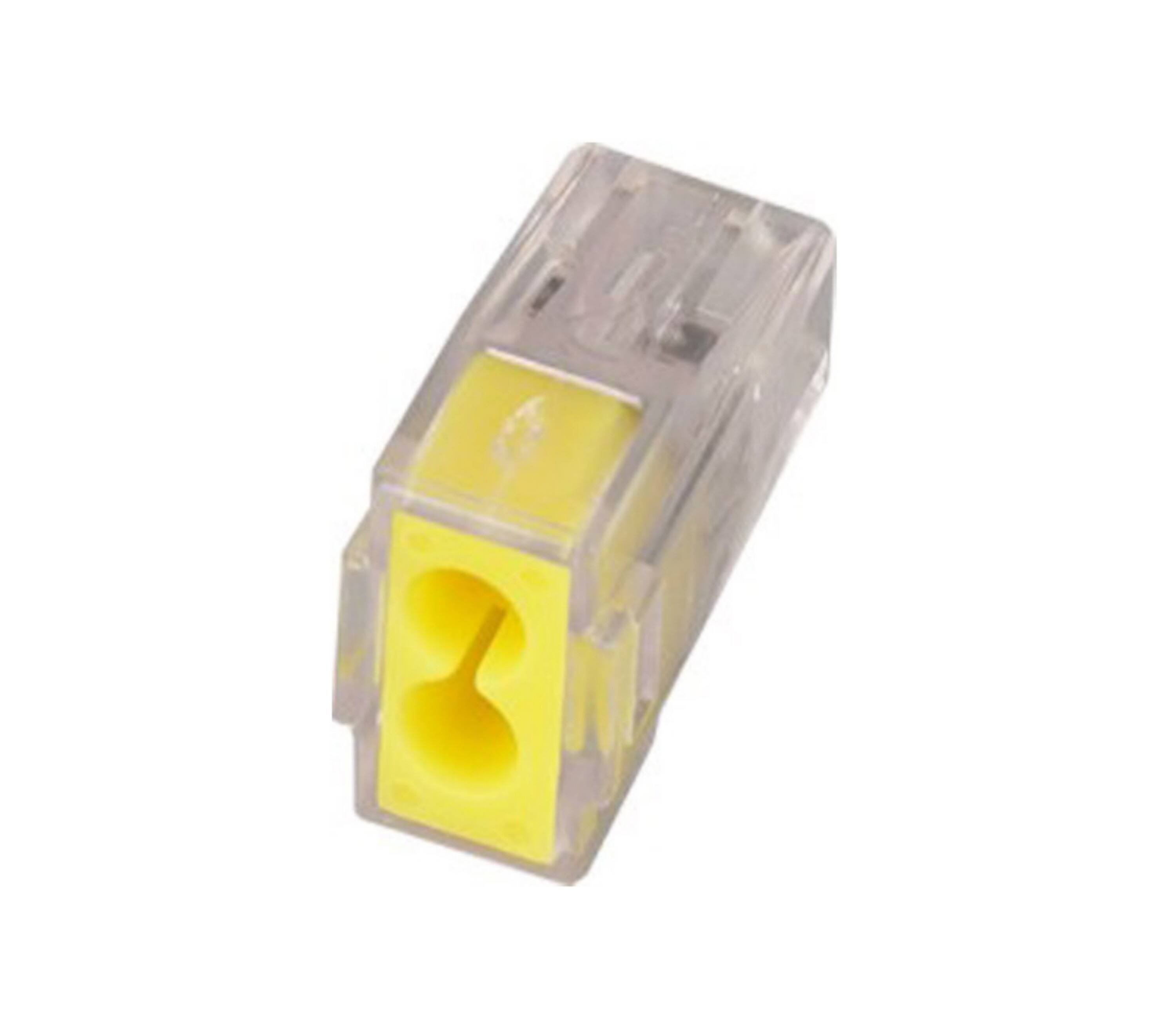
Material Selection and Construction Quality
Conductive Materials and Their Impact
The choice of conductive materials in cable terminals directly affects connection reliability and longevity. High-quality copper alloys provide excellent conductivity while resisting corrosion and maintaining mechanical strength over time. Silver-plated copper terminals offer superior corrosion resistance and enhanced conductivity, making them ideal for critical applications where connection integrity cannot be compromised. The thickness of plating layers and the uniformity of application significantly influence the terminal's ability to maintain low resistance connections throughout its operational life.
Material purity and grain structure also play crucial roles in terminal performance. Refined copper with minimal impurities ensures consistent electrical properties and reduces the risk of galvanic corrosion when connected to dissimilar metals. The manufacturing process must maintain proper annealing temperatures to achieve optimal grain structure, which enhances the material's ability to withstand repeated thermal cycling without developing stress fractures or connection degradation.
Insulation and Housing Materials
The insulation materials surrounding cable terminals must provide adequate dielectric strength while maintaining flexibility and resistance to environmental factors. High-grade thermoplastic and thermoset materials offer superior insulation properties and can withstand temperature fluctuations without becoming brittle or losing their protective characteristics. The selection of appropriate insulation materials depends on the specific application requirements, including operating voltage, temperature range, and exposure to chemicals or moisture.
Housing materials for cable terminals require careful consideration of mechanical properties, chemical resistance, and flame retardancy. Engineering plastics such as nylon, polycarbonate, or specialized composites provide robust protection while maintaining dimensional stability under varying environmental conditions. The housing design must incorporate proper strain relief features to prevent mechanical stress from being transmitted directly to the electrical connections, ensuring long-term reliability of the cable terminals assembly.
Connection Methods and Mechanical Design
Crimping Technology and Techniques
Proper crimping techniques are essential for creating reliable connections in cable terminals systems. The crimping process must achieve optimal compression ratios that ensure intimate contact between the conductor and terminal without over-compressing the materials, which could lead to stress concentrations or conductor damage. Modern crimping tools incorporate precise force control and dimensional verification to ensure consistent results across multiple connections.
The design of the crimp barrel and die system significantly impacts connection quality. Hexagonal, oval, or specialized crimp profiles each offer specific advantages depending on the conductor type and application requirements. The crimp geometry must accommodate the conductor's stranding pattern while providing uniform compression around the entire circumference. Quality crimping tools include built-in inspection capabilities to verify proper crimp dimensions and detect potential defects before installation.
Screw Terminal and Clamp Designs
Screw-type cable terminals rely on mechanical clamping force to maintain electrical contact and mechanical retention. The thread design, pitch, and material selection for the screw mechanism directly influence the clamping force distribution and the connection's ability to maintain tightness over time. High-quality terminals incorporate features such as captive screws, spring washers, or specialized thread coatings to prevent loosening due to thermal cycling or vibration.
Clamp plate design and contact geometry are critical factors in screw terminal performance. The contact surface must provide adequate pressure distribution to prevent conductor damage while ensuring sufficient contact area for current carrying capacity. Advanced designs incorporate multiple contact points or specialized texturing to enhance grip and reduce the risk of conductor pullout. The materials used for clamp plates must resist wear and maintain their surface properties throughout repeated connection and disconnection cycles.
Environmental Considerations and Protection
Temperature Performance and Thermal Management
Temperature variations present significant challenges for cable terminals, affecting both electrical performance and mechanical integrity. High temperatures can accelerate oxidation processes, reduce material strength, and cause thermal expansion mismatches that stress connections. Quality cable terminals incorporate materials and designs that maintain stable performance across wide temperature ranges, typically from -40°C to +125°C or higher for specialized applications.
Thermal cycling creates repetitive stress patterns that can lead to fatigue failures if not properly managed. The coefficient of thermal expansion differences between conductor materials, terminal bodies, and housing components must be carefully considered during design. Advanced terminal designs incorporate stress-relief features and material selection strategies that minimize the impact of thermal cycling on connection integrity. Proper heat dissipation through terminal geometry and material selection helps maintain lower operating temperatures and extends service life.
Moisture and Chemical Resistance
Moisture ingress represents one of the most common causes of cable terminal failure, leading to corrosion, insulation breakdown, and electrical faults. Effective moisture protection requires comprehensive sealing strategies that address both direct water exposure and humidity-driven moisture migration. High-quality terminals incorporate multiple levels of protection, including sealed housings, gaskets, and moisture-resistant materials that prevent water penetration into critical connection areas.
Chemical resistance becomes crucial in industrial environments where cable terminals may be exposed to aggressive substances such as acids, bases, solvents, or cleaning agents. The selection of appropriate materials for both conductive and insulating components must consider the specific chemical exposure profile of the installation environment. Specialized coatings and material treatments can enhance chemical resistance while maintaining electrical and mechanical performance characteristics required for reliable operation.
Installation Best Practices and Quality Assurance
Proper Installation Techniques
The installation process significantly impacts the long-term performance of cable terminals, requiring adherence to specific procedures and techniques. Proper conductor preparation, including stripping length, deburring, and cleaning, ensures optimal contact area and prevents stress concentrations that could lead to premature failure. The use of appropriate tools and following manufacturer specifications for torque values, crimp settings, and insertion depths are essential for achieving reliable connections.
Training and certification of installation personnel play crucial roles in ensuring consistent quality across multiple installations. Proper installation techniques include verification of conductor compatibility, appropriate strain relief implementation, and systematic inspection procedures. The use of calibrated tools and regular maintenance of installation equipment helps maintain consistent results and reduces the risk of installation-related failures in cable terminals applications.
Testing and Verification Methods
Comprehensive testing protocols ensure that cable terminals meet performance requirements and maintain reliability throughout their service life. Initial testing should include resistance measurements, insulation testing, and mechanical pull tests to verify connection integrity. Advanced testing methods such as thermographic inspection, partial discharge testing, and accelerated aging tests provide insights into long-term performance characteristics and potential failure modes.
Regular maintenance and inspection schedules help identify potential issues before they lead to system failures. Visual inspection techniques can detect signs of overheating, corrosion, or mechanical damage, while electrical testing can identify increasing resistance or insulation degradation. Proper documentation and trending of test results enable predictive maintenance strategies that optimize system reliability while minimizing maintenance costs for cable terminals installations.
Industry Standards and Compliance Requirements
International Standards and Certifications
Compliance with recognized industry standards ensures that cable terminals meet minimum performance and safety requirements for specific applications. Standards such as IEC 60947, UL 486, and CSA C22.2 define testing procedures, performance criteria, and marking requirements that manufacturers must meet to demonstrate product compliance. These standards address critical aspects including current carrying capacity, temperature rise, short-circuit performance, and environmental resistance characteristics.
Third-party certification and testing provide independent verification of cable terminals performance and compliance with applicable standards. Recognized certification bodies conduct comprehensive testing programs that validate manufacturer claims and ensure consistent product quality. The certification process includes factory inspections, ongoing quality monitoring, and periodic retesting to maintain certification validity throughout the product lifecycle.
Application-Specific Requirements
Different applications impose unique requirements on cable terminals that may exceed general industry standards. Aerospace, military, and nuclear applications often require additional testing, material restrictions, and quality control measures to ensure reliability in critical systems. Marine and offshore applications demand enhanced corrosion resistance and environmental protection to withstand harsh saltwater environments and extreme weather conditions.
Regulatory compliance requirements vary by region and application, necessitating careful selection of appropriate cable terminals for specific installations. Local electrical codes, safety regulations, and industry-specific standards may impose additional requirements beyond basic product standards. Understanding and compliance with these requirements is essential for ensuring legal compliance and maintaining system safety throughout the operational life of electrical installations.
FAQ
What factors determine the current carrying capacity of cable terminals?
The current carrying capacity of cable terminals depends on several key factors including the cross-sectional area of the conductive path, material conductivity, connection resistance, and thermal dissipation characteristics. The terminal design must provide adequate contact area between the conductor and terminal body while minimizing resistance through proper material selection and connection geometry. Environmental factors such as ambient temperature, ventilation, and grouping effects also influence the actual current carrying capacity in real-world installations.
How do environmental conditions affect cable terminal performance?
Environmental conditions significantly impact cable terminal performance through multiple mechanisms. Temperature extremes can cause thermal stress, material degradation, and expansion-contraction cycles that affect connection integrity. Moisture and humidity can lead to corrosion and insulation breakdown, while chemical exposure may attack terminal materials and compromise their properties. UV radiation, vibration, and mechanical stress from wind or equipment operation also contribute to long-term degradation and require appropriate protection measures in terminal selection and installation.
What maintenance procedures ensure long-term reliability of cable terminals?
Effective maintenance procedures for cable terminals include regular visual inspections to detect signs of overheating, corrosion, or mechanical damage. Thermal imaging surveys can identify high-resistance connections before they lead to failures, while resistance measurements help monitor connection quality over time. Torque verification on screw-type terminals ensures proper clamping force, and insulation testing verifies continued dielectric integrity. Maintenance schedules should be based on manufacturer recommendations, environmental conditions, and criticality of the electrical system.
How do you select the appropriate cable terminal for specific applications?
Selecting appropriate cable terminals requires careful consideration of electrical requirements including voltage, current, and frequency characteristics. Environmental factors such as temperature range, moisture exposure, and chemical compatibility must match the terminal's specifications. Mechanical requirements including vibration resistance, conductor types, and installation constraints also influence selection. Compliance requirements, industry standards, and certification needs must be verified to ensure the selected cable terminals meet all applicable regulations and performance requirements for the specific application.

