
 EN
EN



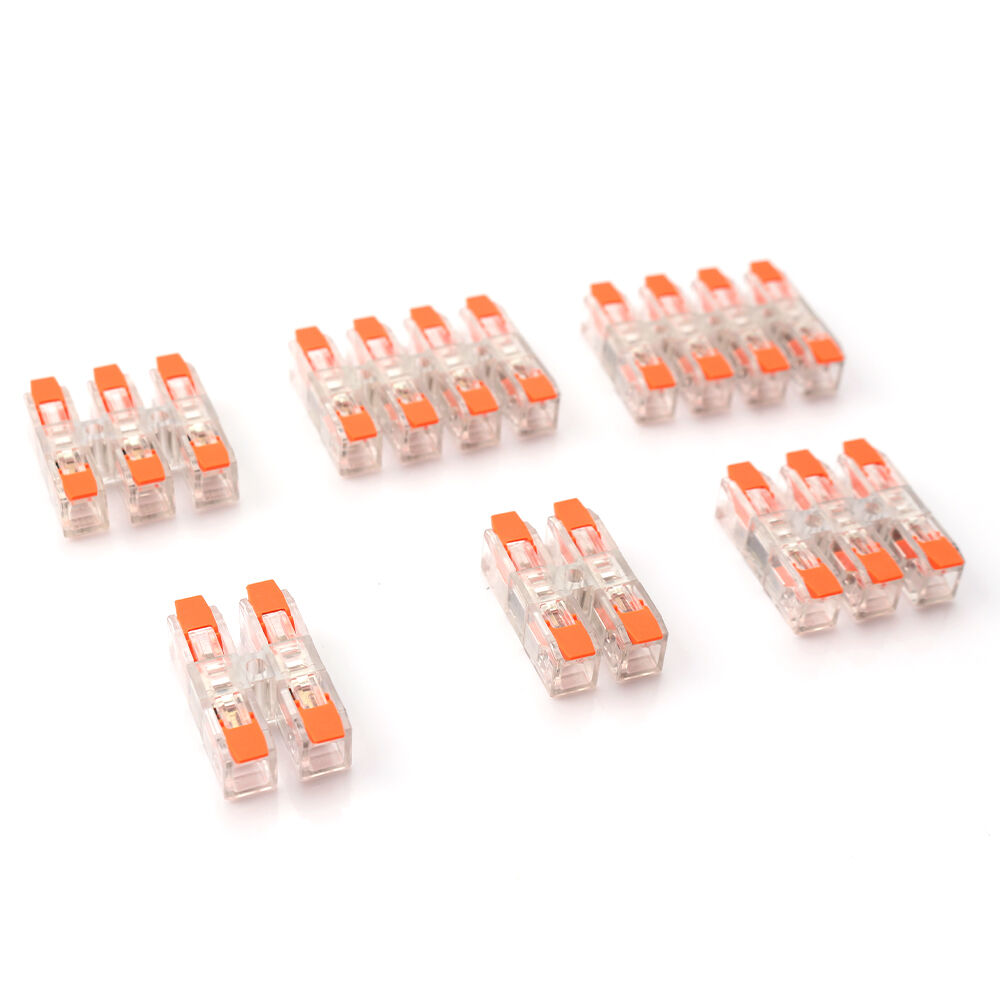
Modern industrial systems rely heavily on efficient connectivity solutions to ensure optimal performance and reliability. Electrical connectors serve as the backbone of system integration, enabling seamless communication between components while maintaining signal integrity across diverse applications. These critical components have evolved significantly over the decades, transforming from simple connection points to sophisticated interfaces that support complex automated processes. Today's industrial landscape demands electrical connectors that can withstand harsh environments while delivering consistent performance under demanding operational conditions.
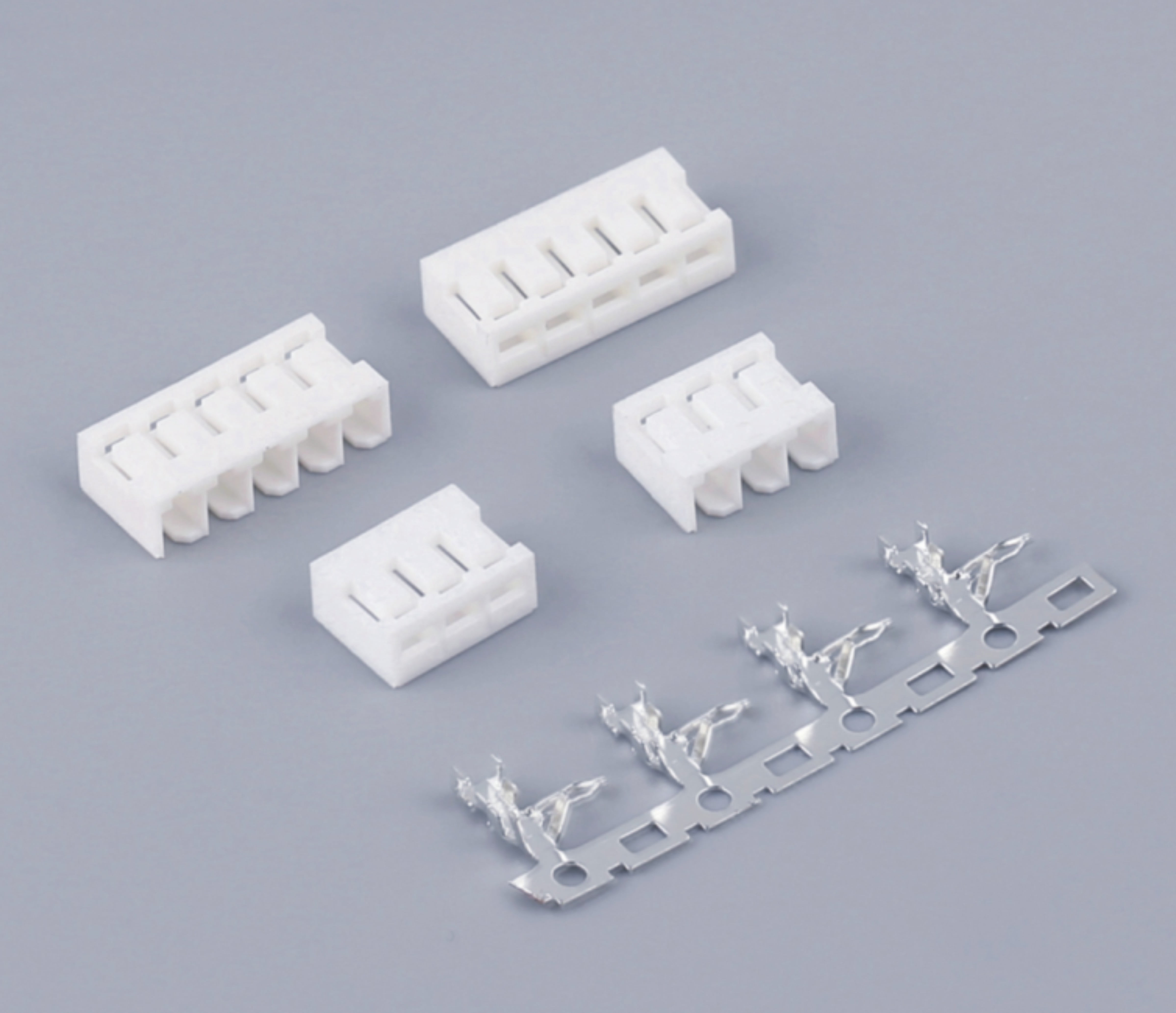
Understanding the Role of Electrical Connectors in System Integration
Core Functions and Performance Characteristics
Electrical connectors function as intermediary devices that establish temporary or permanent electrical connections between circuits, components, or systems. Their primary purpose extends beyond simple connectivity to encompass signal transmission quality, environmental protection, and mechanical stability. High-quality electrical connectors maintain consistent contact resistance while preventing signal degradation that could compromise system performance. These components must demonstrate exceptional durability under repeated mating cycles while preserving their electrical characteristics throughout extended operational periods.
The performance characteristics of electrical connectors directly impact overall system efficiency and reliability. Contact materials, plating options, and housing designs all contribute to the connector's ability to maintain stable connections under varying environmental conditions. Engineers select electrical connectors based on specific requirements including current carrying capacity, voltage ratings, insertion force, and environmental sealing capabilities. Advanced electrical connectors incorporate specialized features such as polarization keys, locking mechanisms, and strain relief systems to enhance connection security and prevent accidental disconnection.
Integration Challenges and Solutions
System integration projects often encounter challenges related to connector compatibility, space constraints, and environmental factors that can affect connection reliability. Electrical connectors must accommodate various cable types, wire gauges, and termination methods while maintaining consistent performance across different operational scenarios. Modern connector designs address these challenges through modular configurations that allow customization based on specific application requirements. This flexibility enables engineers to optimize connector selection for each unique installation while maintaining standardization where possible.
Environmental protection represents another critical aspect of electrical connector integration. Industrial applications frequently expose electrical connectors to moisture, dust, chemicals, and extreme temperatures that can degrade connection quality over time. Advanced sealing technologies and protective housing materials enable electrical connectors to maintain reliable operation in harsh environments while providing easy access for maintenance and inspection procedures. These protective features ensure long-term system reliability while reducing maintenance costs and downtime.
Advanced Technologies in Modern Electrical Connector Design
Material Innovations and Contact Systems
Contemporary electrical connectors utilize advanced materials and contact systems that significantly improve performance compared to traditional designs. Gold plating on contact surfaces provides superior corrosion resistance and maintains low contact resistance throughout extended operational periods. Specialized copper alloys offer enhanced spring characteristics and conductivity while maintaining mechanical strength under repeated mating cycles. These material innovations enable electrical connectors to deliver consistent performance in demanding applications where reliability is paramount.
Contact system designs have evolved to incorporate multiple contact points that distribute current loads more effectively while providing redundancy for critical connections. Spring-loaded contacts maintain consistent pressure against mating surfaces, compensating for thermal expansion and mechanical variations that could affect connection quality. Advanced electrical connectors feature optimized contact geometries that minimize insertion forces while maximizing retention strength. These design improvements reduce wear during installation and maintenance procedures while ensuring secure connections throughout the system's operational life.
Environmental Protection and Sealing Technologies
Modern electrical connectors incorporate sophisticated sealing technologies that provide comprehensive environmental protection without compromising accessibility or performance. Multi-stage sealing systems prevent moisture ingress while allowing for thermal expansion and contraction during normal operation. Specialized gasket materials maintain sealing effectiveness across wide temperature ranges while resisting degradation from exposure to industrial chemicals and lubricants. These sealing technologies enable electrical connectors to achieve high IP ratings while maintaining easy serviceability for routine maintenance procedures.
Protective housing designs utilize advanced thermoplastic and thermoset materials that provide excellent chemical resistance and mechanical strength. Color-coded housings and clear marking systems facilitate proper installation and maintenance procedures while reducing the risk of connection errors. Integrated strain relief features protect cable connections from mechanical stress while maintaining the integrity of environmental seals. These design elements work together to ensure that electrical connectors maintain reliable performance throughout their intended service life.
Applications and Industry-Specific Requirements
Industrial Automation and Control Systems
Industrial automation systems demand electrical connectors that can handle high-speed data transmission while maintaining reliable power delivery to control components. These applications require connectors with excellent EMI shielding capabilities to prevent interference between signal and power circuits. Electrical connectors used in automation systems must also support hot-swapping capabilities for critical components that cannot tolerate system downtime during maintenance procedures. Modular designs enable rapid replacement of faulty components while maintaining system operation through redundant pathways.
Control panel applications utilize electrical connectors that provide secure connections for various sensor and actuator interfaces while accommodating the space constraints typical of industrial enclosures. Quick-disconnect features enable efficient troubleshooting and component replacement without requiring extensive disassembly procedures. Electrical connectors in these applications must maintain stable connections despite vibration and thermal cycling that commonly occurs in industrial environments. Color-coding and keying systems prevent incorrect connections that could damage sensitive control equipment.
Power Distribution and Energy Systems
Power distribution applications require electrical connectors capable of handling high current loads while maintaining low contact resistance to minimize power losses. These connectors must demonstrate exceptional thermal management capabilities to dissipate heat generated during normal operation. Electrical connectors used in energy systems incorporate robust contact designs that maintain stable connections despite thermal expansion and mechanical stress. Safety features such as arc suppression and touch-proof designs protect personnel during installation and maintenance procedures.
Renewable energy systems present unique challenges for electrical connectors due to outdoor installations and extended operational periods without maintenance. Solar and wind applications require electrical connectors with superior UV resistance and weathering characteristics to maintain performance throughout decades of continuous exposure. These connectors must also accommodate thermal cycling between extreme temperature ranges while maintaining reliable connections. Specialized locking mechanisms prevent accidental disconnection due to wind loading and thermal expansion in outdoor installations.
Installation Best Practices and Maintenance Considerations
Proper Installation Techniques
Successful electrical connector installation requires attention to proper preparation procedures and connection techniques that ensure optimal performance throughout the system's operational life. Cable preparation involves precise stripping lengths and proper conductor preparation to achieve consistent contact pressure across all connection points. Electrical connectors must be installed according to manufacturer specifications regarding torque values, insertion depths, and environmental sealing procedures. Proper installation techniques prevent common issues such as loose connections, moisture ingress, and premature contact wear that can compromise system reliability.
Quality control during installation includes verification of contact resistance, insulation integrity, and environmental sealing effectiveness before energizing the system. Test procedures should validate that electrical connectors meet specified performance criteria under expected operational conditions. Documentation of installation procedures and test results provides valuable reference information for future maintenance activities. Proper training of installation personnel ensures consistent application of best practices that maximize connector performance and system reliability.
Maintenance and Inspection Protocols
Regular maintenance of electrical connectors extends their operational life while preventing unexpected failures that could disrupt system operation. Inspection procedures should include visual examination of connector housings for signs of environmental damage, corrosion, or mechanical wear. Contact resistance measurements provide objective data regarding connection quality that may not be apparent through visual inspection alone. Electrical connectors in critical applications benefit from thermographic inspection to identify connections that may be developing problems before they result in system failures.
Preventive maintenance programs should establish appropriate intervals for connector inspection and replacement based on environmental conditions and operational requirements. Harsh environments may require more frequent inspection intervals to detect potential problems before they affect system performance. Spare parts inventory should include critical electrical connectors that could affect system availability if failure occurs. Maintenance documentation provides trending information that helps optimize inspection intervals and identify recurring issues that may indicate design or application problems.
Future Developments and Emerging Technologies
Smart Connector Technologies
Emerging smart connector technologies integrate diagnostic capabilities directly into electrical connectors to provide real-time monitoring of connection health and performance parameters. These intelligent systems can detect changes in contact resistance, temperature, and vibration that may indicate developing problems before they result in system failures. Smart electrical connectors communicate diagnostic information through integrated sensors and wireless communication capabilities that enable remote monitoring of connection status. This technology allows maintenance personnel to identify potential issues proactively rather than responding to failures after they occur.
Advanced diagnostic algorithms analyze connection data to predict remaining service life and optimize maintenance schedules based on actual operating conditions rather than predetermined intervals. Smart electrical connectors can also provide authentication capabilities that prevent unauthorized connections and ensure compatibility between system components. These features enhance system security while providing detailed operational data that supports reliability engineering and continuous improvement initiatives.
Miniaturization and High-Density Solutions
Ongoing miniaturization trends in electronics and automation systems drive development of electrical connectors that provide increased functionality in smaller packages. High-density connector designs maximize the number of connections per unit area while maintaining adequate spacing for proper electrical isolation and thermal management. These compact electrical connectors enable more sophisticated control systems in space-constrained applications without compromising reliability or serviceability. Advanced manufacturing techniques support production of miniaturized connectors with precise tolerances that ensure consistent performance across large production volumes.
Micro-connector technologies utilize advanced materials and contact designs that maintain reliable connections despite reduced contact areas and lower normal forces. These electrical connectors support high-speed data transmission while minimizing signal crosstalk and electromagnetic interference. Automated assembly techniques enable cost-effective production of complex multi-pin configurations that would be impractical using traditional manufacturing methods. Future developments in nanotechnology and advanced materials promise even greater miniaturization capabilities while maintaining or improving electrical and mechanical performance characteristics.
FAQ
What factors should be considered when selecting electrical connectors for industrial applications
Selecting appropriate electrical connectors requires evaluation of multiple factors including current carrying capacity, voltage ratings, environmental conditions, and mechanical requirements. The operating environment significantly impacts connector selection, as exposure to moisture, chemicals, temperature extremes, and vibration affects long-term reliability. Contact material and plating options must be compatible with the intended application and environmental conditions. Mechanical considerations include mating force requirements, retention strength, and the number of expected mating cycles throughout the connector's service life.
How do environmental sealing capabilities affect electrical connector performance
Environmental sealing capabilities directly impact electrical connector reliability and service life in challenging operating conditions. Proper sealing prevents moisture ingress that can cause corrosion and electrical failures while protecting against dust and other contaminants that may interfere with contact surfaces. Sealing effectiveness is typically rated using IP codes that specify protection levels against various environmental factors. However, sealing systems must be properly maintained and inspected to ensure continued effectiveness throughout the connector's operational life.
What maintenance practices help extend electrical connector service life
Regular inspection and preventive maintenance significantly extend electrical connector service life while reducing unexpected failures. Visual inspection should identify signs of corrosion, mechanical damage, or environmental degradation before they affect electrical performance. Contact resistance measurements provide objective data regarding connection quality that supplements visual inspection results. Proper torque values should be maintained on threaded connections, and environmental seals should be inspected and replaced according to manufacturer recommendations.
How do smart connector technologies improve system reliability
Smart connector technologies enhance system reliability through continuous monitoring of connection health parameters and predictive maintenance capabilities. Integrated sensors monitor contact resistance, temperature, and mechanical parameters that indicate developing problems before they result in failures. Real-time diagnostic data enables maintenance personnel to address issues proactively rather than responding to failures after they occur. These technologies also provide authentication capabilities that ensure proper component compatibility and prevent unauthorized connections that could compromise system security.
Table of Contents
- Understanding the Role of Electrical Connectors in System Integration
- Advanced Technologies in Modern Electrical Connector Design
- Applications and Industry-Specific Requirements
- Installation Best Practices and Maintenance Considerations
- Future Developments and Emerging Technologies
-
FAQ
- What factors should be considered when selecting electrical connectors for industrial applications
- How do environmental sealing capabilities affect electrical connector performance
- What maintenance practices help extend electrical connector service life
- How do smart connector technologies improve system reliability

