
 EN
EN



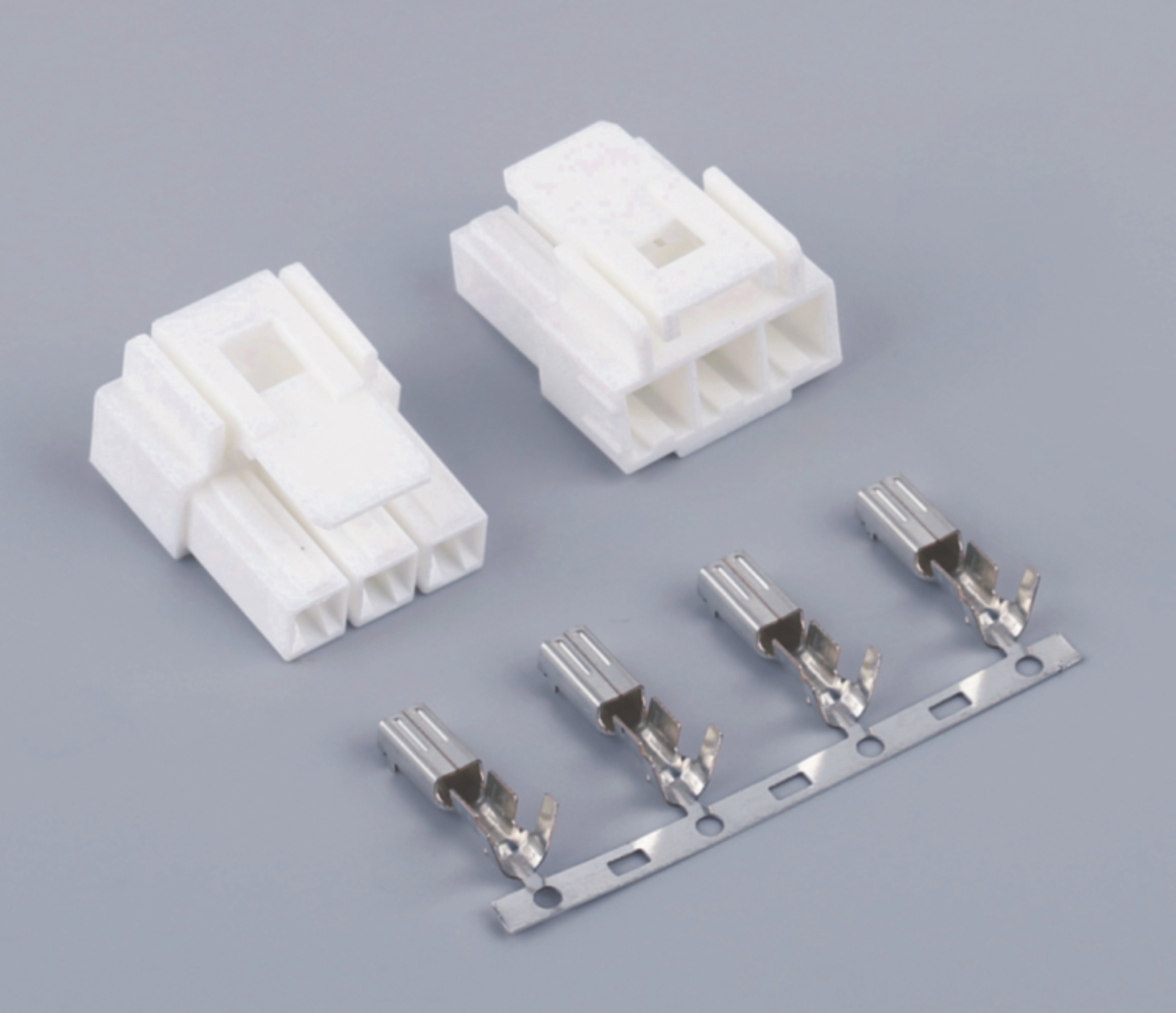
The automotive industry continues to evolve at an unprecedented pace, with modern vehicles incorporating increasingly sophisticated electrical systems that demand reliable and robust connectivity solutions. High-performance automotive connectors serve as the critical backbone of these complex systems, ensuring seamless communication between various electronic components while withstanding the harsh environmental conditions that vehicles encounter daily. These specialized connectors play an essential role in everything from basic lighting systems to advanced driver assistance technologies, making their selection and implementation crucial for automotive manufacturers and engineers.
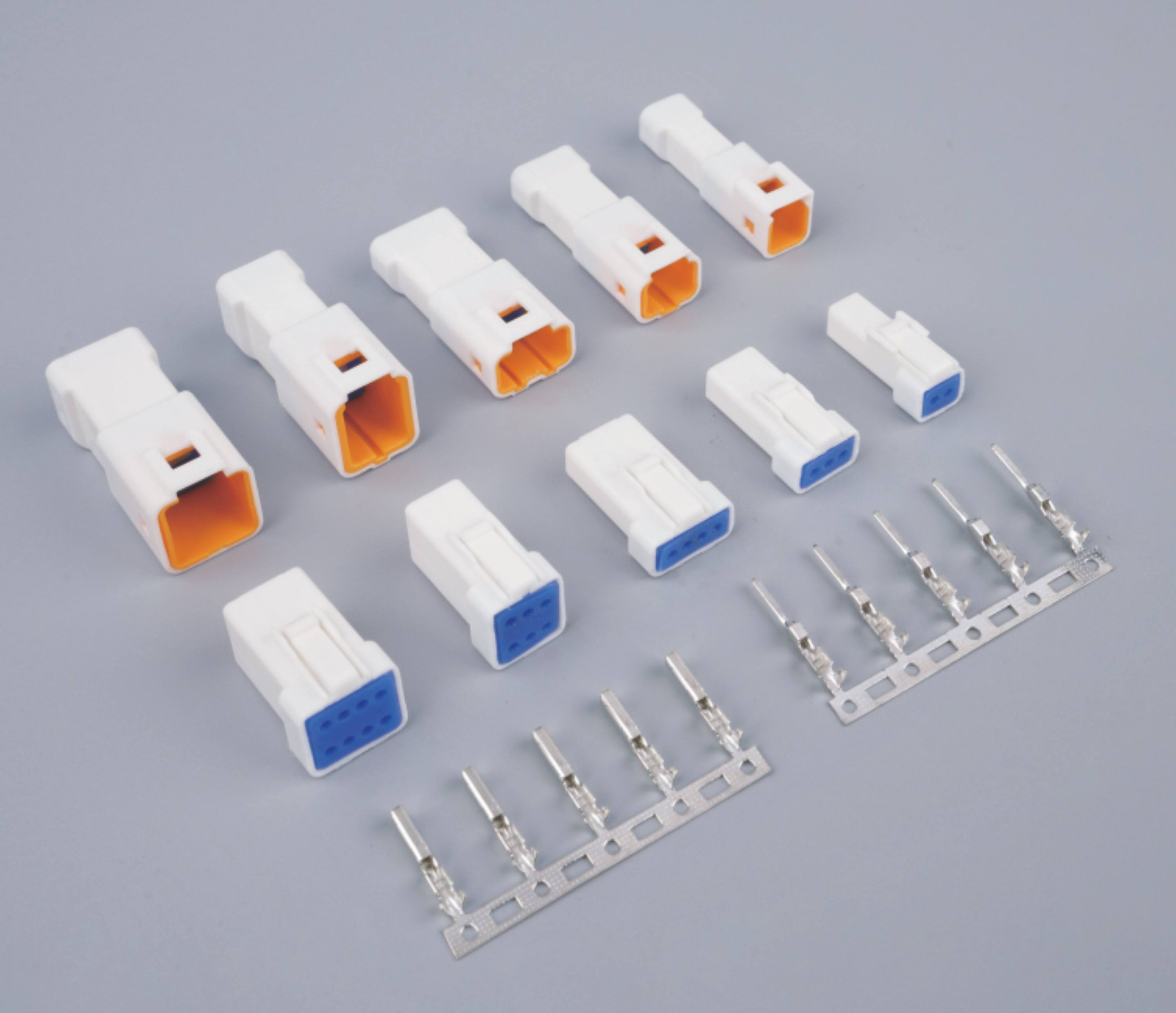
Modern vehicles contain hundreds of electrical connections, each requiring dependable performance under extreme conditions including temperature fluctuations, vibration, moisture exposure, and chemical contamination. The failure of even a single connector can compromise vehicle safety, performance, or functionality, highlighting the importance of selecting high-quality automotive connectors that meet stringent industry standards. Understanding the key advantages these connectors provide helps automotive professionals make informed decisions that enhance vehicle reliability and customer satisfaction.
Superior Environmental Protection and Durability
Waterproof and Sealed Design Features
High-performance automotive connectors incorporate advanced sealing technologies that provide exceptional protection against water ingress, dust contamination, and other environmental hazards. These connectors typically feature multiple sealing elements including gaskets, O-rings, and secondary seals that create multiple barriers against moisture penetration. The waterproof design ensures reliable operation even when exposed to heavy rain, car washes, or flooded conditions that vehicles may encounter during normal operation.
The sealing effectiveness of premium automotive connectors is measured using IP (Ingress Protection) ratings, with many achieving IP67 or IP68 classifications that guarantee protection against temporary or continuous water immersion. This level of environmental protection is particularly crucial for connectors located in exposed areas such as engine compartments, undercarriage locations, or external lighting assemblies where moisture exposure is inevitable.
Temperature Resistance and Thermal Management
Automotive environments subject connectors to extreme temperature variations ranging from sub-zero conditions in winter climates to elevated temperatures exceeding 150°C in engine bay applications. High-quality automotive connectors utilize specialized materials and design features that maintain electrical integrity across these wide temperature ranges without degradation or failure. Advanced thermoplastic housings and high-temperature contact materials ensure consistent performance regardless of ambient conditions.
Thermal cycling resistance is another critical advantage, as connectors must withstand repeated expansion and contraction cycles without developing loose connections or mechanical stress fractures. Superior automotive connectors incorporate design elements that accommodate thermal movement while maintaining secure electrical contact, preventing the intermittent failures that can plague inferior connector designs under temperature stress.
Vibration and Shock Resistance
Vehicle operation subjects electrical connections to constant vibration from engine operation, road surface irregularities, and normal driving dynamics. Premium automotive connectors feature robust mechanical designs with secure locking mechanisms, reinforced contact retention systems, and vibration-damping materials that prevent connection loosening or intermittent contact under dynamic conditions.
The mechanical stability provided by high-performance connectors extends to shock resistance, ensuring connections remain intact during sudden impacts or jarring motions that occur during off-road driving or collision events. This mechanical reliability is essential for safety-critical systems where connection failure could compromise vehicle operation or occupant protection systems.
Enhanced Electrical Performance and Signal Integrity
Low Contact Resistance and Power Handling
Superior automotive connectors maintain consistently low contact resistance throughout their service life, ensuring efficient power transfer and minimizing voltage drops that can affect system performance. High-quality contact materials such as gold-plated copper alloys provide excellent conductivity while resisting corrosion and oxidation that typically increase resistance over time. This stable electrical performance is crucial for power-hungry applications such as electric vehicle charging systems, high-intensity lighting, and motor control circuits.
The power handling capabilities of premium automotive connectors enable safe operation at higher current levels without overheating or degradation. Advanced contact designs with increased surface area and optimized geometries distribute electrical loads effectively, preventing hot spots that could lead to connector failure or fire hazards in high-power applications.
Signal Quality and Electromagnetic Compatibility
Modern vehicle electrical systems increasingly rely on high-frequency digital communications and sensitive analog signals that require exceptional signal integrity for proper operation. High-performance automotive connectors incorporate shielding technologies and controlled impedance designs that minimize signal distortion, crosstalk, and electromagnetic interference. These features are particularly important for applications involving CAN bus communications, sensor signals, and advanced infotainment systems.
The electromagnetic compatibility (EMC) characteristics of quality automotive connectors help prevent interference between different vehicle systems while protecting sensitive electronics from external electromagnetic disturbances. Proper connector selection and installation contribute significantly to overall vehicle EMC performance, ensuring compliance with regulatory requirements and optimal system functionality.
Improved Serviceability and Maintenance Efficiency
User-Friendly Connection and Disconnection
Well-designed automotive connectors feature intuitive mating and unmating procedures that facilitate quick and reliable connections during assembly or service operations. Color-coded housings, keying features, and tactile feedback mechanisms help prevent incorrect connections while ensuring proper engagement. These user-friendly characteristics reduce assembly time and minimize the potential for human error during manufacturing or repair procedures.
The accessibility of automotive connectors in vehicle designs becomes increasingly important as electrical systems grow more complex. Premium connectors often incorporate features such as extended handles, angled configurations, or modular designs that improve access in confined spaces, making diagnostic procedures and component replacement more efficient for service technicians.
Diagnostic and Testing Capabilities
Advanced automotive connectors may include integrated diagnostic features such as test points, LED indicators, or sensor feedback systems that facilitate troubleshooting and system monitoring. These diagnostic capabilities enable faster fault isolation and more accurate problem identification, reducing vehicle downtime and improving customer satisfaction. Some high-end automotive connectors incorporate smart sensing technologies that can detect connection status, contact degradation, or environmental conditions.
The compatibility of premium automotive connectors with standard testing equipment and procedures streamlines quality control processes during manufacturing and enables comprehensive system verification during service operations. Standardized pin assignments and documented electrical characteristics support efficient testing protocols that ensure system reliability and performance.
Cost-Effectiveness and Long-Term Value
Reduced Warranty Claims and Field Failures
The initial investment in high-quality automotive connectors typically generates significant long-term savings through reduced warranty claims, field failures, and customer satisfaction issues. Reliable connectors minimize the need for costly vehicle recalls or service campaigns related to electrical system failures, protecting manufacturer reputation while reducing financial exposure. The enhanced durability and environmental protection provided by premium connectors translate directly into improved vehicle reliability and lower total cost of ownership.
Statistical data from automotive manufacturers consistently demonstrates that connector-related failures represent a significant portion of electrical system warranty claims. By specifying high-performance automotive connectors with proven reliability records, manufacturers can substantially reduce these failure rates while improving customer confidence and brand loyalty.
Manufacturing and Assembly Efficiency
Premium automotive connectors often feature design characteristics that streamline manufacturing processes and improve assembly line efficiency. Self-guiding insertion features, positive engagement feedback, and automated handling compatibility reduce assembly time while improving connection quality consistency. These manufacturing advantages can offset the higher initial cost of premium connectors through improved production throughput and reduced assembly defects.
The standardization and modularity common in high-quality automotive connectors support flexible manufacturing strategies and simplified inventory management. Common connector families that span multiple applications reduce the complexity of parts procurement while enabling design standardization that improves manufacturing efficiency and quality control.
Innovation and Future Technology Readiness
Support for Advanced Vehicle Technologies
The rapid advancement of automotive technology including electric propulsion, autonomous driving systems, and connected vehicle capabilities demands automotive connectors that can support evolving requirements for higher data rates, increased power levels, and enhanced functionality. Leading connector manufacturers continuously develop new technologies and product features that anticipate future automotive needs, ensuring compatibility with emerging systems and protocols.
High-performance automotive connectors incorporate forward-looking design features such as fiber optic compatibility, high-speed differential signaling capabilities, and power delivery standards that support next-generation vehicle architectures. This future-ready approach protects automotive manufacturers' technology investments while enabling smooth transitions to new vehicle platforms and technologies.
Scalability and Platform Flexibility
Modern automotive development relies heavily on platform sharing and modular design approaches that require connector solutions capable of supporting diverse applications across multiple vehicle lines. Premium automotive connectors offer scalable configurations and modular architectures that accommodate varying pin counts, signal types, and environmental requirements while maintaining design consistency and manufacturing efficiency.
The flexibility provided by high-quality connector systems enables automotive engineers to optimize electrical architectures for specific applications while leveraging common components and assembly processes across different vehicle programs. This scalability reduces development time and costs while ensuring consistent quality and reliability across diverse automotive applications.
FAQ
How do automotive connectors differ from standard electrical connectors
Automotive connectors must meet significantly more stringent requirements compared to standard electrical connectors due to the harsh operating environment found in vehicles. They feature enhanced environmental sealing, wider temperature operating ranges, superior vibration resistance, and specialized materials that withstand automotive fluids and chemicals. Additionally, automotive connectors comply with specific industry standards such as USCAR and incorporate safety features required for vehicle applications.
What testing standards apply to high-performance automotive connectors
High-performance automotive connectors must pass comprehensive testing protocols including USCAR specifications, SAE standards, and OEM-specific requirements covering environmental durability, electrical performance, and mechanical reliability. Common tests include temperature cycling, humidity exposure, salt spray corrosion, vibration testing, and electrical load cycling. These standards ensure connectors can withstand the demanding conditions encountered throughout vehicle operation lifecycles.
How can proper connector selection impact overall vehicle reliability
Proper selection of automotive connectors significantly impacts vehicle reliability by preventing electrical system failures that could compromise safety, performance, or customer satisfaction. Quality connectors reduce the likelihood of intermittent connections, corrosion-related failures, and environmental damage that often lead to expensive warranty claims and customer dissatisfaction. The electrical integrity provided by premium connectors ensures consistent system operation throughout the vehicle's service life.
What factors should be considered when specifying automotive connectors for new vehicle designs
Key factors include environmental requirements such as temperature range and moisture exposure, electrical specifications including current capacity and signal integrity needs, mechanical constraints such as space limitations and mating force requirements, and long-term considerations including serviceability and future technology compatibility. Additionally, cost considerations, supplier capability, and regulatory compliance requirements should be evaluated to ensure optimal connector selection for specific applications.
Table of Contents
- Superior Environmental Protection and Durability
- Enhanced Electrical Performance and Signal Integrity
- Improved Serviceability and Maintenance Efficiency
- Cost-Effectiveness and Long-Term Value
- Innovation and Future Technology Readiness
-
FAQ
- How do automotive connectors differ from standard electrical connectors
- What testing standards apply to high-performance automotive connectors
- How can proper connector selection impact overall vehicle reliability
- What factors should be considered when specifying automotive connectors for new vehicle designs

