
 EN
EN



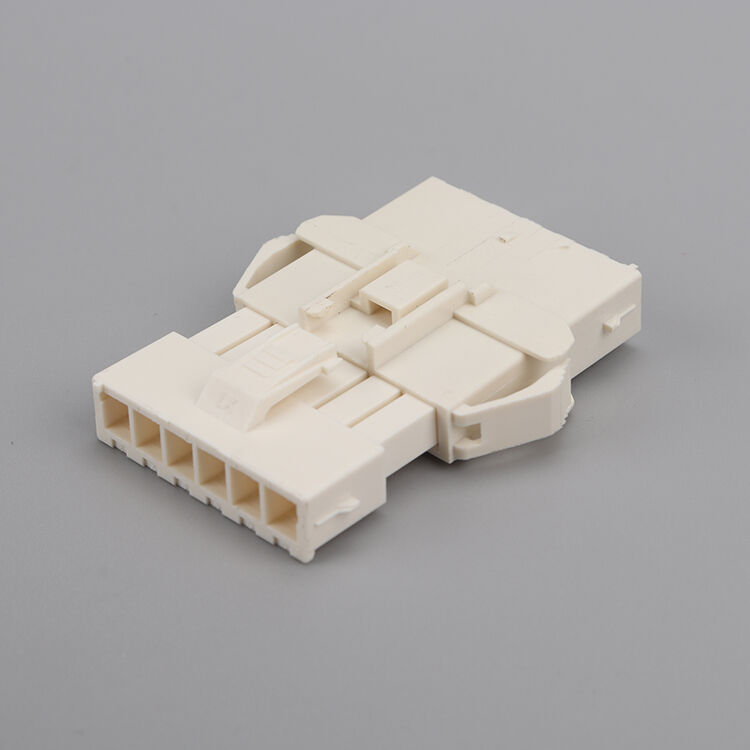
Modern electrical systems demand reliable connections that maintain performance across diverse applications and environments. Wire connectors serve as the critical interface between electrical components, ensuring signal integrity and power transmission in everything from industrial automation to consumer electronics. Understanding compatibility requirements becomes essential when selecting the right connector solution for specific applications, as improper matching can lead to system failures, safety hazards, and costly downtime.
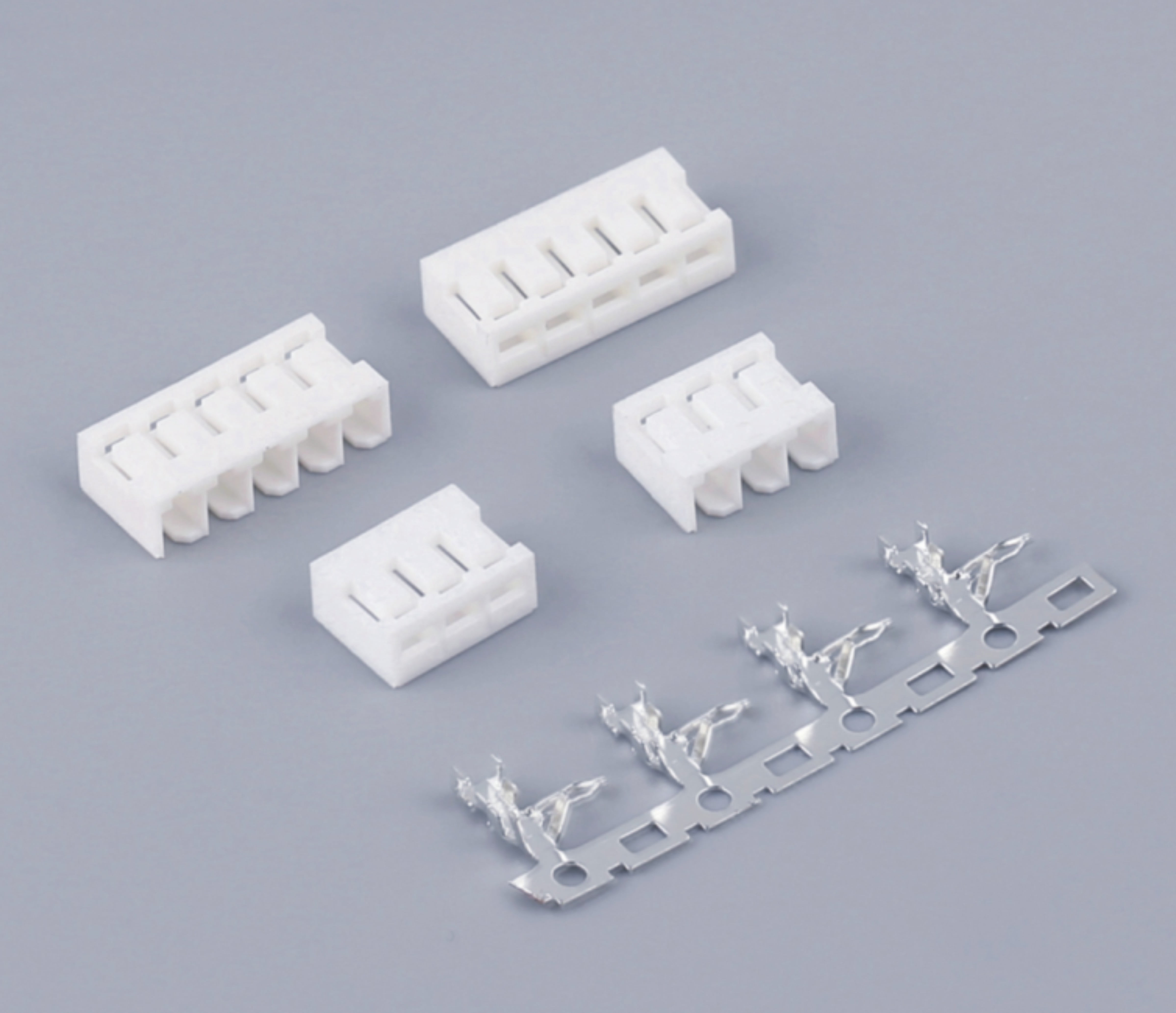
The complexity of modern electrical systems requires thorough consideration of multiple compatibility factors when implementing wire connectors. Engineers and technicians must evaluate electrical specifications, physical dimensions, environmental conditions, and industry standards to ensure optimal performance. This comprehensive approach helps prevent common issues such as voltage drops, signal degradation, overheating, and premature connector failure that can compromise entire systems.
Professional installation teams recognize that wire connectors compatibility extends beyond simple plug-and-play scenarios. Each application presents unique challenges that demand careful analysis of current carrying capacity, insulation requirements, mating cycles, and mechanical stress factors. By understanding these fundamental principles, design teams can implement robust connection solutions that deliver consistent performance throughout their operational lifespan.
Understanding Wire Connector Fundamentals
Electrical Specifications and Performance Parameters
Wire connectors must match the electrical requirements of their intended applications to ensure safe and reliable operation. Current carrying capacity represents one of the most critical parameters, as exceeding rated amperage can cause overheating, insulation breakdown, and potential fire hazards. Engineers should always verify that connector ratings exceed the maximum expected current by an appropriate safety margin, typically twenty to thirty percent above normal operating levels.
Voltage ratings determine the maximum electrical potential that wire connectors can safely handle without arcing or insulation failure. Different applications require varying voltage capabilities, from low-voltage control circuits operating at twelve or twenty-four volts to high-voltage industrial systems exceeding six hundred volts. Contact resistance also plays a crucial role in system performance, as excessive resistance generates heat and reduces efficiency in power transmission applications.
Frequency response characteristics become particularly important in high-speed data transmission and radio frequency applications. Wire connectors designed for direct current applications may exhibit poor performance at higher frequencies due to impedance mismatching and signal reflection issues. Understanding these limitations helps engineers select appropriate connector types for specific signal transmission requirements.
Physical Design and Mechanical Considerations
The physical design of wire connectors directly impacts their compatibility with existing systems and installation requirements. Pin spacing, connector orientation, and overall dimensions must align with available mounting space and mating connector configurations. Standardized connector families offer interchangeability advantages, allowing system designers to source components from multiple suppliers while maintaining compatibility.
Mating force requirements vary significantly between different wire connectors designs, affecting both installation procedures and equipment requirements. High-density connectors often require specialized insertion tools to achieve proper mating without damaging delicate contacts, while industrial connectors may feature robust designs that accommodate hand insertion. Understanding these mechanical requirements helps prevent installation errors and ensures reliable connections.
Contact plating materials and configurations influence both electrical performance and mechanical durability of wire connectors. Gold plating provides excellent corrosion resistance and low contact resistance but adds significant cost to connector solutions. Silver plating offers good conductivity at lower cost but may tarnish in certain environments, while tin plating provides economical protection for general-purpose applications.
Environmental Compatibility Assessment
Temperature Range and Thermal Cycling
Operating temperature ranges significantly impact wire connectors performance and longevity across different applications. Extreme temperatures can cause thermal expansion and contraction cycles that stress connector materials, potentially leading to loosened connections or contact degradation. Industrial environments often subject connectors to wide temperature variations, requiring careful selection of materials and designs that maintain reliability under these conditions.
Thermal cycling effects become particularly pronounced in outdoor installations and automotive applications where daily temperature fluctuations stress connector assemblies. Wire connectors must accommodate differential expansion between dissimilar materials while maintaining electrical continuity and mechanical integrity. Understanding thermal coefficient differences helps engineers predict potential failure modes and select appropriate connector solutions.
High-temperature applications such as aerospace and industrial processing require specialized wire connectors with enhanced thermal ratings and materials. Standard plastic housings may soften or degrade at elevated temperatures, necessitating ceramic or high-temperature polymer alternatives. These specialized materials often command premium pricing but provide essential reliability in demanding thermal environments.
Moisture Protection and Sealing Requirements
Moisture ingress represents one of the most common causes of wire connectors failure in outdoor and industrial applications. Water penetration can cause corrosion, short circuits, and insulation breakdown that compromises system reliability and safety. Understanding ingress protection ratings helps engineers select appropriate sealing levels for specific environmental conditions and application requirements.
Sealed wire connectors incorporate various protection mechanisms including gaskets, potting compounds, and specialized housing designs that prevent moisture entry. However, these protective features often increase connector size, cost, and complexity compared to unsealed alternatives. Balancing protection requirements against practical constraints requires careful evaluation of actual environmental exposures versus theoretical worst-case scenarios.
Condensation formation inside sealed enclosures can create moisture problems even with properly sealed wire connectors. Temperature cycling can cause humid air to condense on cooler surfaces, creating corrosive conditions that degrade electrical connections over time. Proper system design must consider ventilation, drainage, and desiccant protection to minimize these internal moisture sources.
Industry Standards and Certification Requirements
Regulatory Compliance and Safety Standards
Industry standards provide essential frameworks for ensuring wire connectors compatibility and safety across different applications and markets. Organizations such as Underwriters Laboratories, International Electrotechnical Commission, and various national standards bodies establish testing protocols and performance requirements that connector manufacturers must meet. Compliance with these standards helps ensure product reliability and facilitates approval processes for end-user applications.
Safety certifications become particularly critical in applications involving hazardous locations, medical equipment, and consumer products where connector failures could pose risks to personnel or property. Wire connectors designed for these applications must undergo rigorous testing and documentation processes that verify compliance with applicable safety requirements and performance standards.
International markets often require different certification standards, creating challenges for manufacturers seeking global compatibility for their wire connectors products. Understanding regional differences in safety requirements, testing protocols, and documentation standards helps ensure smooth market entry and regulatory compliance across multiple jurisdictions.
Application-Specific Standards and Requirements
Different industries have developed specialized standards that address unique requirements for wire connectors in their specific applications. Automotive standards focus on vibration resistance, temperature cycling, and fluid compatibility, while aerospace standards emphasize weight reduction, high-altitude performance, and flame resistance. Understanding these industry-specific requirements helps ensure proper connector selection for specialized applications.
Medical device applications require wire connectors that meet stringent biocompatibility and sterilization requirements in addition to electrical performance specifications. These specialized requirements often limit material choices and design options, requiring careful coordination between connector suppliers and medical device manufacturers to ensure compliance and performance.
Telecommunications and data communication applications have established detailed standards for signal integrity, electromagnetic compatibility, and mechanical performance of wire connectors. These standards address factors such as insertion loss, return loss, crosstalk, and mating durability that directly impact system performance in high-speed digital applications.
Installation and Maintenance Considerations
Proper Installation Techniques and Tools
Correct installation procedures play a crucial role in achieving optimal performance from wire connectors regardless of their design quality or specifications. Improper installation techniques can introduce stress concentrations, inadequate mating, or damage that compromises connector reliability and longevity. Training installation personnel on proper procedures and providing appropriate tools helps ensure consistent results across multiple installations.
Crimping operations require precise control of compression force, conductor insertion depth, and tool alignment to create reliable electrical and mechanical connections. Under-crimping results in high resistance connections that may fail under thermal cycling or mechanical stress, while over-crimping can damage conductors or connector housings. Regular calibration of crimping tools and quality control inspections help maintain consistent crimping performance.
Wire preparation procedures significantly impact the final performance of wire connectors installations. Proper stripping length, conductor preparation, and insulation handling ensure optimal contact engagement and strain relief. Contamination from cutting oils, handling residues, or environmental exposures can degrade connection quality and should be removed through appropriate cleaning procedures before final assembly.
Preventive Maintenance and Inspection Protocols
Regular inspection and maintenance programs help identify potential wire connectors issues before they cause system failures or safety hazards. Visual inspections can reveal signs of overheating, corrosion, mechanical damage, or loosening that indicate developing problems. Thermal imaging surveys provide non-contact methods for identifying high-resistance connections that generate excessive heat during operation.
Electrical testing protocols should include resistance measurements, insulation testing, and continuity verification to assess wire connectors condition and performance. Trending these measurements over time helps identify gradual degradation that may not be apparent through visual inspection alone. Establishing baseline measurements during initial installation provides reference points for future comparison and condition assessment.
Environmental monitoring helps correlate wire connectors performance with exposure conditions such as temperature, humidity, vibration, and chemical contamination. This information supports predictive maintenance programs and helps optimize replacement intervals based on actual operating conditions rather than arbitrary time-based schedules.
Troubleshooting Common Compatibility Issues
Identifying and Resolving Connection Problems
Connection problems in wire connectors installations often manifest through symptoms such as intermittent operation, excessive heating, voltage drops, or complete circuit failure. Systematic troubleshooting approaches help identify root causes and implement effective solutions. Understanding common failure modes and their characteristic symptoms enables faster diagnosis and resolution of compatibility issues.
Mechanical compatibility problems may result from dimensional mismatches, inadequate mating force, or improper orientation during assembly. These issues can cause poor contact engagement, high resistance connections, or complete connection failure. Careful verification of connector specifications and installation procedures helps prevent these mechanical compatibility problems.
Electrical compatibility issues often stem from exceeding current or voltage ratings, impedance mismatching, or frequency response limitations. These problems may develop gradually through thermal cycling and stress, or appear immediately under certain operating conditions. Proper electrical design verification and testing help identify and correct these compatibility issues before they cause system failures.
Performance Optimization Strategies
Optimizing wire connectors performance requires systematic evaluation of all compatibility factors including electrical, mechanical, and environmental requirements. Performance improvements may involve upgrading to higher-specification connectors, improving installation techniques, or modifying operating conditions to reduce stress on existing connections. Cost-benefit analysis helps determine the most effective optimization approaches for specific applications.
Contact enhancement techniques such as cleaning, re-tensioning, or applying conductive compounds can improve the performance of existing wire connectors installations. However, these temporary measures should be considered interim solutions while planning permanent upgrades or replacements. Documentation of enhancement activities helps track effectiveness and plan future maintenance requirements.
System-level optimization may involve redesigning circuit layouts, improving environmental protection, or upgrading supporting infrastructure to better accommodate wire connectors requirements. These broader improvements can provide long-term reliability benefits that justify their initial implementation costs through reduced maintenance and improved system availability.
Future Trends in Wire Connector Technology
Advanced Materials and Manufacturing Processes
Emerging materials technologies are expanding the capabilities and applications for wire connectors across diverse industries. Nanotechnology applications in contact plating and surface treatments promise improved conductivity, corrosion resistance, and mechanical durability. These advanced materials enable wire connectors to operate in increasingly demanding environments while maintaining compact form factors and competitive costs.
Additive manufacturing processes are revolutionizing connector design and production by enabling complex geometries, integrated features, and rapid prototyping capabilities. Three-dimensional printing allows custom connector solutions for specialized applications while reducing development time and tooling costs. These manufacturing advances support greater design flexibility and faster response to changing market requirements.
Smart materials that respond to environmental conditions offer potential for self-monitoring and adaptive wire connectors systems. Shape memory alloys, conductive polymers, and embedded sensors could provide real-time feedback on connector condition and performance. These intelligent features support predictive maintenance programs and autonomous system optimization capabilities.
Integration with Digital Systems and IoT Applications
Internet of Things applications are driving demand for wire connectors that support both power delivery and high-speed data transmission in compact form factors. Hybrid connector designs that integrate multiple signal types reduce system complexity while improving reliability and installation efficiency. These multi-function capabilities become increasingly important as systems become more interconnected and data-intensive.
Wireless power transmission technologies may eventually reduce dependence on traditional wire connectors for certain applications, but will create new requirements for wireless charging interfaces and energy harvesting connections. Understanding these evolving technologies helps engineers prepare for future system architectures and compatibility requirements.
Digital communication protocols embedded in wire connectors enable advanced diagnostics, configuration management, and performance monitoring capabilities. These smart connector features support Industry 4.0 initiatives and autonomous system operations by providing detailed operational data and remote management capabilities.
FAQ
What factors should be considered when selecting wire connectors for outdoor applications
Outdoor applications require wire connectors with appropriate ingress protection ratings, UV resistance, and temperature cycling capabilities. Consider environmental exposures such as moisture, dust, chemicals, and extreme temperatures when evaluating connector specifications. Sealed designs with proper gaskets and corrosion-resistant materials help ensure long-term reliability in harsh outdoor conditions.
How do I determine the correct current rating for wire connectors in my application
Calculate the maximum expected current in your circuit and select wire connectors with ratings that exceed this value by at least twenty to thirty percent. Consider factors such as ambient temperature, bundling effects, and duty cycles that may require derating of connector specifications. Always verify that both individual contacts and overall connector assemblies can handle the required current levels safely.
What are the most common causes of wire connector failures in industrial environments
Industrial wire connectors failures commonly result from vibration loosening, contamination buildup, thermal cycling stress, and mechanical damage from handling or environmental exposure. Moisture ingress, chemical exposure, and exceeding electrical ratings also contribute to premature failures. Regular inspection and maintenance programs help identify and address these issues before they cause system disruptions.
Can different manufacturer wire connectors be mixed in the same system safely
Mixing wire connectors from different manufacturers is possible when products meet the same industry standards and specifications, but requires careful verification of compatibility factors including dimensions, materials, and performance characteristics. Consider potential differences in quality levels, certifications, and long-term availability when making sourcing decisions. Standardized connector families from reputable manufacturers generally offer good interchangeability within their specification ranges.
Table of Contents
- Understanding Wire Connector Fundamentals
- Environmental Compatibility Assessment
- Industry Standards and Certification Requirements
- Installation and Maintenance Considerations
- Troubleshooting Common Compatibility Issues
- Future Trends in Wire Connector Technology
-
FAQ
- What factors should be considered when selecting wire connectors for outdoor applications
- How do I determine the correct current rating for wire connectors in my application
- What are the most common causes of wire connector failures in industrial environments
- Can different manufacturer wire connectors be mixed in the same system safely

