
 EN
EN



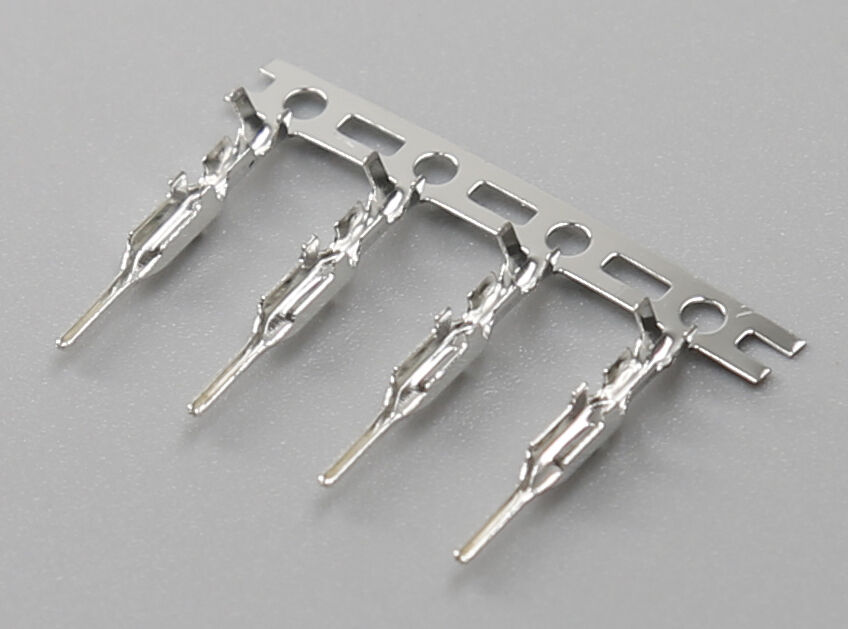
The longevity of industrial and commercial wiring systems depends heavily on the quality and reliability of their connection points. Among the most critical yet often overlooked components are electrical terminals, which serve as the bridge between conductors and equipment. When properly selected and installed, electrical terminals directly influence system durability by minimizing common failure modes such as loose connections, corrosion, thermal degradation, and intermittent faults. Understanding how these connectors enhance wiring system lifespan requires examining their role in electrical continuity, mechanical stability, environmental protection, and maintenance efficiency. This article explores the specific mechanisms through which electrical terminals extend the operational life of wiring infrastructure and provides practical guidance for maximizing their protective benefits.
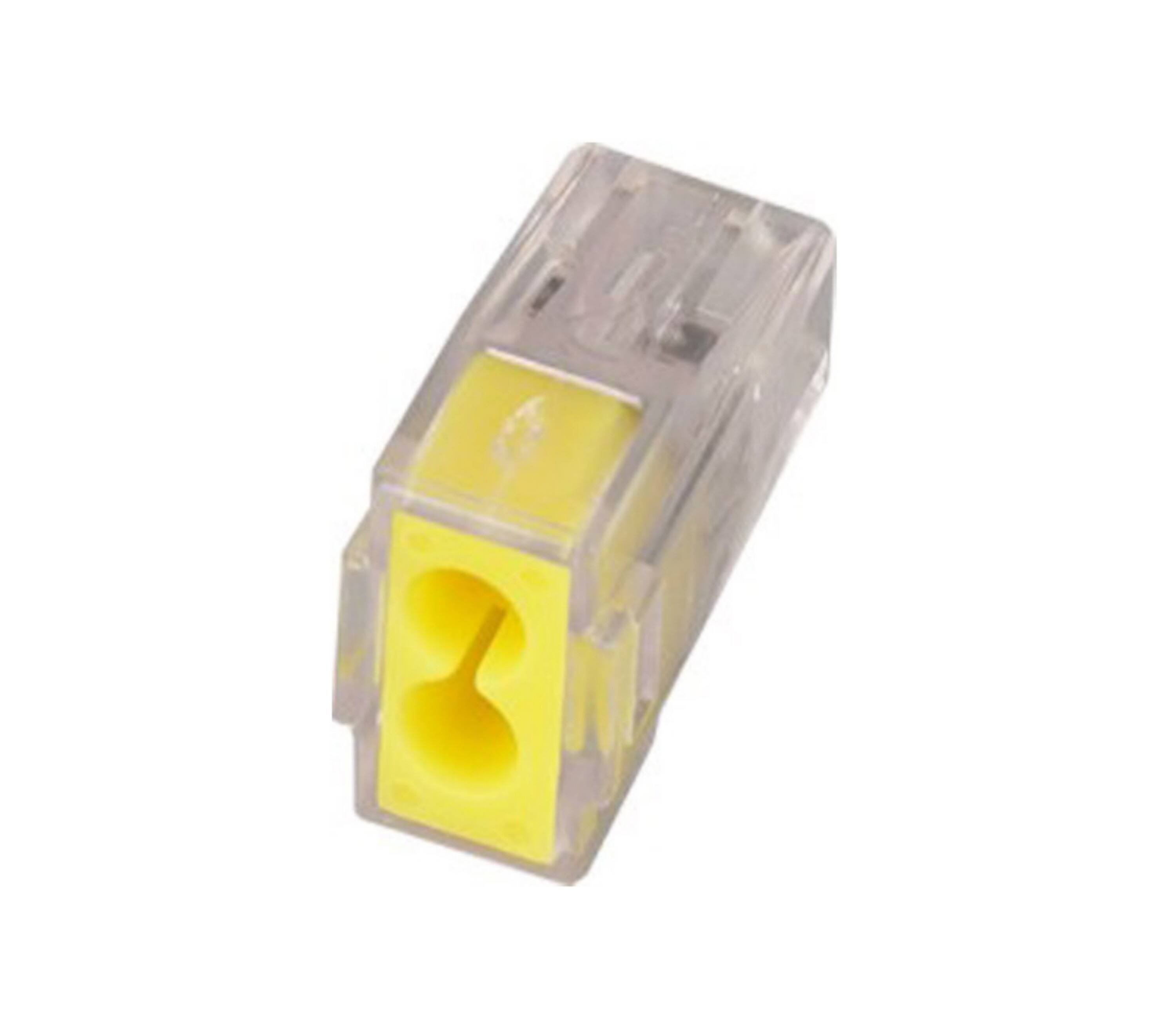
Wiring system failures rarely occur due to conductor breakdown alone. Instead, most degradation begins at connection points where mechanical stress, environmental exposure, and electrical resistance converge. Electrical terminals address these vulnerabilities through engineered contact surfaces, strain relief features, and material properties designed for long-term stability. By creating gas-tight connections that resist oxidation and maintain consistent contact pressure over years of thermal cycling, quality terminals prevent the progressive deterioration that shortens wiring system lifespan. The following sections detail how specific terminal characteristics contribute to system longevity across different operational contexts and environmental conditions.
Mechanisms of Connection Degradation Without Quality Terminals
Contact Resistance and Thermal Cycling Effects
Every electrical connection introduces some degree of contact resistance, but this resistance increases significantly when connection integrity deteriorates. Without properly engineered electrical terminals, wire-to-wire or wire-to-equipment connections rely on simple mechanical pressure that weakens over time. As electrical current passes through high-resistance connections, localized heating occurs at the contact interface. This heat accelerates oxidation of the conductor surface, further increasing resistance in a self-reinforcing degradation cycle. Over hundreds or thousands of thermal cycles caused by load variations, this process progressively loosens the connection and creates hot spots that eventually lead to complete failure or even fire hazards.
Quality electrical terminals interrupt this degradation mechanism through several design features. Spring-loaded contact systems maintain consistent pressure despite thermal expansion and contraction. Plated contact surfaces resist oxidation and maintain low resistance over extended periods. The terminal body itself acts as a heat sink, dissipating thermal energy away from the critical contact zone. These characteristics ensure that electrical terminals preserve connection integrity throughout the temperature fluctuations inherent in normal system operation, directly extending wiring system lifespan by preventing the thermal degradation pathway.
Mechanical Stress and Vibration Vulnerability
Industrial environments subject wiring systems to continuous mechanical stress from vibration, shock, and physical movement. Connections made without appropriate electrical terminals often rely on twisted wires, crimp connections without mechanical support, or simple screw terminals that gradually loosen. Vibration causes micro-movements at the contact interface, wearing away conductor material and creating gaps that increase resistance. In mobile equipment or machinery with moving components, these mechanical stresses accelerate exponentially, making unsupported connections particularly vulnerable to premature failure.
Engineered electrical terminals address vibration-induced degradation through strain relief provisions and mechanically secure clamping systems. Terminal blocks with captive screws prevent loosening under vibration. Spring-cage terminals maintain contact pressure even when subjected to shock loads. The terminal housing itself provides physical protection and cable management features that reduce stress at the connection point. By mechanically isolating the electrical contact from external forces, quality terminals prevent the progressive loosening and fretting that otherwise shortens wiring system lifespan in demanding applications.
Environmental Exposure and Corrosion Pathways
Exposed wire connections face constant attack from environmental contaminants including moisture, dust, chemical vapors, and airborne particulates. Without the protection provided by electrical terminals, bare conductor surfaces oxidize rapidly, forming non-conductive layers that increase resistance and reduce current-carrying capacity. In humid environments, galvanic corrosion accelerates when dissimilar metals contact each other. Salt spray in coastal installations and chemical exposure in processing facilities create particularly aggressive conditions that destroy unprotected connections within months or even weeks.
The housing design of quality electrical terminals creates a protective barrier that isolates the contact interface from environmental contaminants. Sealed terminal designs with gaskets and ingress protection ratings prevent moisture penetration. The terminal body material itself resists chemical attack and provides UV protection for outdoor installations. Internal contact plating prevents galvanic corrosion between conductor and terminal. These protective features ensure that electrical terminals maintain connection integrity in harsh environments where unprotected connections would fail rapidly, significantly extending overall wiring system lifespan.
Engineering Features That Enhance System Longevity
Contact Material Selection and Surface Treatment
The materials used in electrical terminals directly determine their ability to maintain low-resistance connections over extended periods. Copper alloys provide excellent conductivity while offering sufficient mechanical strength for secure clamping. However, bare copper oxidizes readily, so quality terminals incorporate surface treatments that preserve contact integrity. Tin plating offers good oxidation resistance and remains ductile, allowing gas-tight connections that improve with clamping pressure. Silver plating provides superior conductivity and oxidation resistance for high-reliability applications. Gold plating serves specialized low-current applications where even minimal contact resistance cannot be tolerated.
The selection of contact materials in electrical terminals must balance electrical performance, mechanical durability, and environmental resistance. Phosphor bronze spring elements maintain consistent pressure over millions of insertion cycles. Beryllium copper alloys offer exceptional spring characteristics for demanding applications. These material choices ensure that terminals continue providing secure, low-resistance connections throughout their operational life. When properly specified for the application environment, material selection in electrical terminals becomes a primary factor in extending wiring system lifespan by preventing the contact degradation that causes most connection failures.
Clamping Mechanism Design and Pressure Distribution
The method by which electrical terminals secure conductors fundamentally affects connection reliability and longevity. Screw-type terminals apply clamping force through threaded fasteners, but improper torque or loosening over time can compromise the connection. Spring-cage terminals use flat springs to maintain constant pressure regardless of conductor movement or thermal cycling. Push-in terminals employ spring-loaded contacts that automatically adjust to wire diameter variations. Each clamping mechanism offers specific advantages for different applications, but all quality designs share the goal of maintaining consistent contact pressure throughout the system's operational life.
Proper pressure distribution prevents conductor deformation while ensuring gas-tight contact. Over-tightening can damage wire strands and create stress concentrations that accelerate failure. Under-tightening allows micro-movements and increased contact resistance. Advanced electrical terminals incorporate features such as torque-limiting screws, pressure plates that distribute force evenly, and visual indicators confirming proper connection. These design elements ensure that installers achieve optimal clamping force consistently, eliminating a major source of premature failure. By maintaining secure mechanical and electrical contact throughout years of service, properly designed clamping mechanisms in terminals significantly extend wiring system lifespan.
Strain Relief and Cable Management Integration
Mechanical stress at the point where conductors enter electrical terminals represents a common failure mode that quality designs specifically address. Without proper strain relief, cable weight, movement, or pulling forces transmit directly to the electrical contact, potentially loosening the connection or fracturing conductor strands. Cable bending at the terminal entry point creates stress concentrations that accelerate insulation failure and conductor fatigue. In applications with frequent connection and disconnection cycles, inadequate strain relief leads to premature wire damage and connection degradation.
Terminal designs that incorporate strain relief features protect both the conductor and the connection point from mechanical damage. Integrated cable clamps secure conductors before they reach the electrical contact, preventing force transmission to the termination point. Curved entry profiles prevent sharp bending that damages insulation. Terminals designed for panel mounting include features that organize and support cable runs, reducing overall system stress. These strain relief capabilities ensure that electrical terminals protect the wiring system from mechanical failure modes that would otherwise limit operational lifespan, making them essential components in durable electrical installations.
Application-Specific Terminal Selection for Maximum Longevity
Current Rating and Thermal Management Considerations
Selecting electrical terminals with appropriate current ratings for the application directly impacts system longevity by preventing thermal stress. Under-rated terminals experience excessive heating during normal operation, accelerating material degradation and increasing connection resistance. The relationship between current capacity and terminal size involves complex interactions between contact area, conductor size, ambient temperature, and ventilation. Quality terminal manufacturers provide detailed derating curves that account for these variables, enabling proper specification for long-term reliability.
Thermal management features in electrical terminals help maintain operational temperatures within safe limits. Larger contact areas distribute current more evenly, reducing current density and associated heating. Terminal materials with high thermal conductivity dissipate heat effectively away from the connection point. Spacing between adjacent terminals in multi-pole configurations prevents heat accumulation. When properly selected for the application current level, electrical terminals maintain temperatures well below material degradation thresholds, ensuring that thermal stress does not limit wiring system lifespan even under continuous heavy load conditions.
Environmental Rating Matching and Ingress Protection
The operational environment fundamentally determines which terminal characteristics most affect system longevity. Indoor controlled environments with stable temperature and low contamination permit use of basic open-style terminals. Industrial settings with dust, moisture, or chemical exposure require terminals with appropriate ingress protection ratings. Outdoor installations demand UV-resistant materials and sealed designs. Marine environments necessitate terminals with maximum corrosion resistance and complete moisture exclusion. Matching terminal environmental ratings to actual installation conditions prevents premature degradation and ensures design lifespan is achieved.
Ingress Protection ratings for electrical terminals indicate their resistance to solid particles and liquids. IP20-rated terminals suit clean indoor environments but offer no moisture protection. IP54 ratings provide dust and splash protection for general industrial use. IP67 terminals withstand temporary immersion and serve harsh outdoor applications. Beyond IP ratings, material compatibility with specific chemicals, temperature ranges, and UV exposure must be considered. Proper environmental specification ensures that terminals continue protecting wiring connections throughout their intended service life, making environmental rating matching a critical factor in maximizing system longevity.
Maintenance Accessibility and Testing Integration
Long-term wiring system reliability depends partly on the ability to perform routine maintenance and testing without damaging connections. Electrical terminals that facilitate easy access for testing and tightening enable preventive maintenance programs that extend system life. Terminals with test points allow verification of connection integrity without disconnecting circuits. Transparent or window-type terminal housings permit visual inspection of conductor insertion depth. Accessible screw terminals enable periodic re-tightening to compensate for any settling or creep. These maintenance-friendly features help identify and correct developing problems before they cause failures.
The design of electrical terminals affects how easily technicians can perform maintenance without introducing new problems. Push-button release mechanisms allow conductor removal without tools, reducing the risk of damage during maintenance. Clearly marked polarity and circuit identification reduce connection errors during service. Modular terminal designs permit replacement of individual positions without disturbing adjacent circuits. Terminals that support maintenance activities without requiring complete disconnection or creating opportunities for error contribute significantly to overall system longevity by enabling effective preventive maintenance programs throughout the installation's operational life.
Installation Practices That Maximize Terminal Performance
Proper Conductor Preparation and Sizing
Even the highest-quality electrical terminals cannot perform optimally if conductors are improperly prepared or incorrectly sized. Wire stripping must remove insulation cleanly without nicking or cutting conductor strands, as damaged strands create stress concentrations and reduce effective contact area. Stranded conductors require appropriate ferrules or tinning for terminals designed for solid wire, preventing strand separation and ensuring full contact engagement. Conductor size must match terminal specifications, as oversized wires cannot be properly secured and undersized wires result in inadequate contact pressure.
The preparation process directly affects how well electrical terminals can maintain connection integrity over time. Oxidized conductor surfaces should be cleaned before termination to ensure low initial contact resistance. Wire ends must be cut squarely to maximize contact area and prevent strand protrusion beyond the terminal. For stranded conductors, all strands must be captured by the clamping mechanism without any loose ends that could contact adjacent terminals. These preparation practices ensure that terminals can establish optimal initial connections that remain stable throughout the system's operational life, making proper conductor preparation essential for maximizing the longevity benefits that quality terminals provide.
Torque Specification and Tightening Procedures
Screw-type electrical terminals require proper torque application to achieve optimal connection security without damaging conductors or terminal components. Under-tightening leaves connections vulnerable to loosening from vibration and thermal cycling. Over-tightening crushes wire strands, damages terminal threads, or deforms contact springs. Manufacturers specify torque ranges for each terminal type based on screw size, material properties, and conductor capacity. Following these specifications ensures connections achieve design clamping force and maintain it throughout their service life.
Professional installation practices for electrical terminals include using calibrated torque tools rather than relying on feel. Sequential tightening of multiple screws in large terminals prevents uneven pressure distribution. Re-tightening after initial power-up compensates for settling that occurs during first thermal cycle. Documentation of installation torque values provides baseline data for future maintenance. These controlled tightening procedures ensure that terminals establish optimal initial connections and help maintenance personnel verify connection integrity during service life. Proper torque application represents a critical installation practice that directly influences how effectively terminals can extend wiring system lifespan.
Environmental Protection and Mounting Orientation
Installation location and mounting orientation affect how well electrical terminals can protect connections from environmental degradation. Terminals mounted with openings facing upward in outdoor installations collect water and debris, defeating their protective design. Proper orientation positions entry points downward or horizontally to prevent contamination accumulation. Enclosure selection must consider the full environmental exposure, including temperature extremes, chemical vapors, and physical impact risks. Even well-designed terminals fail prematurely when installed in locations that exceed their environmental ratings or compromise their protective features.
Additional protective measures during installation can significantly enhance the longevity benefits provided by electrical terminals. Application of contact enhancing compounds reduces oxidation at the conductor-terminal interface. Sealing compounds or heat shrink covers add protection beyond the terminal's inherent design. Proper spacing from heat sources prevents excessive temperature exposure. Cable management that prevents mechanical stress on terminals protects connections from vibration and movement. These installation considerations ensure that terminals can fully deliver their designed protection throughout the wiring system's operational life, making proper installation practices as important as terminal quality in maximizing system longevity.
Long-Term Performance Monitoring and Maintenance
Thermographic Inspection and Hot Spot Detection
Thermal imaging provides a powerful tool for assessing electrical terminal condition without interrupting system operation. Infrared cameras detect temperature anomalies at connection points, identifying developing problems before they cause failures. Terminals operating significantly hotter than adjacent connections indicate increased resistance from loosening, corrosion, or inadequate contact pressure. Regular thermographic surveys establish baseline thermal profiles and track changes over time, enabling condition-based maintenance that addresses problems at early stages when corrective action is simple and inexpensive.
Interpreting thermal data from electrical terminals requires understanding normal temperature patterns and recognizing significant deviations. Temperature differences between phases in three-phase systems suggest unbalanced loading or connection problems. Hot spots localized to specific terminals within a group indicate individual connection degradation. Trending temperature increases over multiple survey cycles reveal progressive deterioration requiring intervention. By identifying thermal anomalies early, maintenance teams can re-tighten connections, clean contacts, or replace degraded terminals before failures occur, significantly extending overall wiring system lifespan through proactive condition monitoring.
Contact Resistance Testing and Baseline Establishment
Measuring contact resistance at electrical terminals provides quantitative data on connection quality and degradation trends. Microhm meters capable of measuring very low resistances detect changes that indicate developing problems. Establishing baseline resistance values shortly after installation creates reference data for comparison during future testing. Resistance increases of fifty percent or more from baseline typically indicate connection degradation requiring maintenance action. Regular resistance testing identifies problems that may not be visible during thermal surveys, particularly in lightly loaded circuits where temperature rise may be insufficient for infrared detection.
Effective resistance testing programs for electrical terminals balance thoroughness with practical resource constraints. Critical circuits receive more frequent testing than less important loads. Terminals in harsh environments require more attention than those in controlled conditions. Testing after major thermal events or mechanical disturbances verifies that connections remain secure. Documentation of resistance trends over time enables predictive maintenance strategies that address degradation before it progresses to failure. This data-driven approach to terminal maintenance maximizes the longevity benefits these components provide, ensuring that wiring systems achieve their full design lifespan through timely intervention based on objective condition assessment.
Preventive Maintenance Schedules and Replacement Criteria
Establishing appropriate maintenance intervals for electrical terminals balances the cost of inspection activities against the risk of unexpected failures. Manufacturers typically recommend annual or biennial inspection for industrial installations, with more frequent checks for harsh environments or critical applications. Maintenance activities include visual inspection for physical damage or contamination, connection tightening to compensate for settling, and cleaning of accessible contact surfaces. Terminals showing signs of overheating, corrosion, or mechanical damage require immediate attention regardless of scheduled intervals.
Replacement criteria help maintenance teams decide when terminals have reached end of service life and require renewal rather than repair. Visible corrosion that cannot be cleaned, physical damage to terminal bodies or contact elements, and persistent connection resistance problems despite maintenance all indicate replacement need. Thermal damage such as discoloration or melted plastic suggests that terminals have experienced overtemperature conditions that compromise their mechanical and electrical properties. Economic analysis comparing replacement cost against failure risk guides decisions in marginal cases. Systematic replacement of terminals approaching end of service life, combined with ongoing preventive maintenance of newer installations, ensures that wiring systems consistently benefit from the protective features that quality terminals provide, maximizing overall system longevity.
FAQ
What specific properties of electrical terminals prevent oxidation at connection points?
Electrical terminals prevent oxidation through multiple mechanisms working together. Contact surface plating with tin, silver, or gold creates a barrier that resists atmospheric oxidation while maintaining excellent conductivity. The clamping mechanism creates gas-tight contact that excludes oxygen from the conductor-terminal interface, preventing oxide formation even on underlying copper. Spring-loaded contact designs maintain consistent pressure that breaks through any thin oxide layers that might form, ensuring continued electrical continuity. For terminals in harsh environments, sealed housings with gaskets provide additional protection by excluding moisture and contaminants that accelerate oxidation processes. The combination of protective plating, gas-tight contact pressure, and environmental exclusion allows quality electrical terminals to maintain low-resistance connections for decades in properly maintained systems.
How do electrical terminals maintain connection integrity during thermal cycling?
Thermal cycling causes conductors and terminal components to expand and contract at different rates, potentially loosening connections over time. Quality electrical terminals address this challenge through spring-loaded contact systems that automatically compensate for dimensional changes. As temperature increases and materials expand, the spring element compresses slightly while maintaining contact pressure. When temperature decreases and materials contract, the spring extends to follow the conductor, preventing gap formation. This constant pressure maintenance ensures that contact resistance remains stable despite temperature fluctuations. Additionally, terminal materials are selected for thermal expansion coefficients that closely match conductor materials, minimizing differential movement. The terminal body itself acts as a thermal mass that moderates temperature changes at the connection point, reducing cycling severity. These design features enable electrical terminals to maintain secure connections through thousands of thermal cycles without degradation.
Can electrical terminals extend wiring system life in high-vibration environments?
Yes, properly selected electrical terminals significantly extend wiring system lifespan in high-vibration applications through several protective mechanisms. Terminals with captive screw designs prevent fasteners from loosening under vibration, maintaining clamping force on conductors. Spring-cage terminals use flat spring elements that absorb vibration energy while maintaining constant contact pressure, making them particularly effective in mobile equipment and machinery installations. The terminal housing provides strain relief that isolates the electrical contact from mechanical forces transmitted through the cable. Some terminal designs incorporate vibration-dampening materials or mounting systems that reduce motion transmitted to connection points. For maximum vibration resistance, terminals with multiple independent contact points ensure that even if one contact experiences momentary interruption, parallel paths maintain circuit continuity. These features make electrical terminals essential components in any wiring system subjected to continuous vibration, enabling reliable long-term operation in applications where simple wire connections would fail rapidly.
What maintenance interval is recommended for electrical terminals in industrial settings?
Maintenance intervals for electrical terminals depend on environmental conditions, load characteristics, and criticality of the circuit. General industrial installations typically benefit from annual inspection of terminal connections, including visual examination for damage or contamination, thermographic survey to detect hot spots, and selective tightening of screw terminals. Harsh environments with dust, moisture, chemical exposure, or extreme temperatures require more frequent inspection, potentially quarterly or semi-annually. Critical systems where failure would cause safety hazards or major production disruption warrant enhanced monitoring including continuous temperature monitoring or more frequent manual inspection. Terminals operating at or near rated capacity experience greater thermal stress and benefit from shorter inspection intervals. Following initial installation, a follow-up inspection after the first few months of operation is recommended to re-tighten connections after initial settling. Condition-based monitoring using thermal imaging and resistance testing allows optimization of inspection intervals based on actual degradation rates observed in specific installations, maximizing maintenance efficiency while ensuring that terminals continue protecting wiring system integrity throughout their service life.
Table of Contents
- Mechanisms of Connection Degradation Without Quality Terminals
- Engineering Features That Enhance System Longevity
- Application-Specific Terminal Selection for Maximum Longevity
- Installation Practices That Maximize Terminal Performance
- Long-Term Performance Monitoring and Maintenance
-
FAQ
- What specific properties of electrical terminals prevent oxidation at connection points?
- How do electrical terminals maintain connection integrity during thermal cycling?
- Can electrical terminals extend wiring system life in high-vibration environments?
- What maintenance interval is recommended for electrical terminals in industrial settings?

