
 EN
EN



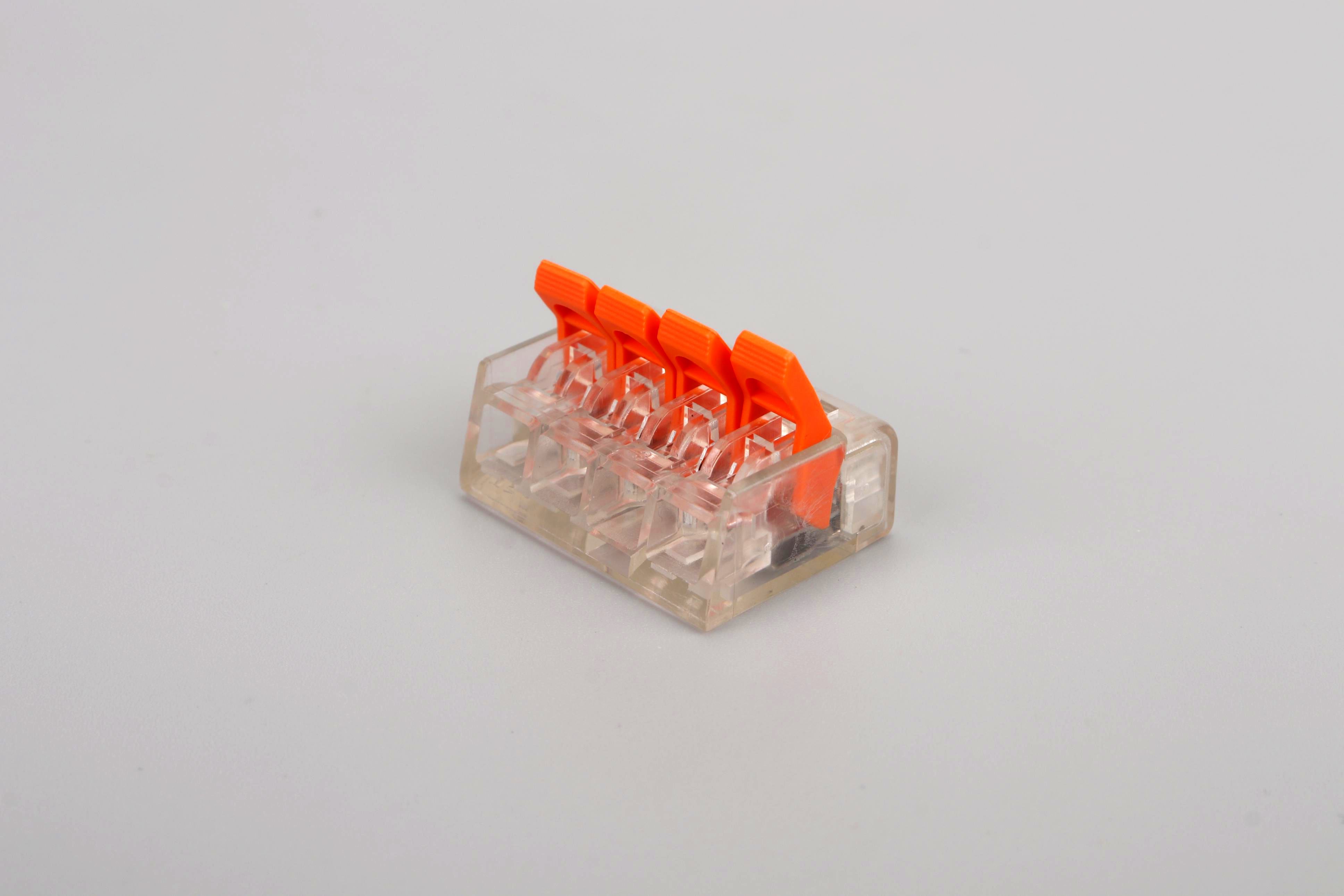
In the intricate architecture of modern computer systems, the reliability and efficiency of electrical connections directly influence overall performance, stability, and longevity. Among the numerous connector types employed in computing hardware, Molex connectors have established themselves as essential components that facilitate power distribution and signal transmission across critical system elements. Understanding how these connectors contribute to enhanced performance requires examining their design characteristics, application contexts, and the specific technical advantages they deliver within computer environments. This examination reveals why system builders, hardware engineers, and IT professionals consistently select Molex connectors when optimizing computer system functionality and ensuring operational excellence.
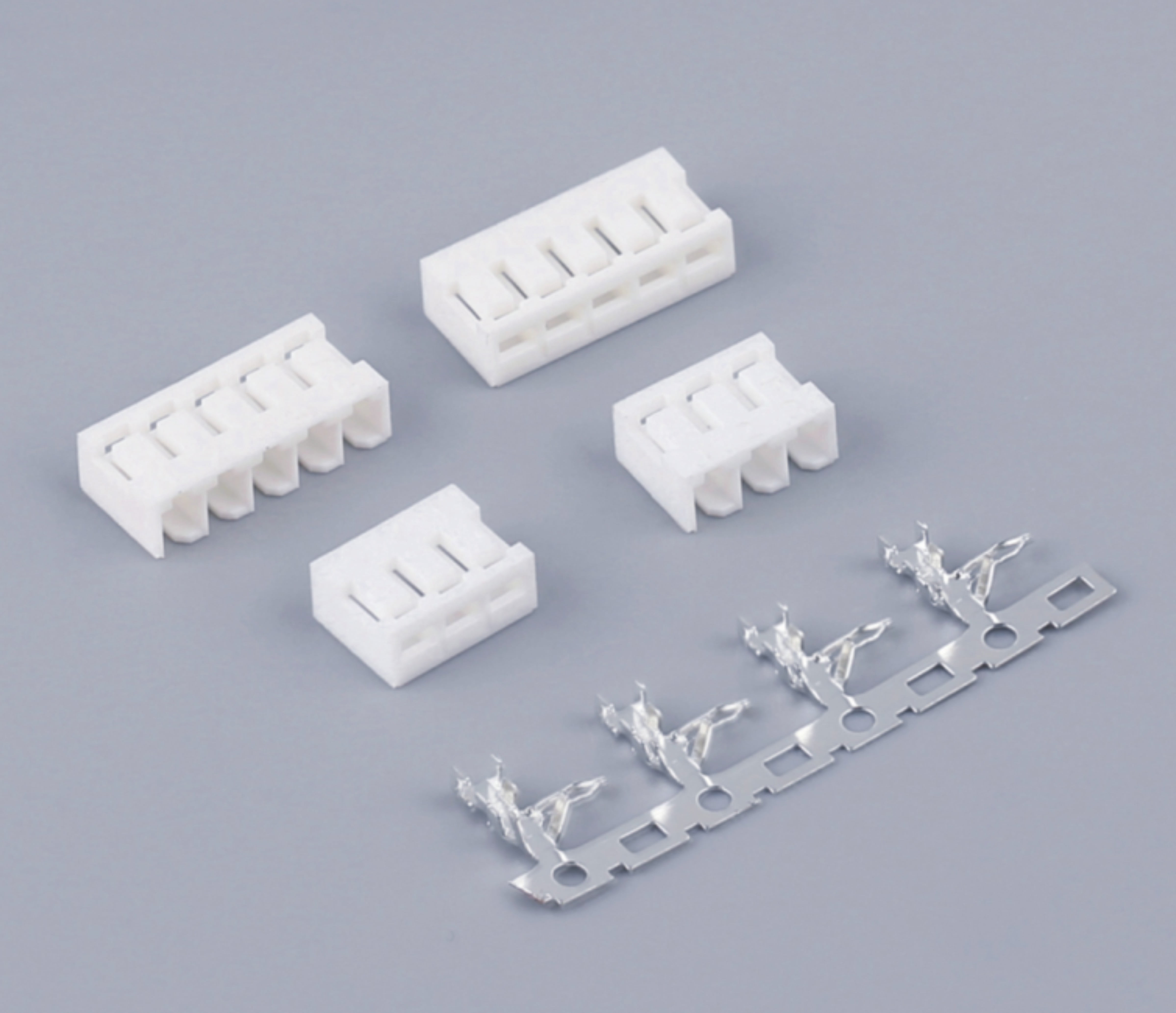
The performance improvements that Molex connectors enable in computer systems stem from several interconnected factors including superior electrical conductivity, consistent contact integrity, thermal management capabilities, and mechanical durability under operational stress. These connectors function as critical junction points where power from supply units reaches storage devices, cooling fans, peripheral cards, and other subsystem components that demand stable electrical delivery. When properly implemented, Molex connectors minimize voltage drops, reduce electrical resistance, prevent signal degradation, and maintain connection stability even in challenging thermal conditions or during physical system manipulation. This foundational role makes them indispensable for achieving the performance benchmarks expected in contemporary computing applications across desktop workstations, servers, industrial control systems, and specialized computing platforms.
Electrical Conductivity and Power Delivery Efficiency
Minimizing Voltage Drop Across Power Distribution Paths
One of the primary mechanisms through which Molex connectors improve computer system performance involves their ability to minimize voltage drop during power transmission from the power supply unit to peripheral devices and subsystems. Molex connectors are engineered with contact materials and geometries that optimize electrical conductivity, typically utilizing copper alloys with excellent conductive properties and corrosion-resistant plating such as gold or tin. This material selection ensures that electrical resistance remains extremely low at the connection interface, preventing the energy losses that would otherwise occur when current flows through higher-resistance pathways. In computer systems where multiple devices compete for power and where voltage tolerances are narrow, even minor voltage drops can lead to unstable operation, reduced component lifespan, or outright system failures.
The design of Molex connectors incorporates specific contact pressure mechanisms that maintain consistent metal-to-metal contact between mating elements, which is essential for sustaining low resistance throughout the connector's operational life. Unlike inferior connector designs that may develop increased resistance over time due to contact oxidation or mechanical wear, quality Molex connectors maintain their electrical performance characteristics through thousands of mating cycles. This stability translates directly into performance benefits for computer systems by ensuring that hard drives, optical drives, cooling fans, and other peripherals receive the precise voltage levels they require for optimal function. System builders recognize that consistent power delivery through reliable connectors prevents the performance degradation and intermittent failures that plague systems with compromised electrical connections.
Supporting High-Current Applications Without Thermal Degradation
Modern computer systems increasingly demand higher current delivery to support powerful graphics processing units, multiple storage arrays, enhanced cooling solutions, and dense peripheral configurations. Molex connectors designed for computer applications are specifically rated to handle these elevated current requirements without experiencing thermal degradation that could compromise system performance. The connector housings utilize thermoplastic materials engineered to withstand the heat generated during high-current operation, while the contact design incorporates adequate cross-sectional area to dissipate heat effectively and prevent hotspot formation. This thermal management capability ensures that electrical resistance remains stable even under sustained high-load conditions, which is critical for maintaining consistent performance in demanding computing environments.
The performance advantage becomes particularly evident in systems operating near their power capacity limits or in configurations where multiple high-current devices share common power rails. Molex connectors that maintain stable electrical characteristics under thermal stress prevent the voltage sag that would otherwise occur as resistance increases with temperature. This stability ensures that peripheral devices continue operating within their specified parameters, maintaining performance consistency during extended computational tasks, rendering operations, or data processing activities. Furthermore, the thermal resilience of Molex connectors contributes to overall system reliability by preventing the connection failures that can result from excessive heat buildup at inadequately designed connector interfaces, thereby supporting sustained high-performance operation without thermal-induced interruptions.
Mechanical Reliability and Connection Integrity
Maintaining Secure Physical Contact During System Operation
The mechanical design characteristics of Molex connectors directly contribute to improved computer system performance by ensuring that electrical connections remain secure and stable throughout the system's operational life, even in the presence of vibration, thermal cycling, and physical handling. The connector housing incorporates positive locking mechanisms that prevent accidental disconnection during system assembly, transportation, or routine maintenance activities. This mechanical security is particularly important in computer systems where cable management constraints may place physical stress on connectors or where system components undergo thermal expansion and contraction during operational temperature fluctuations. When connections remain physically stable, the electrical continuity necessary for consistent performance is preserved without the intermittent contact issues that can cause data corruption, device resets, or system instability.
The contact retention features within Molex connectors ensure that individual pins maintain proper alignment and engagement depth with their mating receptacles, preventing the gradual separation that could increase electrical resistance or create intermittent connections. This design attention extends to the terminal retention mechanisms that secure conductors within the connector housing, preventing wire pullout that could lead to complete connection failure or create safety hazards. For computer systems deployed in industrial environments, transportation applications, or other contexts involving mechanical stress, these mechanical reliability features become essential performance enablers by ensuring that electrical connections continue functioning correctly regardless of external physical influences. System integrators value this mechanical robustness as it reduces field failures and maintenance requirements while supporting consistent performance across diverse deployment scenarios.
Facilitating Serviceability Without Performance Compromise
Computer systems require periodic maintenance, component upgrades, and troubleshooting activities that necessitate disconnecting and reconnecting power and signal cables. Molex connectors support improved system performance over the long term by enabling these service activities without degrading connection quality or introducing reliability issues. The connector design incorporates beveled entry features and positive engagement feedback that facilitate correct mating even in confined spaces with limited visibility, reducing the likelihood of misalignment or incomplete insertion that could compromise electrical performance. The robust construction of Molex connectors allows them to withstand multiple mating cycles without experiencing contact wear or housing damage that would affect their electrical characteristics, making them suitable for systems that undergo frequent configuration changes or component replacements.
This serviceability advantage translates into sustained performance because technicians can perform necessary maintenance activities without inadvertently introducing connection problems that degrade system operation. The clear tactile and sometimes audible feedback when Molex connectors fully engage ensures proper connection establishment, eliminating the ambiguity that can lead to partially seated connectors with elevated resistance or intermittent contact. In professional computing environments where system uptime and consistent performance are critical business requirements, the ability to service systems reliably without creating new problems represents a significant practical advantage. The durability of Molex connectors through repeated service cycles maintains the electrical performance characteristics that were present when the system was first assembled, supporting long-term performance stability across the system's operational lifespan.
Signal Integrity and Electromagnetic Compatibility
Reducing Electrical Noise in Power Distribution Networks
Beyond simple power delivery, Molex connectors contribute to improved computer system performance by minimizing electrical noise introduction into power distribution networks that can affect sensitive digital circuits and signal processing components. The contact design and housing geometry of quality Molex connectors are engineered to minimize inductance and capacitance at the connection interface, reducing the connector's tendency to generate or propagate electromagnetic interference. In computer systems where multiple digital signals operate at high frequencies and where power rails must remain clean to prevent logic errors or analog circuit disruption, these electrical characteristics become performance-critical. Connectors that introduce minimal parasitic electrical effects help maintain the signal integrity necessary for reliable high-speed data transmission and precise analog operations.
The shielding options available in certain Molex connector variants provide additional electromagnetic compatibility benefits for applications where external interference sources might couple into power or signal paths through connector assemblies. Even in standard unshielded configurations, the compact contact geometry and consistent dielectric properties of connector housing materials contribute to predictable electrical behavior that system designers can account for during circuit design. This predictability supports optimal system performance by preventing the unexpected electromagnetic coupling effects that can cause intermittent failures, reduced noise margins, or degraded signal quality in sensitive circuits. Computer systems benefit from this attention to electromagnetic considerations through improved stability, reduced error rates, and enhanced performance consistency across varying electromagnetic environments.
Supporting Differential Signaling and High-Speed Data Applications
While traditionally associated with power distribution, Molex connectors have evolved to support signal transmission applications where maintaining controlled impedance and minimizing signal skew are essential for system performance. Specialized Molex connector designs incorporate differential pair routing, controlled dielectric spacing, and precision contact positioning that enable reliable high-speed data transmission without the signal degradation that would compromise communication performance. In computer systems employing internal data buses, sensor interfaces, or control signal distribution that require impedance-controlled pathways, these advanced Molex connectors provide the electrical performance necessary to maintain signal integrity at elevated data rates. The consistent mechanical tolerances and material properties ensure that impedance remains stable across manufacturing lots and throughout operational life, supporting reliable performance in speed-sensitive applications.
The performance advantage extends to systems where signal timing requirements are stringent and where propagation delay matching between multiple signal paths is critical for proper operation. Molex connectors designed for signal integrity applications maintain consistent electrical length across contact pairs, minimizing skew that could cause timing violations in synchronous digital systems or distortion in analog signal paths. This precision enables computer system designers to meet aggressive performance targets for internal communication interfaces without requiring complex compensation circuits or accepting degraded operational margins. As computer systems continue increasing internal communication speeds to support enhanced processing capabilities and data throughput, the signal integrity characteristics of interconnection components including Molex connectors become increasingly important determinants of achievable system performance.
Thermal Management and System Cooling Enhancement
Minimizing Heat Generation at Connection Points
Computer system performance is fundamentally limited by thermal constraints, as excessive heat generation leads to component throttling, reduced reliability, and potential system shutdown to prevent damage. Molex connectors contribute to improved thermal performance by minimizing resistive heating at connection interfaces through their low-resistance contact design. When electrical current flows through a connection with elevated resistance, power is dissipated as heat according to the relationship defined by Joule's law, where power loss equals the square of current multiplied by resistance. By maintaining extremely low contact resistance, Molex connectors minimize this parasitic heat generation, reducing the overall thermal load that system cooling solutions must address. This becomes particularly significant in high-current applications where even fractional ohm increases in resistance can generate substantial heat that compromises nearby component operation or requires enhanced cooling capacity.
The thermal management benefit extends beyond the connector itself to affect overall system thermal design and component placement strategies. When connection points generate minimal heat, system designers gain greater flexibility in component placement without being constrained by the need to isolate heat-generating connectors from temperature-sensitive components. This design freedom can enable more compact system layouts that improve overall performance through reduced signal path lengths, enhanced airflow patterns, or more efficient utilization of available system volume. Additionally, cooler-running connectors experience less thermal stress, which contributes to extended operational life and maintained electrical performance characteristics over time. Computer systems benefit from this thermal advantage through improved reliability, reduced cooling system requirements, and the ability to sustain higher performance levels without encountering thermal limitations.
Supporting Efficient Airflow in System Cooling Designs
The physical profile and routing flexibility of cable assemblies utilizing Molex connectors influence system cooling efficiency by either facilitating or obstructing airflow patterns that remove heat from critical components. Low-profile Molex connector designs minimize the obstruction to airflow within computer chassis, allowing cooling fans to move air efficiently across heat-generating components such as processors, graphics cards, and power regulation circuits. The ability to route cables with appropriate bend radii and path selection supported by properly positioned Molex connectors enables system builders to optimize cable management in ways that enhance rather than compromise cooling effectiveness. When cables and connectors are thoughtfully positioned to avoid blocking airflow paths or creating turbulent flow regions, system cooling performance improves, which directly translates to sustained processing performance without thermal throttling.
The reliable power delivery that Molex connectors provide to cooling fans themselves represents another critical contribution to system thermal management and sustained performance. Cooling fans require stable electrical power to maintain consistent rotational speeds and airflow generation, and any voltage instability or connection intermittency can cause fan speed variations that compromise cooling effectiveness. Molex connectors ensure that cooling fans receive consistent power regardless of system load conditions or environmental factors, supporting the thermal stability necessary for components to operate at their rated performance levels. In thermally challenging applications such as high-performance workstations, gaming systems, or industrial computers operating in elevated ambient temperatures, this cooling reliability becomes essential for achieving and maintaining target performance benchmarks without encountering thermal-induced limitations or component degradation.
Standardization Benefits and System Integration Efficiency
Enabling Interchangeable Components and Upgrade Flexibility
The widespread standardization of Molex connectors throughout the computer industry creates significant performance advantages by enabling component interchangeability and system upgrade flexibility without requiring custom adaptation or compatibility verification. When storage devices, cooling solutions, peripheral cards, and other system components utilize standardized Molex connector interfaces, system builders and end users can freely select optimal components for specific performance requirements without concern about mechanical or electrical interface compatibility. This standardization accelerates system integration by eliminating the time and effort that would otherwise be required to source compatible components or develop custom interconnection solutions, allowing performance optimization efforts to focus on selecting the best-performing components rather than addressing interface challenges.
The performance benefit extends to the upgrade lifecycle as systems can be enhanced with newer, higher-performance components without requiring power supply replacement or connector adaptation. A computer system originally configured with conventional hard drives can seamlessly accept higher-performance solid-state storage devices utilizing the same Molex connector power interfaces, immediately gaining the performance advantages of the upgraded technology. Similarly, enhanced cooling solutions can be retrofitted using existing Molex connector infrastructure, enabling thermal performance improvements that support processor or graphics card upgrades. This upgrade flexibility maximizes the performance potential of existing systems while extending their useful operational life, providing economic value while supporting continuous performance enhancement as technology advances and application requirements evolve.
Reducing Integration Complexity and Assembly Time
The straightforward mating characteristics and self-guiding design features of Molex connectors contribute to improved system performance indirectly by reducing assembly complexity and minimizing the likelihood of integration errors that could compromise system functionality. When system assembly proceeds efficiently without connection problems or rework requirements, manufacturing quality improves and the resulting systems exhibit more consistent performance characteristics. The keying features incorporated into many Molex connector designs prevent incorrect mating orientations that could damage components or create hazardous conditions, while the positive engagement feedback ensures that technicians can confidently verify proper connection establishment. This design consideration reduces assembly time while simultaneously improving connection reliability, supporting both manufacturing efficiency and product quality objectives.
The performance advantage becomes particularly evident in high-mix manufacturing environments where multiple system configurations share common assembly processes and where assembly efficiency directly affects production capacity and cost structures. Molex connectors that mate reliably without requiring special tools, excessive force, or complex alignment procedures enable assembly personnel to work efficiently while maintaining quality standards. The resulting systems benefit from consistent connection quality that translates to reliable performance across all manufactured units, reducing field failures and warranty costs while supporting the performance consistency that customers expect. For system integrators and original equipment manufacturers, this combination of assembly efficiency and connection reliability represents a significant competitive advantage in markets where performance, quality, and cost objectives must be simultaneously achieved.
FAQ
What specific electrical characteristics make Molex connectors suitable for computer power distribution?
Molex connectors designed for computer applications feature contact resistance typically below ten milliohms, current handling capabilities ranging from several amperes to over ten amperes per contact depending on the specific connector series, and voltage ratings appropriate for standard computer power rails including twelve-volt, five-volt, and three-point-three-volt distributions. The contact materials utilize copper alloys with excellent conductivity and corrosion-resistant plating that maintains low resistance throughout the connector's operational life. These electrical characteristics ensure minimal voltage drop during power transmission, stable electrical performance under varying load conditions, and reliable operation across the temperature ranges encountered in computer environments, all of which contribute to sustained system performance and component longevity.
How do Molex connectors compare to other connector types used in computer systems?
Molex connectors occupy a specific niche within computer systems, primarily serving power distribution applications where their robust mechanical design and reliable electrical characteristics provide advantages over lighter-duty connector types. Compared to smaller connector formats, Molex connectors offer higher current handling capability and more substantial mechanical retention, making them preferable for devices requiring several amperes of current or experiencing mechanical stress during system operation. The standardized form factors and widespread industry adoption provide sourcing advantages and component interchangeability that proprietary connector designs cannot match. While newer connector standards have emerged for specific applications such as modular power supplies or motherboard power delivery, traditional Molex connectors remain prevalent for peripheral device power connections where their proven reliability and universal compatibility continue providing practical advantages for system builders and component manufacturers.
Can Molex connectors affect system reliability beyond just electrical connection quality?
Beyond their primary electrical function, Molex connectors influence overall system reliability through several mechanisms including mechanical cable strain relief that prevents conductor fatigue, housing designs that protect contacts from contamination and physical damage, and material selections that resist degradation from environmental factors such as humidity or temperature cycling. The positive locking features prevent accidental disconnection during system operation or transportation, while the robust construction withstands the physical handling associated with system assembly and maintenance activities. These reliability contributions extend system operational life by preventing the cumulative degradation that can occur with inferior connection systems, supporting consistent performance over extended deployment periods. In mission-critical computing applications where unplanned downtime creates significant business impact, these reliability characteristics become essential enablers of the sustained performance and availability that users require from their computer systems.
What considerations should guide Molex connector selection for performance-critical computer applications?
Selecting appropriate Molex connectors for performance-critical applications requires evaluating several factors including the current requirements of connected devices, the ambient temperature conditions within the system chassis, the mechanical stress that cables and connectors will experience during operation and maintenance, and any special environmental considerations such as contamination exposure or electromagnetic interference sensitivity. Contact plating selection affects both electrical performance and durability, with gold plating providing superior corrosion resistance and contact stability for applications requiring maximum reliability, while tin plating offers cost advantages for less demanding environments. The connector housing material must withstand the thermal conditions present in the specific mounting location without degradation, and the terminal retention mechanisms must securely hold conductors throughout the expected mechanical stress cycles. By carefully matching connector specifications to application requirements, system designers ensure that Molex connectors deliver the performance advantages and reliability characteristics necessary to meet overall system objectives in demanding computer applications.
Table of Contents
- Electrical Conductivity and Power Delivery Efficiency
- Mechanical Reliability and Connection Integrity
- Signal Integrity and Electromagnetic Compatibility
- Thermal Management and System Cooling Enhancement
- Standardization Benefits and System Integration Efficiency
-
FAQ
- What specific electrical characteristics make Molex connectors suitable for computer power distribution?
- How do Molex connectors compare to other connector types used in computer systems?
- Can Molex connectors affect system reliability beyond just electrical connection quality?
- What considerations should guide Molex connector selection for performance-critical computer applications?

