
 EN
EN



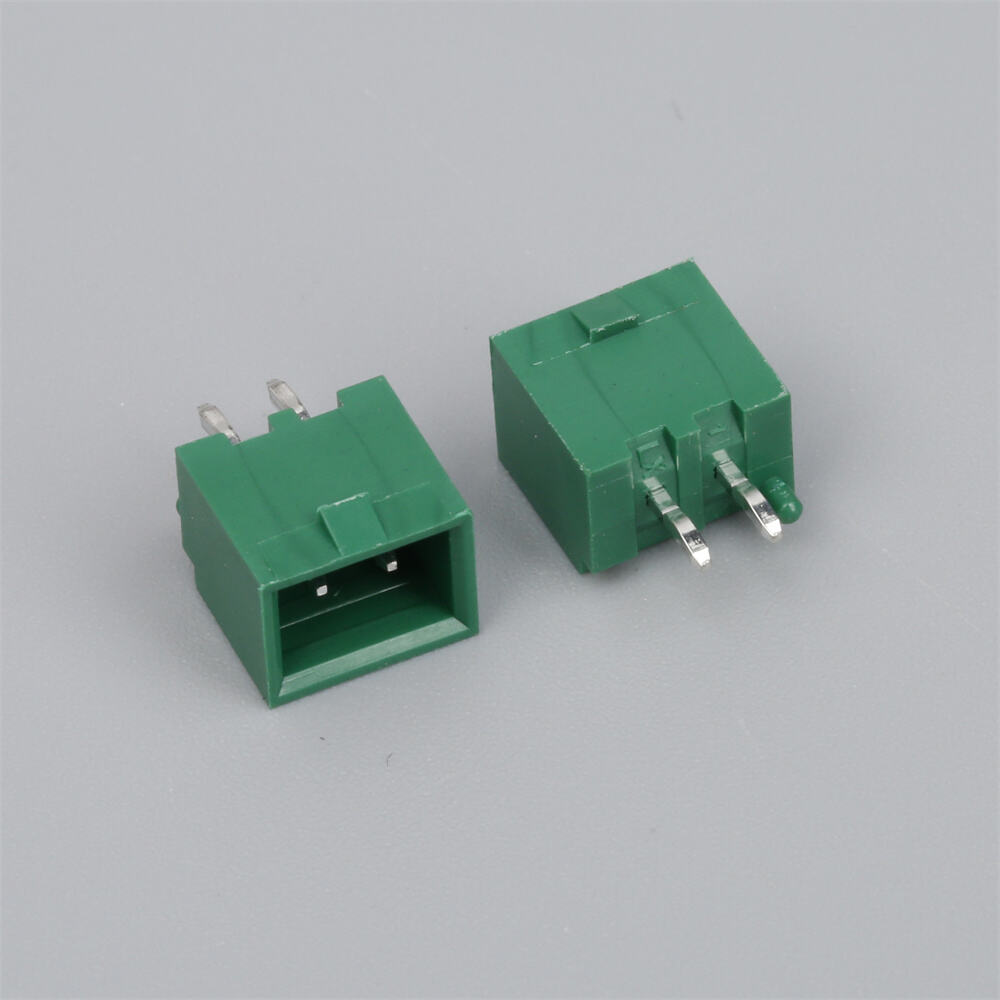
Power distribution systems form the backbone of modern industrial and commercial electrical infrastructure, yet they remain vulnerable to numerous safety risks including overheating, arcing, contact failure, and electrical shorts. As facilities managers and electrical engineers seek robust solutions to minimize these hazards, the role of reliable connector technology becomes paramount. Among the various interconnect solutions available, Molex connectors have established themselves as a trusted component in power distribution applications where safety cannot be compromised. Understanding how these connectors actively contribute to safer electrical systems requires examining their design principles, material selection, and practical implementation across diverse environments.
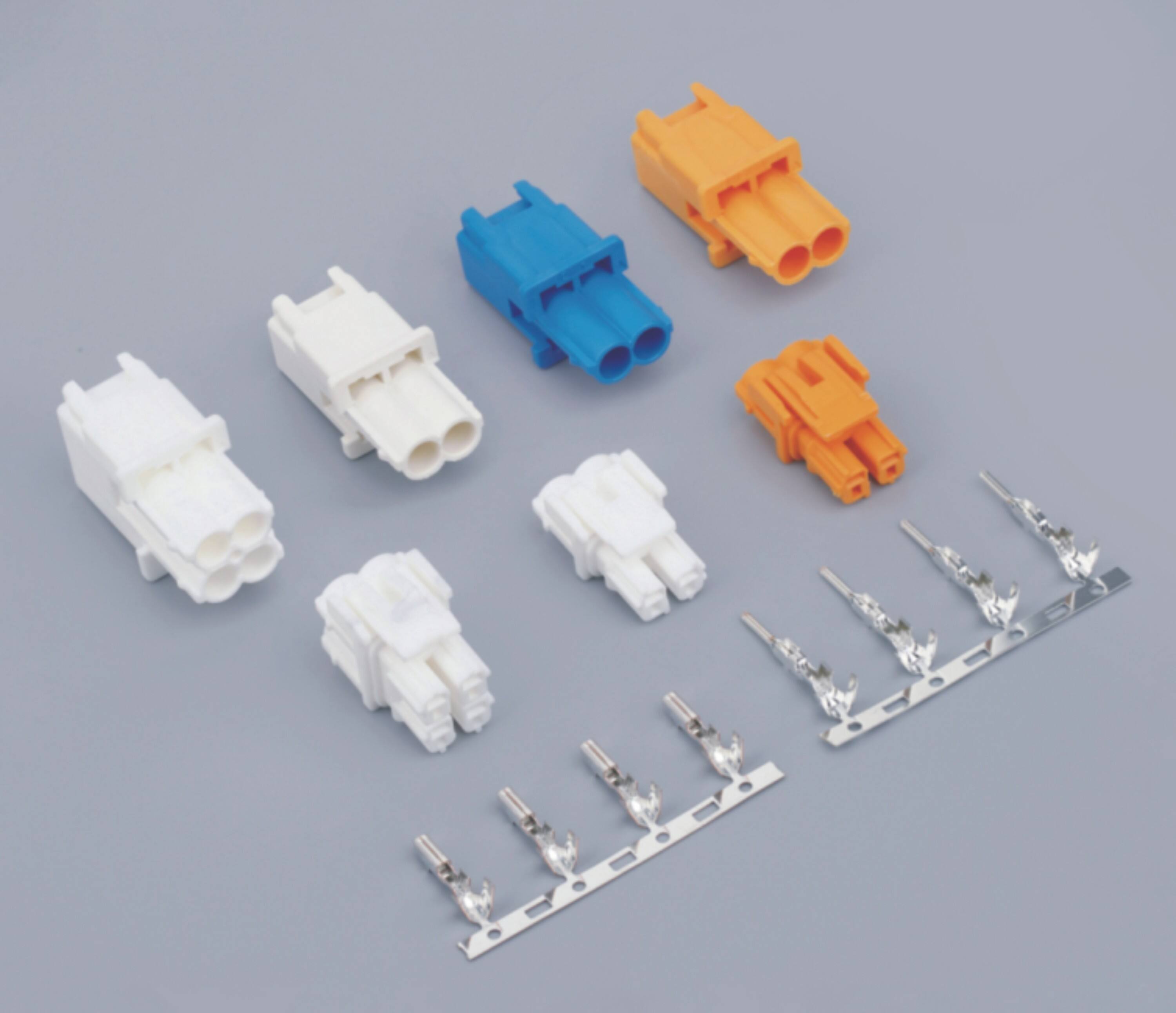
The contribution of Molex connectors to power distribution safety extends far beyond simple mechanical connection. These precision-engineered components address fundamental electrical safety challenges through multiple protective mechanisms operating simultaneously. From preventing accidental disconnection under vibration to maintaining consistent contact resistance over thousands of mating cycles, Molex connectors incorporate design features specifically intended to eliminate common failure modes that lead to electrical hazards. Their deployment in power distribution systems represents a proactive approach to safety, where engineered reliability replaces reactive problem-solving after failures occur.
Electrical Contact Integrity and Arc Prevention
Consistent Contact Resistance Throughout Service Life
One of the primary safety contributions of Molex connectors lies in their ability to maintain stable electrical contact resistance over extended operational periods. Unlike inferior connector designs that experience gradual degradation of contact surfaces, Molex connectors utilize carefully selected contact materials and plating technologies that resist oxidation and corrosion. This consistency prevents the development of high-resistance connections that generate excessive heat during current flow. When contact resistance increases in power distribution systems, the additional heat produced at connection points can damage insulation, degrade nearby components, and in extreme cases, initiate thermal runaway conditions leading to fire hazards.
The contact geometry employed in Molex connectors ensures that sufficient normal force exists between mating surfaces to penetrate any thin oxide layers that may form during storage or operation. This mechanical design principle, combined with gold or tin plating on contact surfaces, guarantees that actual metal-to-metal contact occurs rather than current flowing through insulating oxide films. For power distribution applications where currents may range from several amperes to hundreds of amperes depending on circuit requirements, this reliable contact interface directly translates to reduced heat generation and improved system safety margins.
Arc Suppression During Connection and Disconnection
Electrical arcing during connector mating or unmating operations represents a significant safety concern in power distribution systems, particularly when circuits cannot be de-energized before maintenance activities. Molex connectors address this hazard through deliberate contact sequencing and geometry that minimizes the duration and intensity of any arc formation. Many Molex connector designs incorporate longer ground or shield contacts that engage first during mating and disengage last during separation, ensuring a continuous ground path exists before and after power contacts make or break connection.
This sequencing mechanism serves multiple safety functions simultaneously. It provides a defined path for transient currents and static discharge before sensitive power contacts engage, protects maintenance personnel from shock hazards by establishing ground continuity early in the connection process, and reduces the energy available for sustained arcing by limiting the voltage differential present during the critical make-break transition. In high-voltage power distribution applications, these design features incorporated into Molex connectors can mean the difference between safe routine maintenance and dangerous arc flash incidents.
Protection Against Partial Insertion Hazards
Partially inserted connectors create multiple safety risks in power distribution systems, including exposed live contacts, unbalanced current distribution across fewer-than-intended contact points, and increased susceptibility to accidental disconnection. Molex connectors typically incorporate positive latching mechanisms that provide tactile and sometimes audible confirmation of complete mating. These latches prevent connectors from remaining in partially inserted states where safety hazards are greatest.
The mechanical design of these latching systems ensures that connectors either achieve full insertion with all contacts properly engaged or remain obviously disconnected. This binary state eliminates the ambiguous middle ground where electrical continuity exists but with compromised safety margins. For field service technicians working with power distribution equipment, this clear feedback mechanism reduces human error and ensures that connections meet design specifications every time. The reliability of Molex connectors in providing this positive engagement feedback has made them a preferred choice in applications where connection integrity directly impacts personnel safety.
Mechanical Stability and Vibration Resistance
Retention Force Engineering for Dynamic Environments
Power distribution systems in industrial environments frequently experience mechanical vibration from nearby machinery, transportation systems, or process equipment. These vibrations can gradually work connectors loose if retention forces are inadequate, leading to intermittent connections that generate heat and sparks. Molex connectors are engineered with specific retention force targets that balance ease of intentional disconnection against resistance to vibration-induced separation. The locking mechanisms incorporated into these designs maintain connection integrity even under sustained vibrational stress.
Testing protocols for Molex connectors include vibration exposure profiles that simulate years of operational conditions in compressed timeframes. Connectors that successfully complete these validation tests demonstrate their ability to maintain electrical and mechanical integrity throughout their intended service life. This proven vibration resistance translates directly to improved safety in power distribution applications by eliminating the intermittent contact condition, one of the most difficult electrical faults to diagnose and among the most dangerous due to its unpredictable heat generation patterns.
Environmental Sealing and Contamination Resistance
Many power distribution installations exist in environments where moisture, dust, chemical vapors, or other contaminants threaten connector performance and safety. Molex connectors designed for these applications incorporate environmental sealing features that prevent contamination ingress to contact areas. These seals maintain the electrical isolation between adjacent contacts and between contacts and ground, preventing leakage currents and potential short circuits that compromise system safety.
The ingress protection ratings achieved by sealed Molex connectors range from basic dust protection to complete submersion resistance, depending on application requirements. This environmental robustness ensures that the safety margins built into power distribution system designs remain valid throughout the equipment's operational life rather than degrading as contaminants accumulate. For outdoor installations, marine applications, or industrial processes involving wash-down procedures, the sealing capabilities of Molex connectors represent an essential safety feature that prevents electrical hazards arising from environmental exposure.
Strain Relief and Cable Retention Integration
Mechanical stress transmitted from cables to connector contacts represents another pathway to connection failure and associated safety hazards. Molex connectors typically incorporate integral strain relief features that anchor the cable jacket or individual conductors to the connector housing, preventing tensile, compressive, or bending forces from reaching the delicate electrical contact interface. This mechanical isolation ensures that cable movements during installation, routine operation, or maintenance activities do not compromise electrical continuity.
The strain relief designs used in Molex connectors are calibrated to the cable types and installation conditions anticipated in power distribution applications. They accommodate thermal expansion and contraction cycles without transmitting damaging forces to contacts, maintain their grip strength over time despite exposure to temperature extremes and vibration, and provide sufficient cable retention force to support the cable's own weight in vertical installations. These characteristics prevent the gradual degradation of connection quality that occurs when cables gradually pull away from connector contacts, creating high-resistance junctions prone to overheating.
Material Selection and Thermal Management
Thermoplastic Housing Materials with Flame Retardant Properties
The insulating housing materials used in Molex connectors play a critical role in fire safety within power distribution systems. These thermoplastics are carefully formulated to achieve UL 94 V-0 or V-1 flammability ratings, meaning they self-extinguish rapidly if exposed to an ignition source. This fire resistance prevents connectors from becoming fuel sources that propagate electrical fires beyond their point of origin. In power distribution panels where multiple circuits are in close proximity, the flame retardant properties of connector housings can contain a fault condition to a single circuit rather than allowing it to cascade into a facility-wide emergency.
Beyond flammability resistance, the thermoplastic materials used in Molex connectors maintain their mechanical and electrical properties across wide temperature ranges. They resist thermal deformation that could allow contacts to shift position or insulating barriers to collapse, maintain adequate insulation resistance even at elevated temperatures, and retain structural integrity sufficient to support contact normal forces throughout the connector's temperature rating. These thermal stability characteristics ensure that Molex connectors continue to function safely even under the elevated temperatures that may develop in heavily loaded power distribution systems.
Current Rating and Thermal Derating Considerations
Every Molex connector design carries a specified current rating that reflects its ability to conduct electrical current without exceeding safe temperature limits. These ratings are established through extensive thermal testing that measures temperature rise under continuous current loading in still air conditions. Understanding and respecting these ratings is essential to leveraging Molex connectors for safe power distribution, as exceeding current specifications leads to excessive heating that degrades contact materials, softens insulating housings, and creates fire hazards.
In practical power distribution installations, ambient temperature, airflow conditions, and proximity to other heat-generating components all affect the safe current-carrying capacity of Molex connectors. Engineers must apply appropriate derating factors to published specifications when environmental conditions differ from test conditions. Molex provides detailed application guidance to assist in these calculations, ensuring that connectors operate with adequate safety margins in real-world installations. This engineering support helps prevent the thermal overload conditions that compromise both connector longevity and system safety.
Contact Material Selection for Current Density Management
The conductive materials used for contacts in Molex connectors are selected based on their electrical conductivity, mechanical spring properties, and resistance to wear and corrosion. Copper alloys dominate contact manufacturing due to their excellent conductivity and formability, while surface plating with gold, tin, or nickel provides additional protection and performance characteristics. The cross-sectional area of these contacts is engineered to limit current density to safe levels that prevent excessive heating even at maximum rated current.
Current density, measured in amperes per square millimeter of conductor cross-section, directly correlates with temperature rise and potential thermal damage. Molex connectors for power distribution applications utilize contact geometries that maintain current density within conservative limits, typically well below the theoretical maximum for the contact material. This design conservatism provides safety margin against variations in manufacturing tolerances, contact wear over service life, and temporary overcurrent conditions. The result is a connector that maintains safe operating temperatures throughout its rated service life, even under demanding power distribution duty cycles.
Design Features for Fault Detection and Prevention
Visual Inspection Capabilities and Connection Status Indication
Many Molex connectors incorporate design features that enable visual confirmation of proper mating and connection status. These may include color-coded housings that reveal alignment before complete insertion, inspection windows that allow verification of contact engagement, or indicator tabs that move into specific positions when full insertion is achieved. For maintenance personnel conducting routine inspections of power distribution equipment, these visual cues provide rapid assessment of connection integrity without requiring disassembly or electrical testing.
The safety value of these visual inspection features extends beyond initial installation to ongoing operational monitoring. Trained technicians can identify partially disconnected or improperly mated Molex connectors during routine walk-throughs, preventing intermittent connection problems from progressing to more serious thermal or arcing failures. In critical power distribution applications where unplanned outages carry significant consequences, this ability to detect connection degradation before it causes system failures represents an important proactive safety measure.
Polarization and Keying to Prevent Misconnection
Incorrect connection of power distribution circuits creates immediate safety hazards including short circuits, equipment damage, and shock risks to personnel. Molex connectors address this concern through mechanical polarization features that allow connectors to mate in only one orientation, and keying systems that prevent physically similar connectors from being interchanged. These mechanical safeguards eliminate reliance on human attention and color coding alone to ensure correct circuit connections.
The keying systems used in Molex connectors can be standardized across a product family with different key positions denoting different voltage levels, current ratings, or circuit functions. This systematic approach to connection management scales effectively in complex power distribution installations where dozens of similar-appearing circuits must be correctly maintained. By making incorrect connections physically impossible, Molex connectors remove a significant source of human error from electrical safety considerations.
Integrated Fusing and Circuit Protection Coordination
Some Molex connector families designed for power distribution applications can accommodate integrated fusing or current-limiting elements directly within the connector body. This approach places overcurrent protection at the point of connection rather than relying solely on upstream circuit protection devices. When faults occur, the localized protection can isolate the affected circuit segment more quickly and with greater precision than remote protective devices, minimizing damage and containing hazards.
The coordination between connector current ratings and integrated protection elements ensures that fuses or current limiters operate before the connector itself reaches temperatures that could damage insulating materials or create fire hazards. This layered protection strategy exemplifies how Molex connectors can serve as active safety components rather than passive interconnection devices. In modular power distribution systems where individual loads can be connected or disconnected independently, this connector-level protection provides essential fault isolation that prevents single-point failures from affecting adjacent circuits.
Application-Specific Safety Implementations
Industrial Machinery Power Distribution
Industrial machinery often requires flexible power distribution that can be reconfigured as production requirements change. Molex connectors enable this flexibility while maintaining safety through their robust mechanical design and reliable electrical performance. Machine builders incorporate these connectors at junction points where main power feeds branch to individual motor controllers, at control panel interfaces where power enters from facility distribution systems, and at modular stations that may be added or removed as production lines are reconfigured.
The vibration resistance of Molex connectors proves particularly valuable in industrial machinery applications where motors, pumps, and process equipment generate continuous mechanical disturbances. Connectors maintain their electrical integrity despite this hostile environment, preventing the intermittent connection problems that could cause unexpected machine behavior or create shock hazards for operators. The positive latching mechanisms ensure that connections remain secure even when equipment is moved or repositioned during production changeovers.
Data Center and Telecommunications Power Systems
Modern data centers and telecommunications facilities deploy increasingly complex power distribution architectures to support high-density computing equipment. Molex connectors serve critical roles in these systems, from main distribution frames where utility power enters the facility to rack-level power distribution units that supply individual servers and network equipment. The high reliability of these connectors directly impacts facility uptime and operational safety in environments where power system failures can cascade rapidly through dependent systems.
The current-carrying capabilities of Molex connectors used in data center applications must accommodate both steady-state loads and the inrush currents that occur when computing equipment powers on. The thermal management characteristics of these connectors prevent hotspot development in tightly packed equipment racks where airflow may be restricted and ambient temperatures elevated. Environmental sealing protects connections from the dust and contamination that inevitably accumulate in long-term data center operations, maintaining the insulation resistance necessary to prevent leakage currents and ground faults.
Renewable Energy Power Collection Systems
Solar photovoltaic arrays, wind turbines, and energy storage systems rely on Molex connectors to manage power collection from distributed generation sources. These applications present unique safety challenges including outdoor environmental exposure, DC arcing concerns, and the need to safely interrupt circuits that may carry substantial energy. Molex connectors designed for renewable energy applications incorporate features specifically addressing these requirements, such as enhanced arc suppression, UV-resistant materials, and mechanical designs that discourage disconnection under load.
The long service life requirements of renewable energy installations demand that Molex connectors maintain their safety characteristics for decades of continuous outdoor exposure. Material selection emphasizes resistance to UV degradation, thermal cycling from daily temperature swings, and moisture ingress from precipitation and humidity. Contact materials and plating systems resist the gradual corrosion that could increase connection resistance and generate heat. These durability characteristics ensure that safety margins remain adequate throughout the 20 to 30-year operational lives typical of renewable energy systems.
FAQ
What makes Molex connectors safer than generic power connectors?
Molex connectors incorporate engineered safety features including controlled contact resistance for minimal heat generation, positive latching mechanisms that prevent partial insertion, arc suppression through contact sequencing, environmental sealing to maintain insulation integrity, and flame-retardant housing materials that resist fire propagation. These features are validated through extensive testing and backed by comprehensive technical specifications, whereas generic connectors often lack documented performance characteristics and may not employ advanced safety design principles.
How do Molex connectors prevent overheating in power distribution systems?
Molex connectors prevent overheating through multiple mechanisms operating simultaneously. Contact materials with high electrical conductivity minimize resistive heating, proper contact geometry ensures adequate current-carrying cross-sectional area, consistent contact normal force maintains low resistance connections throughout service life, and thermally stable housing materials resist deformation under elevated temperatures. Additionally, published current ratings with appropriate derating guidance help engineers select connectors with adequate thermal margins for specific applications.
Can Molex connectors be safely disconnected under load in power distribution applications?
Most Molex connectors are designed for connection and disconnection only when circuits are de-energized, as separating contacts under load creates arcing that damages contacts and presents shock hazards. However, some specialized Molex connector families incorporate arc suppression features and contact sequencing that enable safer disconnection under light loads when necessary. For any application where hot-swapping capability is required, engineers should specifically select connector models rated and tested for make-break under load conditions, and should implement appropriate current-limiting and arc suppression in the circuit design.
What maintenance practices ensure Molex connectors continue providing safe power distribution?
Maintaining safety with Molex connectors requires periodic visual inspection for signs of overheating such as discoloration or melting, verification that locking mechanisms remain fully engaged, cleaning of any contamination from contact areas using appropriate methods for the contact plating type, measurement of connection resistance using micro-ohm meters to detect degradation before it becomes hazardous, and replacement of connectors that show any signs of damage or excessive wear. Additionally, ensuring that connections remain within their current ratings and environmental specifications throughout their service life prevents degradation that compromises safety.
Table of Contents
- Electrical Contact Integrity and Arc Prevention
- Mechanical Stability and Vibration Resistance
- Material Selection and Thermal Management
- Design Features for Fault Detection and Prevention
- Application-Specific Safety Implementations
-
FAQ
- What makes Molex connectors safer than generic power connectors?
- How do Molex connectors prevent overheating in power distribution systems?
- Can Molex connectors be safely disconnected under load in power distribution applications?
- What maintenance practices ensure Molex connectors continue providing safe power distribution?

