
 EN
EN



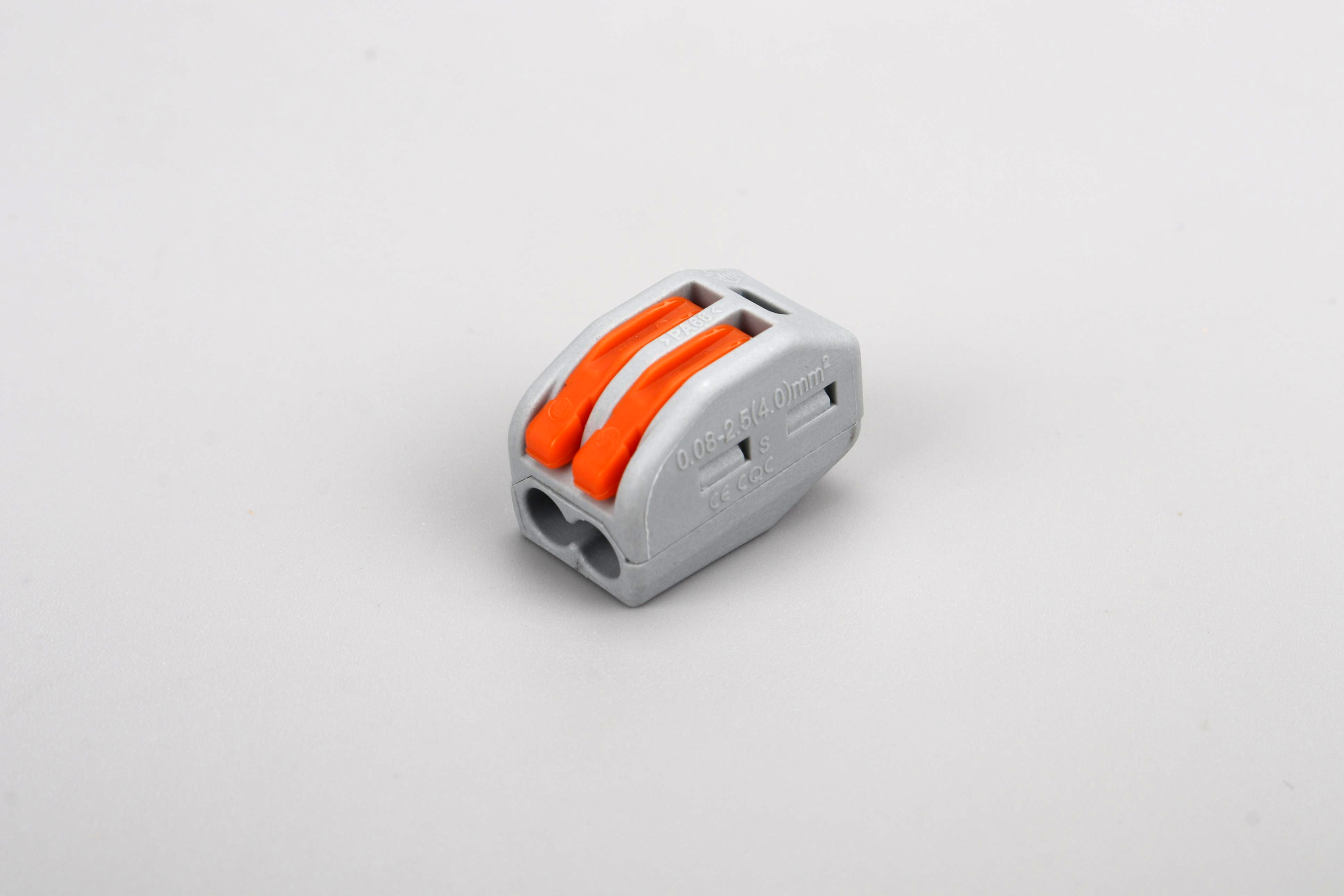
In industrial applications where equipment faces extreme conditions, the reliability of electrical connections becomes mission-critical. Engineers and procurement specialists frequently ask how well Tyco connectors hold up when subjected to harsh environmental factors and continuous mechanical stress. The performance of Tyco connectors in demanding environments is determined by their robust design philosophy, advanced material selection, and rigorous testing protocols that ensure consistent operation even under the most challenging circumstances. Understanding these performance characteristics is essential for anyone specifying connectivity solutions for heavy machinery, transportation systems, or outdoor industrial installations.
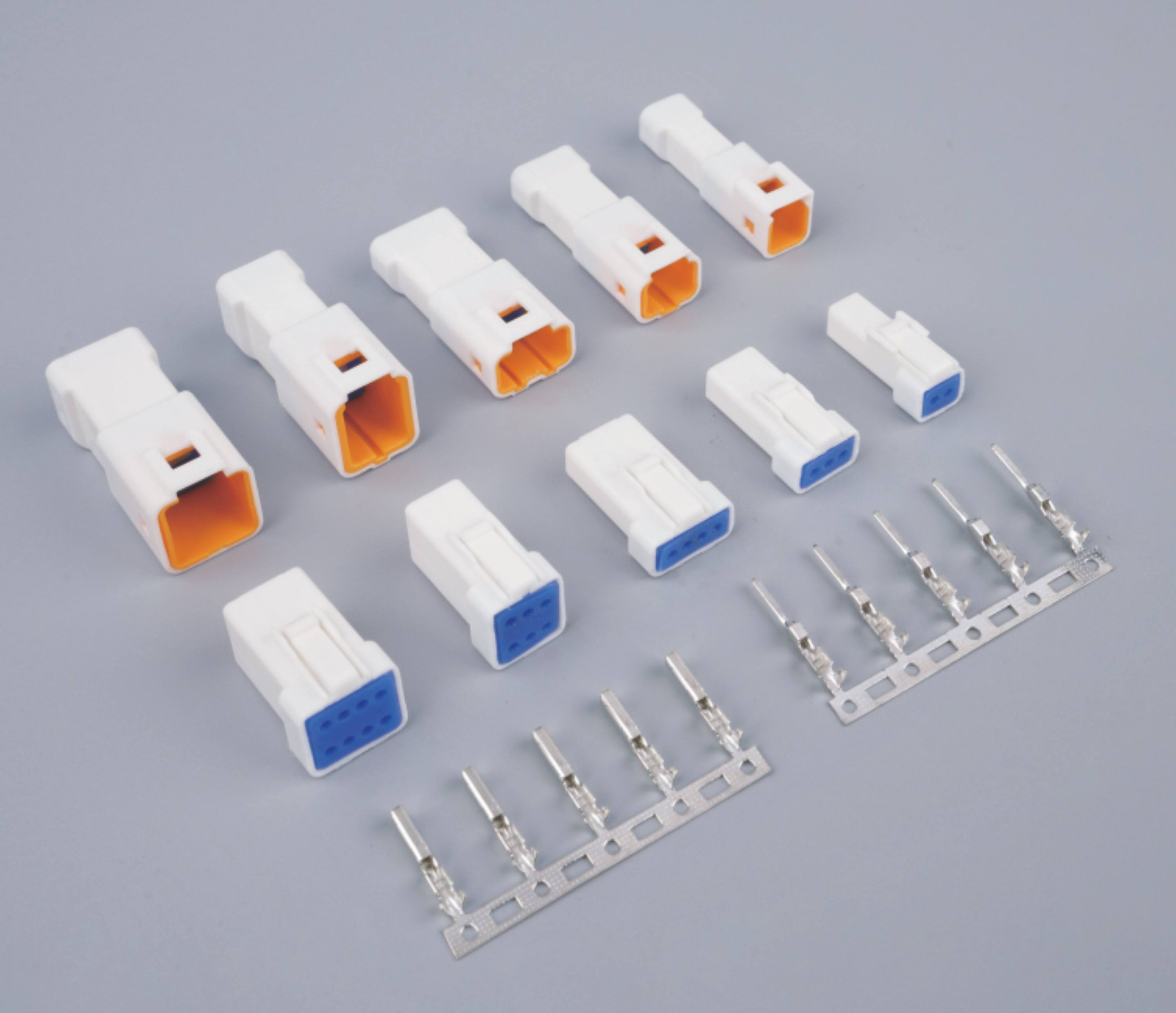
The question of connector performance in high-vibration and harsh environments is not merely theoretical but has direct implications for operational uptime, maintenance costs, and safety outcomes. Tyco connectors have been engineered specifically to address these concerns through multiple protective features and structural reinforcements. This article examines the specific design elements that enable Tyco connectors to maintain electrical integrity under vibration stress, the environmental protection mechanisms that shield connections from moisture and contaminants, and the real-world performance data that validates their suitability for demanding applications across various industrial sectors.
Design Features That Enable Vibration Resistance
Mechanical Locking Systems and Contact Retention
The foundation of vibration resistance in Tyco connectors lies in their sophisticated mechanical locking mechanisms. These connectors employ positive-latch systems that create a secure physical bond between mated halves, preventing accidental disconnection even when subjected to continuous vibrational forces. The locking elements are designed with sufficient engagement depth to withstand both longitudinal and lateral movement without compromising contact integrity. This mechanical security is particularly critical in mobile equipment and transportation applications where vibration frequencies can range from low-frequency chassis resonance to high-frequency engine harmonics.
Beyond the primary locking mechanism, Tyco connectors incorporate secondary retention features within the contact cavity itself. Each individual contact pin or socket is held in place by retention clips or barbs that prevent backing out under vibration stress. This dual-level retention approach ensures that even if the primary connector body experiences some movement, the electrical contacts remain properly positioned and engaged. The contact retention force is calibrated to resist the inertial forces generated during typical vibration profiles while still allowing for intentional disassembly during maintenance procedures.
The materials used in these retention systems are selected for their fatigue resistance and elastic memory. Tyco connectors typically use high-performance polymers or beryllium copper alloys for retention springs, materials that maintain their clamping force through thousands of vibration cycles without plastic deformation. This material choice directly impacts the long-term reliability of Tyco connectors in installations subject to continuous vibration exposure, such as construction equipment, agricultural machinery, and industrial automation systems where replacement downtime carries significant cost implications.
Contact Design and Spring Force Engineering
The electrical contacts within Tyco connectors are engineered with spring force characteristics optimized for vibration environments. Unlike rigid contact designs that can experience micro-disconnections during vibration events, Tyco connectors utilize spring-loaded contacts that maintain constant pressure against their mating surfaces. This continuous contact force compensates for minor relative motion between connector halves, ensuring uninterrupted electrical continuity even during significant vibration amplitudes. The spring rate is carefully calculated to provide sufficient normal force without causing excessive insertion forces or contact wear during mating cycles.
The geometry of individual contacts in Tyco connectors also contributes to vibration resistance. Many designs feature multiple contact points per circuit, creating redundant electrical pathways that improve reliability under dynamic conditions. The contact surfaces are often gold-plated or utilize specialized noble metal alloys that resist oxidation and fretting corrosion, two common failure modes in vibrating connections. Fretting occurs when micro-movements between contact surfaces wear through protective oxide layers, and the precious metal platings used in Tyco connectors effectively mitigate this degradation mechanism.
The contact housing within Tyco connectors provides additional support that reduces the free length of contact elements, minimizing their susceptibility to resonant vibration. By constraining the contact beams or pins within close-fitting cavities, the design raises the natural frequency of the contact system above typical operational vibration ranges. This engineering approach prevents the amplified displacement that would occur if contacts resonated at frequencies commonly encountered in industrial machinery, thereby maintaining stable electrical resistance throughout the vibration spectrum.
Housing Structural Integrity and Material Selection
The connector housing in Tyco connectors serves as the structural foundation for all internal components and must withstand mechanical stresses from both vibration and environmental factors. These housings are typically manufactured from glass-filled nylon, polybutylene terephthalate, or other engineering thermoplastics that offer excellent dimensional stability and impact resistance. The glass fiber reinforcement increases the elastic modulus of the polymer, reducing flexural deflection under vibrational loads while maintaining the lightweight characteristics essential for many applications.
The wall thickness and rib structure of Tyco connectors are optimized through finite element analysis to distribute stress concentrations and prevent fatigue cracking. Strategic placement of reinforcing ribs not only strengthens the housing but also creates defined load paths that protect delicate internal components from external mechanical shocks. This structural design allows Tyco connectors to meet demanding specifications such as MIL-STD-810 for shock and vibration, standards commonly referenced in defense, aerospace, and heavy industrial applications where connector failure could have catastrophic consequences.
Temperature stability is another critical aspect of housing material selection for harsh environments. Tyco connectors maintain their mechanical properties across wide temperature ranges, typically from -40°C to +125°C or beyond depending on specific product lines. This thermal stability ensures that the dimensional tolerances critical for proper contact alignment and retention remain consistent regardless of ambient conditions. In high-vibration environments that also experience thermal cycling, such as engine compartments or industrial kilns, this combined resistance to thermal and mechanical stress is essential for long-term reliability.
Environmental Sealing and Protection Mechanisms
Ingress Protection Ratings and Sealing Technologies
Harsh environments typically involve exposure to moisture, dust, chemicals, and other contaminants that can compromise electrical connections. Tyco connectors address these challenges through comprehensive sealing systems that achieve various Ingress Protection ratings, commonly ranging from IP67 to IP69K depending on application requirements. These ratings indicate the connector's ability to exclude solid particles and withstand water immersion or high-pressure washing, capabilities essential for outdoor installations, food processing equipment, and marine applications where Tyco connectors must function reliably despite environmental exposure.
The primary sealing interface in Tyco connectors typically employs elastomeric gaskets or O-rings positioned at the connector mating plane. These seals are manufactured from materials such as silicone, fluorocarbon, or ethylene propylene diene monomer rubber, selected based on chemical compatibility with expected environmental contaminants and temperature range requirements. The seal compression is carefully controlled through housing design to ensure sufficient deformation for effective sealing without overstressing the elastomer, which could lead to premature aging or seal extrusion under vibration conditions.
Secondary sealing in Tyco connectors occurs at the cable entry point, where individual wire seals or strain relief boots prevent moisture ingress along the conductor path. These cable seals must accommodate manufacturing tolerances in wire diameter while maintaining compression force sufficient to block capillary water migration. In high-vibration applications, the cable seal also serves an important strain relief function, absorbing flexural movement in the cable and preventing it from transferring directly to the electrical contacts. This dual function of environmental protection and mechanical stress management makes the cable seal design a critical element in overall connector performance.
Corrosion Resistance and Material Compatibility
Beyond physical sealing, Tyco connectors incorporate materials selected for their inherent resistance to corrosion in harsh chemical environments. Contact plating options include gold over nickel for maximum corrosion resistance, tin for cost-effective protection in moderate environments, and specialized alloys for specific chemical exposures. The base contact material, typically a copper alloy, is chosen for its electrical conductivity balanced with mechanical strength and corrosion resistance. This material selection strategy enables Tyco connectors to function in environments ranging from salt spray exposure in coastal installations to chemical vapors in industrial processing facilities.
The housing materials used in Tyco connectors also resist chemical attack and UV degradation, important factors for long-term outdoor installations or exposure to industrial chemicals. Many connector housings incorporate UV stabilizers and chemical-resistant polymer formulations that prevent embrittlement and maintain sealing effectiveness over extended service lives. This material durability is particularly valuable in infrastructure applications such as railway signaling systems, outdoor lighting controls, and agricultural equipment where connector replacement requires significant labor investment and operational downtime.
Galvanic compatibility between dissimilar metals within Tyco connectors is carefully managed to prevent accelerated corrosion in the presence of electrolytes. When moisture does penetrate the connector environment, proper material pairing minimizes the electrochemical potential that drives galvanic corrosion. Protective platings and barrier layers isolate dissimilar metals from direct contact, while drainage features in some connector designs allow condensation to escape rather than accumulating in contact areas. These design considerations reflect decades of field experience captured in Tyco connectors product development, addressing real-world failure modes observed across diverse industrial applications.
Pressure Relief and Breathing Mechanisms
In applications subject to significant temperature cycling, sealed Tyco connectors can experience internal pressure changes that stress seals and potentially draw in contaminants during cooling phases. Advanced designs incorporate pressure equalization membranes or controlled breathing features that allow air exchange while blocking moisture and particulates. These membranes utilize microporous materials with pore sizes that permit gas molecules to pass while excluding liquid water droplets, maintaining atmospheric pressure equilibrium without compromising the connector's environmental protection rating.
The breathing mechanism becomes particularly important in high-vibration environments where temperature cycling is accelerated due to frictional heating or proximity to heat sources. Without pressure relief, repeated thermal cycles can fatigue seals through continuous compression and expansion cycles, eventually leading to seal failure and moisture ingress. Tyco connectors designed for the most demanding applications balance the need for hermetic sealing during exposure events with the requirement for pressure management during operational thermal cycles, extending seal life and maintaining protection effectiveness over thousands of operational hours.
Testing Standards and Performance Validation
Industry Standard Vibration Test Protocols
The performance claims for Tyco connectors in high-vibration environments are substantiated through rigorous testing according to recognized industry standards. Common test protocols include SAE J1455 for automotive applications, IEC 60068-2-6 for general electronic equipment, and MIL-STD-202 Method 204 for military applications. These standards define specific vibration profiles, frequency ranges, acceleration levels, and test durations that simulate real-world service conditions. Tyco connectors submitted for qualification testing must maintain electrical continuity throughout these vibration exposures without exceeding specified resistance increases or experiencing intermittent disconnections.
Typical vibration test profiles sweep through a frequency range, often from 10 Hz to 2000 Hz, while applying constant or random acceleration levels measured in units of gravitational force. For example, a common automotive qualification might specify 10G acceleration swept logarithmically through the frequency range for multiple cycles in three orthogonal axes. During these tests, Tyco connectors are monitored for electrical continuity with sensitive instrumentation capable of detecting micro-second interruptions that could indicate contact bounce or separation. Successful completion of these tests without continuity loss demonstrates the effectiveness of the mechanical retention and contact spring systems discussed earlier.
Beyond basic vibration testing, Tyco connectors intended for severe-duty applications undergo combined environmental and mechanical testing. These protocols apply vibration simultaneously with temperature cycling, humidity exposure, or corrosive atmospheres to validate performance under realistic multi-stressor conditions. For instance, a connector might be vibrated at elevated temperature while subjected to salt spray, simulating the operational environment of marine equipment or road vehicles in winter conditions. The ability of Tyco connectors to maintain both electrical integrity and environmental sealing under these combined stresses represents a higher level of performance assurance than single-factor testing alone.
Accelerated Life Testing and Reliability Prediction
Long-term reliability of Tyco connectors is assessed through accelerated life testing that compresses years of operational exposure into abbreviated test periods. These methodologies apply elevated stress levels to accelerate failure mechanisms while maintaining their fundamental physics, allowing extrapolation of test results to predict field life under normal operating conditions. Vibration-related wear mechanisms, such as fretting corrosion and contact material fatigue, can be accelerated by increasing vibration amplitude, temperature, or cycling frequency according to established acceleration models.
Statistical analysis of accelerated test results enables reliability engineers to characterize the failure distribution of Tyco connectors and predict mean time between failures for specific application profiles. This data supports maintenance planning and warranty determination for equipment manufacturers incorporating these connectors into their systems. The extensive testing history accumulated across multiple Tyco connectors product families provides a robust database for reliability prediction, giving users confidence in connector performance throughout the intended service life of their equipment.
Field Performance Monitoring and Failure Analysis
Beyond laboratory testing, real-world performance data from field installations provides critical validation of Tyco connectors reliability in harsh and high-vibration environments. Failure analysis of returned field units identifies the actual stress factors and failure modes encountered in service, information that feeds back into product improvement cycles. Common findings from field analysis include wear patterns consistent with vibration exposure, seal degradation from chemical exposure, and contact corrosion related to moisture ingress. When field failures occur at rates inconsistent with test predictions, root cause analysis investigates whether application conditions exceeded design specifications or whether unforeseen interaction effects compromised connector performance.
Long-term monitoring programs in critical applications track connector resistance, insulation resistance, and other electrical parameters over extended service periods. This condition monitoring can detect gradual degradation trends before outright failure occurs, enabling predictive maintenance strategies that minimize unplanned downtime. For Tyco connectors in high-consequence applications such as railway signaling or industrial safety systems, this performance monitoring provides ongoing assurance that the connectivity infrastructure maintains required reliability levels despite harsh environmental exposure and mechanical stress.
Application-Specific Performance Considerations
Transportation and Mobile Equipment Applications
Transportation applications represent one of the most demanding use cases for Tyco connectors due to the combination of high vibration levels, thermal cycling, environmental exposure, and reliability requirements. Automotive engine compartments subject connectors to continuous vibration from engine operation, thermal extremes ranging from -40°C ambient starting conditions to 125°C+ underhood temperatures, and exposure to oil, fuel, and cleaning chemicals. Tyco connectors designed for these applications must maintain electrical integrity throughout vehicle lifetimes that may span 15 years and hundreds of thousands of operating hours, all while exposed to this multi-stressor environment.
Railway and mass transit systems impose similar but distinct challenges on Tyco connectors. Train-borne equipment experiences lower frequency, higher amplitude vibration from track irregularities combined with electrical noise from traction power systems. The connector installations must withstand this mechanical environment while maintaining signal integrity for critical control and safety systems. Additionally, railway equipment often remains in service for decades, requiring connector designs with exceptional long-term material stability and corrosion resistance. The field reliability of Tyco connectors in railway applications demonstrates their capability to meet these extended service life requirements without performance degradation.
Off-highway equipment such as construction machinery, mining vehicles, and agricultural tractors generate some of the most severe vibration profiles encountered in any application. Impact loads from rough terrain combine with high-frequency vibration from diesel engines and hydraulic systems. Tyco connectors used in these applications must survive shock events that momentarily exceed 50G acceleration while maintaining continuous operation through the constant background vibration that characterizes off-road vehicle operation. The robust mechanical design and secure locking features of industrial-grade Tyco connectors are specifically engineered to address these extreme mechanical environments where connector failure could strand expensive equipment in remote locations.
Industrial Automation and Manufacturing Equipment
Factory automation systems utilize Tyco connectors in environments characterized by continuous operation, vibration from rotating machinery, and exposure to industrial contaminants including coolants, cutting oils, and particulate matter. Robotic systems present unique challenges where cable flexure and connector movement are combined with precision positioning requirements that demand consistent electrical performance. The reliability of sensor connections in these applications directly impacts product quality and process control, making connector performance a critical factor in manufacturing efficiency.
Conveyor systems, packaging equipment, and material handling machinery subject Tyco connectors to repetitive motion and vibration over multi-shift continuous operation. The cumulative fatigue exposure in these applications can exceed that of intermittently operated equipment despite lower peak vibration levels. Connector designs for industrial automation applications emphasize long cycle life and resistance to vibration-induced fretting, with contact materials and platings selected specifically to minimize resistance increase over millions of vibration cycles. The ability of Tyco connectors to maintain stable electrical parameters throughout these extended operating periods reduces maintenance requirements and improves overall equipment effectiveness.
Energy and Infrastructure Applications
Wind turbines and solar tracking systems represent growing application areas where Tyco connectors must perform reliably in outdoor environments subject to weather exposure and mechanical movement. Wind turbine nacelles experience continuous vibration from turbine operation combined with temperature cycling and potential condensation within the enclosed space. Tyco connectors in these applications must maintain electrical integrity throughout 20-year design lives with minimal maintenance access, requiring exceptional material durability and environmental sealing. The economic consequences of connector failure in these applications include not only repair costs but also lost energy production during downtime, emphasizing the value of reliable connectivity solutions.
Oil and gas production facilities utilize Tyco connectors in harsh environments ranging from offshore platforms exposed to salt spray and hurricane-force winds to wellhead installations subject to vibration from pumping equipment and extreme temperature ranges. The combination of environmental severity and safety criticality in these applications demands the highest levels of connector reliability. Explosion-proof and intrinsically safe versions of Tyco connectors address the additional requirement for hazardous location certification while maintaining the vibration resistance and environmental protection necessary for reliable long-term operation in process industry applications.
Maintenance and Installation Best Practices
Proper Installation Techniques for Vibration Resistance
Even the most robust Tyco connectors will underperform if improperly installed, making correct installation procedures essential for achieving design performance in harsh environments. Proper mating force application ensures that locking mechanisms fully engage and seals compress to their designed values. Incomplete mating is a common installation error that leaves Tyco connectors vulnerable to vibration-induced separation and environmental ingress. Installers should verify that audible or tactile feedback confirms full locking engagement, and in critical applications, pull testing can verify that the connection withstands specified retention forces.
Cable strain relief is equally critical in vibration environments, as flexural stress concentrated at the connector backshell can fatigue wire strands or pull contacts from their retention positions. Proper installation of Tyco connectors includes securing cables with appropriate clamps or ties at a distance from the connector body, creating a compliant section that absorbs cable movement without transmitting stress to the connection point. The clamping location should be close enough to support the cable but not so close that it creates a stiff lever arm that amplifies vibration displacement at the connector interface. Many Tyco connectors include integrated strain relief features, but these must be properly utilized with correctly sized cables to achieve their intended protective function.
Routing of mated connector assemblies significantly impacts their vibration exposure and service life. Mounting Tyco connectors in locations isolated from primary vibration sources, using vibration-damping mounts, or orienting connections to minimize excitation along sensitive axes all contribute to improved reliability. Where flexible conduit or cable bundles connect vibrating and stationary structures, positioning connectors on the stationary side reduces their direct vibration exposure. In applications where connector location cannot avoid high-vibration zones, additional mechanical support brackets or potting compounds can reduce relative motion within the connector assembly, though these measures should be implemented with consideration for field serviceability requirements.
Inspection and Preventive Maintenance Protocols
Periodic inspection of Tyco connectors in harsh environments enables early detection of degradation before it progresses to operational failure. Visual inspection should identify any physical damage to connector housings, evidence of moisture ingress such as corrosion products at the mating plane, or backing out of contacts from their housing positions. Seal condition is particularly important in outdoor or washdown environments, as seal compression set or cracking compromises environmental protection and typically precedes electrical failure. Replacement of connector seals according to manufacturer recommendations or whenever damage is observed maintains the protection integrity of Tyco connectors throughout their service life.
Electrical testing of installed Tyco connectors provides objective data on connection quality and can identify developing problems not apparent through visual inspection alone. Contact resistance measurement using a four-wire technique eliminates the influence of test lead resistance and provides accurate assessment of the actual contact interface resistance. Increasing resistance trends indicate contact degradation from corrosion or wear, while intermittent high-resistance readings may reveal vibration-induced contact bounce or loose retention. Insulation resistance testing verifies that moisture has not compromised the isolation between circuits, an important safety consideration in power distribution applications where leakage current could create shock hazards or ground fault conditions.
Cleaning and relubrication of Tyco connectors during maintenance intervals can extend service life in contaminated environments. Removal of accumulated dust, oils, or salt deposits prevents these contaminants from degrading sealing surfaces or accelerating corrosion of metal components. Contact surfaces should be cleaned using appropriate solvents that remove oxidation and contamination without damaging platings or plastic components. Some Tyco connectors incorporate contact lubricants or sealants during manufacturing, and these should be renewed according to manufacturer specifications to maintain their protective function. Proper maintenance procedures documented in equipment service manuals ensure consistent application of these best practices across maintenance personnel and preserve the reliability advantages that Tyco connectors provide in demanding applications.
FAQ
What vibration levels can Tyco connectors withstand without experiencing electrical discontinuity?
Tyco connectors designed for harsh environments typically withstand vibration levels up to 50G acceleration in swept frequency testing from 10 Hz to 2000 Hz without electrical discontinuity, meeting requirements of standards such as MIL-STD-202 Method 204 and SAE J1455. Specific performance varies by product line and application category, with heavy-duty industrial versions offering higher vibration resistance than standard commercial grades. The critical factor is not just peak acceleration but the cumulative exposure over millions of cycles, which Tyco connectors address through robust contact spring designs and mechanical locking systems that maintain connection integrity throughout extended vibration exposure.
How do environmental seals in Tyco connectors maintain effectiveness under continuous vibration?
The elastomeric seals used in Tyco connectors are designed to maintain compression and sealing effectiveness despite the relative micro-movements that occur during vibration. Seal groove geometry controls compression levels within the optimal range that balances sealing force against the risk of seal extrusion or excessive stress that could cause premature aging. Material selection emphasizes elastomers with good dynamic properties that recover quickly from deformation and resist compression set over millions of flexural cycles. Additionally, the primary mating plane seal is typically protected by secondary barriers and housing geometry that shields it from direct environmental exposure, extending seal service life even in harsh outdoor conditions combined with high vibration levels.
Can Tyco connectors be used in both high-temperature and high-vibration environments simultaneously?
Yes, many Tyco connectors are specifically engineered for combined thermal and mechanical stress, with product families designed for continuous operation at temperatures up to 125°C or higher while maintaining vibration resistance. The key is selecting connector variants with appropriate temperature-rated housing materials and seal compounds that retain their mechanical properties at elevated temperatures. For example, connectors using polybutylene terephthalate housings and fluorocarbon seals maintain dimensional stability and sealing effectiveness at temperatures where standard nylon housings and nitrile seals would soften and lose functionality. Application engineers should verify that selected Tyco connectors carry ratings appropriate for both the thermal and vibration environment of their specific application, as these combined stresses are more demanding than either factor individually.
What maintenance intervals are recommended for Tyco connectors in harsh vibration environments?
Maintenance intervals for Tyco connectors depend on specific environmental severity and application criticality, but general guidance suggests visual inspection annually or at major equipment service intervals, with detailed electrical testing every 2-3 years in moderate environments or more frequently in severe conditions. Applications with continuous exposure to moisture, chemicals, or extreme temperatures warrant more frequent inspection of seal condition and contact resistance measurement. Critical safety systems may implement condition monitoring that continuously tracks electrical parameters, enabling predictive maintenance based on actual degradation trends rather than fixed time intervals. Equipment manufacturers typically provide application-specific maintenance schedules based on field experience and reliability requirements, and following these recommendations ensures that Tyco connectors maintain their performance throughout the equipment service life.
Table of Contents
- Design Features That Enable Vibration Resistance
- Environmental Sealing and Protection Mechanisms
- Testing Standards and Performance Validation
- Application-Specific Performance Considerations
- Maintenance and Installation Best Practices
-
FAQ
- What vibration levels can Tyco connectors withstand without experiencing electrical discontinuity?
- How do environmental seals in Tyco connectors maintain effectiveness under continuous vibration?
- Can Tyco connectors be used in both high-temperature and high-vibration environments simultaneously?
- What maintenance intervals are recommended for Tyco connectors in harsh vibration environments?

