
 EN
EN



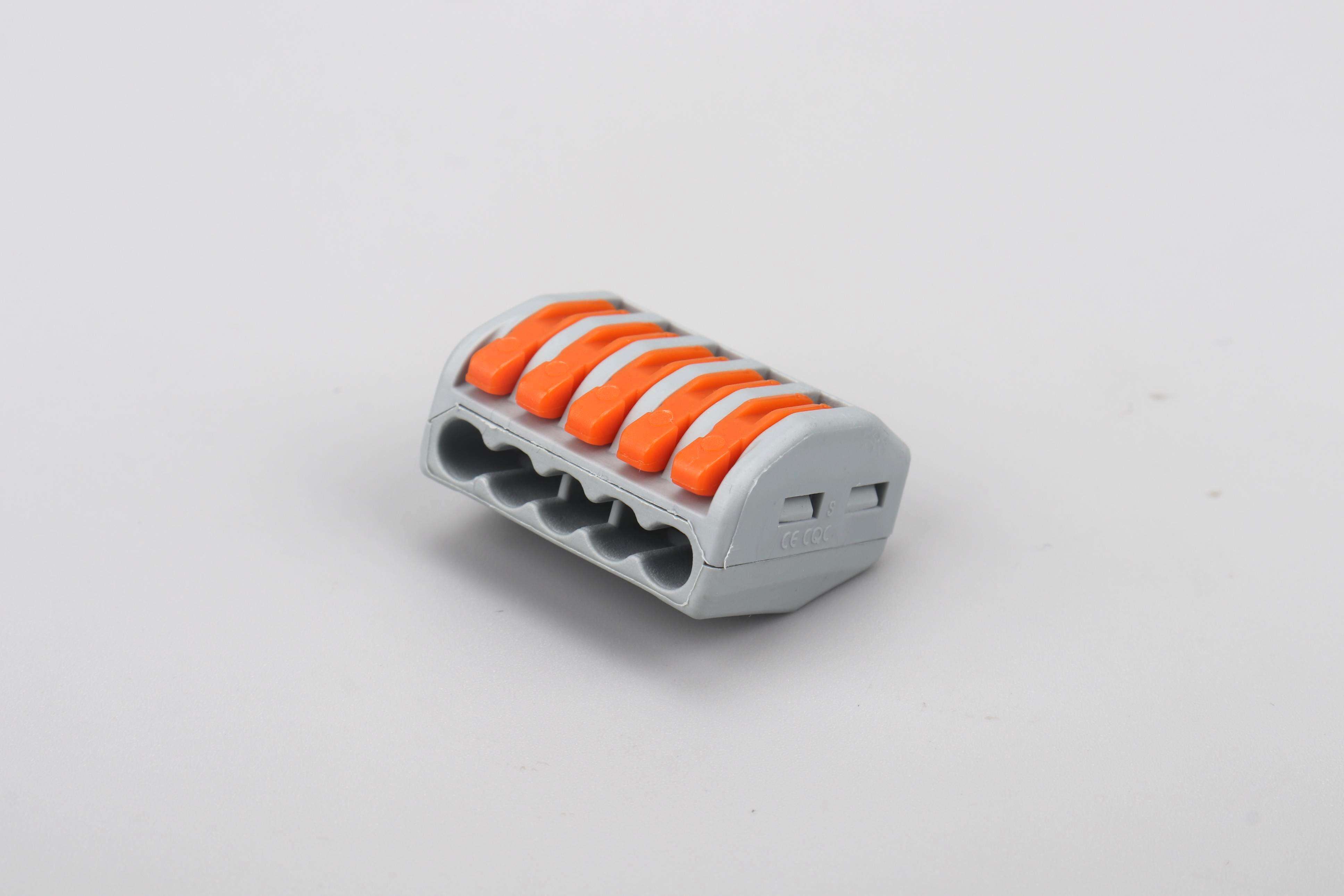
Selecting the appropriate industrial switch for your application requires careful consideration of numerous factors that can significantly impact operational efficiency, safety, and long-term reliability. Whether you're working in manufacturing, automotive, or other demanding environments, understanding the key characteristics and specifications of industrial switches will help you make informed decisions that align with your specific requirements. The complexity of modern industrial systems demands switches that can withstand harsh conditions while maintaining consistent performance over extended periods.
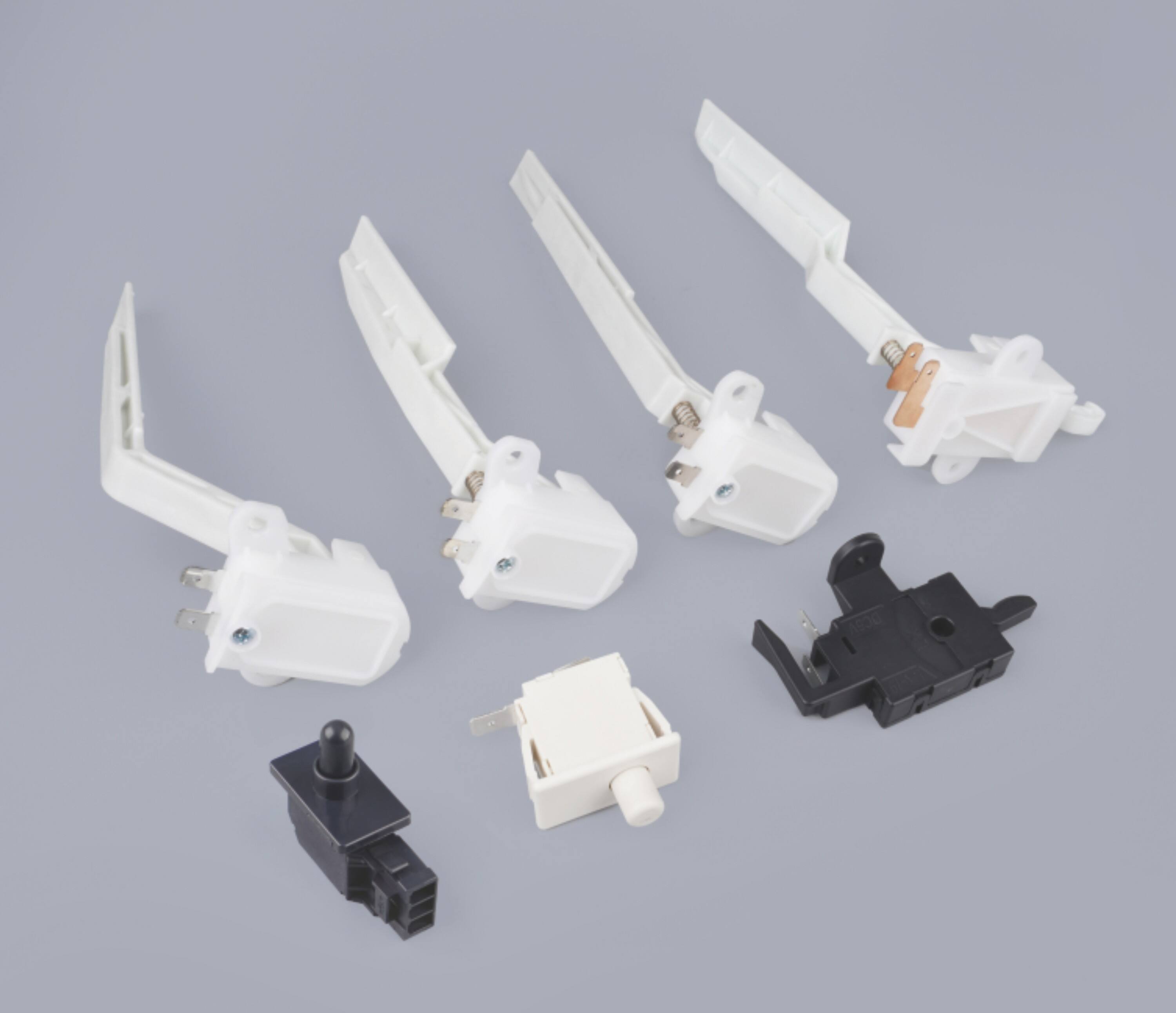
Industrial environments present unique challenges that differentiate them from standard commercial applications. Temperature fluctuations, vibration, dust, moisture, and chemical exposure are common factors that can compromise switch performance if not properly addressed. An industrial switch must be engineered to handle these conditions while providing reliable switching action throughout its operational life. Understanding these environmental demands is the first step in selecting a switch that will deliver dependable service in your specific application.
Understanding Industrial Switch Types and Applications
Mechanical Switch Technologies
Mechanical switches form the backbone of many industrial control systems, offering tactile feedback and robust construction suitable for demanding applications. These switches utilize physical contacts that open and close circuits through mechanical action, providing reliable operation in environments where precise control is essential. The contact mechanism typically consists of spring-loaded elements that ensure consistent electrical connection and disconnection, making them ideal for applications requiring definitive switching states.
The durability of mechanical industrial switch designs stems from their simple yet effective construction, which minimizes the likelihood of failure due to complex electronic components. Most mechanical switches can withstand millions of switching cycles while maintaining their electrical and mechanical specifications. This longevity makes them cost-effective solutions for applications where frequent switching is required, such as conveyor systems, packaging equipment, and automated production lines.
Electronic Switch Solutions
Electronic switches represent advanced technology that offers enhanced functionality and integration capabilities compared to traditional mechanical alternatives. These switches often incorporate solid-state components that provide faster switching speeds, reduced wear, and improved resistance to environmental factors. Electronic switches can also offer programmable features, allowing for customization of switching behavior to match specific application requirements.
The integration capabilities of electronic industrial switch products enable seamless communication with control systems, PLCs, and other automated equipment. Many electronic switches feature built-in diagnostics, status indication, and network connectivity options that facilitate remote monitoring and control. This connectivity is particularly valuable in modern industrial automation systems where real-time data collection and system optimization are critical for operational efficiency.
Critical Specifications for Industrial Switch Selection
Electrical Ratings and Performance
The electrical specifications of an industrial switch must align precisely with the requirements of your application to ensure safe and reliable operation. Voltage ratings determine the maximum electrical potential the switch can safely handle, while current ratings specify the maximum electrical flow through the switch contacts. These ratings must accommodate both normal operating conditions and potential surge scenarios that may occur during system startup or fault conditions.
Contact resistance represents another crucial electrical parameter that affects switch performance and longevity. Low contact resistance minimizes power loss and heat generation, which can extend switch life and improve system efficiency. The contact material and plating also influence electrical performance, with options ranging from standard silver alloys to specialized materials designed for specific environmental conditions or electrical requirements.
Mechanical Durability Factors
Mechanical life expectancy varies significantly among different industrial switch designs, with some models rated for hundreds of millions of operations under specified conditions. The actuator mechanism, spring materials, and contact system all contribute to the overall mechanical durability of the switch. Understanding the expected number of switching cycles in your application helps ensure that the selected switch will provide adequate service life without premature failure.
Operating force requirements determine the amount of pressure needed to activate the switch, which can affect operator comfort and system integration. Some applications benefit from light-touch activation, while others require higher forces to prevent accidental triggering. The relationship between operating force and tactile feedback also influences user experience and operational safety, particularly in applications where operators must confirm switch activation through physical sensation.
Environmental Considerations for Switch Selection
Temperature and Climate Resistance
Temperature extremes pose significant challenges for industrial switch operation, affecting both electrical performance and mechanical function. High temperatures can cause contact oxidation, spring relaxation, and housing deformation, while low temperatures may increase contact resistance and reduce mechanical flexibility. An industrial switch designed for extreme temperature applications typically features specialized materials and construction techniques that maintain performance across the specified temperature range.
Humidity and condensation present additional environmental challenges that require careful consideration during switch selection. Moisture ingress can cause corrosion, electrical leakage, and mechanical binding that compromises switch reliability. Sealed switch designs with appropriate gaskets and protective coatings help prevent moisture-related problems, ensuring consistent operation in high-humidity environments or applications where washing or steam cleaning is required.
Chemical and Contamination Protection
Chemical exposure varies widely across industrial applications, from mild cleaning agents to aggressive solvents and acids. The housing material and protective coatings of an industrial switch must resist degradation when exposed to the specific chemicals present in your environment. Compatibility testing and material selection based on chemical resistance charts help ensure long-term durability in chemically challenging applications.
Contamination from dust, debris, and particulates can interfere with switch operation by blocking mechanical movement or creating electrical paths where none should exist. IP rating systems provide standardized measures of protection against solid particles and liquids, helping you select switches with appropriate sealing levels for your environment. Higher IP ratings typically indicate better protection but may come with trade-offs in terms of cost, size, or accessibility for maintenance.
Automotive Industry Switch Requirements
Vibration and Shock Resistance
Automotive applications subject switches to constant vibration and occasional shock loads that can cause mechanical failure or intermittent electrical connections. The mounting system and internal construction of automotive-grade switches must withstand these dynamic forces while maintaining electrical continuity and mechanical integrity. Specialized testing protocols simulate automotive vibration and shock conditions to validate switch performance in mobile applications.
The frequency spectrum of automotive vibration typically ranges from low-frequency engine vibrations to high-frequency road noise, requiring switches that resist resonance and mechanical loosening across this broad range. Anti-vibration mounting techniques and internal shock-absorbing elements help protect sensitive switch components from damage due to continuous mechanical stress. These design features are particularly important for switches mounted directly to engine blocks, chassis components, or other high-vibration locations.
Automotive Electrical Systems
Modern automotive electrical systems operate at various voltages and current levels, from low-voltage control circuits to high-power systems for electric vehicles. An industrial switch used in automotive applications must accommodate the specific electrical requirements of the target system while providing reliable operation throughout the vehicle's service life. Automotive electrical systems also experience voltage transients and electromagnetic interference that require robust switch designs with appropriate filtering and protection.
The integration of switches into automotive control networks requires compatibility with communication protocols such as CAN bus, LIN, or other automotive standards. Smart switches with integrated electronics can provide diagnostic information, programmable behavior, and network connectivity that enhance vehicle functionality and maintenance capabilities. These advanced features are becoming increasingly important as vehicles incorporate more sophisticated control and monitoring systems.
Installation and Maintenance Considerations
Mounting Options and Accessibility
The mounting method for an industrial switch affects both installation convenience and long-term reliability. Panel mounting, DIN rail mounting, and direct mounting options each offer specific advantages depending on the application requirements and available space. The mounting system must provide secure attachment while allowing for thermal expansion and contraction that occurs during normal operation.
Accessibility for maintenance and replacement activities should be considered during the initial switch selection process. Switches located in difficult-to-reach areas may benefit from extended actuators, remote indication, or diagnostic capabilities that reduce the need for frequent physical inspection. The ability to perform maintenance without shutting down entire systems can significantly improve operational efficiency and reduce downtime costs.
Wiring and Connection Methods
Connection methods for industrial switch installations range from simple screw terminals to sophisticated connector systems that facilitate quick disconnection and reconnection. The chosen connection method should accommodate the wire types and sizes used in your system while providing secure, low-resistance electrical connections. Environmental sealing requirements may dictate specific connector types or additional protective measures for external connections.
Wire management considerations include routing, strain relief, and protection from mechanical damage or environmental exposure. Proper wire management not only ensures reliable electrical connections but also facilitates maintenance activities and system modifications. Cable entry methods should prevent moisture ingress and contamination while allowing for thermal expansion and mechanical movement of connected cables.
Cost Analysis and Selection Criteria
Initial Cost Versus Lifecycle Value
The initial purchase price of an industrial switch represents only a portion of the total cost of ownership over the switch's service life. Maintenance requirements, replacement frequency, and downtime costs associated with switch failures can significantly impact the overall economic impact of your switch selection decision. Higher-quality switches with longer service lives often provide better value despite higher initial costs.
Reliability predictions and warranty terms provide insights into the expected performance and manufacturer confidence in their industrial switch products. Extended warranties and reliability guarantees can reduce financial risk while providing assurance of product quality. The availability of technical support and replacement parts also influences long-term costs and should be factored into the selection decision.
Performance Optimization Strategies
Optimizing switch performance involves matching switch characteristics to application requirements while considering system-level interactions and integration requirements. Over-specifying switches may increase costs unnecessarily, while under-specifying can lead to premature failures and increased maintenance expenses. A balanced approach considers both immediate needs and potential future requirements or system modifications.
System-level performance optimization may benefit from standardizing on specific industrial switch families or manufacturers to simplify procurement, training, and maintenance activities. Standardization can also provide economies of scale for purchasing and spare parts inventory while reducing the complexity of maintenance procedures and troubleshooting activities.
FAQ
What is the difference between commercial and industrial switches
Industrial switches are designed to withstand harsh environmental conditions including extreme temperatures, vibration, moisture, and chemical exposure that would damage commercial-grade switches. They feature robust construction, specialized materials, and higher electrical ratings to ensure reliable operation in demanding applications. Commercial switches are typically designed for office or residential use and lack the durability and environmental protection required for industrial applications.
How do I determine the appropriate IP rating for my application
IP ratings indicate protection levels against solid particles and liquids, with higher numbers providing greater protection. Evaluate your environment for dust, moisture, and cleaning requirements to select an appropriate rating. For example, IP67 provides protection against dust ingress and temporary water immersion, while IP65 protects against dust and water jets. Consider both normal operating conditions and potential exposure during maintenance or cleaning activities.
What factors affect the lifespan of an industrial switch
Switch lifespan depends on switching frequency, electrical load, environmental conditions, and quality of installation. Mechanical wear occurs with each operation, while electrical arcing can degrade contacts over time. Environmental factors such as temperature, humidity, and contamination accelerate wear and may cause premature failure. Proper installation with appropriate wire management and environmental protection can significantly extend switch life.
Can electronic switches replace mechanical switches in all applications
Electronic switches offer advantages in terms of switching speed, programmability, and integration capabilities, but they may not be suitable for all applications. Some safety-critical applications require the physical isolation provided by mechanical contacts, while others benefit from the tactile feedback that mechanical switches provide. Electronic switches may also be more sensitive to electromagnetic interference and require clean power supplies for reliable operation. The choice depends on specific application requirements and system constraints.

