
 EN
EN



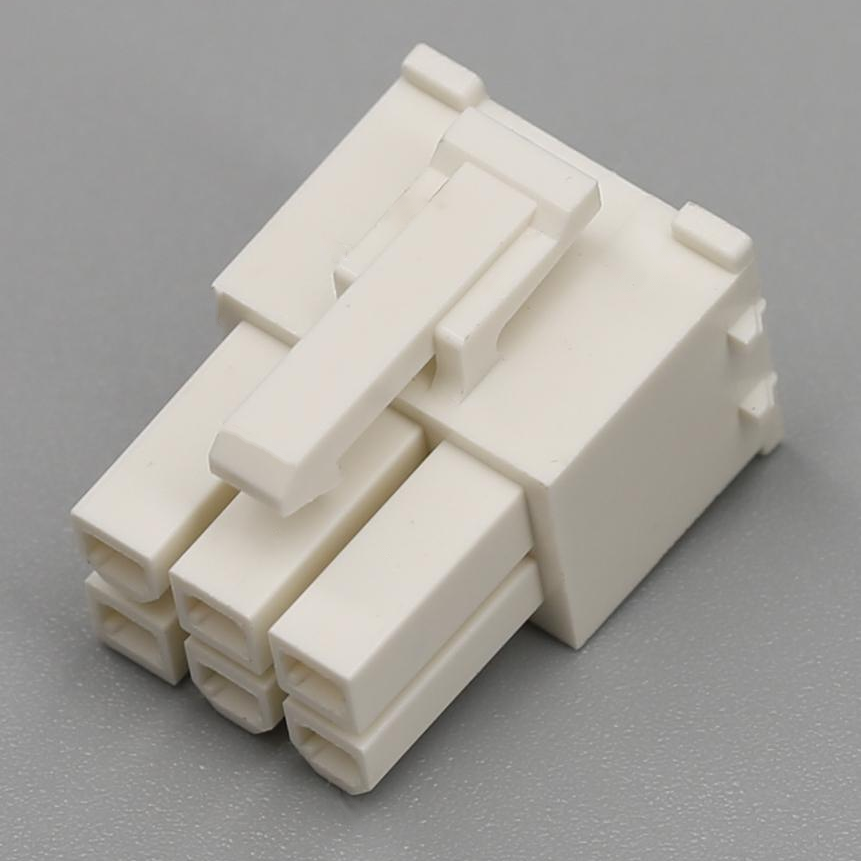
Electrical terminals serve as the critical connection points in electrical systems, enabling the safe and reliable transfer of electrical current between different components. These essential hardware components are found in virtually every electrical application, from simple household wiring to complex industrial automation systems. Understanding the various types of electrical terminals and their specific applications is crucial for engineers, electricians, and anyone working with electrical installations. The selection of appropriate electrical terminals directly impacts system reliability, safety, and long-term performance in any electrical project.
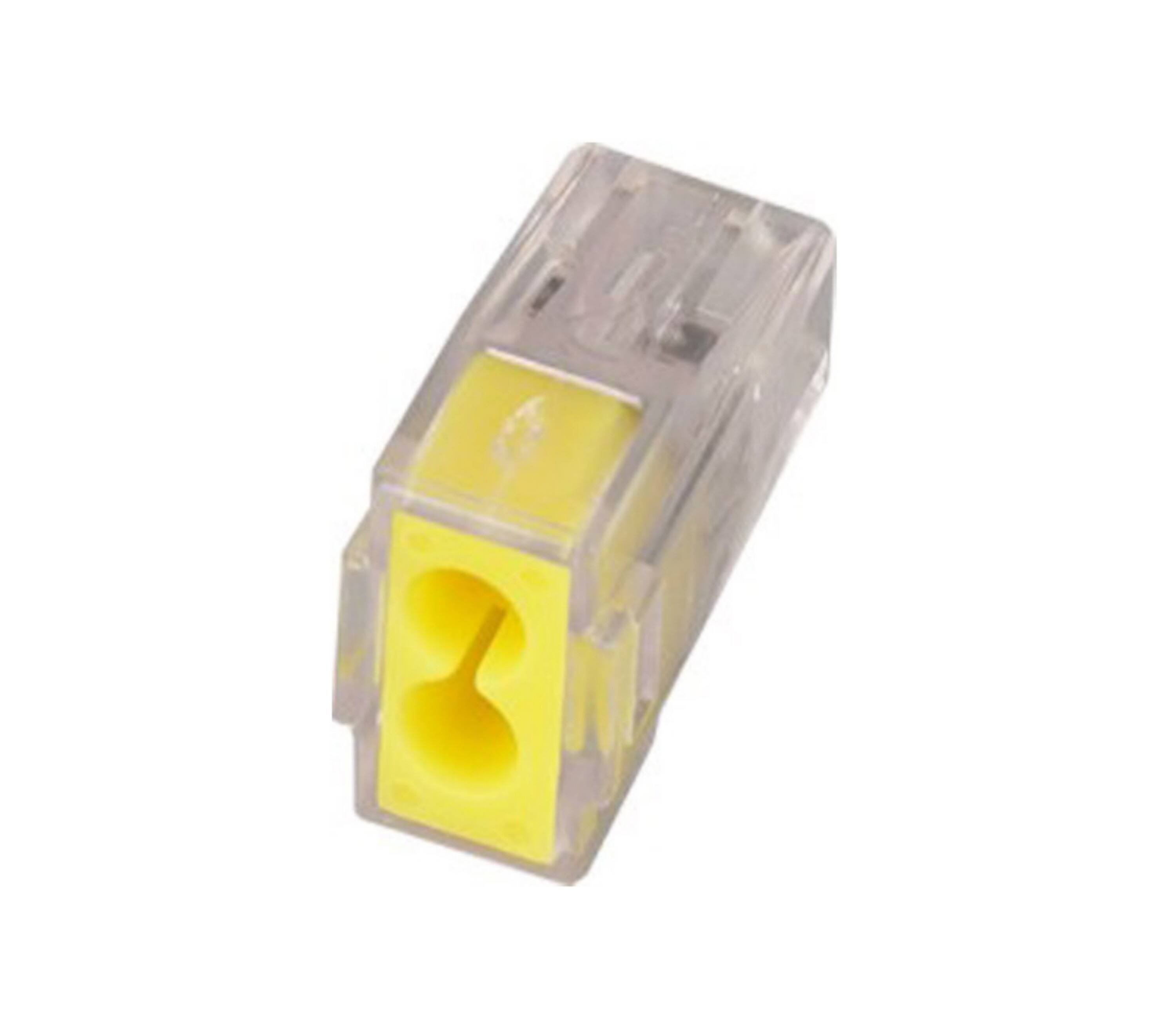
Understanding Terminal Block Connections
Screw Terminal Blocks
Screw terminal blocks represent one of the most widely used types of electrical terminals in industrial and commercial applications. These terminals feature a screw mechanism that secures wire connections through mechanical pressure, ensuring reliable electrical contact. The design allows for easy installation and maintenance, making them particularly suitable for applications where connections may need to be modified or serviced regularly. Screw terminal blocks accommodate various wire gauges and provide excellent holding power for solid and stranded conductors.
The construction of screw terminal blocks typically involves a metal contact carrier housed within an insulating body made from materials like polyamide or polycarbonate. These electrical terminals offer superior vibration resistance compared to many other connection methods, making them ideal for industrial environments subject to mechanical stress. The transparent or numbered housing options available with many screw terminal blocks facilitate easy identification and troubleshooting during system maintenance.
Spring Cage Terminal Systems
Spring cage terminals utilize a spring-loaded mechanism to maintain constant pressure on inserted conductors, eliminating the need for periodic retightening that screw terminals may require. These electrical terminals provide consistent connection quality over time, even when subjected to thermal cycling that can cause traditional terminals to loosen. The spring cage design accommodates both solid and stranded wires while maintaining optimal contact pressure throughout the terminal's operational life.
Installation of spring cage electrical terminals typically requires special tools or simple push-in mechanisms, depending on the specific design. This connection method offers significant advantages in applications where maintenance access is limited or where consistent performance is critical. The spring mechanism compensates for conductor expansion and contraction, maintaining reliable electrical contact under varying temperature conditions common in industrial environments.
Wire Connection Technologies
Crimp Terminal Applications
Crimp terminals create permanent connections through mechanical deformation that cold-welds the terminal to the conductor. This connection method provides excellent electrical conductivity and mechanical strength when properly executed with appropriate crimping tools. Crimp electrical terminals are available in numerous configurations, including ring, spade, butt, and specialty shapes designed for specific applications. The crimping process creates a gas-tight seal that prevents oxidation and maintains connection integrity over extended periods.
Quality crimp connections require proper tool selection, correct terminal sizing, and adherence to manufacturer specifications. These electrical terminals are commonly used in automotive, aerospace, and marine applications where vibration resistance and reliability are paramount. The variety of insulation types available, including heat-shrink, vinyl, and nylon options, allows crimp terminals to perform reliably in diverse environmental conditions.
Soldered Connection Methods
Soldered electrical terminals create metallurgical bonds between conductors and terminal hardware, providing excellent electrical conductivity and permanent connections. This connection method requires proper flux application, temperature control, and technique to achieve reliable results. Soldered connections excel in applications requiring minimal resistance and maximum current-carrying capacity, making them popular in high-performance electronic and power distribution systems.
The durability of soldered electrical terminals depends heavily on proper joint preparation, solder selection, and environmental protection. While soldering creates highly reliable connections, the permanent nature of these joints means that modifications or repairs may require desoldering and reconnection. Modern lead-free solders and improved flux formulations have enhanced the reliability and environmental compliance of soldered terminal connections.
Specialized Terminal Configurations
Barrier Strip Terminals
Barrier strip terminals feature individual compartments that isolate each connection point, preventing accidental short circuits and improving safety during installation and maintenance. These electrical terminals typically mount on standard DIN rails or directly to panels using integral mounting features. The barrier design facilitates organized wiring layouts and simplifies troubleshooting by clearly separating each circuit connection point.
Modern barrier strip electrical terminals often incorporate features like test points, LED indicators, and fuse holders to enhance functionality beyond simple wire connection. The modular nature of many barrier strip systems allows for custom configurations that match specific application requirements. These terminals are particularly valuable in control panels and junction boxes where multiple circuits converge and organization is critical for safety and maintenance.
Feed-Through Terminal Design
Feed-through terminals enable continuous conductor runs while providing access points for branch connections or test equipment. These electrical terminals maintain circuit continuity while allowing multiple connection points along a conductor's path. The design is particularly useful in distribution systems where main conductors must continue to downstream components while supplying power to intermediate loads.
The construction of feed-through electrical terminals typically involves multiple connection points within a single housing, with internal jumpers or bus bars maintaining electrical continuity. This configuration reduces the need for wire splicing and provides more reliable connections than traditional wire nuts or splice connectors. Feed-through terminals are commonly used in power distribution panels, motor control centers, and other applications requiring organized conductor distribution.
Industrial Terminal Applications
High-Current Terminal Solutions
High-current applications require specialized electrical terminals designed to handle substantial amperage while maintaining safe operating temperatures. These terminals typically feature enlarged contact areas, enhanced heat dissipation, and robust mounting systems to manage the mechanical and thermal stresses associated with high-current operation. Material selection becomes critical, with copper and silver-plated contacts providing optimal conductivity for demanding applications.
The design of high-current electrical terminals often incorporates multiple connection points or laminated contact structures to distribute current load evenly. Proper torque specifications become crucial for these applications, as inadequate tightening can result in increased resistance, heat generation, and potential failure. Many high-current terminals include features like torque indicators or break-away screws to ensure proper installation and prevent over-tightening damage.
Environmental Protection Features
Environmental conditions significantly impact the selection and performance of electrical terminals in industrial applications. Terminals exposed to moisture, chemicals, extreme temperatures, or corrosive atmospheres require specialized materials and protective features. Stainless steel hardware, specialized platings, and environmental sealing become essential for maintaining long-term reliability in harsh conditions.
Modern electrical terminals designed for challenging environments often incorporate features like IP-rated enclosures, corrosion-resistant coatings, and sealed connection chambers. The selection of appropriate terminal types for specific environmental conditions requires careful consideration of factors like temperature range, humidity levels, chemical exposure, and potential contamination sources. Proper environmental protection extends terminal life and maintains system reliability in demanding industrial applications.
Installation and Maintenance Considerations
Proper Installation Techniques
Correct installation procedures are essential for achieving reliable performance from electrical terminals regardless of their type or application. Proper conductor preparation, including stripping length and end treatment, directly impacts connection quality and long-term reliability. Many terminal failures can be traced to inadequate preparation or improper installation techniques that compromise the electrical and mechanical integrity of connections.
Installation of electrical terminals requires attention to manufacturer specifications regarding wire gauge compatibility, stripping lengths, and tightening torques. The use of appropriate tools, including properly calibrated torque wrenches and quality stripping implements, ensures consistent results and prevents damage to terminal components. Regular training on proper installation techniques helps maintain high-quality connections throughout electrical system installations.
Maintenance and Inspection Protocols
Regular inspection and maintenance of electrical terminals are crucial for preventing failures and ensuring continued system reliability. Visual inspection can identify signs of overheating, corrosion, or mechanical damage that may indicate developing problems. Thermal imaging surveys can detect elevated temperatures at terminal connections, often indicating loose connections or excessive resistance that requires attention.
Maintenance procedures for electrical terminals should include verification of connection tightness, assessment of conductor condition, and evaluation of environmental protection integrity. The frequency and extent of maintenance activities depend on factors like environmental conditions, current levels, and criticality of the connected systems. Proper documentation of maintenance activities helps establish patterns and optimize maintenance intervals for specific applications and terminal types.
FAQ
What factors should be considered when selecting electrical terminals for industrial applications
When selecting electrical terminals for industrial use, consider the current rating requirements, environmental conditions, wire gauge compatibility, and installation accessibility. The operating temperature range, potential exposure to chemicals or moisture, and vibration levels in the installation environment significantly impact terminal selection. Additionally, evaluate the need for future modifications, maintenance requirements, and compliance with relevant electrical codes and standards.
How do spring cage terminals compare to screw terminals in terms of reliability
Spring cage terminals typically provide more consistent long-term reliability because they maintain constant pressure on conductors, compensating for thermal expansion and contraction. While screw terminals offer excellent initial connection quality, they may require periodic retightening, especially in applications with temperature cycling. Spring cage electrical terminals also reduce installation time and eliminate the risk of over-tightening that can damage conductors or terminal components.
What are the most common causes of electrical terminal failures
The most frequent causes of electrical terminal failures include loose connections due to inadequate installation torque, corrosion from environmental exposure, and thermal damage from overloading or poor connections. Mechanical stress from vibration, improper wire preparation, and using terminals beyond their rated specifications also contribute to premature failures. Regular inspection and maintenance can prevent many of these issues and extend terminal service life.
How important is proper torque specification when installing screw-type electrical terminals
Proper torque specification is critical for screw-type electrical terminals because it ensures optimal contact pressure without damaging the conductor or terminal components. Under-tightening results in increased resistance, heat generation, and potential connection failure, while over-tightening can damage conductors, strip threads, or crack terminal housings. Following manufacturer torque recommendations and using calibrated tools helps achieve reliable connections and prevents premature terminal failure.
Table of Contents
- Understanding Terminal Block Connections
- Wire Connection Technologies
- Specialized Terminal Configurations
- Industrial Terminal Applications
- Installation and Maintenance Considerations
-
FAQ
- What factors should be considered when selecting electrical terminals for industrial applications
- How do spring cage terminals compare to screw terminals in terms of reliability
- What are the most common causes of electrical terminal failures
- How important is proper torque specification when installing screw-type electrical terminals

