
 EN
EN



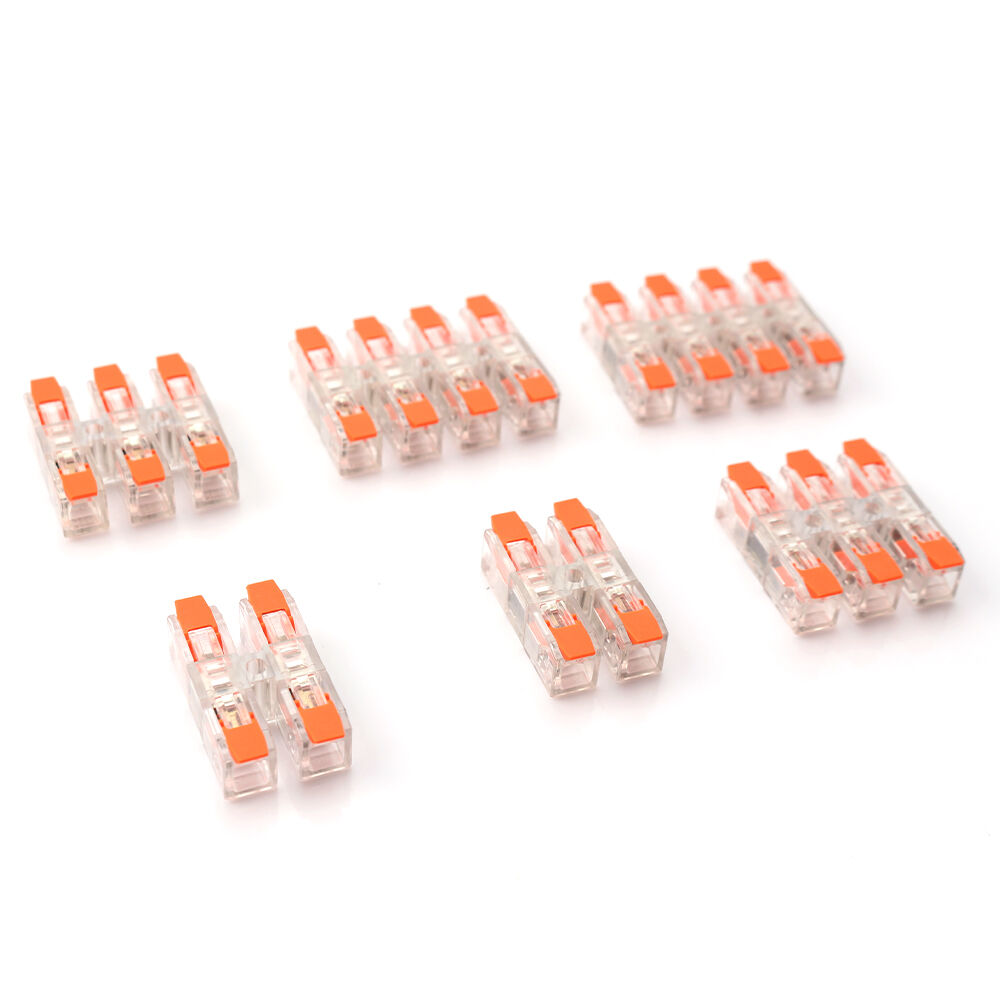
Selecting the right terminal connectors for your electrical applications requires careful evaluation of multiple factors that directly impact system performance and reliability. These critical components serve as the backbone of electrical connections in industrial, automotive, and commercial environments. Understanding how to assess terminal connectors for durability and compatibility ensures optimal system operation while minimizing maintenance costs and potential failures over time.
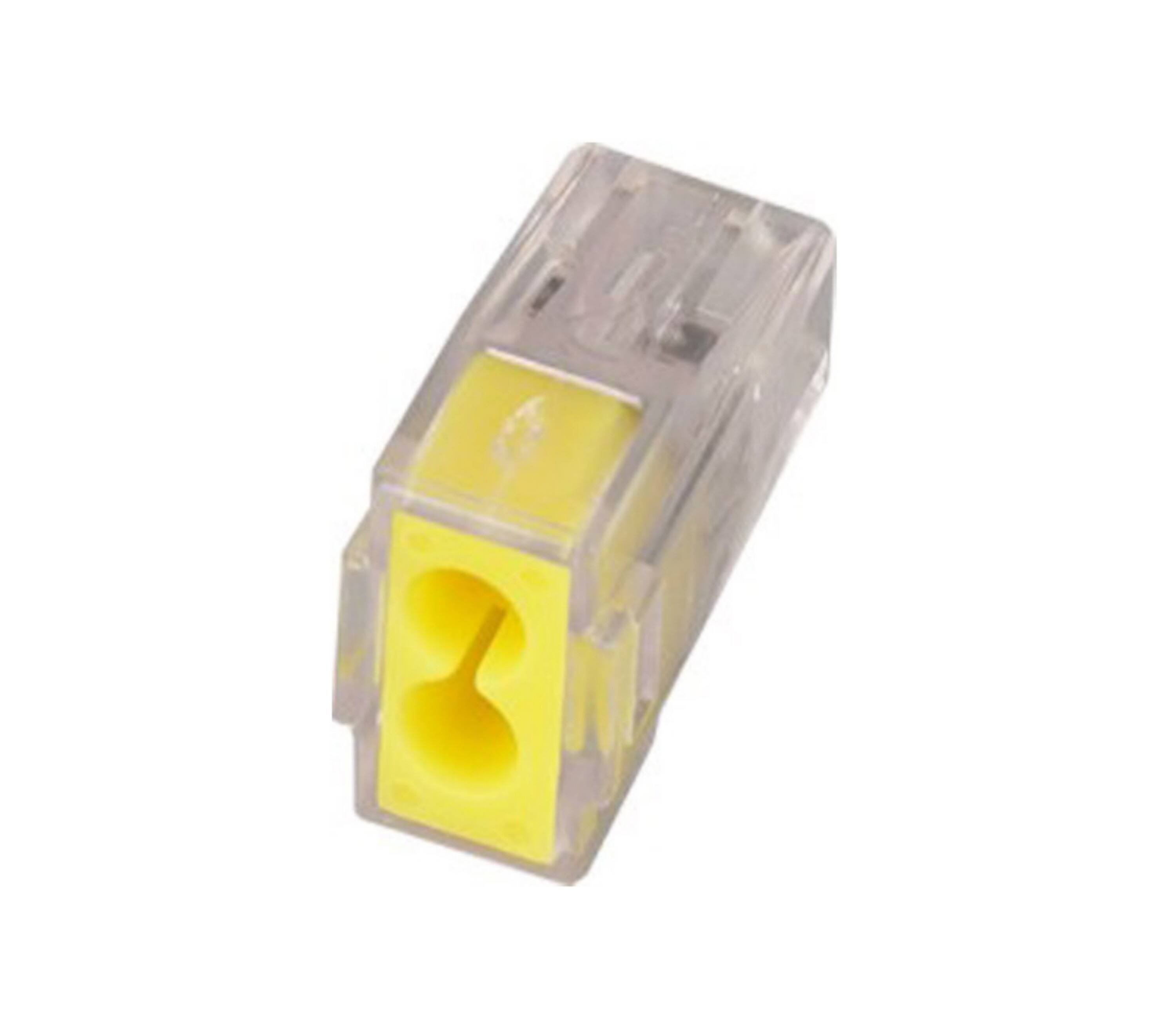
Material Quality and Construction Standards
Base Metal Selection Criteria
The foundation of reliable terminal connectors lies in their base metal composition and manufacturing quality. High-grade copper alloys provide excellent conductivity and corrosion resistance, making them ideal for demanding applications. Brass and phosphor bronze materials offer enhanced spring characteristics and durability under repeated connection cycles. When evaluating terminal connectors, examine the material specifications and verify compliance with industry standards such as UL, IEC, or VDE requirements.
Surface treatments play an equally important role in connector longevity and performance. Tin plating provides cost-effective protection against oxidation while maintaining good solderability. Silver plating offers superior conductivity but requires careful consideration of environmental conditions to prevent tarnishing. Gold plating delivers exceptional corrosion resistance and low contact resistance but comes at a higher cost, making it suitable for critical applications where reliability is paramount.
Insulation Material Properties
The insulating material surrounding terminal connectors must withstand environmental stresses while maintaining electrical integrity. Thermoplastic materials like nylon and polycarbonate offer excellent mechanical strength and temperature stability for general applications. Thermosetting plastics provide superior heat resistance and dimensional stability under extreme conditions. Consider the operating temperature range, chemical exposure, and UV resistance requirements when evaluating insulation materials.
Flame retardancy ratings become critical in applications where fire safety is a concern. Look for terminal connectors with UL 94 V-0 or V-1 ratings to ensure compliance with safety standards. The insulation material should also demonstrate low smoke and toxicity characteristics in fire scenarios, particularly for enclosed spaces or public buildings where human safety is a primary consideration.
Electrical Performance Parameters
Current Carrying Capacity Assessment
Proper current rating evaluation ensures that terminal connectors can handle the expected electrical load without overheating or degradation. Manufacturer specifications typically provide current ratings based on standard ambient temperatures and ventilation conditions. However, real-world applications often involve elevated temperatures, restricted airflow, or bundled installations that require derating calculations to maintain safe operation.
Temperature rise testing reveals how terminal connectors perform under actual load conditions. Quality connectors should maintain temperature rise within acceptable limits as defined by relevant standards. Excessive temperature rise indicates poor contact design, inadequate material selection, or manufacturing defects that could lead to premature failure or safety hazards in operation.
Voltage and Insulation Performance
Voltage ratings encompass both the nominal operating voltage and the maximum surge voltage that terminal connectors can withstand safely. Evaluate the clearance and creepage distances between conductors to ensure adequate electrical isolation. These parameters become increasingly important in high-voltage applications or environments with contamination that could reduce effective insulation distances.
Dielectric strength testing validates the insulation performance under overvoltage conditions. Quality terminal connectors should demonstrate consistent dielectric strength across their operating temperature range and after exposure to environmental stresses. Consider altitude effects on dielectric performance for applications at elevated locations where reduced air density affects breakdown voltage characteristics.
Environmental Resistance and Durability Factors
Temperature Cycling and Thermal Stability
Terminal connectors must maintain their performance characteristics across the expected temperature range of the application. Thermal cycling tests reveal how repeated expansion and contraction affect contact pressure and electrical resistance. Materials with different thermal expansion coefficients can create stress concentrations that lead to connection loosening or mechanical failure over time.
Long-term thermal aging tests provide insight into material degradation and performance stability. Quality terminal connectors should retain their mechanical and electrical properties after extended exposure to elevated temperatures. Consider the cumulative effects of thermal stress, especially in applications with frequent temperature variations or continuous high-temperature operation.
Chemical and Corrosion Resistance
Environmental exposure to chemicals, moisture, and corrosive gases can significantly impact terminal connector performance and lifespan. Salt spray testing simulates marine or coastal environments where chloride exposure accelerates corrosion processes. Industrial environments may involve exposure to acids, bases, solvents, or other chemicals that require specific material compatibility considerations.
Galvanic corrosion becomes a concern when dissimilar metals are present in the connection system. Evaluate the compatibility between terminal connector materials and the conductors or other components in the circuit. Proper material selection and protective coatings can prevent galvanic corrosion and ensure long-term reliability in challenging environments.
Mechanical Design and Installation Considerations
Connection Reliability and Contact Design
The mechanical design of terminal connectors directly affects their ability to maintain reliable electrical connections under various stress conditions. Spring-loaded contacts provide consistent contact pressure despite conductor thermal expansion or mechanical vibration. Screw-type terminals offer adjustable clamping force but require proper torque application and periodic maintenance to prevent loosening.
Wire accommodation range and stranding compatibility ensure proper fit between conductors and terminal connectors. Evaluate the minimum and maximum wire sizes that can be reliably terminated, considering both solid and stranded conductor types. Proper contact area maximizes current carrying capacity while minimizing electrical resistance and heat generation.
Vibration and Shock Resistance
Applications involving mechanical vibration or shock loading require terminal connectors with enhanced mechanical stability. Vibration can cause connection loosening, fretting corrosion, or complete disconnection in poorly designed systems. Look for terminal connectors with proven performance in vibration testing according to relevant standards such as MIL-STD or IEC specifications.
Strain relief provisions protect both the conductor and the terminal connection from mechanical stress. Proper cable management and support prevent excessive force transmission to the connection point. Consider the installation environment and potential sources of mechanical stress when evaluating terminal connector designs and mounting requirements.
Compatibility and System Integration
Standards Compliance and Certification
Terminal connectors must comply with relevant industry standards to ensure compatibility and safety in their intended applications. UL listing provides assurance of safety compliance for North American markets, while VDE or ENEC certification addresses European requirements. International standards such as IEC provide globally recognized performance criteria for terminal connector evaluation.
Industry-specific standards may impose additional requirements for terminal connectors used in specialized applications. Railway applications require compliance with EN standards for fire performance and electromagnetic compatibility. Medical equipment applications demand biocompatibility and enhanced safety margins. Evaluate the specific standards applicable to your industry and application requirements.
Dimensional and Interface Compatibility
Physical dimensions and mounting configurations must align with existing system requirements and space constraints. Pitch spacing between terminals affects panel density and wire routing considerations. Height restrictions may limit terminal connector selection in compact assemblies or confined spaces where clearance is critical.
Interface compatibility extends beyond physical dimensions to include electrical characteristics and system integration requirements. Consider voltage and current ratings in relation to system requirements, ensuring adequate safety margins without unnecessary over-specification that increases costs. Evaluate the ease of installation, maintenance access, and potential for field modifications when selecting terminal connector designs.
Testing and Validation Procedures
Performance Verification Methods
Comprehensive testing validates terminal connector performance under actual operating conditions and stress scenarios. Contact resistance measurements provide baseline performance data and enable monitoring of degradation over time. Temperature rise testing under rated load conditions confirms thermal performance and identifies potential hot spots or design deficiencies.
Mechanical testing evaluates the durability of terminal connectors under repeated connection cycles, vibration exposure, and mechanical stress. Insertion and withdrawal force measurements ensure proper contact engagement without excessive force requirements that could damage conductors or compromise connections. Torque retention testing validates screw-type terminals' ability to maintain proper clamping force over time.
Accelerated Life Testing
Accelerated aging tests simulate years of service life in compressed timeframes to predict long-term performance and reliability. Temperature cycling, humidity exposure, and salt spray testing reveal potential failure modes and degradation mechanisms. These tests help establish maintenance schedules and replacement intervals for critical applications.
Environmental stress screening identifies weak components or design defects that could cause premature failures in service. Thermal shock testing exposes terminal connectors to rapid temperature changes that stress materials and joint integrity. Combined environmental tests simulate real-world conditions where multiple stress factors interact to affect performance and reliability.
Cost-Effectiveness and Lifecycle Considerations
Initial Investment Versus Long-Term Value
Evaluating terminal connectors requires balancing initial cost against total lifecycle value including installation, maintenance, and replacement costs. Premium materials and manufacturing processes may increase upfront costs but provide superior reliability and extended service life. Consider the cost implications of system downtime, maintenance access, and replacement labor when comparing alternatives.
Standardization on fewer terminal connector types can reduce inventory costs and simplify maintenance procedures. However, application-specific optimization may justify the complexity of maintaining multiple connector types. Evaluate the trade-offs between standardization benefits and performance optimization for your specific requirements and operating conditions.
Maintenance and Serviceability
Maintenance requirements vary significantly between different terminal connector designs and materials. Screw terminals may require periodic torque checking to maintain proper contact pressure, while spring-loaded designs typically need minimal maintenance. Consider the accessibility of connections for inspection and maintenance when evaluating terminal connector options.
Documentation and traceability become important factors in critical applications where failure analysis or regulatory compliance is required. Quality terminal connector manufacturers provide comprehensive technical documentation, test data, and material certifications. Maintain records of terminal connector specifications, installation dates, and maintenance history to support reliability analysis and optimization efforts.
FAQ
How often should terminal connectors be inspected for signs of wear or degradation?
Inspection frequency depends on the application environment and criticality of the system. General industrial applications typically require annual inspections, while harsh environments or critical systems may need quarterly or monthly checks. Look for signs of overheating, corrosion, loose connections, or physical damage during routine maintenance. Thermal imaging can detect developing problems before visible signs appear.
What are the most common failure modes in terminal connectors and how can they be prevented?
The most frequent failure modes include contact corrosion, mechanical loosening, and thermal degradation from overheating. Prevention strategies include proper material selection for the environment, correct installation torque, adequate current derating, and regular maintenance. Using quality terminal connectors with appropriate environmental ratings significantly reduces failure risks in demanding applications.
Can different terminal connector brands be mixed within the same system safely?
Mixing brands is generally acceptable if all components meet the same performance standards and are compatible with system requirements. However, ensure that material compatibility, voltage ratings, and mechanical dimensions are consistent. Standardizing on a single manufacturer's products often provides better technical support and simplifies maintenance procedures, but is not always necessary for safe operation.
How do environmental factors affect terminal connector selection and performance?
Environmental factors significantly influence terminal connector performance and lifespan. Temperature extremes affect material properties and thermal expansion, while humidity and chemical exposure accelerate corrosion processes. Vibration and mechanical stress can cause connection loosening or fatigue failures. Select terminal connectors with environmental ratings that exceed your application requirements to ensure reliable long-term performance.
Table of Contents
- Material Quality and Construction Standards
- Electrical Performance Parameters
- Environmental Resistance and Durability Factors
- Mechanical Design and Installation Considerations
- Compatibility and System Integration
- Testing and Validation Procedures
- Cost-Effectiveness and Lifecycle Considerations
-
FAQ
- How often should terminal connectors be inspected for signs of wear or degradation?
- What are the most common failure modes in terminal connectors and how can they be prevented?
- Can different terminal connector brands be mixed within the same system safely?
- How do environmental factors affect terminal connector selection and performance?

