
 EN
EN



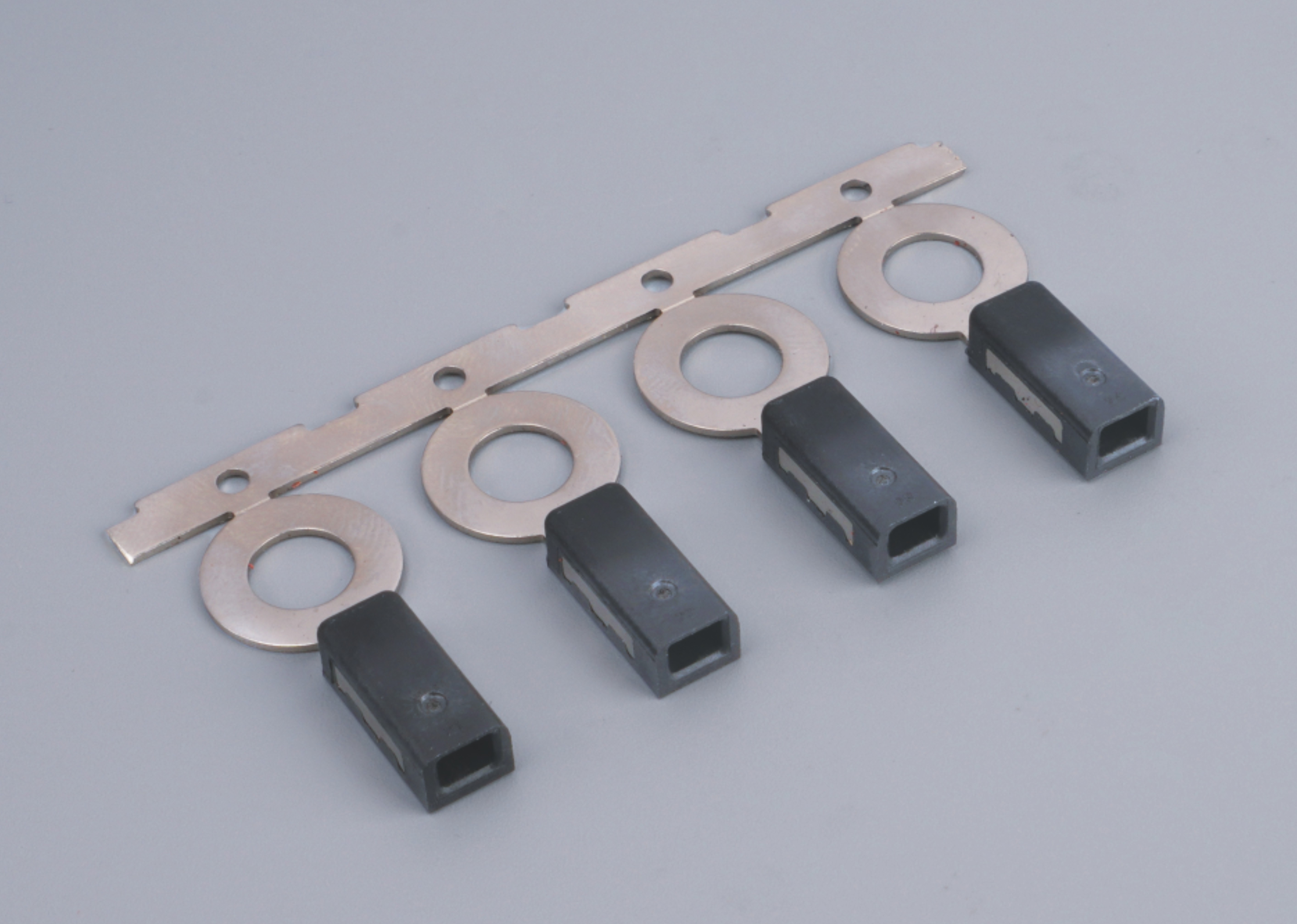
Electrical circuits demand precise engineering to ensure optimal performance and minimal power loss. Among the critical components that influence circuit efficiency, pin terminals play a fundamental role in determining overall electrical resistance. These specialized connectors serve as essential bridges between different circuit elements, directly impacting current flow and system reliability. Understanding how pin terminals reduce electrical resistance requires examining their design principles, material composition, and implementation strategies within modern electronic systems.
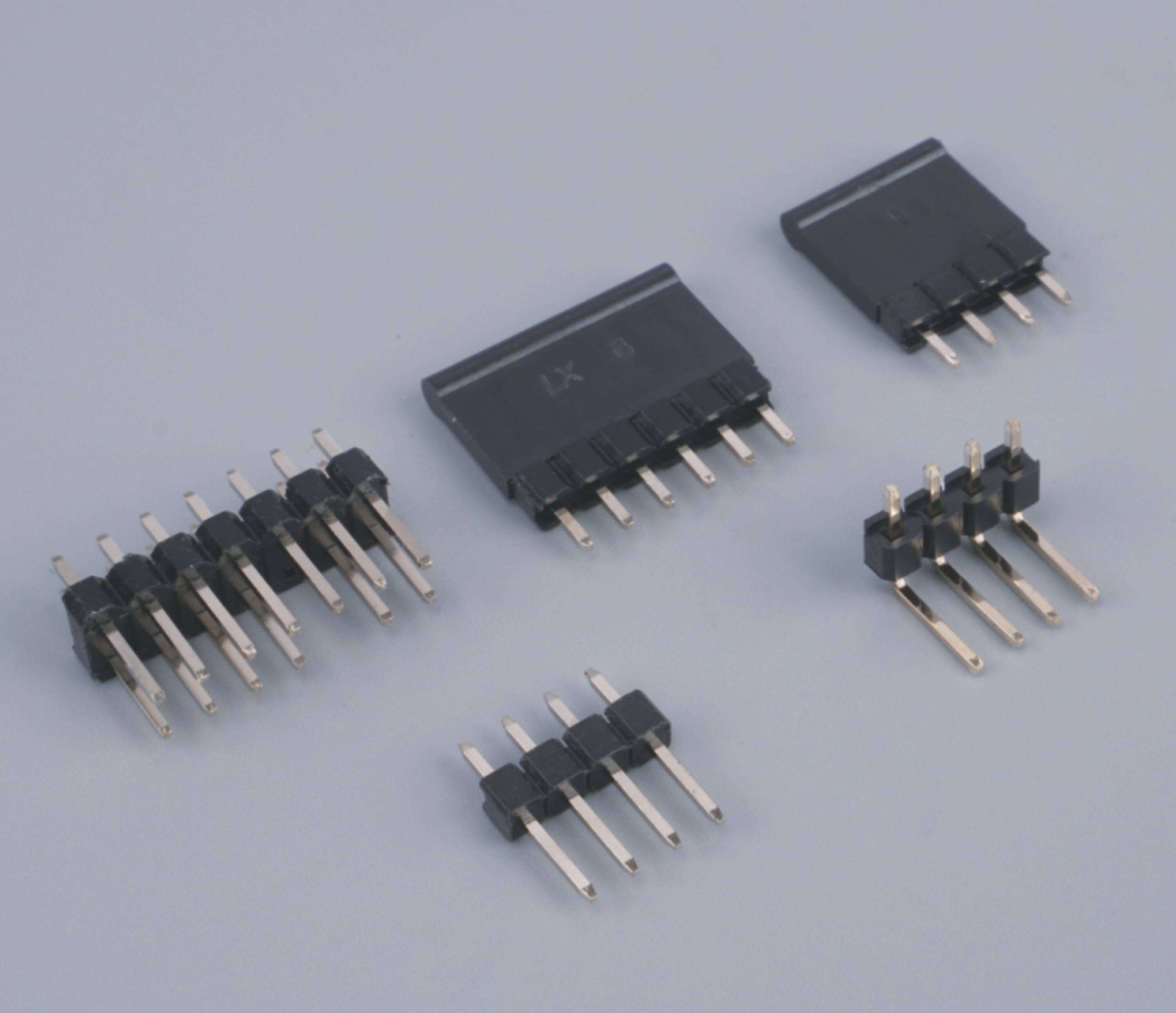
The significance of minimizing electrical resistance in circuits extends beyond theoretical considerations to practical applications across industries. From consumer electronics to industrial automation systems, reduced resistance translates to improved energy efficiency, enhanced signal integrity, and extended component lifespan. Professional engineers and technicians recognize that proper terminal selection and implementation can dramatically influence overall system performance while reducing operational costs and maintenance requirements.
Understanding Electrical Resistance in Terminal Connections
Fundamental Principles of Contact Resistance
Contact resistance emerges as the primary source of electrical impedance within terminal connections, occurring at the interface between conducting surfaces. This phenomenon results from microscopic surface irregularities, oxidation layers, and contamination that create barriers to current flow. The magnitude of contact resistance depends heavily on contact force, surface area, material properties, and environmental conditions affecting the connection interface.
Surface preparation and material selection significantly influence contact resistance characteristics in terminal applications. High-quality pin terminals feature precisely machined contact surfaces with specific surface roughness parameters optimized for minimal resistance. The contact normal force distribution across the interface determines the effective contact area, which directly correlates to resistance values according to well-established electrical engineering principles.
Material Conductivity and Interface Effects
Different conductor materials exhibit varying levels of electrical conductivity, directly affecting terminal performance characteristics. Copper-based alloys dominate terminal manufacturing due to their excellent conductivity properties, while gold plating provides superior corrosion resistance and stable contact characteristics. The choice of base material and surface treatment creates significant differences in long-term resistance stability and environmental performance.
Interface effects between dissimilar materials can introduce additional resistance sources through galvanic corrosion and thermal expansion mismatches. Professional terminal designs account for these factors through careful material selection and specialized coating technologies that maintain consistent electrical properties across operating temperature ranges and environmental conditions.
Design Features That Minimize Resistance
Contact Geometry and Surface Area Optimization
Modern pin terminals incorporate sophisticated contact geometries designed to maximize effective surface area while maintaining reliable mechanical connections. Multiple contact points distribute current flow across larger areas, reducing current density and associated resistance heating effects. Spring-loaded contact mechanisms ensure consistent contact force throughout the connection lifespan, compensating for thermal cycling and mechanical wear.
Advanced terminal designs feature precisely controlled contact normal forces that balance mechanical reliability with electrical performance. Too little force results in poor electrical contact and increased resistance, while excessive force can damage components or create stress concentrations. Optimal force levels are determined through extensive testing and engineering analysis specific to each terminal application and environment.
Plating Technologies and Surface Treatments
Surface plating technologies play crucial roles in maintaining low resistance characteristics over extended operating periods. Gold plating provides exceptional corrosion resistance and stable contact properties, making it ideal for critical applications requiring long-term reliability. Silver plating offers superior conductivity but requires careful environmental consideration due to tarnishing susceptibility in certain conditions.
Specialized surface treatments beyond traditional plating include selective area plating, diffusion barriers, and composite coatings engineered for specific performance requirements. These advanced treatments address challenges such as fretting corrosion, wear resistance, and chemical compatibility while maintaining optimal electrical characteristics throughout the operational lifespan.
Material Selection for Low Resistance Applications
Copper Alloy Base Materials
Copper-based alloys form the foundation of high-performance terminal construction due to their excellent electrical conductivity and mechanical properties. Phosphor bronze alloys provide superior spring characteristics while maintaining good conductivity, making them ideal for applications requiring repeated mating cycles. Beryllium copper offers exceptional strength and fatigue resistance for demanding applications, though handling precautions are necessary due to material toxicity concerns.
The selection of specific copper alloy compositions depends on application requirements including current carrying capacity, environmental conditions, and mechanical stress factors. Engineering teams evaluate trade-offs between conductivity, strength, corrosion resistance, and cost to optimize terminal performance for specific applications while meeting regulatory and safety requirements.
Precious Metal Plating Systems
Precious metal plating systems provide superior electrical and environmental performance characteristics essential for critical applications. Gold plating thickness specifications typically range from 0.5 to 2.5 micrometers depending on application severity and expected service life. Proper underplating with nickel or other barrier metals prevents base material migration and ensures long-term plating adhesion.
Advanced plating systems incorporate multiple layers designed for specific performance attributes, including wear resistance, environmental protection, and electrical stability. Pin terminals with optimized plating systems demonstrate measurably lower resistance values and superior long-term stability compared to standard commercial alternatives, making them essential for precision electronic applications.
Installation Techniques for Optimal Performance
Proper Connection Methods
Correct installation techniques significantly influence the final resistance characteristics of terminal connections. Proper crimping procedures ensure optimal contact force distribution and mechanical integrity while minimizing electrical resistance. Crimping tool selection, die design, and operator training all contribute to achieving consistent, low-resistance connections across production quantities.
Soldering techniques for terminal applications require careful temperature control and flux selection to prevent damage while ensuring reliable electrical connections. Lead-free solder compositions present additional challenges requiring modified temperature profiles and compatible flux chemistries. Professional installation procedures include specific quality control measures to verify connection integrity and electrical performance.
Environmental Considerations and Protection
Environmental protection measures significantly impact long-term resistance stability in terminal applications. Proper sealing techniques prevent moisture intrusion and contamination that can increase contact resistance over time. Conformal coating applications provide additional protection while maintaining electrical accessibility for testing and maintenance procedures.
Temperature cycling effects must be considered during installation planning, as differential thermal expansion can create mechanical stress and affect contact integrity. Proper strain relief and mechanical support prevent damage from thermal movement while maintaining optimal electrical characteristics throughout the operating temperature range.
Testing and Measurement Protocols
Resistance Measurement Techniques
Accurate resistance measurement requires specialized techniques and equipment designed for low-resistance applications. Four-wire measurement methods eliminate lead resistance effects and provide precise contact resistance values essential for quality control and performance verification. Measurement current levels must be carefully controlled to prevent heating effects that can influence resistance readings.
Statistical sampling protocols ensure representative resistance measurements across production quantities while identifying potential quality issues. Data collection and analysis procedures track resistance trends over time, enabling proactive maintenance and quality improvement initiatives. Automated testing systems provide consistent measurement conditions and reduce operator variability in critical applications.
Long-term Performance Monitoring
Long-term monitoring protocols track resistance changes over operational lifespans to verify performance predictions and identify potential failure modes. Accelerated aging tests simulate environmental conditions and operational stresses to predict long-term reliability characteristics. These testing protocols provide essential data for maintenance scheduling and replacement planning in critical applications.
Performance monitoring systems can integrate with facility management systems to provide real-time resistance monitoring and alert capabilities. Trending analysis identifies gradual performance degradation before critical failure occurs, enabling proactive maintenance and system optimization. This data-driven approach maximizes system reliability while minimizing maintenance costs and operational disruptions.
Applications Across Industries
Automotive Electronics Integration
Automotive applications demand pin terminals capable of withstanding harsh environmental conditions while maintaining consistently low electrical resistance. Vehicle electrical systems operate in environments with extreme temperature variations, vibration, moisture, and chemical exposure that challenge conventional terminal designs. Advanced automotive terminals incorporate specialized sealing systems and materials engineered for these demanding conditions.
Electric vehicle applications present additional challenges requiring terminals capable of handling high current levels while maintaining minimal resistance to maximize efficiency. Battery management systems and power electronics rely on precision terminals to ensure optimal energy transfer and system reliability. These applications drive continued innovation in terminal materials and design technologies.
Industrial Control Systems
Industrial control applications require terminals that maintain stable electrical characteristics throughout extended operational periods in challenging environments. Process control systems depend on signal integrity and measurement accuracy that can be compromised by resistance variations in terminal connections. High-reliability terminals designed for industrial applications incorporate features specifically addressing these performance requirements.
Safety systems and emergency shutdown equipment rely on terminals with proven reliability characteristics and predictable performance under extreme conditions. These critical applications require comprehensive testing and certification to ensure compliance with safety standards and regulatory requirements. Terminal selection for safety applications prioritizes long-term reliability over initial cost considerations.
Future Developments in Terminal Technology
Advanced Material Systems
Emerging material technologies promise significant improvements in terminal electrical performance and environmental resistance. Nanotechnology applications include surface treatments and coating systems engineered at the molecular level for optimal electrical characteristics. These advanced materials offer potential for dramatically reduced contact resistance while improving durability and environmental resistance.
Composite material systems combine multiple materials to optimize specific performance characteristics while maintaining cost-effectiveness. Research into conductive polymers and hybrid organic-inorganic materials may provide alternatives to traditional metal systems for specialized applications requiring unique performance combinations.
Smart Terminal Technologies
Integration of sensing capabilities within terminal designs enables real-time monitoring of electrical and mechanical performance characteristics. Smart terminals can provide feedback on connection integrity, resistance levels, and environmental conditions to support predictive maintenance strategies. These technologies represent significant advances in system monitoring and reliability optimization.
Wireless communication capabilities integrated into terminal designs could revolutionize system monitoring and diagnostics. Remote monitoring systems enable continuous performance assessment without physical access requirements, particularly valuable for installations in hazardous or inaccessible locations. This technology development supports the broader trend toward intelligent infrastructure and Industry 4.0 implementations.
FAQ
What factors most significantly influence contact resistance in pin terminals
Contact resistance in pin terminals is primarily influenced by contact force, surface area, material conductivity, and surface condition. Higher contact forces generally reduce resistance by increasing the effective contact area, while surface contamination or oxidation can significantly increase resistance. Material selection, particularly the choice of plating systems, dramatically affects both initial resistance and long-term stability characteristics.
How do environmental conditions affect terminal resistance over time
Environmental factors including humidity, temperature cycling, chemical exposure, and vibration can cause resistance increases through various mechanisms. Moisture can promote corrosion and oxidation at contact interfaces, while temperature cycling creates mechanical stress that may degrade contact integrity. Proper sealing and material selection are essential for maintaining stable resistance characteristics in challenging environments.
What measurement techniques provide accurate contact resistance values
Four-wire measurement techniques provide the most accurate contact resistance measurements by eliminating lead resistance effects. Test current levels should be carefully controlled to prevent heating effects, and multiple measurements at different current levels can verify measurement accuracy. Proper test fixture design ensures consistent contact conditions and reduces measurement variability across samples.
How do different plating materials compare for low resistance applications
Gold plating provides exceptional stability and corrosion resistance but at higher cost, making it ideal for critical applications. Silver offers superior conductivity but requires environmental protection due to tarnishing susceptibility. Tin plating provides good performance at lower cost but may be susceptible to whisker formation and corrosion in certain environments. The optimal choice depends on specific application requirements and environmental conditions.
Table of Contents
- Understanding Electrical Resistance in Terminal Connections
- Design Features That Minimize Resistance
- Material Selection for Low Resistance Applications
- Installation Techniques for Optimal Performance
- Testing and Measurement Protocols
- Applications Across Industries
- Future Developments in Terminal Technology
- FAQ

