
 EN
EN



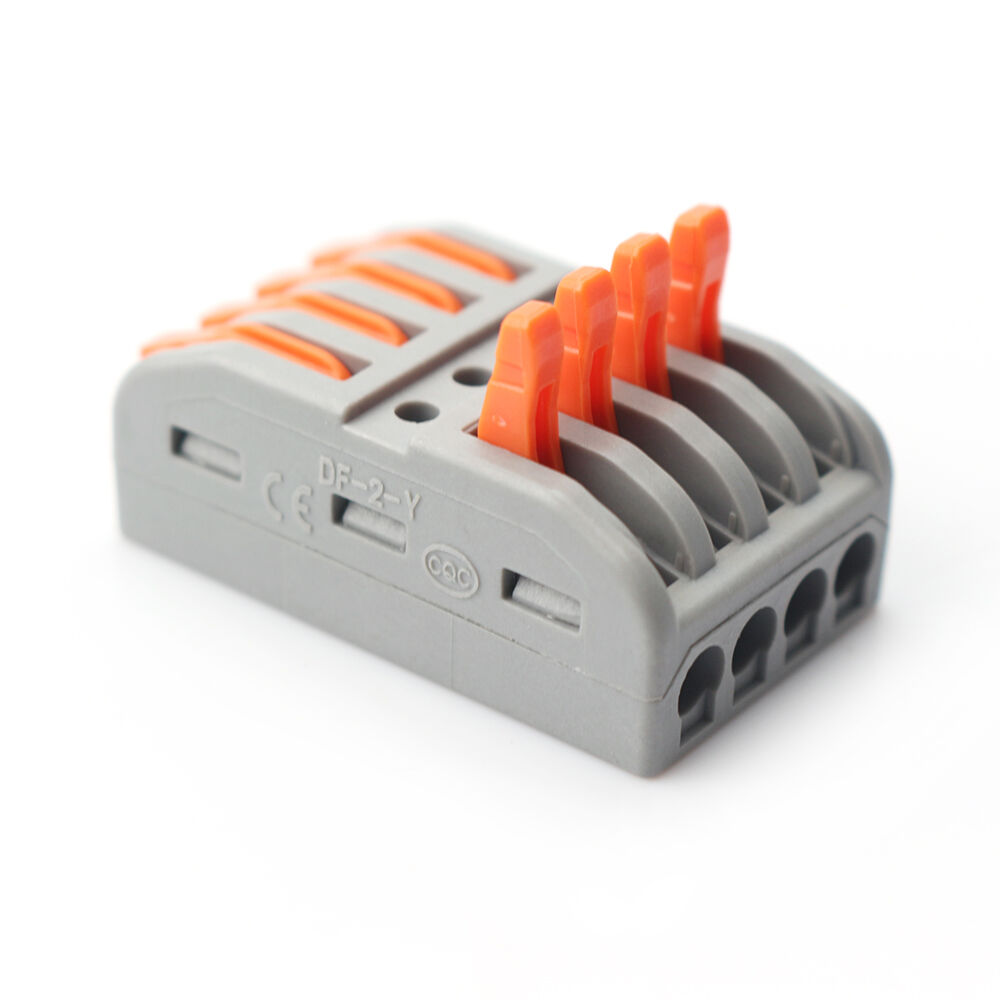
In the rapidly evolving world of electronics manufacturing, wire to board connectors serve as the critical interface between flexible wiring harnesses and rigid printed circuit boards. These essential components enable seamless electrical connections across countless electronic devices, from consumer gadgets to industrial machinery. Understanding their applications helps engineers and manufacturers select the most appropriate connector solutions for their specific requirements.
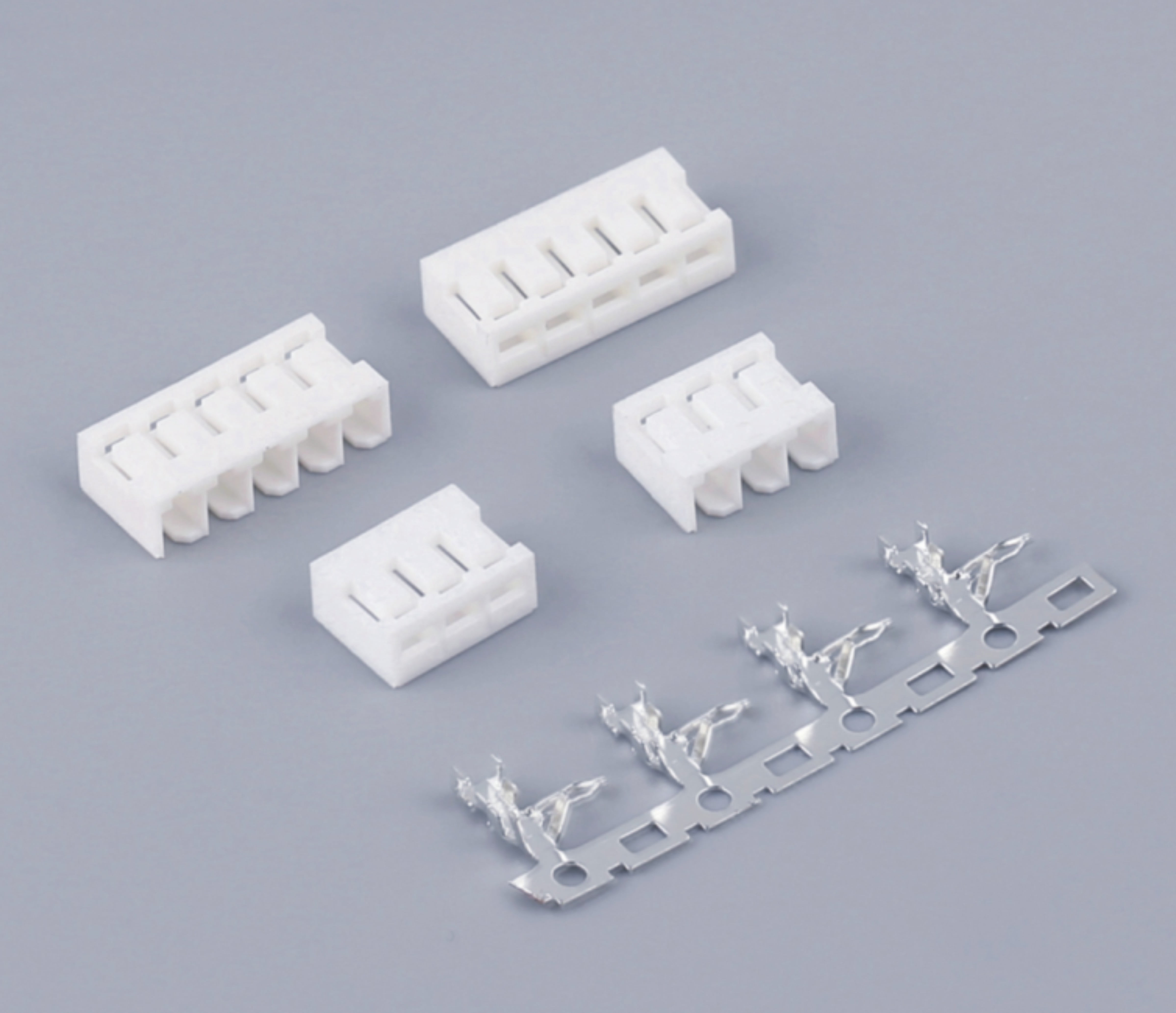
The versatility of wire to board connectors makes them indispensable across multiple industries and applications. These components facilitate power delivery, signal transmission, and data communication while maintaining reliable connections under various environmental conditions. Their design flexibility accommodates different pitch requirements, contact configurations, and mounting styles to meet diverse engineering challenges.
Consumer Electronics Applications
Mobile Device Connectivity
Modern smartphones and tablets rely heavily on wire to board connectors for internal component integration. These connectors link flexible flat cables to main circuit boards, enabling connections between displays, cameras, speakers, and battery management systems. The compact form factor and high-density configurations make them ideal for space-constrained mobile applications where every millimeter counts.
The reliability requirements for mobile devices demand connectors that can withstand repeated insertion cycles and mechanical stress from daily use. Wire to board connectors in smartphones must maintain signal integrity for high-speed data transmission while supporting various voltage levels for different subsystems. Their low-profile design allows manufacturers to achieve thinner device profiles without compromising functionality.
Home Appliance Integration
Kitchen appliances, washing machines, and smart home devices extensively utilize wire to board connectors for control panel interfaces and sensor connections. These applications require connectors that can operate reliably in environments with temperature fluctuations, humidity, and potential exposure to cleaning agents. The connectors must maintain secure connections while allowing for easy service access during maintenance procedures.
Smart appliances increasingly incorporate multiple sensors and communication modules that require flexible wiring solutions. Wire to board connectors enable manufacturers to route cables efficiently while maintaining clean internal layouts. This flexibility is particularly valuable in appliances where components may be located in different sections of the housing, requiring cable assemblies to navigate complex three-dimensional spaces.
Automotive Industry Applications
Vehicle Electronic Systems
The automotive sector presents unique challenges for wire to board connectors due to harsh operating environments including extreme temperatures, vibrations, and potential exposure to moisture and chemicals. These connectors facilitate connections between wiring harnesses and electronic control units throughout the vehicle, from engine management systems to infotainment displays.
Modern vehicles contain dozens of electronic control modules that require reliable interconnections through wire to board connectors. These connections must maintain electrical continuity despite constant vibrations from engine operation and road conditions. The connectors often incorporate locking mechanisms and environmental sealing to ensure long-term reliability throughout the vehicle's operational lifespan.
Electric Vehicle Infrastructure
Electric and hybrid vehicles place additional demands on connector technology due to high-voltage battery systems and charging infrastructure. Wire to board connectors in these applications must handle significant current loads while maintaining safety standards for high-voltage operations. Battery management systems rely on these connectors for monitoring individual cell voltages and temperatures.
The transition to electric mobility has created new opportunities for specialized connector applications in charging systems, motor controllers, and energy storage management. These applications require connectors with enhanced current-carrying capacity and improved thermal management capabilities. The reliability of these connections directly impacts vehicle performance and safety, making connector selection a critical design consideration.
Industrial Automation and Manufacturing
Factory Automation Equipment
Manufacturing facilities rely on wire to board connectors for connecting sensors, actuators, and control devices to programmable logic controllers and industrial computers. These industrial environments often involve exposure to dust, chemicals, and electromagnetic interference, requiring connectors with appropriate protection ratings and shielding capabilities.
Robotic systems and automated assembly lines utilize wire to board connectors for flexible cable management that allows for movement and positioning while maintaining electrical connections. The connectors must withstand repetitive motion cycles and potential mechanical stress from industrial operations. Quick-disconnect capabilities are often essential for maintenance and reconfiguration of automated systems.
Process Control Systems
Chemical processing, pharmaceutical manufacturing, and food production facilities require wire to board connectors that meet strict hygiene and safety standards. These applications often involve washdown procedures and exposure to cleaning chemicals, necessitating connectors with appropriate sealing and chemical resistance properties.
Temperature monitoring, pressure sensing, and flow measurement systems throughout industrial facilities depend on reliable wire to board connections for accurate data transmission. The connectors must maintain signal integrity for analog measurements while providing stable connections in environments with temperature variations and potential electromagnetic interference from nearby equipment.
Medical Device Applications
Patient Monitoring Equipment
Medical devices require wire to board connectors that meet stringent reliability and safety standards while supporting precise signal transmission for patient monitoring and diagnostic equipment. These applications often involve low-level signals that require excellent shielding and minimal contact resistance to ensure accurate measurements.
Portable medical devices benefit from the compact size and reliability of wire to board connectors for internal component interconnections. The connectors must withstand sterilization procedures and potential exposure to medical cleaning agents while maintaining electrical performance. Patient safety requirements often mandate redundant connections and fail-safe designs.
Surgical Instrument Integration
Advanced surgical instruments and robotic surgical systems utilize wire to board connectors for integrating sensors, motors, and control electronics. These applications require connectors that can operate reliably in sterile environments while providing precise control signals for delicate surgical procedures.
The miniaturization trend in medical devices has increased demand for high-density wire to board connectors that can accommodate multiple signals in compact packages. These connectors enable the integration of advanced electronics into handheld surgical instruments and implantable devices where space constraints are paramount.
Telecommunications and Data Infrastructure
Network Equipment Connectivity
Telecommunications infrastructure relies on wire to board connectors for connecting cables to network switching equipment, routers, and base station electronics. These applications require connectors that can handle high-frequency signals while maintaining excellent signal integrity for data transmission applications.
The deployment of 5G networks has created new requirements for wire to board connectors that can support higher frequencies and increased data rates. These connectors must provide consistent electrical performance across wide frequency ranges while minimizing signal loss and electromagnetic interference.
Data Center Applications
Server hardware and networking equipment in data centers utilize wire to board connectors for internal component connections and cable management. The high-density computing environment requires connectors that can operate reliably in temperature-controlled conditions while supporting high-speed data transmission between processors, memory modules, and storage devices.
Power distribution within data center equipment also relies on wire to board connectors for delivering various voltage levels to different subsystems. These power connections must handle significant current loads while maintaining efficiency and reliability for continuous operation requirements typical of data center environments.
Aerospace and Defense Applications
Avionics Systems
Aircraft avionics systems require wire to board connectors that can operate reliably under extreme conditions including altitude changes, temperature variations, and vibrations from aircraft operation. These connectors must meet stringent aerospace standards for reliability and performance while supporting critical flight control and navigation systems.
The weight constraints in aerospace applications make wire to board connectors attractive alternatives to traditional connector solutions. Their lightweight construction and compact form factor contribute to overall weight reduction goals while maintaining the electrical performance required for mission-critical systems.
Military Electronics
Military and defense applications place extreme demands on wire to board connectors due to harsh environmental conditions and reliability requirements. These connectors must operate in extreme temperatures, resist shock and vibration, and maintain performance in the presence of electromagnetic interference from various sources.
Field-deployable military equipment benefits from the rugged construction and reliable performance of specialized wire to board connectors. These applications often require connectors that can withstand exposure to dust, moisture, and chemical agents while maintaining secure electrical connections for communication and control systems.
FAQ
What factors should be considered when selecting wire to board connectors for specific applications
Key selection factors include current carrying capacity, voltage ratings, operating temperature range, environmental protection requirements, mounting style, pitch spacing, and the number of contacts needed. Consider the mechanical stress the connector will experience, insertion force requirements, and any special certifications required for your industry such as automotive, medical, or aerospace standards.
How do environmental conditions affect wire to board connector performance
Environmental factors such as temperature extremes, humidity, chemical exposure, and vibrations can significantly impact connector reliability. High temperatures may cause contact resistance changes and material degradation, while moisture can lead to corrosion and insulation breakdown. Vibrations can cause intermittent connections or complete failure if the connector lacks adequate retention mechanisms.
What are the advantages of wire to board connectors compared to traditional wiring methods
Wire to board connectors offer several advantages including easier assembly and disassembly for maintenance, reduced assembly time and labor costs, improved reliability through consistent connections, better organization of cable routing, and the ability to disconnect sections for testing or replacement without disturbing other connections in the system.
How can wire to board connector reliability be maximized in demanding applications
Maximize reliability by selecting connectors with appropriate environmental ratings, using proper installation techniques, ensuring adequate strain relief for cables, implementing regular inspection and maintenance schedules, and choosing connectors with proven track records in similar applications. Consider redundant connections for critical systems and use connectors with locking mechanisms to prevent accidental disconnection.
Table of Contents
- Consumer Electronics Applications
- Automotive Industry Applications
- Industrial Automation and Manufacturing
- Medical Device Applications
- Telecommunications and Data Infrastructure
- Aerospace and Defense Applications
-
FAQ
- What factors should be considered when selecting wire to board connectors for specific applications
- How do environmental conditions affect wire to board connector performance
- What are the advantages of wire to board connectors compared to traditional wiring methods
- How can wire to board connector reliability be maximized in demanding applications

