
 EN
EN



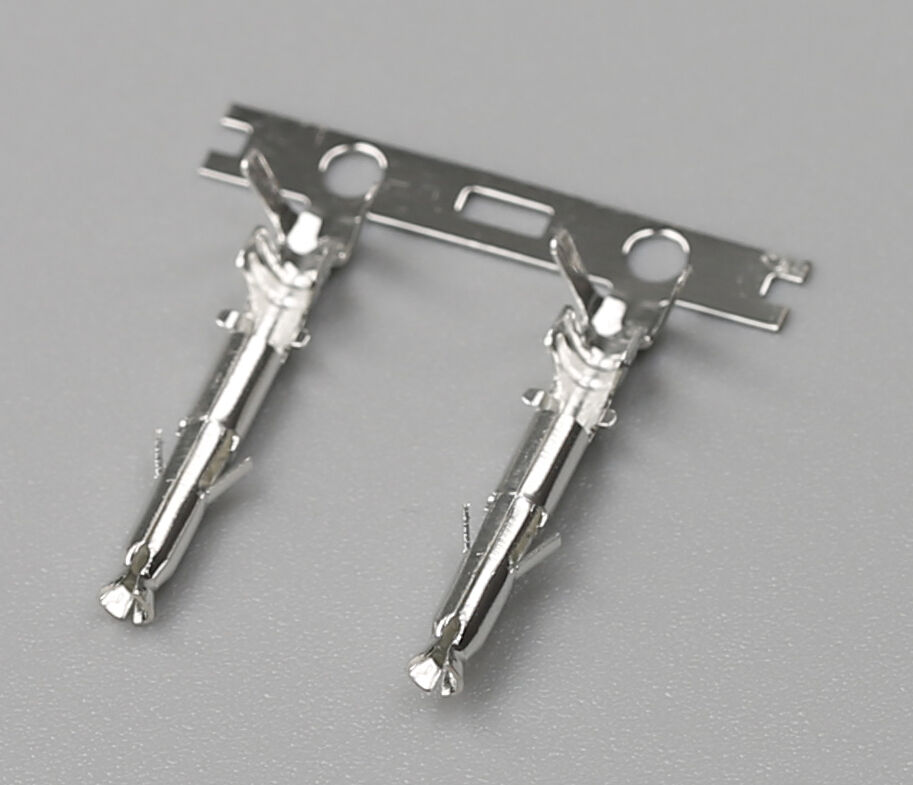
In the complex world of electrical systems and industrial applications, the reliability of connections can make or break entire operations. Terminal connectors serve as the critical bridge between cables and various electrical components, ensuring seamless power transmission and signal integrity across countless applications. These essential components have evolved from simple joining mechanisms to sophisticated engineered solutions that address the demanding requirements of modern industrial environments. Understanding the fundamental role of terminal connectors in secure cable assembly is crucial for engineers, technicians, and professionals working with electrical systems.
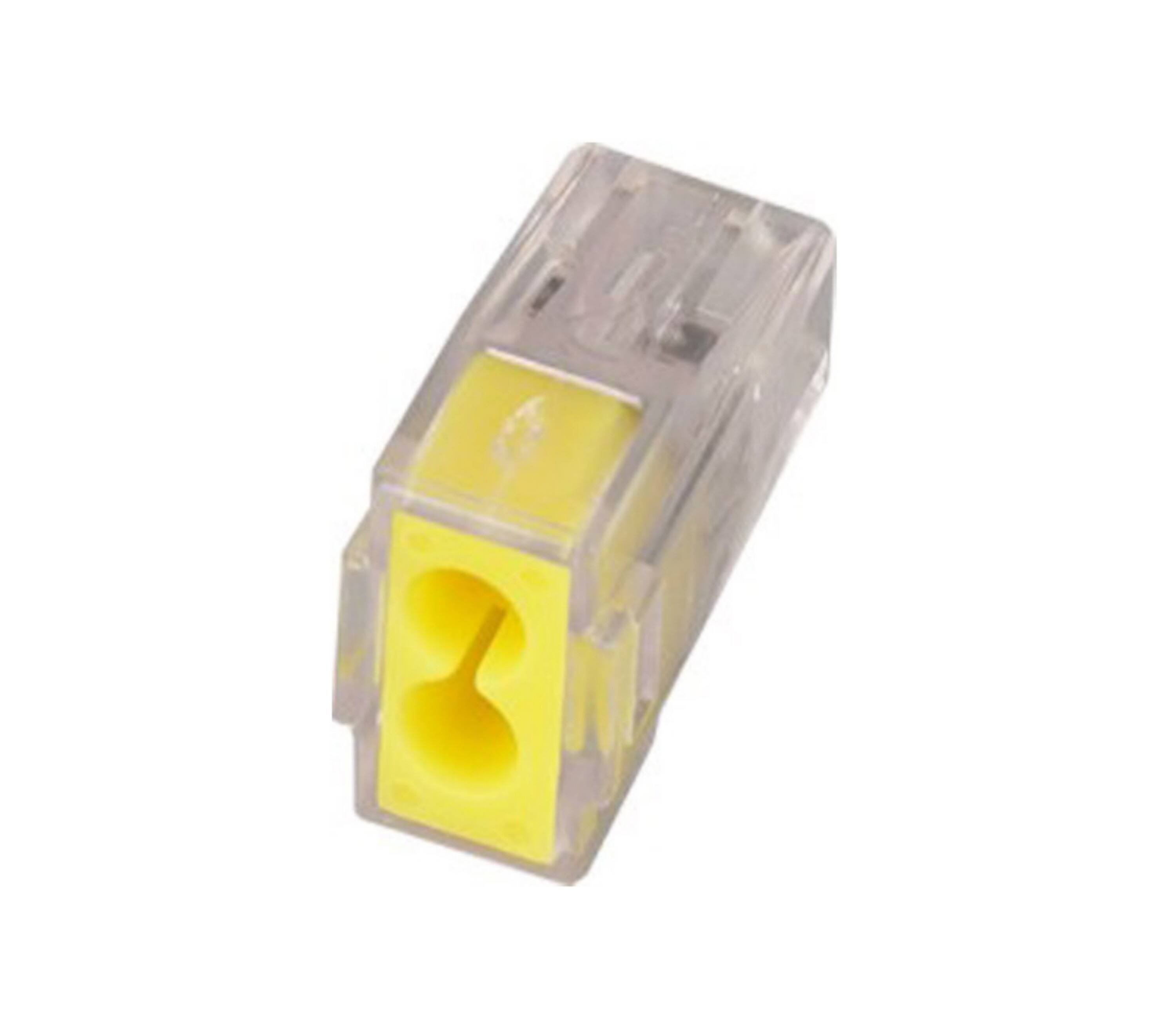
The importance of terminal connectors extends far beyond simple electrical connectivity. In industrial automation, telecommunications infrastructure, automotive systems, and renewable energy installations, these components must withstand extreme environmental conditions while maintaining consistent performance. The selection of appropriate terminal connectors directly impacts system reliability, maintenance costs, and overall operational efficiency. As electrical systems become increasingly complex and demanding, the role of high-quality terminal connectors becomes even more critical for ensuring long-term success and safety compliance.
Understanding Terminal Connector Fundamentals
Basic Construction and Design Principles
Terminal connectors are engineered with specific design principles that prioritize both electrical performance and mechanical stability. The basic construction typically involves a conductive metal core, often made from copper or copper alloys, surrounded by insulating materials that provide protection against environmental factors and electrical hazards. The contact surfaces are precisely machined to ensure optimal conductivity while minimizing resistance and heat generation. Modern terminal connectors incorporate advanced materials and manufacturing techniques that enhance their durability and performance characteristics.
The geometry of terminal connectors plays a crucial role in their effectiveness. The contact area must be sufficient to handle the required current load without excessive heating, while the overall design must facilitate easy installation and maintenance. Spring-loaded mechanisms in many terminal connectors ensure consistent contact pressure over time, compensating for thermal expansion and mechanical vibration that could otherwise compromise connection integrity. This sophisticated engineering approach makes terminal connectors reliable components in critical electrical applications.
Material Selection and Performance Characteristics
The selection of materials for terminal connectors involves careful consideration of electrical conductivity, corrosion resistance, and mechanical strength. Copper remains the preferred choice for conductive elements due to its excellent electrical properties and workability. However, specialized applications may require silver-plated contacts for enhanced conductivity or gold plating for superior corrosion resistance in harsh environments. The insulating materials typically consist of high-grade thermoplastics or thermosets that provide excellent dielectric properties and temperature stability.
Environmental resistance is a critical factor in material selection for terminal connectors. Components must withstand exposure to moisture, chemicals, temperature extremes, and UV radiation without degrading their performance. Advanced polymer formulations and specialized coatings ensure that terminal connectors maintain their integrity throughout their service life. This material engineering approach enables these components to function reliably in demanding industrial environments where failure is not an option.
Security Features in Modern Cable Assembly
Mechanical Security and Strain Relief
Security in cable assembly extends beyond electrical connectivity to encompass mechanical protection and strain relief. Terminal connectors incorporate various locking mechanisms and retention features that prevent accidental disconnection during operation or maintenance activities. These security features include screw terminals, spring clamps, and push-in connections that maintain consistent contact pressure under dynamic conditions. The mechanical design ensures that connections remain secure even when subjected to vibration, thermal cycling, and physical stress.
Strain relief mechanisms integrated into terminal connectors protect both the connector and the attached cables from damage due to excessive bending or pulling forces. These features distribute mechanical stress over a larger area, preventing concentration of forces at the connection point. Proper strain relief design significantly extends the service life of cable assemblies and reduces maintenance requirements in industrial applications.
Environmental Protection and Sealing
Environmental protection represents a crucial aspect of secure cable assembly, with terminal connectors serving as the first line of defense against contamination and moisture ingress. Advanced sealing technologies, including gaskets, O-rings, and potting compounds, create barriers that protect internal connections from environmental hazards. These protection systems are particularly important in outdoor installations, marine environments, and industrial settings where exposure to harsh conditions is inevitable.
The ingress protection ratings of terminal connectors indicate their ability to resist dust and water penetration under specified test conditions. Higher-rated components provide enhanced protection but may require more complex installation procedures. Understanding these protection levels enables engineers to select appropriate terminal connectors for specific environmental conditions, ensuring long-term reliability and performance in challenging applications.
Application Considerations for Terminal Connectors
Industrial Automation and Control Systems
Industrial automation systems rely heavily on terminal connectors to establish reliable connections between control panels, sensors, actuators, and communication networks. The demanding requirements of these applications include high reliability, easy maintenance access, and compatibility with various cable types and sizes. Terminal connectors used in automation systems must accommodate both power distribution and signal transmission while providing clear identification and organized cable management capabilities.
The modular design of modern terminal connectors facilitates system expansion and modification without extensive rewiring. This flexibility is particularly valuable in industrial environments where production requirements change frequently, and system upgrades are necessary to maintain competitiveness. Terminal connectors designed for automation applications often include features such as test points, LED indicators, and standardized mounting systems that streamline installation and maintenance procedures.
Power Distribution and Energy Management
Power distribution applications place unique demands on terminal connectors, requiring them to handle high currents while maintaining low contact resistance and minimal heat generation. The electrical design of these components must account for power losses, thermal management, and safety considerations that are critical in power systems. Terminal connectors for power applications often feature larger contact areas, enhanced cooling capabilities, and robust insulation systems that ensure safe operation under high-voltage conditions.
Energy management systems increasingly rely on intelligent terminal connectors that provide monitoring and diagnostic capabilities. These advanced components can measure current flow, detect connection integrity, and communicate status information to central control systems. This integration of sensing and communication technologies transforms traditional terminal connectors into active components that contribute to overall system intelligence and reliability.
Installation Best Practices and Guidelines
Proper Preparation and Connection Techniques
Successful installation of terminal connectors begins with proper cable preparation, including accurate stripping, cleaning, and conditioning of conductor surfaces. The quality of these preparatory steps directly impacts the long-term reliability of connections. Cable ends must be clean, free from oxidation, and properly sized to match the connector specifications. Using appropriate tools and techniques during installation ensures optimal contact pressure and minimizes the risk of connection failure over time.
Connection torque specifications provided by manufacturers must be strictly followed to achieve proper contact pressure without damaging the terminal connectors or cables. Over-tightening can damage threads or crush conductors, while under-tightening may result in high contact resistance and potential overheating. Using calibrated torque tools and following established procedures ensures consistent installation quality and optimal performance of terminal connectors throughout their service life.
Testing and Verification Procedures
Comprehensive testing and verification procedures are essential for ensuring the integrity of terminal connector installations. Initial testing should include continuity checks, insulation resistance measurements, and thermal imaging to identify potential issues before systems are energized. These baseline measurements provide reference points for future maintenance activities and help establish performance trends over time. Regular testing protocols help maintain system reliability and prevent unexpected failures.
Long-term monitoring of terminal connector performance involves periodic inspection for signs of corrosion, overheating, or mechanical wear. Visual inspection should be combined with electrical testing to ensure continued reliability. Documentation of test results and maintenance activities creates valuable historical data that supports predictive maintenance strategies and helps optimize replacement schedules for terminal connectors in critical applications.
Quality Standards and Compliance Requirements
International Standards and Certifications
Terminal connectors used in commercial and industrial applications must comply with various international standards that specify performance requirements, testing procedures, and safety criteria. Organizations such as the International Electrotechnical Commission, Underwriters Laboratories, and other regional certification bodies establish these standards to ensure consistent quality and safety across different manufacturers and applications. Compliance with these standards provides assurance that terminal connectors will perform reliably under specified conditions.
The certification process for terminal connectors involves extensive testing that evaluates electrical performance, mechanical durability, environmental resistance, and safety characteristics. These tests simulate real-world operating conditions and stress levels to verify that components meet or exceed specified requirements. Understanding the relevant standards and certification requirements helps engineers select appropriate terminal connectors for their specific applications while ensuring compliance with applicable regulations.
Quality Assurance and Manufacturing Standards
Manufacturing quality standards for terminal connectors encompass material traceability, process control, and finished product testing to ensure consistent performance and reliability. Advanced manufacturing facilities implement comprehensive quality management systems that monitor every aspect of production from incoming materials to final inspection. These quality systems help maintain tight tolerances and consistent performance characteristics across production batches of terminal connectors.
Traceability systems enable manufacturers to track terminal connectors from raw materials through final installation, providing valuable data for quality improvement and failure analysis. This comprehensive approach to quality management ensures that terminal connectors meet the demanding requirements of critical applications while providing the reliability and performance that modern electrical systems require.
Future Trends and Technological Advances
Smart Connectivity and IoT Integration
The evolution of terminal connectors continues with the integration of smart technologies that enable remote monitoring, diagnostics, and control capabilities. Internet of Things connectivity allows terminal connectors to communicate performance data, alert operators to potential issues, and optimize system operation automatically. These intelligent components represent a significant advancement in connection technology, transforming passive terminal connectors into active participants in system management and optimization.
Sensor integration within terminal connectors enables real-time monitoring of critical parameters such as temperature, current flow, and connection integrity. This data can be used to predict maintenance needs, optimize system performance, and prevent failures before they occur. The combination of advanced sensors and communication technologies creates opportunities for more sophisticated system management and improved overall reliability.
Advanced Materials and Manufacturing Techniques
Ongoing research and development in materials science continues to improve the performance characteristics of terminal connectors. Advanced alloys, composite materials, and surface treatments enhance conductivity, corrosion resistance, and mechanical properties. These material innovations enable terminal connectors to operate reliably in increasingly demanding environments while maintaining compact form factors and cost-effective manufacturing processes.
Manufacturing technologies such as additive manufacturing and precision molding are creating new possibilities for terminal connector design and production. These advanced techniques enable more complex geometries, tighter tolerances, and customized solutions that address specific application requirements. The combination of advanced materials and manufacturing processes continues to push the boundaries of what terminal connectors can achieve in modern electrical systems.
FAQ
What factors should be considered when selecting terminal connectors for industrial applications
When selecting terminal connectors for industrial applications, several critical factors must be evaluated including current carrying capacity, voltage rating, environmental conditions, and installation requirements. The operating environment plays a crucial role in material selection, with considerations for temperature range, humidity, chemical exposure, and vibration levels. Additionally, the type of conductors being connected, available space constraints, and maintenance accessibility should influence the selection process. Compliance with relevant industry standards and certification requirements ensures that chosen terminal connectors will perform safely and reliably in their intended applications.
How do environmental conditions affect terminal connector performance and longevity
Environmental conditions significantly impact terminal connector performance through various mechanisms including corrosion, thermal cycling, moisture ingress, and mechanical stress. High temperatures can accelerate oxidation processes and degrade insulating materials, while thermal cycling causes expansion and contraction that may loosen connections over time. Moisture and chemical contaminants can cause corrosion of contact surfaces, leading to increased resistance and potential failure. Understanding these environmental effects enables proper selection of materials, protective coatings, and sealing systems that ensure long-term reliability of terminal connectors in challenging conditions.
What maintenance practices help ensure reliable performance of terminal connector systems
Effective maintenance practices for terminal connector systems include regular visual inspection for signs of corrosion, overheating, or mechanical damage, combined with periodic electrical testing to verify connection integrity. Torque verification should be performed according to manufacturer recommendations to ensure proper contact pressure. Environmental monitoring helps identify conditions that may accelerate degradation, while thermal imaging can detect hot spots that indicate developing problems. Maintaining detailed records of inspection results and maintenance activities supports predictive maintenance strategies and helps optimize replacement schedules for terminal connectors in critical applications.
How do modern terminal connectors contribute to overall system safety and reliability
Modern terminal connectors contribute to system safety and reliability through advanced design features including secure locking mechanisms, environmental protection, and fail-safe operation characteristics. Integrated safety features such as touch-proof designs, clear identification systems, and standardized mounting arrangements reduce the risk of installation errors and maintenance accidents. Advanced materials and manufacturing techniques ensure consistent performance under specified operating conditions, while comprehensive testing and certification processes verify compliance with safety standards. The combination of these design elements and quality assurance measures makes modern terminal connectors essential components for maintaining safe and reliable electrical system operation.
Table of Contents
- Understanding Terminal Connector Fundamentals
- Security Features in Modern Cable Assembly
- Application Considerations for Terminal Connectors
- Installation Best Practices and Guidelines
- Quality Standards and Compliance Requirements
- Future Trends and Technological Advances
-
FAQ
- What factors should be considered when selecting terminal connectors for industrial applications
- How do environmental conditions affect terminal connector performance and longevity
- What maintenance practices help ensure reliable performance of terminal connector systems
- How do modern terminal connectors contribute to overall system safety and reliability

