
 EN
EN



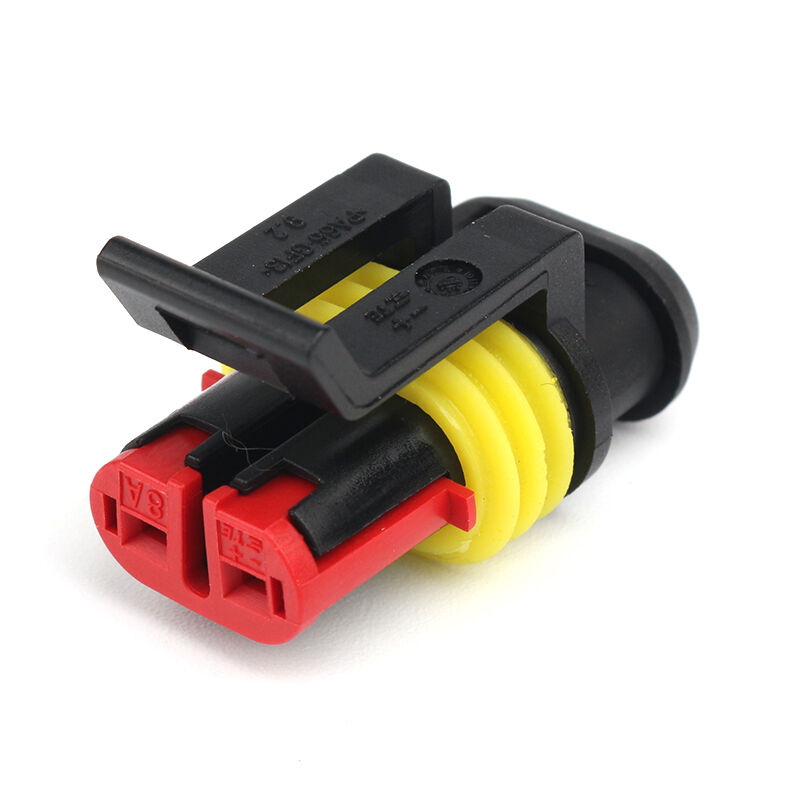
In the world of electrical connections, understanding the differences between various connector types is crucial for engineers, technicians, and professionals working with electronic systems. Plug connectors represent one of the most fundamental categories in electrical interconnection technology, yet many people remain unclear about how they differ from other connector types. This comprehensive guide explores the distinctive characteristics, applications, and advantages of plug connectors compared to alternative connection methods used across industries today.
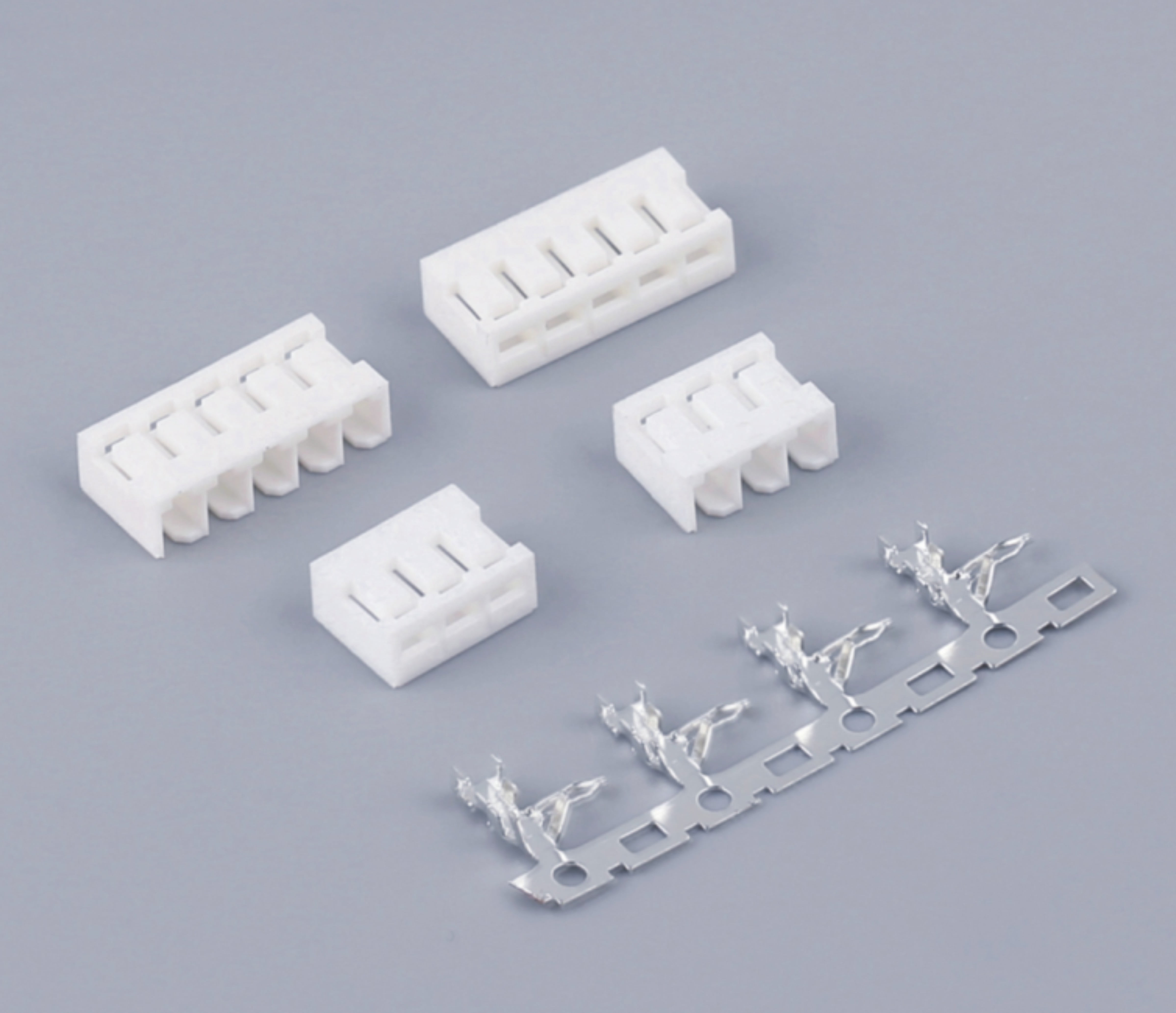
The electrical connector landscape encompasses numerous design philosophies and connection methodologies, each serving specific purposes in modern electronic applications. Plug connectors distinguish themselves through their unique mating mechanism, which typically involves inserting a male component into a corresponding female receptacle. This fundamental design principle sets them apart from other connector families and influences their performance characteristics, installation requirements, and operational capabilities in various environments.
Understanding Plug Connector Fundamentals
Basic Design Principles
Plug connectors operate on a straightforward principle of mechanical insertion and retention, where one component fits securely into another to establish electrical continuity. The male plug component features protruding contact elements that engage with corresponding receptacles in the female connector housing. This design ensures reliable electrical connection while providing mechanical stability and protection against environmental factors that could compromise signal integrity or power transmission.
The construction of plug connectors typically incorporates multiple materials engineered for specific performance requirements. Conductive elements are manufactured from copper alloys or other high-conductivity metals, while insulating materials protect against short circuits and provide mechanical support. Housing materials range from thermoplastic polymers to ceramic compounds, depending on operating temperature requirements and environmental exposure conditions.
Mating and Unmating Mechanisms
The mating process for plug connectors involves precise alignment and controlled insertion force to ensure proper engagement of all contact pairs. Many plug connector designs incorporate guiding features such as chamfered edges, alignment pins, or keying systems to prevent incorrect insertion and guarantee proper orientation during connection. These features distinguish plug connectors from other connector types that may rely on different engagement mechanisms or connection methodologies.
Retention mechanisms in plug connectors vary considerably based on application requirements and environmental conditions. Simple friction-fit designs provide adequate retention for benign environments, while threaded coupling systems offer enhanced security for applications exposed to vibration or mechanical stress. Advanced plug connector systems may incorporate bayonet locks, lever actuators, or spring-loaded retention systems to facilitate easy connection and disconnection while maintaining secure electrical contact.
Comparing Plug Connectors to Wire Nut Connections
Installation and Accessibility Differences
Wire nut connections represent a fundamentally different approach to electrical connection compared to plug connectors, relying on twisted wire joints secured within threaded plastic housings. Unlike plug connectors, which enable repeated connection and disconnection cycles, wire nuts create semi-permanent joints intended for long-term installation in fixed wiring applications. This distinction makes plug connectors more suitable for applications requiring frequent maintenance access or system reconfiguration.
The installation process for wire nuts involves stripping wire insulation, twisting conductors together, and securing the joint with the threaded connector housing. This method requires direct access to individual wire ends and sufficient working space for manipulation. Plug connectors, conversely, pre-terminate wire connections within their housing assemblies, allowing for quick field installation without exposing individual conductor connections to environmental contamination or mechanical damage.
Performance and Reliability Considerations
Reliability characteristics differ significantly between plug connectors and wire nut connections due to their distinct construction methodologies. Wire nuts depend on the mechanical integrity of twisted wire joints, which may loosen over time due to thermal cycling or vibration exposure. Plug connectors maintain consistent contact pressure through engineered spring mechanisms and precise manufacturing tolerances, providing superior long-term reliability in dynamic operating environments.
Environmental protection capabilities also distinguish these connector types significantly. Wire nut connections typically require additional enclosure protection to prevent moisture ingress and contamination, while many plug connector designs incorporate integral sealing systems. These built-in protection features make plug connectors more suitable for outdoor applications, harsh industrial environments, or installations where exposure to liquids or particulate contamination is anticipated.
Terminal Block Connections Versus Plug Connectors
Connection Methodology and Flexibility
Terminal blocks represent another distinct category of electrical connectors that differs substantially from plug connectors in connection methodology and application focus. Terminal blocks typically feature screw-clamp or spring-cage mechanisms that secure individual wire conductors within designated connection points. This approach contrasts with plug connectors, which establish multiple simultaneous connections through a single mating operation, providing enhanced installation efficiency and reduced connection time.
The modular nature of terminal blocks allows for flexible circuit configurations and easy modification of connection schemes during system commissioning or maintenance activities. However, this flexibility comes at the expense of connection speed and protection against accidental disconnection. Plug connectors excel in applications requiring rapid connection establishment and positive retention mechanisms that prevent inadvertent disconnection during normal operation or maintenance activities.
Space Efficiency and Organization
Space utilization represents another key differentiator between terminal blocks and plug connectors in electrical system design. Terminal blocks typically require larger panel footprints to accommodate individual connection points, wire routing space, and accessibility requirements for maintenance operations. The distributed nature of terminal block connections can also complicate cable management and increase installation complexity in dense wiring environments.
Plug connectors optimize space utilization through compact, integrated designs that combine multiple connection points within single housing assemblies. This consolidation reduces panel real estate requirements and simplifies cable routing by eliminating the need for individual wire runs to separate connection points. The resulting installation efficiency makes plug connectors particularly attractive for applications with limited space availability or complex wiring requirements.
Soldered Connections Compared to Plug Connectors
Permanence and Reworkability
Soldered connections create metallurgically bonded joints that provide excellent electrical conductivity and mechanical strength, but they establish permanent connections that require specialized tools and skills for modification or repair. This permanence contrasts sharply with the readily reversible nature of plug connectors, which enable quick disconnection for maintenance, testing, or system reconfiguration without requiring specialized tools or risking damage to connected components.
The reworkability advantage of plug connectors becomes particularly significant in prototyping environments, field service applications, or installations where future modifications are anticipated. Soldered connections, while offering superior long-term reliability in stable applications, create barriers to system evolution and maintenance activities that require connection access. This fundamental difference influences connector selection decisions based on anticipated lifecycle requirements and maintenance strategies.
Skill Requirements and Installation Speed
Soldering operations require specialized skills, appropriate tools, and controlled environmental conditions to achieve reliable results consistently. Temperature control, flux selection, and joint inspection capabilities all influence soldered connection quality and long-term reliability. These requirements can create bottlenecks in production environments or field installation scenarios where specialized soldering expertise may not be readily available.
Plug connectors eliminate the need for specialized joining techniques by incorporating pre-engineered contact systems that establish reliable connections through simple mechanical operations. This accessibility enables broader personnel participation in installation and maintenance activities while reducing training requirements and potential quality variations associated with manual soldering processes. The resulting installation efficiency often justifies the higher initial cost of plug connector systems in commercial applications.
Crimp Connections and Plug Connector Integration
Complementary Technologies
Crimp connections frequently serve as termination methods within plug connector assemblies, creating hybrid systems that combine the reliability of crimped wire terminations with the convenience of pluggable connections. This integration demonstrates how different connection technologies can work together to optimize overall system performance and maintainability. Crimped terminations within plug connectors provide gas-tight electrical connections while the pluggable housing enables field serviceability and system flexibility.
The quality of crimp connections within plug connector assemblies directly influences overall connector performance and reliability. Proper crimp tool selection, die matching, and compression force control ensure optimal contact between wire strands and terminal elements. These factors become particularly critical in plug connectors intended for high-current applications or environments with significant thermal cycling, where connection integrity must be maintained over extended operational periods.
Quality Control and Inspection
Quality assurance for crimped terminations within plug connectors requires comprehensive inspection procedures that verify both mechanical and electrical connection integrity. Pull testing validates mechanical strength while resistance measurements confirm electrical continuity and contact quality. These quality control measures help ensure that plug connectors incorporating crimp terminations meet specified performance requirements throughout their operational life.
Advanced plug connector designs may incorporate inspection windows or test points that enable verification of crimp connection quality without disassembling the connector housing. This feature facilitates quality control during manufacturing and enables field verification of connection integrity during maintenance operations, supporting predictive maintenance strategies and reliability optimization programs in critical applications.
Application-Specific Considerations for Plug Connectors
Environmental Performance Requirements
Environmental operating conditions significantly influence plug connector selection and design optimization for specific applications. Temperature cycling, humidity exposure, chemical contamination, and mechanical vibration all impact connector performance and longevity. Plug connectors designed for harsh environment applications incorporate specialized materials, sealing systems, and mechanical retention features that maintain performance under adverse conditions.
Sealing technologies in environmental plug connectors range from simple elastomeric gaskets to complex multi-stage sealing systems that provide protection against liquid ingress and particulate contamination. These protection features distinguish environmental plug connectors from standard commercial grades and often justify premium pricing through enhanced reliability and extended service life in challenging applications.
Electrical Performance Specifications
Electrical performance requirements for plug connectors vary dramatically based on application voltage, current, frequency, and signal integrity requirements. Power applications prioritize low resistance connections and thermal management capabilities, while signal applications emphasize controlled impedance and crosstalk minimization. Understanding these performance distinctions helps guide appropriate plug connector selection for specific electrical requirements.
High-frequency applications impose additional constraints on plug connector design, requiring careful attention to dielectric materials, conductor geometry, and transition characteristics. These requirements often drive plug connector designs toward specialized configurations that optimize signal integrity at the expense of other performance parameters, demonstrating the importance of application-specific connector selection criteria.
FAQ
What are the main advantages of plug connectors over permanent connection methods?
Plug connectors offer significant advantages in terms of installation speed, maintenance accessibility, and system flexibility compared to permanent connection methods like soldering or wire nuts. They enable rapid disconnection for testing, repair, or reconfiguration without requiring specialized tools or risking damage to connected equipment. This reversibility makes plug connectors ideal for applications where future modifications are anticipated or where regular maintenance access is required.
How do environmental conditions affect plug connector performance?
Environmental conditions such as temperature extremes, humidity, chemical exposure, and mechanical vibration can significantly impact plug connector performance and longevity. Specialized environmental plug connectors incorporate advanced sealing systems, corrosion-resistant materials, and enhanced retention mechanisms to maintain reliable operation under adverse conditions. Proper connector selection based on specific environmental requirements is crucial for ensuring long-term system reliability.
What factors should be considered when choosing between different connector types?
Key factors for connector selection include electrical requirements such as voltage and current ratings, environmental conditions, installation and maintenance requirements, cost considerations, and expected service life. Plug connectors excel in applications requiring frequent disconnection, while permanent connections may be more appropriate for stable, long-term installations. The decision should balance performance requirements against practical considerations such as installation complexity and lifecycle costs.
Can plug connectors handle high-power applications effectively?
Yes, properly designed plug connectors can handle high-power applications effectively through optimized contact systems, thermal management features, and robust mechanical construction. High-power plug connectors typically incorporate larger contact areas, enhanced cooling provisions, and specialized materials to manage heat generation and ensure reliable operation under demanding electrical loads. However, application-specific engineering and proper derating may be required for extreme power requirements.

