
 EN
EN



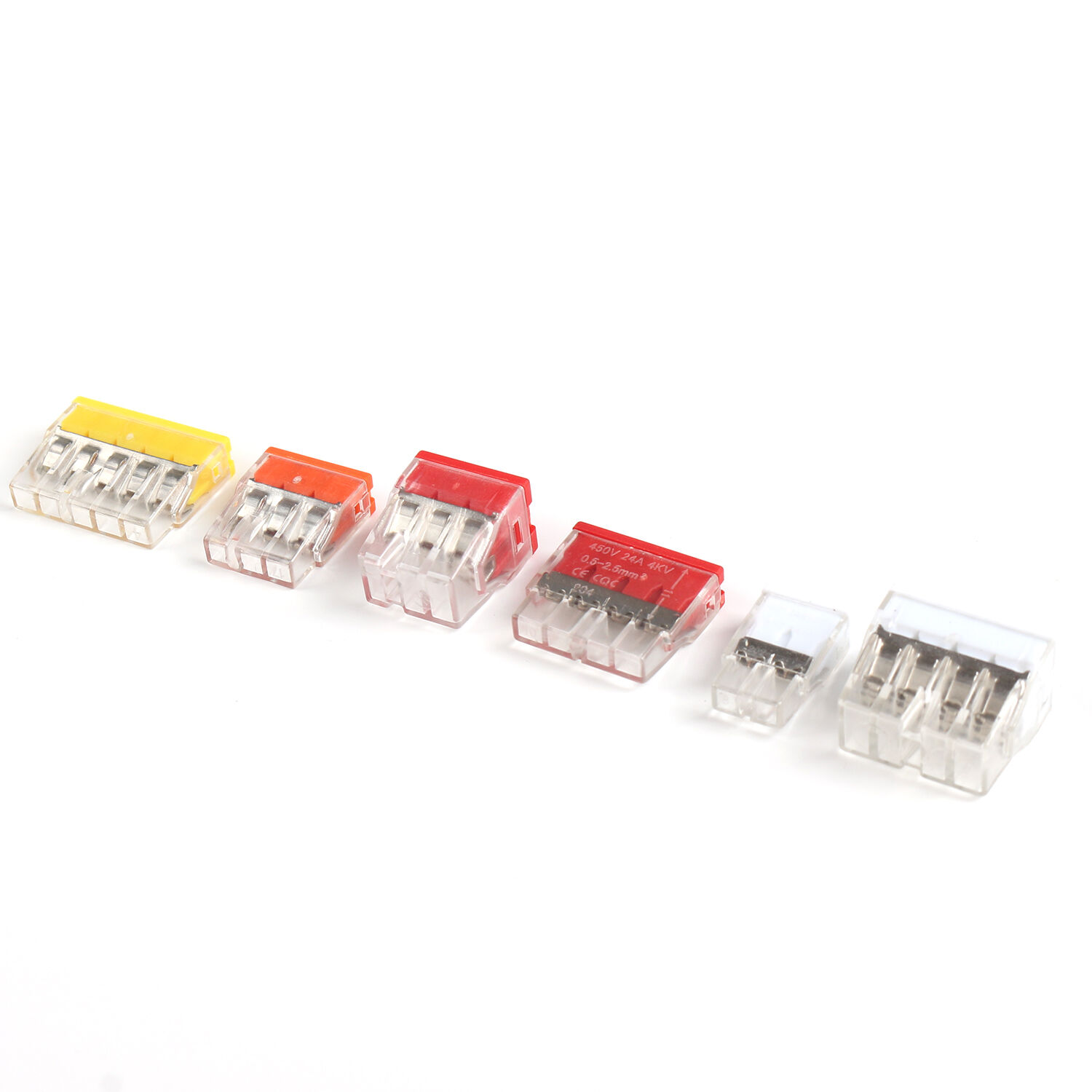
Electrical connectors serve as the backbone of modern electronic systems, facilitating secure and reliable connections between various components. These essential components enable the seamless flow of electrical current while maintaining signal integrity across countless applications. From industrial machinery to consumer electronics, electrical connectors play a critical role in ensuring operational efficiency and safety. Understanding the key factors that contribute to long-term performance and reliability becomes paramount when selecting the right connector solution for specific applications.
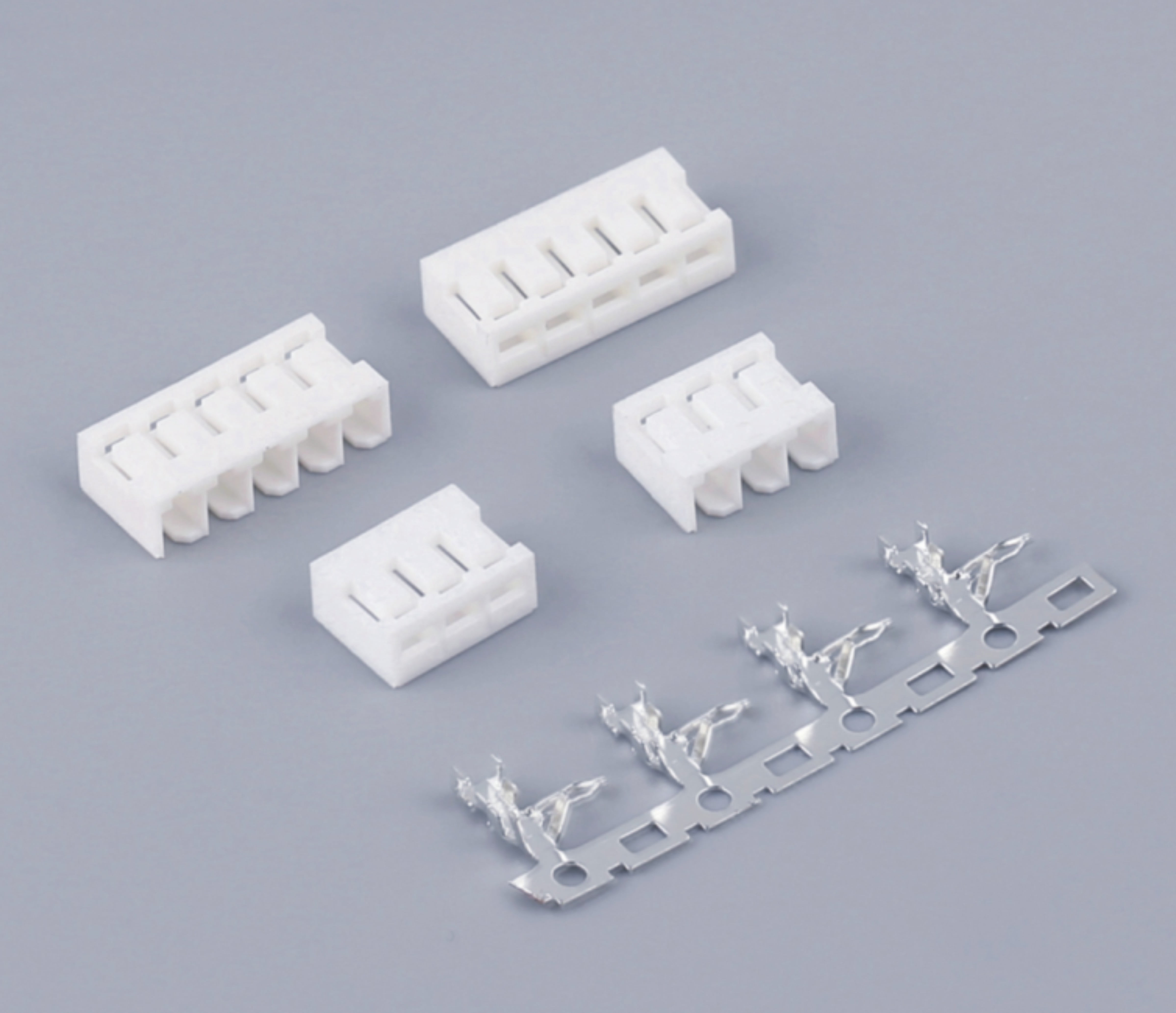
The selection process for electrical connectors involves numerous technical considerations that directly impact system performance and longevity. Engineers and procurement specialists must evaluate multiple factors ranging from environmental conditions to electrical specifications. Poor connector selection can lead to system failures, safety hazards, and costly downtime. Therefore, a comprehensive understanding of connector characteristics and application requirements becomes essential for making informed decisions that ensure long-term operational success.
Material Selection and Construction Quality
Contact Materials and Plating Options
The choice of contact materials significantly influences the performance and durability of electrical connectors. High-quality connectors typically utilize materials such as copper, brass, or specialized alloys that offer excellent conductivity and corrosion resistance. Contact plating options include gold, silver, nickel, and tin, each providing specific advantages depending on the application environment. Gold plating offers superior corrosion resistance and maintains low contact resistance over extended periods, making it ideal for critical applications where reliability is paramount.
Silver plating provides excellent conductivity and is cost-effective for many applications, though it may tarnish over time when exposed to certain environmental conditions. Nickel plating serves as an effective barrier layer, preventing base metal migration while offering good durability. Tin plating represents a popular choice for general-purpose electrical connectors due to its balance of performance and cost-effectiveness. The selection of appropriate contact materials and plating must align with specific application requirements, operating conditions, and budget constraints.
Housing Materials and Durability
Connector housing materials play a crucial role in protecting internal components and ensuring long-term reliability. Common housing materials include thermoplastic polymers, thermoset plastics, and metal alloys, each offering distinct advantages for different applications. Thermoplastic materials such as nylon and polycarbonate provide excellent dimensional stability, chemical resistance, and ease of manufacturing. These materials can withstand moderate temperature ranges while maintaining their structural integrity under normal operating conditions.
Thermoset materials offer superior temperature resistance and dimensional stability compared to thermoplastics, making them suitable for high-temperature applications. Metal housings provide maximum durability and electromagnetic shielding capabilities, though they may add weight and cost to the overall connector design. The selection of housing materials must consider factors such as operating temperature range, chemical exposure, mechanical stress, and electromagnetic interference requirements. Quality housing materials ensure that electrical connectors maintain their protective function throughout their operational lifespan.
Environmental Protection and Sealing
Ingress Protection Ratings
Environmental protection represents a critical consideration when selecting electrical connectors for various applications. Ingress Protection ratings provide standardized classifications that indicate a connector's ability to resist dust, moisture, and other environmental contaminants. Understanding these ratings helps engineers specify appropriate connector solutions that can withstand specific environmental challenges while maintaining reliable electrical connections.
IP67 and IP68 ratings indicate high levels of protection against dust ingress and water immersion, making these connectors suitable for outdoor applications and harsh industrial environments. Lower IP ratings such as IP54 or IP65 may be sufficient for indoor applications with moderate environmental exposure. The selection of appropriate IP ratings must balance protection requirements with cost considerations, as higher protection levels typically require more sophisticated sealing mechanisms and materials.
Sealing Technologies and Gasket Selection
Effective sealing technologies ensure that electrical connectors maintain their environmental protection throughout their operational lifespan. Various sealing approaches include O-ring seals, gasket seals, potting compounds, and overmolded designs. Each sealing method offers specific advantages and limitations depending on the application requirements and environmental conditions. O-ring seals provide reliable compression sealing that can accommodate thermal expansion and contraction while maintaining effective environmental protection.
Gasket materials must be selected based on chemical compatibility, temperature resistance, and compression set characteristics. Common gasket materials include EPDM rubber, silicone, fluoroelastomers, and specialized thermoplastic elastomers. The proper selection and installation of sealing components ensure that electrical connectors maintain their protective integrity even under challenging environmental conditions. Regular maintenance and inspection of sealing components help prevent premature failure and ensure continued reliability.
Electrical Performance Specifications
Current Carrying Capacity and Voltage Ratings
Electrical performance specifications define the operational limits and capabilities of electrical connectors within specific applications. Current carrying capacity represents a fundamental specification that determines the maximum continuous current a connector can safely handle without exceeding temperature limits. This specification depends on factors such as contact size, material properties, ambient temperature, and airflow conditions. Proper specification of current carrying capacity prevents overheating, contact degradation, and potential safety hazards.
Voltage ratings indicate the maximum voltage that can be safely applied across connector contacts without risking electrical breakdown or arcing. These ratings consider factors such as contact spacing, insulation materials, and environmental conditions. Derating factors may apply when connectors operate at elevated temperatures or in contaminated environments. Understanding both current and voltage limitations ensures that electrical connectors operate within safe parameters while delivering reliable performance throughout their service life.
Contact Resistance and Signal Integrity
Contact resistance represents a critical parameter that affects both power transmission efficiency and signal integrity in electrical connector applications. Low contact resistance minimizes power losses and heat generation while ensuring efficient electrical transmission. Factors influencing contact resistance include contact material properties, plating characteristics, contact force, and environmental conditions. High-quality electrical connectors maintain stable contact resistance over extended periods, even under varying environmental conditions.
Signal integrity becomes increasingly important in high-frequency and digital applications where connector performance can significantly impact system functionality. Factors such as impedance matching, crosstalk minimization, and signal attenuation must be considered when selecting connectors for sensitive electronic applications. Proper connector design and material selection help maintain signal quality while minimizing electromagnetic interference and ensuring reliable data transmission.
Mechanical Reliability and Durability
Insertion and Withdrawal Forces
Mechanical characteristics of electrical connectors significantly impact their usability and long-term reliability. Insertion and withdrawal forces must be carefully balanced to ensure secure connections while allowing for reasonable ease of operation. Excessive insertion forces can cause operator fatigue and potential damage to connector components, while insufficient forces may result in unreliable connections and intermittent electrical contact.
Contact spring design and material properties directly influence the mechanical characteristics of electrical connectors. Proper spring tension ensures adequate contact force to maintain low resistance connections while allowing for thermal expansion and vibration tolerance. The design of engagement mechanisms such as bayonet locks, threaded couplings, or push-pull systems affects both the mechanical reliability and user experience of connector systems.
Vibration and Shock Resistance
Applications involving mechanical vibration and shock require electrical connectors with enhanced mechanical stability and retention characteristics. Vibration can cause fretting corrosion at contact interfaces, leading to increased resistance and potential connection failures. Proper connector design includes features such as positive locking mechanisms, vibration-resistant contact designs, and secure cable retention systems that maintain reliable connections under dynamic conditions.
Shock resistance ensures that electrical connectors can withstand sudden mechanical impacts without damage or disconnection. This characteristic becomes particularly important in mobile applications, transportation systems, and industrial environments where equipment may experience significant mechanical stresses. Testing standards such as MIL-STD specifications provide guidelines for evaluating connector performance under various mechanical stress conditions, helping ensure reliable operation in demanding applications.
Installation and Maintenance Considerations
Termination Methods and Techniques
Proper termination methods directly impact the long-term reliability and performance of electrical connectors. Common termination techniques include soldering, crimping, wire wrapping, and insulation displacement connections. Each method offers specific advantages and requires appropriate tools and techniques for successful implementation. Soldered connections provide excellent electrical conductivity and mechanical strength but require skilled technicians and appropriate environmental controls during installation.
Crimp connections offer reliable and repeatable terminations that can be accomplished with proper tooling and training. The selection of appropriate crimp contacts and tooling ensures consistent connection quality while minimizing installation time and labor costs. Insulation displacement connections provide quick and reliable terminations for certain wire types and applications, though they may have limitations regarding wire gauge compatibility and rework capabilities.
Inspection and Maintenance Protocols
Regular inspection and maintenance protocols help ensure that electrical connectors continue to provide reliable service throughout their operational lifespan. Visual inspections should identify signs of corrosion, physical damage, contamination, or wear that could compromise connector performance. Electrical testing using appropriate instruments can detect changes in contact resistance, insulation resistance, or other electrical parameters that may indicate developing problems.
Preventive maintenance activities may include cleaning, lubrication, seal replacement, or tightening of mechanical connections. The frequency and scope of maintenance activities depend on factors such as environmental conditions, application criticality, and manufacturer recommendations. Proper documentation of maintenance activities helps track connector performance trends and identify potential issues before they result in system failures or safety hazards.
Cost-Effectiveness and Lifecycle Analysis
Initial Investment Versus Long-Term Value
The evaluation of electrical connectors must consider both initial purchase costs and long-term operational expenses. While high-quality connectors may require higher initial investment, they often provide superior reliability, reduced maintenance requirements, and extended service life that result in lower total cost of ownership. This analysis becomes particularly important in critical applications where connector failures can result in significant downtime, repair costs, or safety risks.
Lifecycle cost analysis should include factors such as installation costs, maintenance requirements, replacement frequency, and potential failure consequences. Electrical connectors with superior materials, construction quality, and environmental protection often justify their higher initial costs through reduced lifecycle expenses and improved system reliability. The selection process should balance initial budget constraints with long-term operational requirements to achieve optimal cost-effectiveness.
Standardization and Interchangeability
Standardization of electrical connectors provides significant advantages in terms of inventory management, maintenance simplicity, and cost reduction. Industry-standard connector designs offer interchangeability between different manufacturers, reducing dependency on specific suppliers and potentially lowering procurement costs. Standardization also facilitates training requirements and reduces the need for specialized tools or maintenance procedures.
Custom or proprietary connector designs may be necessary for specific applications but can result in higher costs and supply chain complications. The decision between standard and custom connectors should consider factors such as application requirements, volume requirements, and strategic supply chain considerations. Standard electrical connectors often provide the best balance of performance, availability, and cost-effectiveness for most applications.
FAQ
What are the most important factors to consider when selecting electrical connectors for outdoor applications
When selecting electrical connectors for outdoor applications, environmental protection ratings become the primary consideration. Look for connectors with appropriate IP ratings, typically IP65 or higher, to ensure protection against dust and water ingress. Material selection is equally important, with UV-resistant housing materials and corrosion-resistant contact plating being essential for long-term outdoor exposure. Temperature cycling capability, vibration resistance, and proper sealing technologies must also be evaluated to ensure reliable operation under varying weather conditions.
How does contact plating affect the long-term performance of electrical connectors
Contact plating significantly impacts both the immediate performance and long-term reliability of electrical connectors. Gold plating provides the best corrosion resistance and maintains low contact resistance over time, making it ideal for critical applications. Silver plating offers excellent conductivity but may tarnish in certain environments. Tin plating provides a good balance of performance and cost but may be susceptible to whisker growth in some conditions. The selection of appropriate plating depends on environmental conditions, electrical requirements, and budget considerations.
What maintenance practices help extend the lifespan of electrical connectors
Regular visual inspections help identify early signs of corrosion, contamination, or physical damage that could compromise connector performance. Cleaning procedures using appropriate solvents and techniques remove contaminants that could cause electrical or mechanical problems. Torque verification ensures that threaded connections maintain proper contact force over time. Environmental seal inspection and replacement prevent moisture ingress that could lead to corrosion or electrical failures. Documentation of maintenance activities helps track performance trends and predict replacement requirements.
How do I determine the appropriate current rating for electrical connectors in my application
Determining appropriate current ratings requires consideration of several factors including ambient temperature, airflow conditions, contact size, and safety margins. Start with the maximum continuous current requirements of your application, then apply appropriate derating factors based on operating temperature and environmental conditions. Consider peak current requirements for applications with varying loads. Consult manufacturer specifications and industry standards such as UL or IEC ratings to ensure proper selection. When in doubt, choose electrical connectors with higher current ratings to provide adequate safety margins and account for potential future requirements.
Table of Contents
- Material Selection and Construction Quality
- Environmental Protection and Sealing
- Electrical Performance Specifications
- Mechanical Reliability and Durability
- Installation and Maintenance Considerations
- Cost-Effectiveness and Lifecycle Analysis
-
FAQ
- What are the most important factors to consider when selecting electrical connectors for outdoor applications
- How does contact plating affect the long-term performance of electrical connectors
- What maintenance practices help extend the lifespan of electrical connectors
- How do I determine the appropriate current rating for electrical connectors in my application

