
 EN
EN



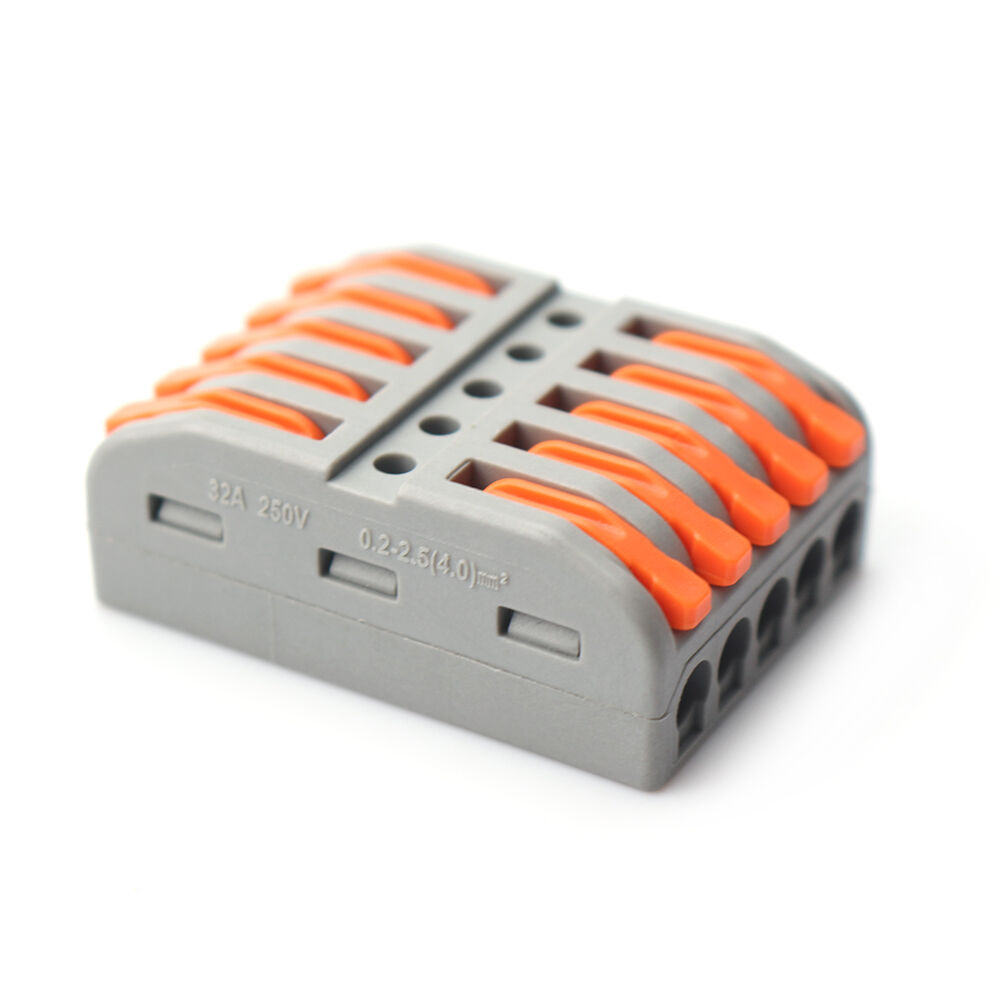
In the demanding landscape of industrial operations, where electrical systems power critical machinery and infrastructure, the reliability of every component matters profoundly. Among these components, certified wire terminals serve as the foundational link between conductors and equipment, ensuring that power, signals, and data flow seamlessly across complex networks. The certification status of these terminals is not merely a regulatory checkbox but a fundamental assurance of safety, performance, and longevity that directly impacts operational continuity, worker protection, and long-term project viability. Understanding why certified wire terminals hold such critical importance requires examining the rigorous standards they meet, the real-world consequences of component failure, and the comprehensive value they deliver throughout a project's lifecycle.
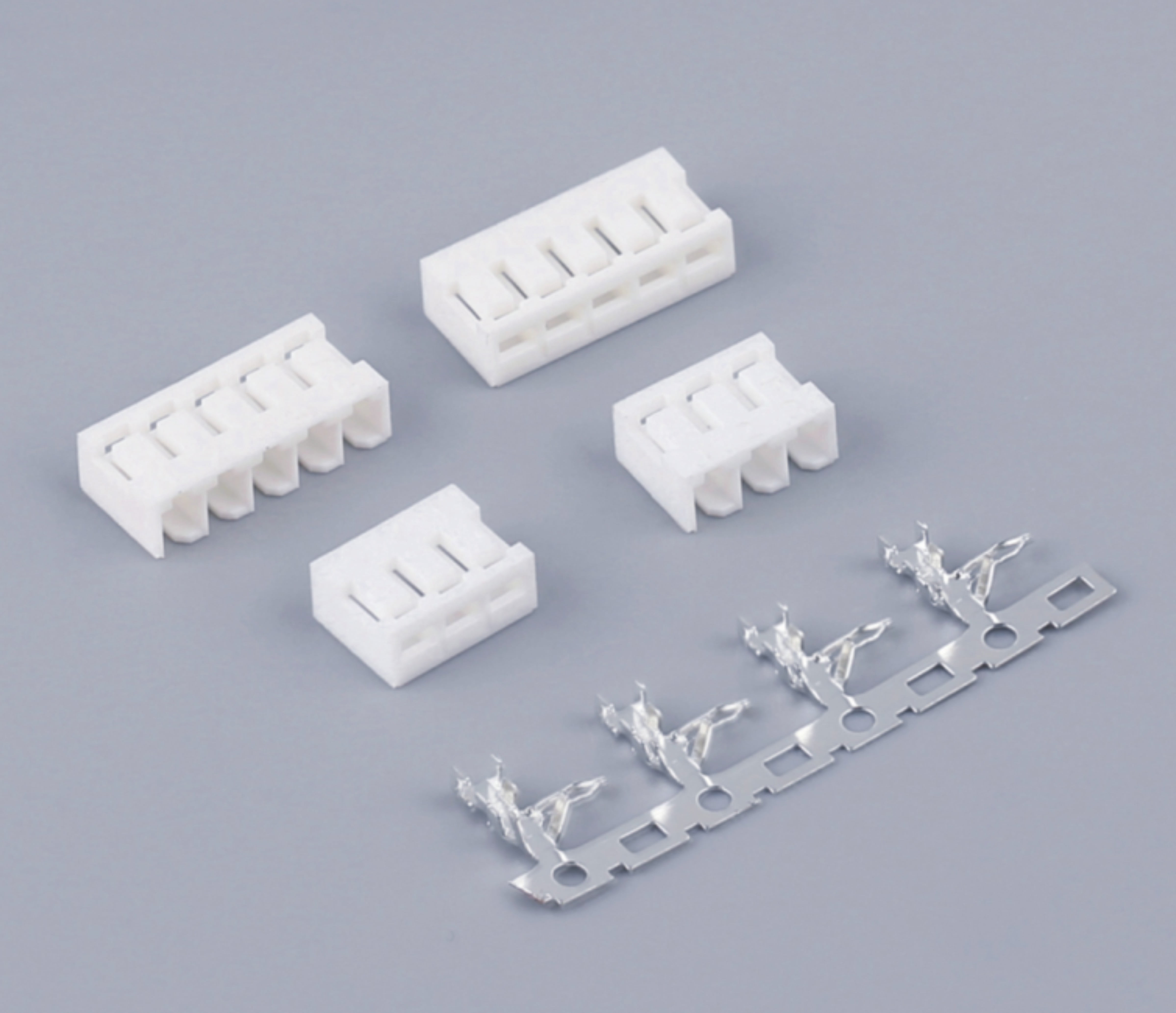
Industrial environments subject electrical connections to extraordinary stress, including temperature extremes, mechanical vibration, chemical exposure, and continuous electrical loads that far exceed residential or commercial conditions. In this context, the decision to specify certified wire terminals becomes a strategic choice that influences safety margins, maintenance costs, insurance compliance, and regulatory approval. Projects ranging from manufacturing facilities and power distribution networks to petrochemical plants and transportation infrastructure depend on terminal connections that maintain integrity under sustained operational pressure. The certification process validates that terminals can withstand these harsh conditions while maintaining electrical conductivity, mechanical strength, and environmental resistance over extended service periods, making them indispensable for projects where failure is not an option.
The Regulatory Foundation Behind Certified Wire Terminals
International Standards Governing Terminal Certification
Certified wire terminals must conform to internationally recognized standards established by organizations such as the International Electrotechnical Commission (IEC), Underwriters Laboratories (UL), and various national regulatory bodies. These standards define precise performance criteria covering electrical characteristics, mechanical durability, environmental resistance, and manufacturing quality control. For example, IEC 60947 series standards specify requirements for low-voltage switchgear and controlgear components, including connection terminals, while UL 486 standards address wire connectors and soldering lugs used in electrical installations. Compliance with these standards requires manufacturers to submit their certified wire terminals to rigorous testing protocols that simulate decades of operational stress within compressed timeframes, verifying that products will perform reliably throughout their intended service life.
The certification process involves independent third-party testing laboratories that evaluate terminal samples against specific performance benchmarks. These tests measure electrical resistance under various current loads, assess mechanical strength through pull and vibration tests, and examine material properties to ensure resistance to corrosion, heat, and chemical exposure. Only terminals that pass this comprehensive evaluation receive certification marks that signal compliance, providing project engineers and procurement teams with documented assurance that the components meet established safety and performance thresholds. This independent verification eliminates guesswork and provides a standardized basis for comparing products across different manufacturers, enabling informed specification decisions based on objective performance data rather than marketing claims.
Liability Protection and Insurance Requirements
Beyond technical performance, the use of certified wire terminals provides essential legal and financial protection for industrial projects. Many insurance policies and project contracts explicitly require the use of certified components in electrical systems, with non-compliance potentially voiding coverage in the event of equipment failure, fire, or injury. This requirement reflects the insurance industry's recognition that certified components significantly reduce risk exposure by meeting documented safety standards and undergoing verified testing. When incidents occur, the presence of properly certified wire terminals in an installation provides crucial evidence that reasonable care was taken in component selection, potentially limiting liability exposure for contractors, project owners, and engineering firms.
Regulatory authorities in most jurisdictions mandate the use of certified electrical components in commercial and industrial installations, with electrical inspectors verifying compliance during permitting and commissioning processes. Projects that incorporate non-certified terminals face potential rejection during inspection, resulting in costly rework, project delays, and damage to professional reputation. The documentation trail provided by certified wire terminals, including test reports, compliance certificates, and traceability records, streamlines the inspection and approval process by providing inspectors with immediately verifiable evidence of code compliance. This documentation becomes particularly valuable during incident investigations, audit processes, and warranty claims, where the provenance and certification status of installed components may be scrutinized to determine responsibility and liability.
Performance Advantages That Protect Industrial Operations
Superior Electrical Conductivity and Connection Reliability
The electrical performance of certified wire terminals directly influences system efficiency, voltage stability, and heat generation at connection points. Certification testing verifies that terminals maintain low contact resistance across their rated current range, ensuring that minimal voltage drop occurs at connection interfaces. This characteristic is particularly critical in industrial applications where power quality directly affects equipment performance, with excessive voltage drop causing motor inefficiency, control system malfunctions, and premature component wear. Certified wire terminals achieve superior conductivity through precisely engineered contact surfaces, optimized material selection, and manufacturing processes that eliminate imperfections that could create resistance hot spots.
Connection reliability extends beyond initial installation to encompass long-term performance under operational stress. Industrial environments subject electrical connections to thermal cycling as equipment loads vary, mechanical vibration from rotating machinery, and environmental factors that can degrade connection quality over time. certified wire terminals incorporate design features such as spring-loaded contact mechanisms, vibration-resistant fastening systems, and materials that resist oxidation and corrosion, maintaining stable electrical contact throughout their service life. This reliability translates directly to reduced maintenance requirements, fewer unplanned shutdowns, and lower total cost of ownership compared to non-certified alternatives that may require frequent retightening, cleaning, or replacement.
Mechanical Strength and Physical Durability
Industrial installations frequently subject wire terminals to mechanical stresses that would quickly destroy components designed for lighter-duty applications. Certified wire terminals undergo testing that verifies their ability to withstand pull forces, bending stress, and repeated connection cycles without degradation. These mechanical properties ensure that terminals maintain secure wire retention even when subjected to vibration, thermal expansion and contraction, or accidental impact during maintenance activities. The materials used in certified wire terminals, typically high-conductivity copper alloys with appropriate plating, provide both excellent electrical properties and the mechanical strength necessary to maintain connection integrity under industrial conditions.
The physical design of certified wire terminals also addresses the practical realities of installation and maintenance in industrial environments. Features such as captive screws that cannot be lost during service, tool-entry angles that accommodate work in confined spaces, and clear wire gauge markings that prevent incorrect conductor sizing all contribute to installation quality and long-term reliability. Certification standards often include requirements for these user-facing design elements, recognizing that even technically superior terminals will fail to perform if they cannot be properly installed and maintained by field technicians working under real-world constraints. This attention to practical usability makes certified wire terminals not only technically superior but also more likely to be correctly applied in the field, where installation quality is just as important as component quality.
Safety Implications in High-Consequence Environments
Fire Prevention and Arc Flash Protection
Electrical connection failures represent one of the leading causes of industrial fires, with loose, corroded, or undersized terminals creating high-resistance connection points that generate excessive heat. As resistance increases at a failing connection, localized heating can ignite adjacent combustible materials, cable insulation, or accumulated dust and debris. Certified wire terminals address this fire risk through design features and materials that maintain low, stable resistance throughout their service life, preventing the heat buildup that precedes thermal events. The testing protocols for certified wire terminals include temperature rise measurements under rated current loads, verifying that connection points remain within safe thermal limits even under continuous operation at maximum rated capacity.
Arc flash hazards, which occur when electrical current jumps through air between conductors or from conductor to ground, present severe injury risks to maintenance personnel working on energized equipment. While proper work procedures and protective equipment provide primary protection, the quality of electrical connections influences arc flash likelihood and severity. Certified wire terminals that maintain secure, low-resistance connections reduce the probability of arcing events caused by loose or deteriorating connection points. Additionally, many certified wire terminals incorporate design features such as finger-safe terminal barriers and shrouded connection points that provide physical protection against accidental contact with live conductors, adding an additional layer of personnel protection during installation and maintenance activities.
Environmental Resistance and Chemical Compatibility
Industrial facilities often expose electrical components to aggressive environments including chemical vapors, moisture, temperature extremes, and ultraviolet radiation. Non-certified terminals may appear functionally equivalent to certified alternatives under benign conditions but fail rapidly when subjected to these environmental stressors. Certification testing evaluates terminal performance after exposure to salt spray, humidity, chemical agents, and thermal cycling, ensuring that certified wire terminals maintain their electrical and mechanical properties despite environmental assault. This resistance is achieved through appropriate material selection, protective platings such as tin or nickel, and design features that minimize moisture ingress and contaminant accumulation.
The long-term reliability of certified wire terminals in harsh environments translates to sustained safety performance in facilities where environmental conditions continuously attack electrical infrastructure. Corrosion at terminal connections increases electrical resistance, leading to heat generation and potential failure, while also weakening mechanical retention that could allow conductors to separate under vibration or thermal stress. By specifying certified wire terminals with documented environmental resistance appropriate to the installation environment, project designers ensure that electrical connections will maintain safety-critical performance throughout the facility's operational life. This is particularly important in industries such as chemical processing, wastewater treatment, and marine applications where environmental exposure is severe and constant.
Economic Value and Total Cost Considerations
Reduced Maintenance and Downtime Costs
While certified wire terminals typically command a price premium over non-certified alternatives, the total cost analysis must account for lifecycle expenses including maintenance, replacement, and downtime costs. Industrial operations experience substantial economic impact when production equipment fails unexpectedly, with downtime costs in manufacturing, processing, and infrastructure facilities often measured in thousands or tens of thousands of dollars per hour. Electrical connection failures represent a preventable cause of unplanned outages, and the use of certified wire terminals significantly reduces this failure mode by ensuring connection reliability throughout the operational life of the system.
Maintenance programs in industrial facilities typically include periodic inspection and servicing of electrical connections to identify and correct deteriorating terminals before failure occurs. When installations utilize certified wire terminals designed for long-term stability, these inspection intervals can be extended and the labor hours required for connection servicing reduced. The superior material quality and design features of certified wire terminals mean fewer connections require retightening, cleaning, or replacement during routine maintenance cycles. Over a multi-decade facility lifespan, these maintenance savings can substantially exceed the initial cost premium for certified components, while simultaneously reducing the operational disruption associated with scheduled maintenance activities.
Project Timeline and Commissioning Efficiency
The use of certified wire terminals streamlines project approval, inspection, and commissioning processes by providing immediately verifiable compliance with electrical codes and standards. Electrical inspectors can quickly confirm that installed terminals meet code requirements by checking certification marks and documentation, avoiding lengthy discussions about component suitability or requests for additional testing and verification. This efficiency is particularly valuable in large industrial projects where electrical inspection represents a critical path activity that can delay commissioning and revenue generation if compliance issues emerge.
Contractors and installers also benefit from the standardization and quality consistency that certification provides. When procurement specifications call for certified wire terminals meeting specific standards, installers receive components with predictable physical dimensions, installation requirements, and performance characteristics. This consistency reduces installation time by eliminating the need to accommodate variable product designs and reduces error rates by providing standardized installation procedures. The documentation and traceability associated with certified wire terminals also simplifies project closeout processes by providing the detailed material records required for facility asset management systems, warranty tracking, and future maintenance planning.
Strategic Procurement and Specification Practices
Developing Effective Terminal Specifications
Effective procurement of certified wire terminals begins with comprehensive specifications that define not only the required certifications but also the specific application requirements that influence terminal selection. Specifications should identify the relevant certification standards (such as UL, IEC, or national standards), environmental conditions (temperature range, chemical exposure, moisture levels), electrical parameters (voltage, current, conductor size), and mechanical requirements (vibration resistance, mounting configuration). This level of specification detail ensures that procured terminals are not merely generically certified but specifically appropriate for the intended application context.
Specification development should also address quality assurance and traceability requirements, including documentation expectations, lot tracking, and verification procedures. Requirements for manufacturer certifications, material test reports, and product traceability enable project teams to verify that delivered certified wire terminals meet specified standards and maintain documented evidence for future reference. These documentation requirements become particularly important in regulated industries or critical infrastructure projects where comprehensive material traceability may be required throughout the facility lifecycle for regulatory compliance, incident investigation, or warranty administration.
Supplier Qualification and Quality Management
Selecting suppliers for certified wire terminals requires evaluation beyond price comparison to assess the manufacturer's quality management systems, certification maintenance practices, and technical support capabilities. Reputable manufacturers of certified wire terminals maintain comprehensive quality management systems certified to standards such as ISO 9001, providing systematic assurance that manufacturing processes consistently produce compliant products. These quality systems include incoming material verification, in-process testing, final product inspection, and continuous improvement processes that maintain product quality over time.
The ongoing validity of product certifications depends on manufacturers maintaining compliance with certification requirements through periodic factory inspections, continued testing of production samples, and prompt notification of any design or manufacturing changes that might affect certification status. Establishing relationships with suppliers who demonstrate commitment to certification maintenance and quality consistency reduces the risk of receiving substandard products or counterfeit items bearing fraudulent certification marks. Technical support capabilities also represent an important supplier selection criterion, as access to application engineering assistance, custom configuration options, and responsive problem-solving support adds value beyond the physical terminal product, particularly during design development and troubleshooting activities.
FAQ
What specific certifications should I look for when selecting industrial wire terminals?
For industrial applications in North America, look for terminals with UL certification, specifically UL 486 for wire connectors and lugs. In international markets or projects following IEC standards, verify compliance with IEC 60947 series standards. Additional certifications may be required for specific industries, such as CSA certification for Canadian projects, CE marking for European markets, or specialized certifications for hazardous location applications. Always verify that the certification matches your project's electrical code requirements and environmental conditions.
How can I verify that certified wire terminals are genuine and not counterfeit?
Genuine certified wire terminals bear clearly printed or embossed certification marks directly on the product, accompanied by model numbers and manufacturer identification. Verify these marks against the manufacturer's published documentation and certification listings available on certifying body websites such as UL Product IQ or similar databases. Request certificates of compliance or test reports from suppliers, and purchase from established distributors with documented supply chains rather than unfamiliar sources offering significantly below-market pricing. Physical inspection should reveal consistent manufacturing quality, clear markings, and proper packaging with manufacturer documentation.
Can I use certified wire terminals rated for lower current applications in higher-current industrial systems?
No, certified wire terminals must be selected with current ratings that meet or exceed the actual circuit current, including consideration for continuous duty cycles, ambient temperature conditions, and potential overload scenarios. Using terminals with inadequate current ratings creates serious safety hazards including overheating, connection failure, and fire risk, regardless of the terminal's certification status. The certification applies only when the terminal is used within its specified ratings and application parameters. Always verify that the selected terminal's ratings encompass the full range of electrical parameters present in your specific application.
How do certified wire terminals specifically benefit hazardous location industrial installations?
In hazardous locations where flammable gases, vapors, or combustible dusts are present, certified wire terminals provide documented assurance that connection points will not generate sparks, excessive heat, or arcing that could ignite atmospheric hazards. Terminals intended for hazardous locations carry additional certifications such as ATEX for European markets or Class/Division ratings for North American installations, verifying compliance with specific construction and testing requirements for these high-risk environments. These certifications address factors such as maximum surface temperature, enclosure integrity, and energy limitation that are critical for preventing ignition sources in potentially explosive atmospheres.
Table of Contents
- The Regulatory Foundation Behind Certified Wire Terminals
- Performance Advantages That Protect Industrial Operations
- Safety Implications in High-Consequence Environments
- Economic Value and Total Cost Considerations
- Strategic Procurement and Specification Practices
-
FAQ
- What specific certifications should I look for when selecting industrial wire terminals?
- How can I verify that certified wire terminals are genuine and not counterfeit?
- Can I use certified wire terminals rated for lower current applications in higher-current industrial systems?
- How do certified wire terminals specifically benefit hazardous location industrial installations?

