
 EN
EN



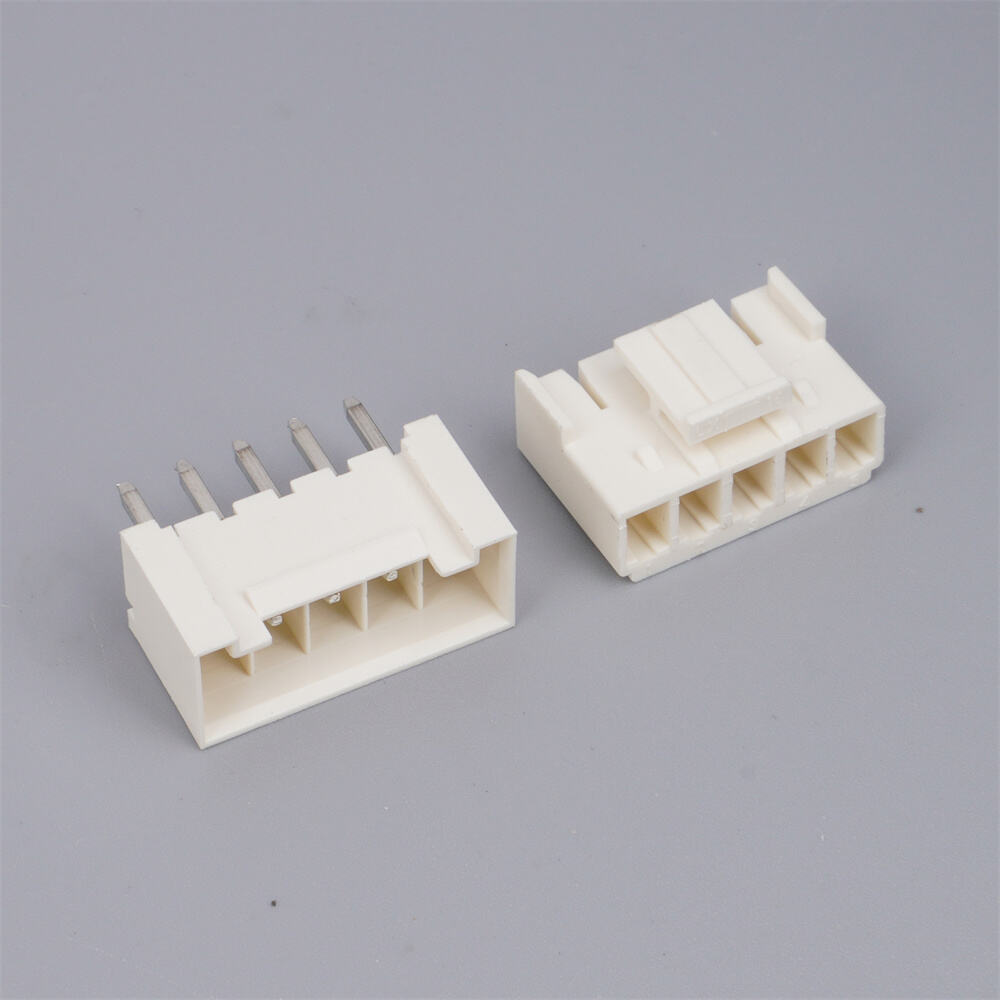
In industrial automation, building management systems, and critical infrastructure applications, the quality of electrical switches directly determines whether operations run smoothly or catastrophically fail. When engineers and facility managers evaluate component selection, switch quality emerges as a fundamental factor influencing not just immediate functionality but long-term system safety and reliability. Understanding why switch quality matters goes beyond basic component specifications—it touches upon operational continuity, worker safety, equipment protection, and ultimately the financial health of industrial operations.
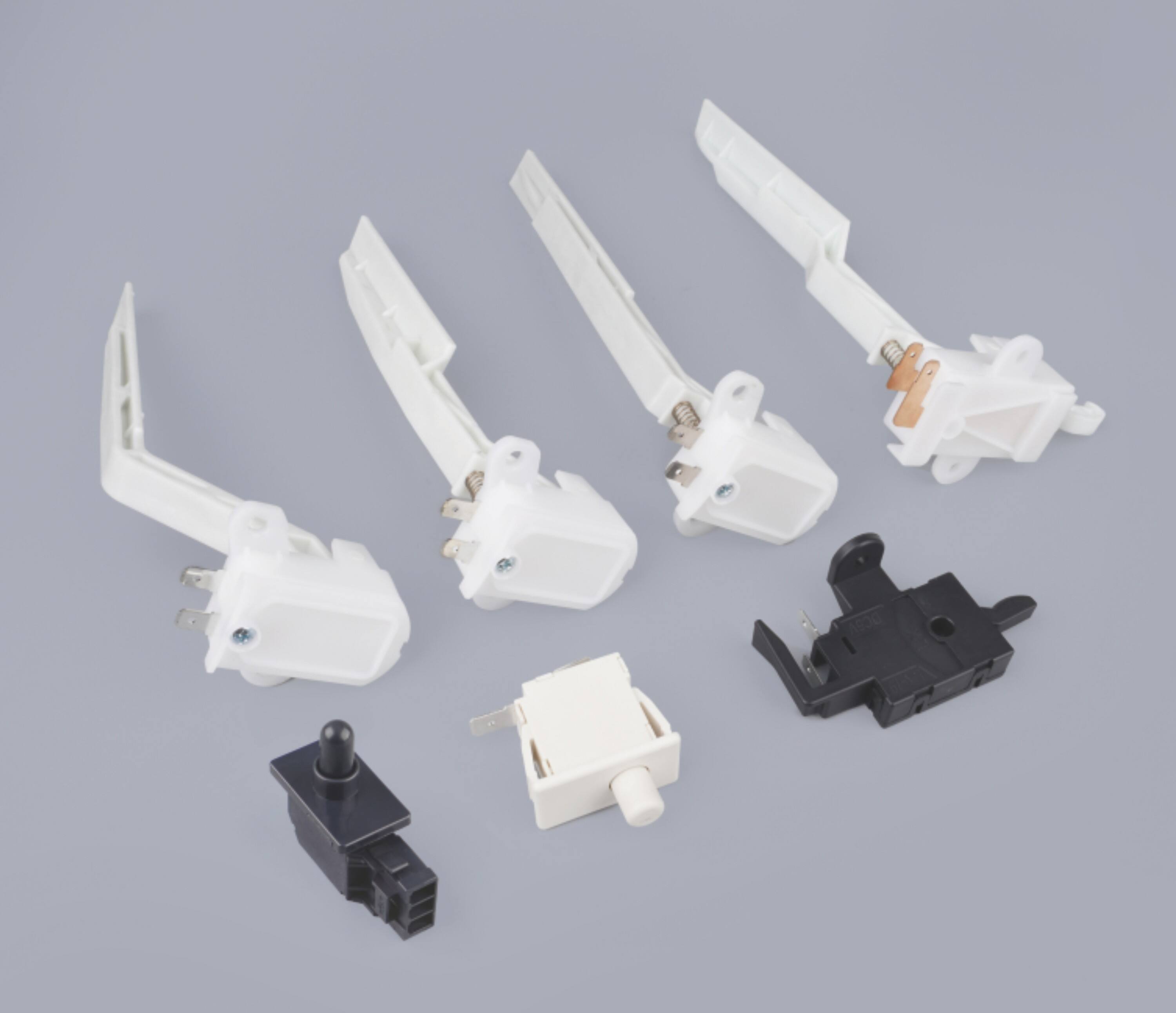
The connection between switch quality and system performance manifests through multiple pathways that industrial professionals must carefully consider. Poor switch quality introduces failure points that cascade through interconnected systems, creating vulnerabilities that compromise both safety protocols and operational reliability. From contact degradation that causes intermittent faults to mechanical failures that trigger emergency shutdowns, substandard switches represent hidden risks that only become apparent when systems fail under critical conditions. This comprehensive examination explores the technical, operational, and business reasons why investing in superior switch quality delivers measurable benefits for system safety and reliability.
The Technical Foundation of Switch Quality and System Integrity
Material Composition and Contact Performance
The materials used in switch construction form the foundation of switch quality and directly influence how reliably electrical contacts perform over millions of operating cycles. High-quality switches incorporate precious metal alloys like silver-nickel or gold-plated contacts that resist oxidation and maintain consistent conductivity throughout their service life. These superior materials ensure that electrical resistance remains stable, preventing voltage drops that could cause downstream equipment malfunctions or trigger safety systems inappropriately. When switch quality suffers due to inferior contact materials such as bare copper or low-grade alloys, oxidation develops rapidly, creating high-resistance points that generate heat and potentially ignite surrounding materials.
Contact resistance characteristics change dramatically based on switch quality, affecting both signal integrity and power transmission capabilities. Premium switches maintain contact resistance below specified thresholds even after hundreds of thousands of operations, while low-quality alternatives may exhibit resistance increases of several orders of magnitude within relatively short operational periods. This degradation impacts system safety by creating unpredictable electrical behavior—control signals may not register reliably, power circuits may develop hot spots, and protective devices may fail to respond appropriately during fault conditions. Industrial engineers recognize that switch quality in contact materials represents a critical investment in preventing these failure modes.
Mechanical Precision and Operational Consistency
The mechanical components within switches determine operational consistency through precise spring tensions, actuator alignment, and contact gap dimensions that must remain stable across temperature variations and vibration exposure. Switch quality manifests in tight manufacturing tolerances that ensure repeatable actuation forces and consistent contact bounce characteristics. When mechanical precision suffers, switches develop erratic behavior patterns—actuations may require unpredictable force levels, contacts may chatter during transitions, and mechanisms may bind under certain environmental conditions. These inconsistencies directly threaten system reliability by introducing timing variations in control sequences and creating intermittent faults that prove difficult to diagnose.
Superior switch quality incorporates engineering features like self-cleaning contact action, snap-action mechanisms that provide definitive state transitions, and robust spring systems that maintain specified actuation characteristics throughout the switch's operational life. These mechanical refinements prevent the gradual degradation that characterizes low-quality switches, where springs lose tension, pivot points develop excessive play, and contact alignment drifts beyond acceptable limits. For safety-critical applications, mechanical precision in switch quality ensures that emergency stop circuits, interlock systems, and protective relays function exactly as designed when called upon, without the hesitation or failure modes associated with degraded mechanical components.
Environmental Resistance and Protection Ratings
Switch quality determines how effectively components resist environmental challenges including moisture ingress, dust accumulation, chemical exposure, and thermal cycling that characterize industrial operating environments. Premium switches achieve genuine IP65 or IP67 protection ratings through precision-molded housings, compression gasket systems, and sealed actuator interfaces that maintain integrity even during high-pressure washdown procedures. This environmental protection directly impacts system safety by preventing short circuits caused by water bridging, corrosion-induced failures, and contamination that degrades insulation properties. Lower switch quality often involves inadequate sealing systems that allow gradual contamination accumulation, creating latent failure mechanisms that manifest unexpectedly during critical operations.
The relationship between switch quality and environmental resistance extends to temperature performance, where premium switches maintain specifications across wide ambient ranges from minus forty to eighty-five degrees Celsius. This thermal stability ensures that switches installed in outdoor equipment enclosures, near heat-generating machinery, or in refrigerated environments perform reliably regardless of seasonal variations or process conditions. Inferior switch quality typically exhibits temperature-dependent behavior changes—contact resistance increases at elevated temperatures, mechanical components bind in cold conditions, and plastic housings become brittle after thermal cycling. These temperature-induced variations introduce unpredictability into system behavior, potentially causing safety system failures precisely when environmental stress levels peak.
Safety System Dependencies on Switch Reliability
Emergency Stop Circuit Integrity
Emergency stop systems represent the most critical safety application where switch quality directly determines whether hazardous machinery stops when operators activate emergency controls. These safety circuits rely on switches to interrupt power to motion systems, close protective barriers, and initiate controlled shutdown sequences within specified response times. High switch quality ensures that emergency stop actuations produce immediate, positive contact separation without welding, bouncing, or incomplete transitions that could delay protective responses. The mechanical robustness of quality switches guarantees functionality even after impacts, vibration exposure, or environmental contamination that might compromise lesser components.
Safety standards including ISO 13850 and IEC 60947-5-5 specify performance requirements for emergency stop switches that only premium switch quality can reliably meet throughout extended service intervals. These standards mandate predictable actuator travel, definitive contact separation, and maintained performance after specified environmental exposure and mechanical endurance testing. When organizations specify inferior switch quality for cost reduction, they introduce failure probabilities into safety circuits that regulatory authorities consider unacceptable. Field experience demonstrates that emergency stop failures during actual emergency conditions often trace to switch quality compromises made during initial equipment specification or maintenance replacement decisions.
Interlock and Guard System Performance
Machine safeguarding depends on interlock switches that prevent hazardous motion when protective guards open, creating a direct link between switch quality and worker protection from mechanical hazards. These position-sensing switches must reliably detect guard status and communicate this information to safety controllers without false positives that disrupt production or false negatives that permit unsafe operation. Superior switch quality incorporates positive-opening contact mechanisms that physically separate contacts through mechanical linkage rather than relying solely on spring force, ensuring that contact separation occurs even if internal components weld or bind.
The reliability demands on interlock switches require switch quality that maintains performance through hundreds of thousands of guard opening cycles, exposure to industrial contaminants, and occasional impact loads from guard closures. Premium switches designed for safety interlocking incorporate coded actuation that prevents defeat attempts, tamper-resistant mounting, and diagnostic capabilities that enable predictive maintenance. Lower switch quality in interlock applications creates scenarios where guards appear closed to operators while switches fail to signal controllers, or where switches indicate closed status despite guard displacement—both conditions that expose workers to serious injury risks from unexpected machine motion.
Process Safety Instrumented Systems
In chemical processing, oil and gas operations, and other industries governed by process safety management standards, instrumented protective functions depend on field switches to detect hazardous conditions and initiate automated protective responses. Switch quality in these applications directly influences the probability of failure on demand, a metric that determines whether safety instrumented systems meet required Safety Integrity Levels under IEC 61508 and IEC 61511 standards. High-reliability switches with documented failure mode data, diagnostic coverage, and proof test procedures enable system designers to achieve SIL 2 or SIL 3 ratings that regulatory frameworks mandate for critical process protection.
The failure modes associated with poor switch quality particularly threaten process safety because they often manifest as dangerous undetected failures rather than safe failures that trigger alarms. A pressure switch with degraded contacts may fail to signal overpressure conditions, or a level switch with mechanical binding may not indicate high-level conditions that require automated feed shutdowns. These latent failures accumulate in systems until actual process upsets occur, at which point protective systems fail to respond appropriately. Organizations that prioritize switch quality in safety instrumented applications reduce the likelihood of catastrophic incidents that result from undetected component degradation, supporting both regulatory compliance and genuine risk reduction objectives.
Operational Reliability Implications of Switch Performance
Intermittent Fault Generation and Troubleshooting Burden
Degraded switch quality manifests operationally through intermittent faults that prove extraordinarily difficult to diagnose and resolve, consuming maintenance resources while creating unpredictable system behavior. These intermittent failures occur when contact surfaces oxidize unevenly, mechanical components develop marginal alignment, or environmental contamination creates variable conductivity paths. Maintenance personnel face frustrating troubleshooting scenarios where switches test acceptably during static measurements but fail during actual operation under vibration, temperature variation, or specific actuation speeds. The productivity impact extends beyond direct troubleshooting time to include repeated system startups, prolonged equipment outages, and eventual wholesale component replacement when root causes remain elusive.
Superior switch quality eliminates these intermittent failure modes through consistent contact performance, stable mechanical characteristics, and effective environmental sealing that prevents contamination accumulation. When systems incorporate premium switches, fault conditions present definitively rather than intermittently—contacts either conduct properly or fail completely, mechanical actions either complete successfully or obviously bind, and environmental intrusion either compromises function noticeably or remains prevented entirely. This predictable failure behavior enables efficient troubleshooting, supports condition-based maintenance strategies, and reduces the operational disruption associated with mysterious intermittent faults that characterize systems built with marginal switch quality.
Mean Time Between Failures and Maintenance Planning
The statistical reliability differences between premium and economy switch quality dramatically impact maintenance planning, spare parts inventory requirements, and operational availability metrics that determine production efficiency. High-quality switches typically achieve mean time between failures measured in decades for many applications, while low-quality alternatives may require replacement within months under identical operating conditions. This reliability differential affects not just direct component costs but also labor expenses for replacement, system downtime during maintenance, and the organizational burden of tracking component performance and scheduling interventions.
Organizations that standardize on superior switch quality benefit from extended maintenance intervals, reduced spare parts inventory carrying costs, and improved production scheduling predictability. Maintenance planning becomes proactive rather than reactive, with switch replacements occurring during scheduled outages based on documented service life rather than responding to unexpected failures during production runs. The reliability advantage of quality switches compounds in complex systems containing dozens or hundreds of switching devices—each incremental reliability improvement multiplies across the system, substantially reducing the probability of unplanned outages that disrupt production schedules and disappoint customers expecting on-time deliveries.
System Integration and Control Reliability
Modern industrial systems integrate switches into programmable logic controllers, distributed control systems, and safety programmable controllers where signal integrity and timing predictability prove essential for reliable automated operation. Switch quality influences whether control systems receive clean, bounce-free state transitions or noisy signals that require extensive filtering and create timing uncertainties. Premium switches with gold-flashed contacts and snap-action mechanisms generate crisp signal edges that control systems process reliably, while degraded switches produce signals with multiple transitions, voltage dips, and timing jitter that may cause control logic errors or require conservative programming approaches that sacrifice performance.
The integration challenges multiply when inferior switch quality introduces ground loop currents, electromagnetic interference susceptibility, and leakage currents that compromise signal accuracy in analog control loops. These electrical noise issues force system designers to implement additional filtering, shielding, and signal conditioning that increases system complexity and introduces additional failure points. By specifying appropriate switch quality during initial system design, engineers avoid these downstream complications while ensuring that field devices communicate reliably with control infrastructure throughout extended operational periods without degradation that might necessitate recalibration or replacement.
Business Impact and Total Cost Considerations
Direct and Indirect Failure Costs
The financial impact of switch quality extends far beyond initial purchase price differences to encompass failure-related costs including emergency maintenance callouts, production losses during unplanned outages, expedited parts procurement, and potential safety incidents with associated liability exposure. A switch failure that halts a continuous process line for even thirty minutes may generate production losses worth thousands of dollars, dwarfing any savings achieved through initial component cost reduction. These unplanned interruptions disrupt supply chains, disappoint customers, strain maintenance resources, and create cascading delays that extend operational impact beyond the immediate failure event.
Organizations that conduct rigorous total cost of ownership analyses consistently discover that premium switch quality delivers superior financial returns despite higher acquisition costs. The reliability dividend from quality switches manifests through reduced maintenance labor, lower spare parts consumption, improved production efficiency, and decreased safety incident risk. Financial modeling that properly accounts for the probability-weighted costs of switch failures, including low-probability high-consequence events like safety system failures during actual emergencies, invariably justifies the incremental investment in superior components. Procurement professionals who understand these total cost dynamics advocate for switch quality specifications that minimize lifecycle costs rather than optimizing initial purchase prices.
Regulatory Compliance and Audit Readiness
Industries subject to safety regulations including OSHA requirements, EPA process safety management rules, and industry-specific standards face regulatory expectations regarding component quality in safety-critical applications. Regulatory inspectors and third-party auditors increasingly scrutinize whether organizations specify appropriate switch quality for safety applications, recognizing that component selection decisions directly influence the effectiveness of required safeguards. Documentation of switch specifications, maintenance records, and failure analyses becomes critical during compliance audits, with inferior switch quality potentially triggering citations, mandated corrective actions, or increased inspection frequencies.
The regulatory burden associated with demonstrating adequate switch quality in safety applications creates administrative costs that organizations must consider alongside direct component and maintenance expenses. Premium switches from reputable manufacturers typically include comprehensive technical documentation, agency certifications, and failure mode data that support compliance demonstrations, while economy alternatives often lack the documentation infrastructure that auditors expect. Organizations that standardize on documented, certified switch quality streamline compliance activities, reduce audit preparation burden, and minimize the risk of regulatory findings that could escalate to enforcement actions or production restrictions.
Reputation and Customer Confidence
Equipment manufacturers and system integrators recognize that switch quality decisions influence their reputation in competitive markets where reliability performance differentiates successful suppliers from marginal competitors. End users increasingly conduct supplier performance evaluations that track equipment reliability, safety incident rates, and maintenance burden—metrics directly influenced by component quality decisions including switch specifications. Manufacturers that compromise switch quality to reduce equipment costs risk field reliability problems that damage customer relationships, generate warranty claims, and undermine competitive positioning in markets where reliability reputation determines market access.
The competitive advantage of superior switch quality becomes particularly evident in industries where equipment downtime carries severe consequences—pharmaceutical manufacturing under FDA oversight, food processing with stringent contamination control requirements, or semiconductor fabrication where production interruptions cost millions per hour. Customers in these demanding applications specifically evaluate component specifications during procurement, recognizing that switch quality serves as a proxy indicator for overall equipment design philosophy and expected reliability performance. Suppliers that demonstrate commitment to quality through documented switch specifications, rigorous testing protocols, and transparent failure mode analysis build customer confidence that translates to market share gains and premium pricing opportunities.
FAQ
How does switch quality affect long-term maintenance costs in industrial facilities?
Switch quality fundamentally determines maintenance cost trajectories through reliability differences that accumulate over equipment service life. Premium switches require replacement less frequently, generate fewer troubleshooting calls, and maintain performance characteristics that prevent the gradual system degradation requiring compensating adjustments elsewhere. The maintenance cost differential typically exceeds initial price differences by factors of five to ten when accounting for labor, downtime, and secondary effects of switch failures. Organizations tracking maintenance costs by component category consistently identify switch quality as a high-leverage factor where modest specification improvements yield disproportionate cost reductions.
Can low-quality switches pass initial testing but fail prematurely in service?
Yes, this represents one of the most problematic aspects of inferior switch quality—components may meet basic functional tests during incoming inspection or initial commissioning but degrade rapidly under actual operating conditions. The failure mechanisms involve contact surface oxidation accelerated by electrical arcing, mechanical wear in undertolerance components, and environmental intrusion through inadequate sealing systems. These degradation processes occur gradually, producing intermittent faults before complete failure. Acceptance testing typically cannot replicate the cumulative stress of thousands of operating cycles, temperature variations, and contamination exposure that reveal switch quality differences in field service.
What role does switch quality play in achieving high system availability targets?
System availability calculations depend on the reliability of individual components, making switch quality a critical factor in achieving demanding uptime targets like 99.9 percent availability. Each switch in a system contributes failure probability that reduces overall availability, so component reliability directly determines whether availability targets prove achievable. High-quality switches with documented MTBF values enable system designers to model availability accurately and implement redundancy only where genuinely necessary. Conversely, systems incorporating marginal switch quality require extensive redundancy, frequent preventive replacement, or acceptance of lower availability that impacts production efficiency and customer satisfaction.
How should organizations balance switch quality against budget constraints in new equipment specifications?
Effective specification strategies differentiate switch quality requirements based on application criticality, with premium components specified for safety functions, difficult-to-access locations, and high-reliability applications while accepting economy alternatives for non-critical, easily maintained positions. This risk-based approach allocates budget to applications where switch quality delivers maximum value while managing overall equipment costs. The differentiation requires disciplined application analysis during design phases, clear specification communication to procurement teams, and verification that builders implement specified quality levels rather than substituting economy alternatives. Organizations achieving optimal balance conduct failure mode analysis that quantifies consequences of switch failures in specific positions, then specify switch quality appropriate to risk levels.
Table of Contents
- The Technical Foundation of Switch Quality and System Integrity
- Safety System Dependencies on Switch Reliability
- Operational Reliability Implications of Switch Performance
- Business Impact and Total Cost Considerations
-
FAQ
- How does switch quality affect long-term maintenance costs in industrial facilities?
- Can low-quality switches pass initial testing but fail prematurely in service?
- What role does switch quality play in achieving high system availability targets?
- How should organizations balance switch quality against budget constraints in new equipment specifications?

