electrical joints
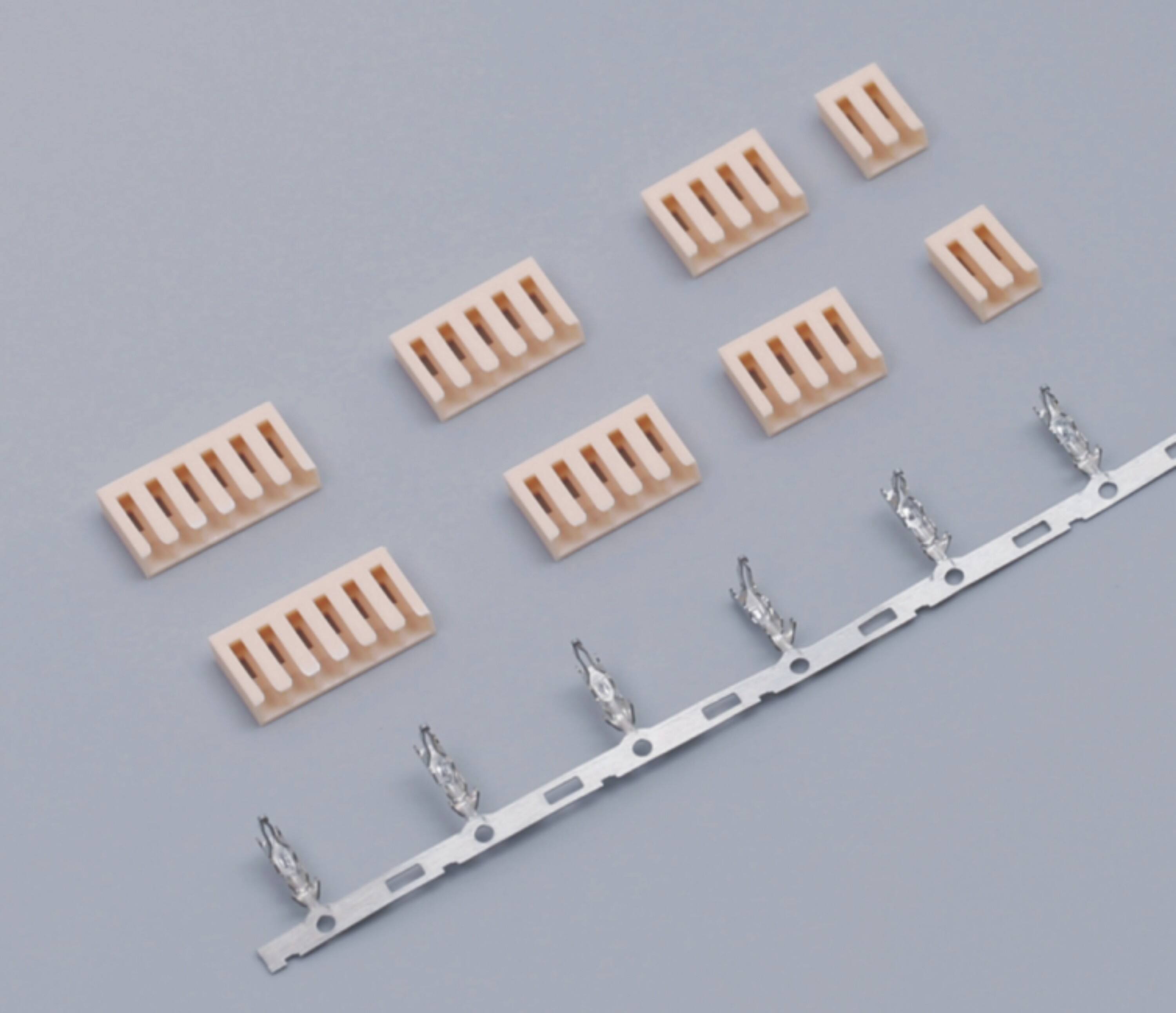
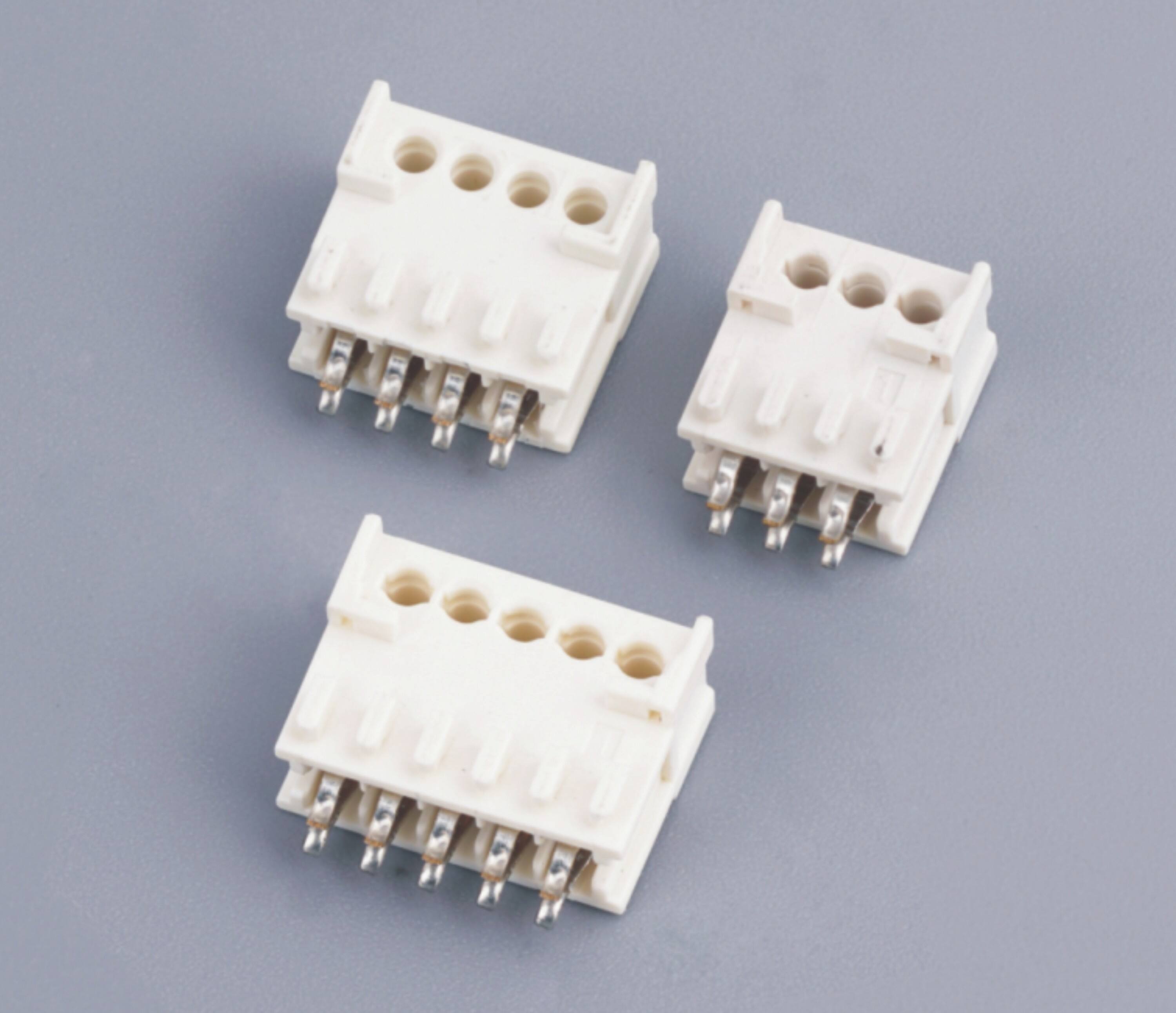
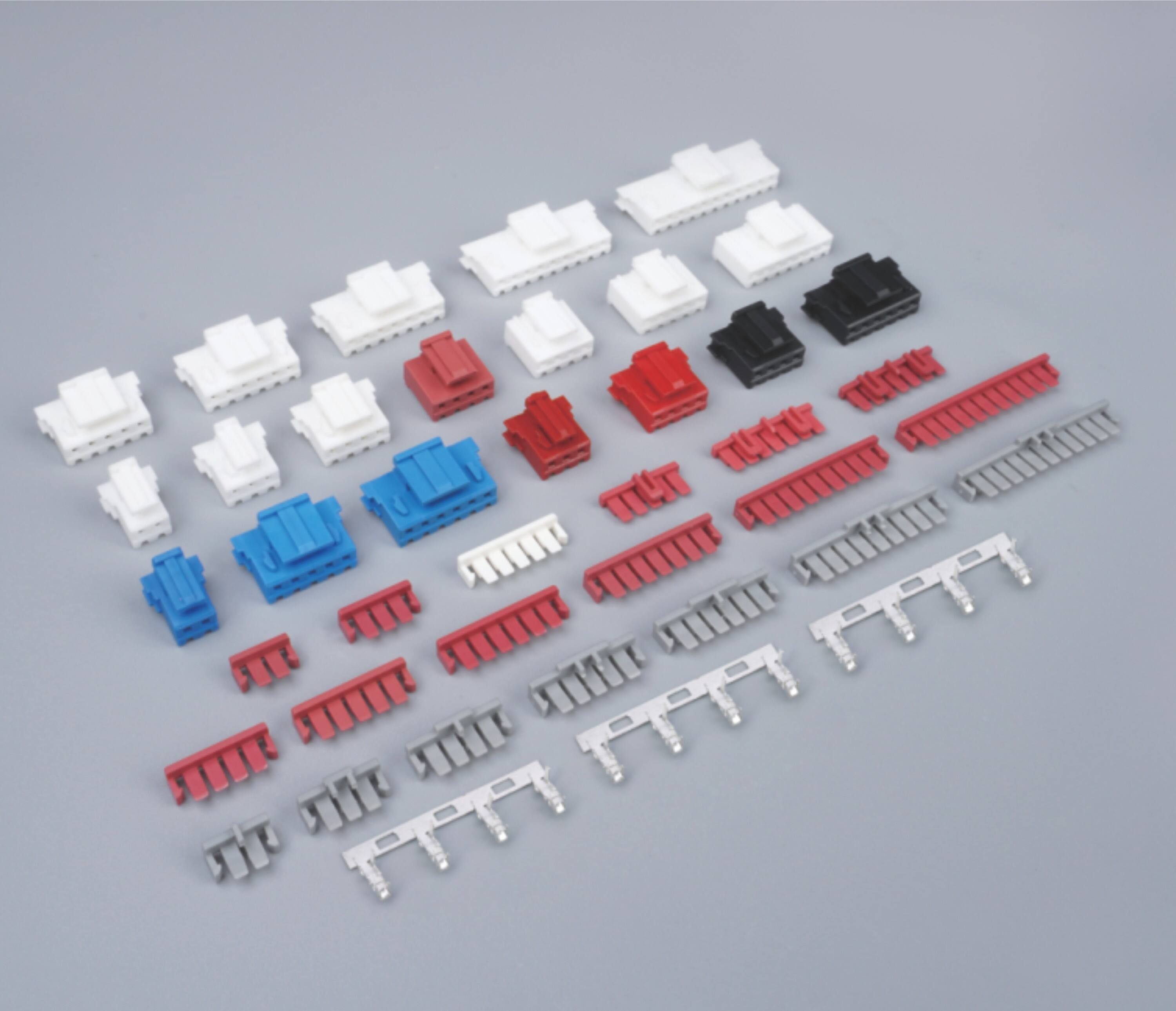
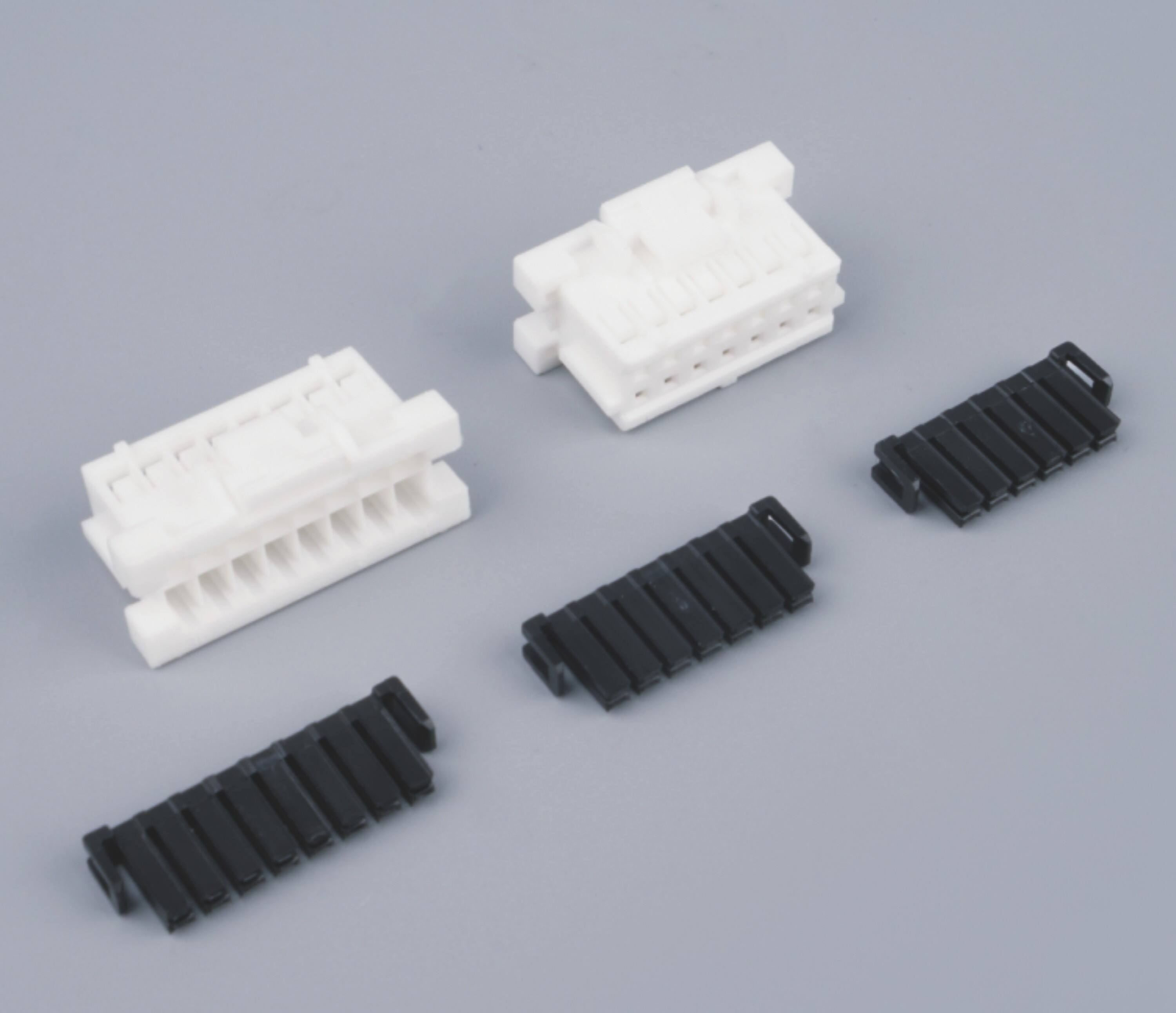
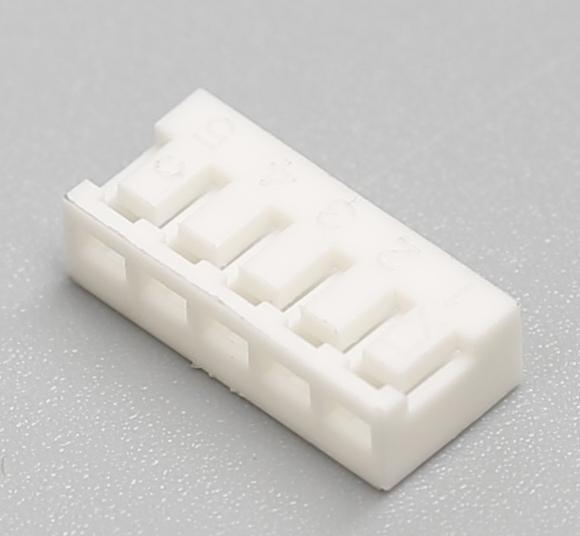
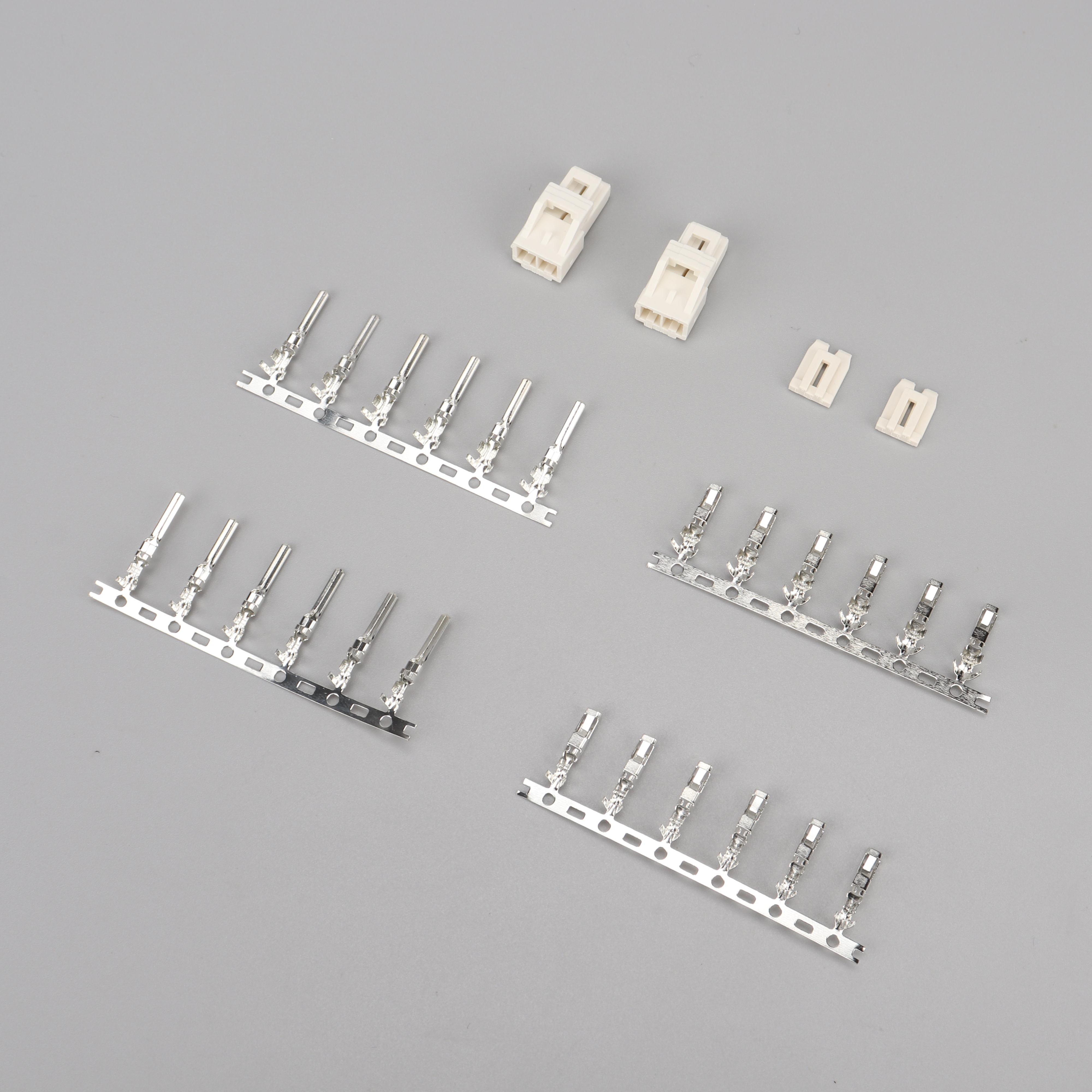
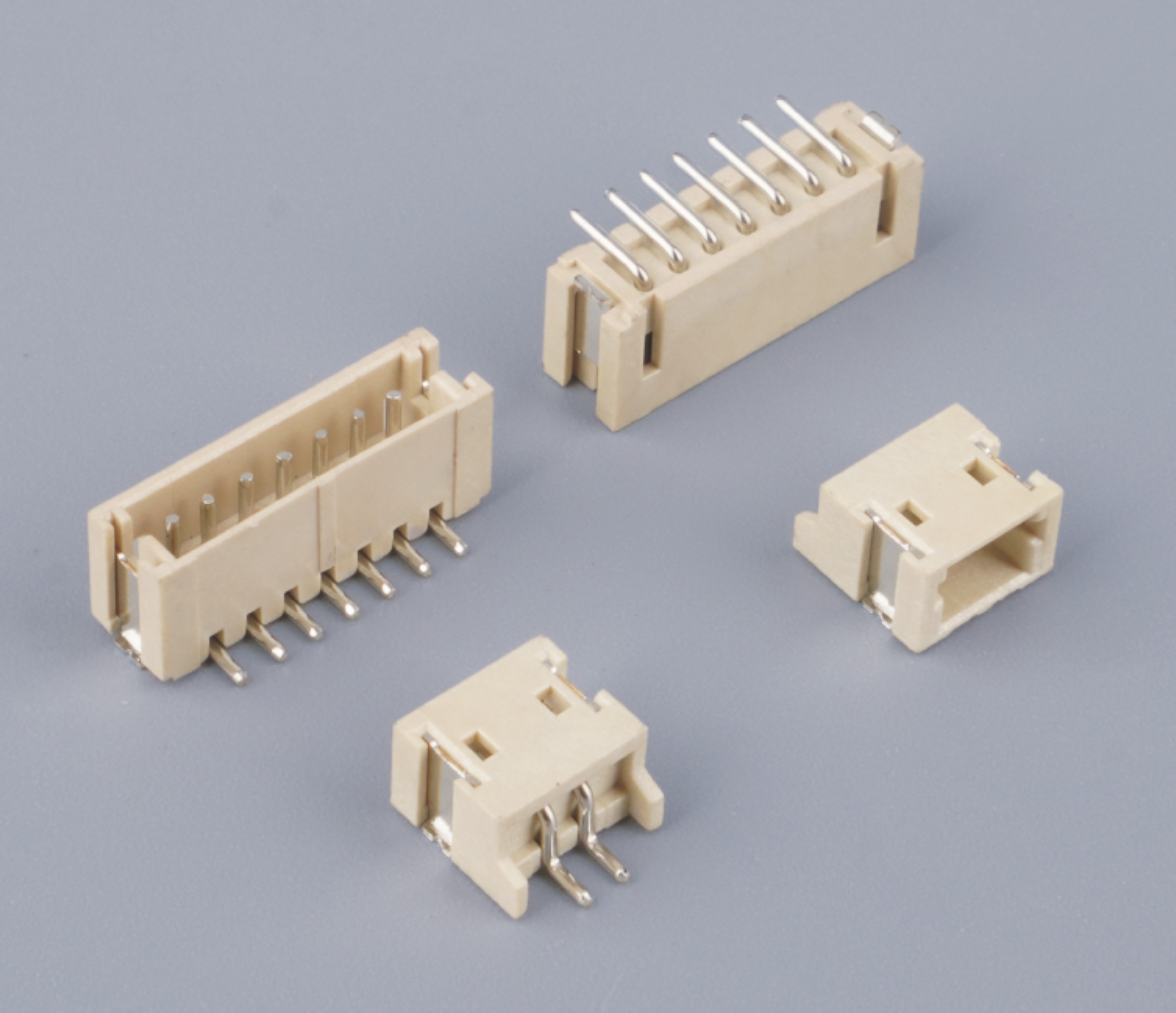
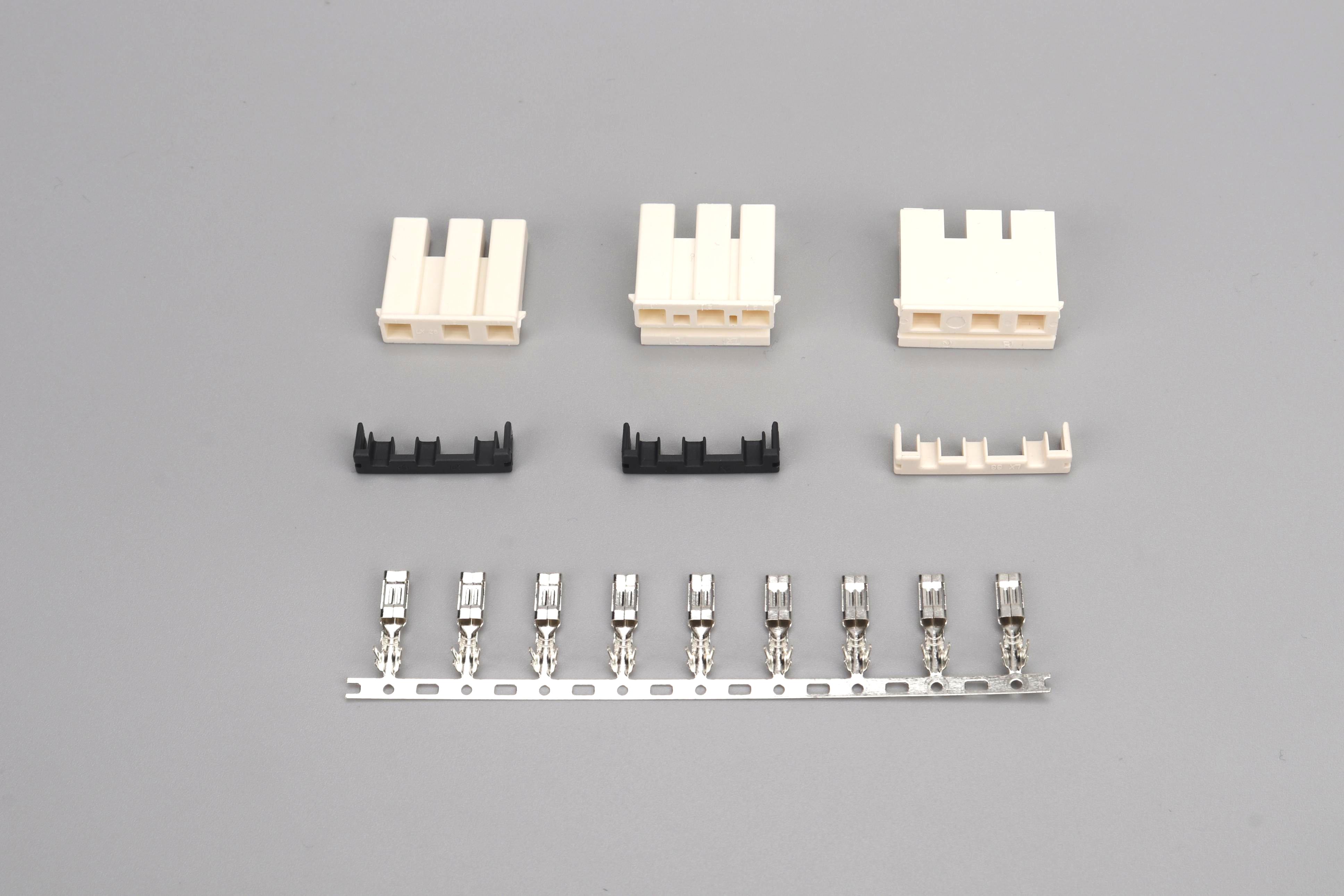
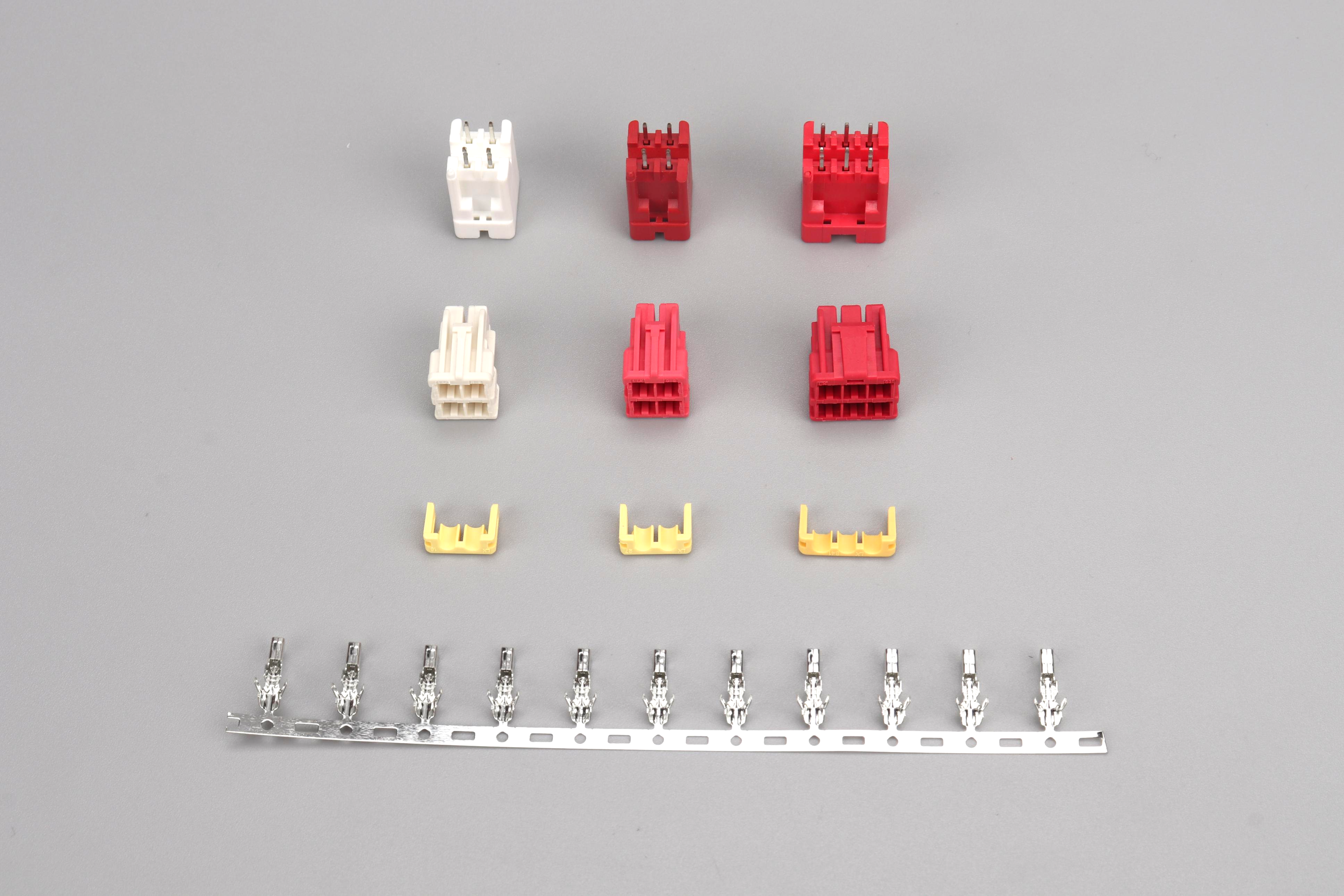
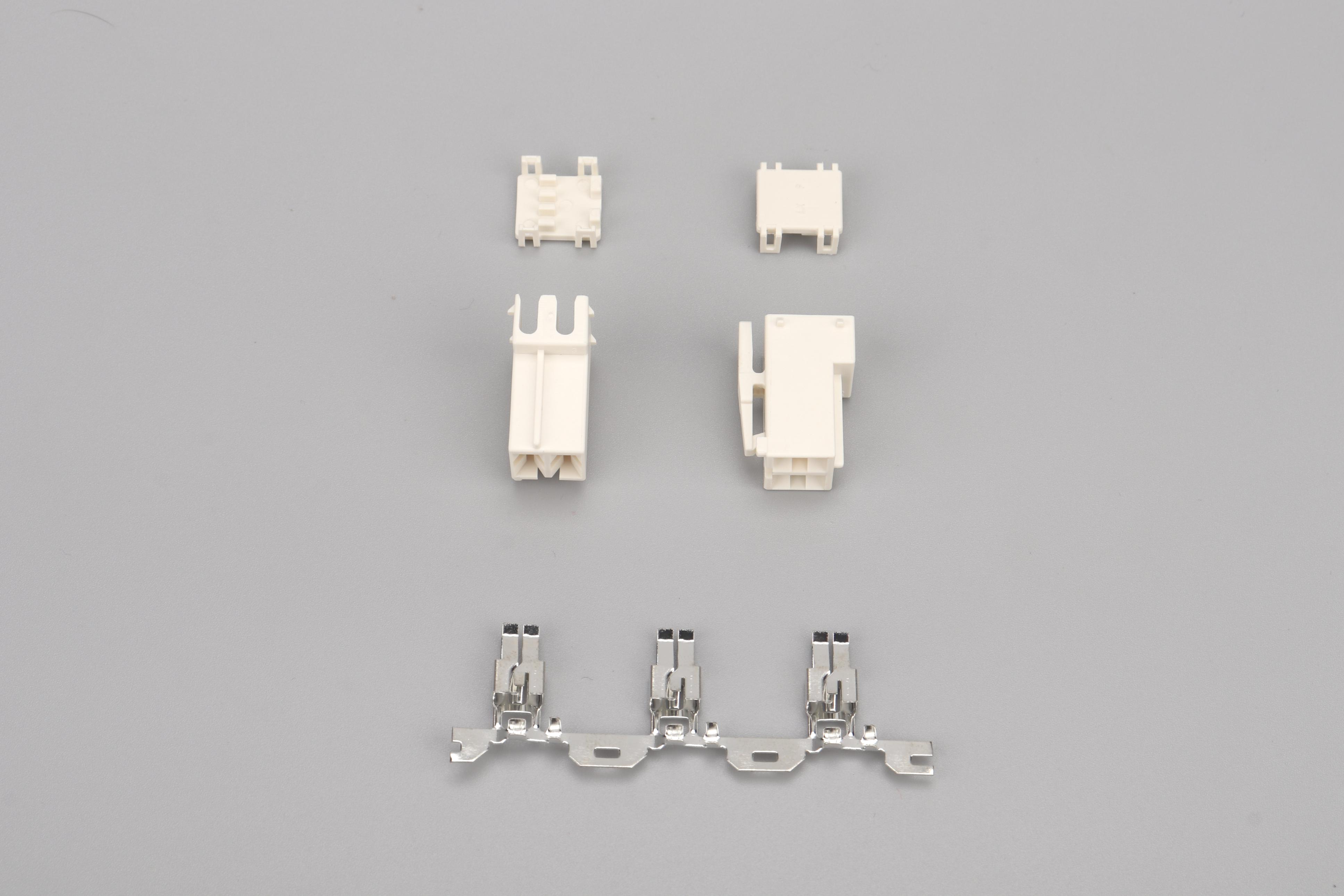
Electrical joints serve as crucial connection points in electrical systems, providing secure and efficient pathways for electrical current flow. These specialized components are engineered to maintain consistent electrical conductivity while ensuring safety and reliability in various applications. Modern electrical joints incorporate advanced design features, including heat-resistant materials, corrosion protection, and innovative locking mechanisms that prevent loosening over time. These joints are essential in both residential and industrial settings, supporting everything from basic household wiring to complex industrial machinery. The design of electrical joints takes into account factors such as current capacity, voltage requirements, environmental conditions, and installation flexibility. They are manufactured to meet strict safety standards and regulatory requirements, incorporating features like insulation barriers and failsafe mechanisms. The versatility of electrical joints enables them to function effectively in diverse environments, from standard indoor installations to challenging outdoor conditions where they must withstand extreme temperatures and weather exposure. Advanced electrical joints also feature smart monitoring capabilities, allowing for predictive maintenance and real-time performance assessment, which is particularly valuable in critical infrastructure applications.

 EN
EN