
 EN
EN



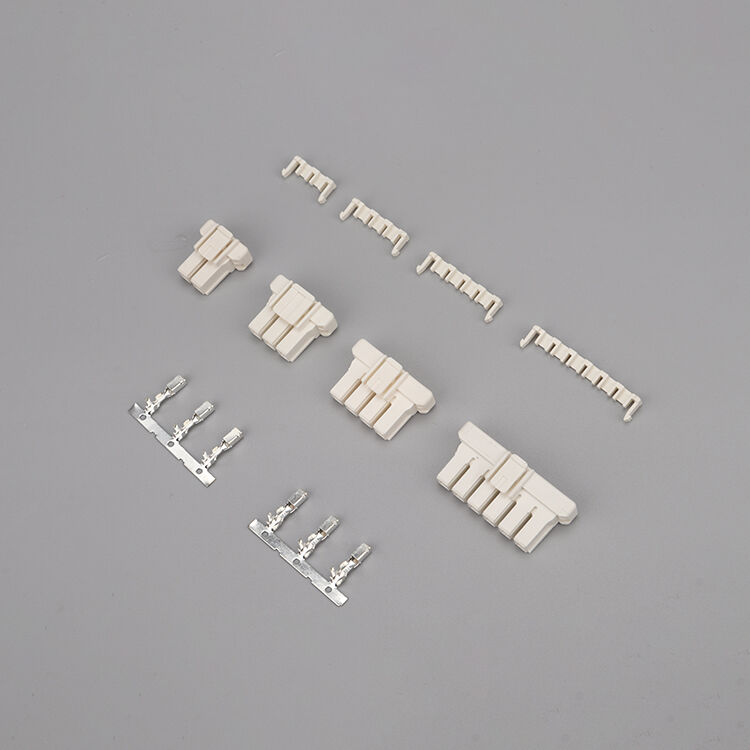
Modern electronic systems rely heavily on secure and reliable electrical connections to maintain optimal performance across diverse applications. Plug connectors serve as the critical interface between different components, ensuring stable signal transmission and power delivery in complex circuits. These versatile connection solutions have become indispensable in industries ranging from telecommunications and automotive to aerospace and industrial automation, where consistent electrical continuity directly impacts system reliability and operational efficiency.
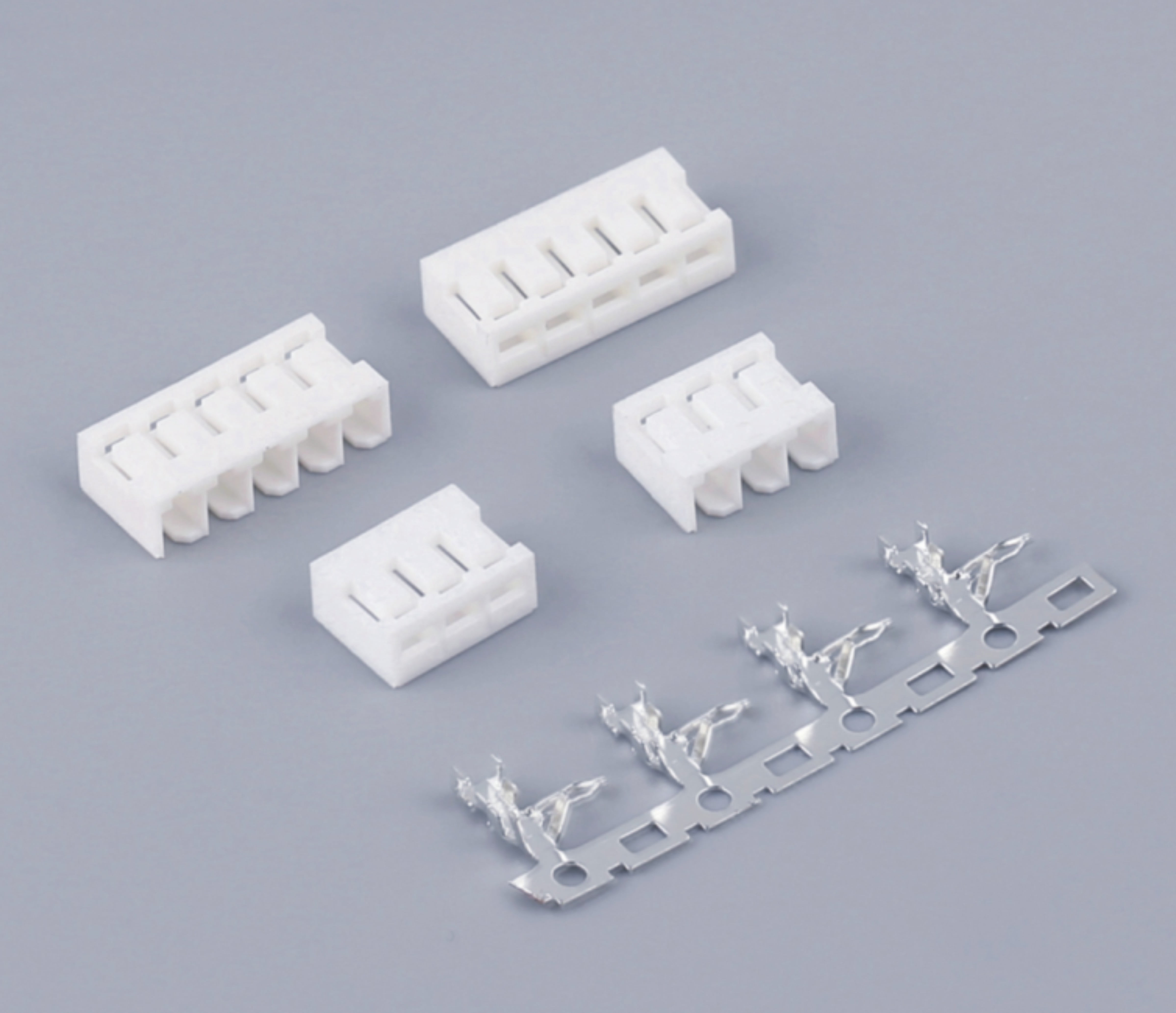
The evolution of electronic device miniaturization and increased performance demands has driven significant advancements in connector technology. Engineers must carefully consider various factors including contact resistance, current-carrying capacity, and environmental durability when selecting appropriate connection solutions for their applications. Understanding the fundamental characteristics and capabilities of different connector types enables better design decisions that ultimately enhance system performance and longevity.
High-performance electronic circuits require connection solutions that can handle demanding electrical specifications while maintaining compact form factors. The selection process involves evaluating multiple technical parameters including voltage ratings, current handling capabilities, and mechanical durability to ensure long-term reliability in challenging operating conditions. Professional engineers increasingly rely on standardized connector families that offer proven performance characteristics and broad compatibility across different system architectures.
Essential Design Characteristics for Circuit Applications
Contact Material and Plating Technologies
The choice of contact materials significantly influences the electrical performance and longevity of connector systems. Gold-plated contacts provide excellent corrosion resistance and low contact resistance, making them ideal for high-frequency applications and environments with elevated humidity or chemical exposure. Silver and tin plating options offer cost-effective alternatives for applications where moderate environmental protection is sufficient while maintaining good electrical conductivity.
Advanced plating technologies incorporate multiple layers to optimize both electrical and mechanical properties. Base copper alloys provide structural strength and thermal management, while intermediate nickel barriers prevent migration between different metal layers. Surface finishes are engineered to minimize oxidation and maintain consistent contact resistance throughout the connector's operational lifetime, ensuring reliable signal integrity in critical applications.
Contact geometry plays a crucial role in achieving reliable electrical connections under various mechanical stress conditions. Spring-loaded contacts maintain consistent pressure against mating surfaces, compensating for thermal expansion and mechanical tolerances that could otherwise compromise connection quality. Proper contact design ensures adequate normal force while minimizing insertion and withdrawal forces for user-friendly operation.
Insulation Materials and Dielectric Properties
High-performance insulators must exhibit excellent dielectric strength while maintaining mechanical stability across wide temperature ranges. Engineering thermoplastics such as polyoxymethylene and liquid crystal polymers offer superior dimensional stability and chemical resistance compared to traditional materials. These advanced polymers enable tighter manufacturing tolerances and improved long-term reliability in demanding applications.
Dielectric constant and loss tangent characteristics become increasingly important in high-frequency applications where signal integrity is paramount. Low-loss materials minimize signal attenuation and crosstalk between adjacent circuits, enabling reliable data transmission at elevated frequencies. Material selection must balance electrical performance requirements with mechanical properties and processing considerations to achieve optimal overall connector performance.
Flame retardancy and chemical compatibility requirements often dictate material choices in specific application environments. Halogen-free formulations address environmental and safety concerns while maintaining necessary performance characteristics. UV stabilization and other additives enhance long-term durability in outdoor or high-illumination environments where polymer degradation could compromise connector reliability.
Electrical Performance Parameters
Current Carrying Capacity and Thermal Management
Current rating specifications depend on multiple factors including contact cross-sectional area, material conductivity, and thermal dissipation characteristics. Proper derating calculations account for ambient temperature, grouping effects, and duty cycle considerations to ensure safe operation within specified limits. Thermal modeling helps predict temperature rise under various loading conditions, enabling appropriate safety margins in connector selection and application design.
Heat generation in electrical connections follows I²R relationships, making contact resistance a critical parameter for high-current applications. Quality plug connectors maintain low and stable contact resistance throughout their operational lifetime, minimizing power losses and preventing excessive temperature rise that could damage sensitive electronic components. Regular monitoring and maintenance protocols help ensure continued performance in critical applications.
Thermal cycling effects can cause expansion and contraction that stresses solder joints and mechanical interfaces. Connector designs must accommodate these thermal movements without compromising electrical continuity or mechanical integrity. Stress relief features and flexible mounting arrangements help prevent fatigue failures in applications with significant temperature variations.
Voltage Ratings and Insulation Coordination
Voltage ratings encompass both continuous operating voltages and transient overvoltage capabilities. Insulation coordination ensures adequate clearance and creepage distances between conductors at different potentials, preventing flashover or tracking failures under normal and abnormal operating conditions. Standard test procedures verify dielectric withstand capability and validate safety margins for specific application requirements.
Altitude and environmental conditions significantly affect voltage ratings due to reduced air density and contamination effects. Derating factors account for operation at elevated altitudes where reduced air density decreases dielectric strength. Pollution degree classifications help specify appropriate clearance distances for different environmental conditions, from clean indoor installations to heavily contaminated industrial environments.
Impulse voltage capability becomes important in applications exposed to switching transients or lightning-induced overvoltages. Connector insulation systems must withstand these brief but high-magnitude voltage stresses without permanent degradation. Coordinated insulation designs ensure that external protection devices operate before connector insulation is stressed beyond its capabilities.
Mechanical Durability and Reliability Factors
Mating Cycle Performance
Mechanical durability specifications define the expected operational lifetime under repeated mating and unmating operations. Contact spring designs must maintain adequate normal force throughout thousands of connection cycles while preventing excessive wear or deformation. Proper material selection and heat treatment optimize spring characteristics for long-term reliability in demanding applications.
Insertion and withdrawal force specifications ensure user-friendly operation while maintaining secure mechanical connections. Force requirements must balance ease of operation with retention capability, preventing accidental disconnections due to vibration or mechanical disturbances. Standardized test procedures verify performance under controlled conditions that simulate actual usage patterns.
Wear particle generation and contamination control become critical in sensitive electronic environments. Self-cleaning contact actions help remove oxide films and contaminants that could increase contact resistance over time. Proper material combinations minimize galvanic corrosion and fretting wear that could compromise long-term electrical performance.
Environmental Resistance Characteristics
Temperature cycling capability encompasses both continuous operating temperature ranges and thermal shock resistance. Connector materials and designs must accommodate differential expansion between dissimilar materials without creating mechanical stress concentrations that could lead to premature failures. Comprehensive testing validates performance across specified temperature ranges under realistic loading conditions.
Humidity and corrosion resistance depend on both material selection and protective coating systems. Sealed connector designs provide enhanced protection in harsh environments where moisture ingress could cause corrosion or electrical failures. Proper sealing systems maintain environmental protection throughout the connector's operational lifetime while accommodating thermal movements and mechanical tolerances.
Vibration and shock resistance capabilities ensure reliable operation in mobile and industrial applications where mechanical disturbances are common. Robust retention mechanisms prevent accidental disconnections while flexible strain relief systems protect against fatigue failures at cable entry points. Dynamic testing validates performance under realistic mechanical loading conditions.
Application-Specific Selection Considerations
Signal Integrity Requirements
High-frequency applications require careful attention to impedance control and crosstalk minimization. Connector geometry and material properties directly influence transmission line characteristics, affecting signal quality in digital and RF applications. Proper impedance matching prevents reflections that could cause data errors or signal degradation in sensitive communication systems.
Differential pair routing and shielding effectiveness become increasingly important as data rates continue to increase. Balanced transmission systems require matched pair characteristics to maintain signal integrity over extended cable lengths. Effective shielding systems prevent electromagnetic interference while maintaining mechanical flexibility and reliability under normal handling conditions.
Return loss and insertion loss characteristics define the connector's impact on overall system performance. Low-loss designs minimize signal attenuation while maintaining acceptable return loss levels that prevent system instability. Comprehensive electrical testing validates performance across specified frequency ranges under various loading and environmental conditions.
Power Distribution Applications
Power distribution systems require connectors capable of handling high currents while maintaining acceptable voltage drop levels. Contact resistance stability becomes critical in applications where power losses directly impact system efficiency and operating costs. Multiple parallel contacts or oversized conductors help achieve required current-carrying capacity while maintaining acceptable temperature rise.
Fault current capability ensures safe operation during system abnormalities that could cause temporary overcurrent conditions. Connector ratings must accommodate both normal operating currents and fault conditions until protective devices can isolate the affected circuits. Proper coordination with upstream protection ensures safe and reliable operation throughout the system's operational lifetime.
Arc interruption capability becomes important in switching applications where connectors may be operated under load conditions. Contact materials and geometric arrangements must safely interrupt electrical arcs without causing damage to the connector or surrounding equipment. Proper application guidelines help ensure safe operation within specified electrical limits.
Installation and Maintenance Best Practices
Proper Installation Techniques
Correct installation procedures ensure optimal electrical and mechanical performance throughout the connector's operational lifetime. Proper torque specifications prevent both under-tightening that could cause high resistance connections and over-tightening that could damage connector components. Calibrated torque tools and standardized procedures help achieve consistent installation quality across multiple technicians and installation sites.
Cable preparation and termination techniques significantly influence overall system reliability. Proper stripping lengths and conductor preparation prevent strand damage that could cause stress concentrations or increased resistance. Quality crimping tools and techniques ensure secure mechanical and electrical connections that withstand normal handling and environmental stresses.
Environmental sealing procedures protect against moisture ingress and contamination that could compromise long-term reliability. Proper application of sealing compounds and gaskets requires attention to surface preparation and curing conditions. Regular inspection protocols help identify potential sealing failures before they cause system problems.
Preventive Maintenance Protocols
Regular inspection schedules help identify potential problems before they cause system failures or safety hazards. Visual inspections can detect obvious damage, corrosion, or contamination that requires immediate attention. Thermal imaging surveys help identify high-resistance connections that could lead to equipment failures or fire hazards in critical applications.
Electrical testing procedures verify continued performance within specified parameters throughout the connector's operational lifetime. Contact resistance measurements help identify degradation trends that could indicate impending failures. Insulation resistance testing validates continued dielectric integrity under normal operating conditions.
Cleaning and lubrication procedures help maintain optimal performance in demanding environments where contamination or corrosion could compromise reliability. Appropriate cleaning solvents and protective coatings must be compatible with connector materials to prevent chemical damage. Proper documentation of maintenance activities helps track performance trends and optimize maintenance intervals.
FAQ
What factors determine the current-carrying capacity of plug connectors
Current-carrying capacity depends on contact cross-sectional area, material conductivity, contact resistance, and thermal dissipation characteristics. Ambient temperature, grouping effects with other current-carrying conductors, and duty cycle considerations also influence safe operating limits. Proper derating calculations account for these factors to ensure reliable operation within specified temperature rise limits.
How do environmental conditions affect connector performance and selection
Environmental factors including temperature extremes, humidity, chemical exposure, and mechanical vibration significantly influence connector material selection and design requirements. Sealed connectors provide enhanced protection against moisture and contamination, while material choices must accommodate thermal cycling and chemical compatibility requirements. Proper environmental classification helps specify appropriate connector types for specific application conditions.
What maintenance practices help ensure long-term connector reliability
Regular visual inspections detect obvious damage or contamination that requires immediate attention. Thermal imaging surveys identify high-resistance connections before they cause equipment failures. Contact resistance and insulation resistance testing verify continued electrical performance, while proper cleaning and protective coating applications help prevent corrosion and contamination in demanding environments.
How do high-frequency applications affect connector design requirements
High-frequency applications require careful attention to impedance control, return loss, insertion loss, and crosstalk characteristics. Connector geometry and material properties must maintain consistent transmission line characteristics to prevent signal reflections and degradation. Proper shielding systems minimize electromagnetic interference while differential pair designs maintain signal integrity in balanced transmission systems.

