
 EN
EN



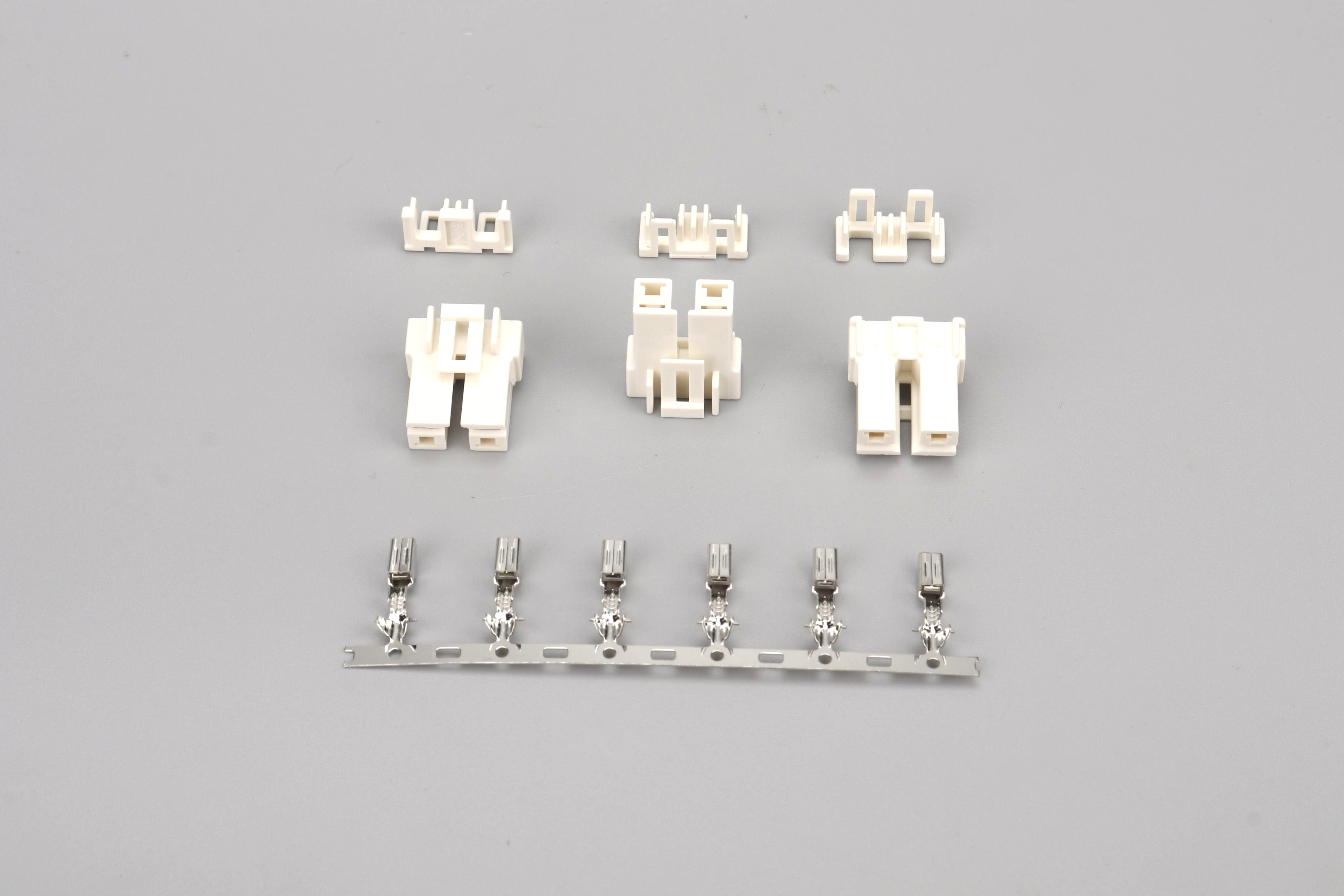
Wire to wire connectors represent critical components in electrical systems where reliable power transmission and signal integrity are paramount. These specialized connectors facilitate direct connections between cables without requiring additional junction boxes or terminal blocks, making them essential for applications demanding high current and voltage performance. Understanding how these connectors behave under extreme electrical conditions is crucial for engineers, technicians, and system designers working with power distribution, industrial automation, and heavy-duty electrical installations.
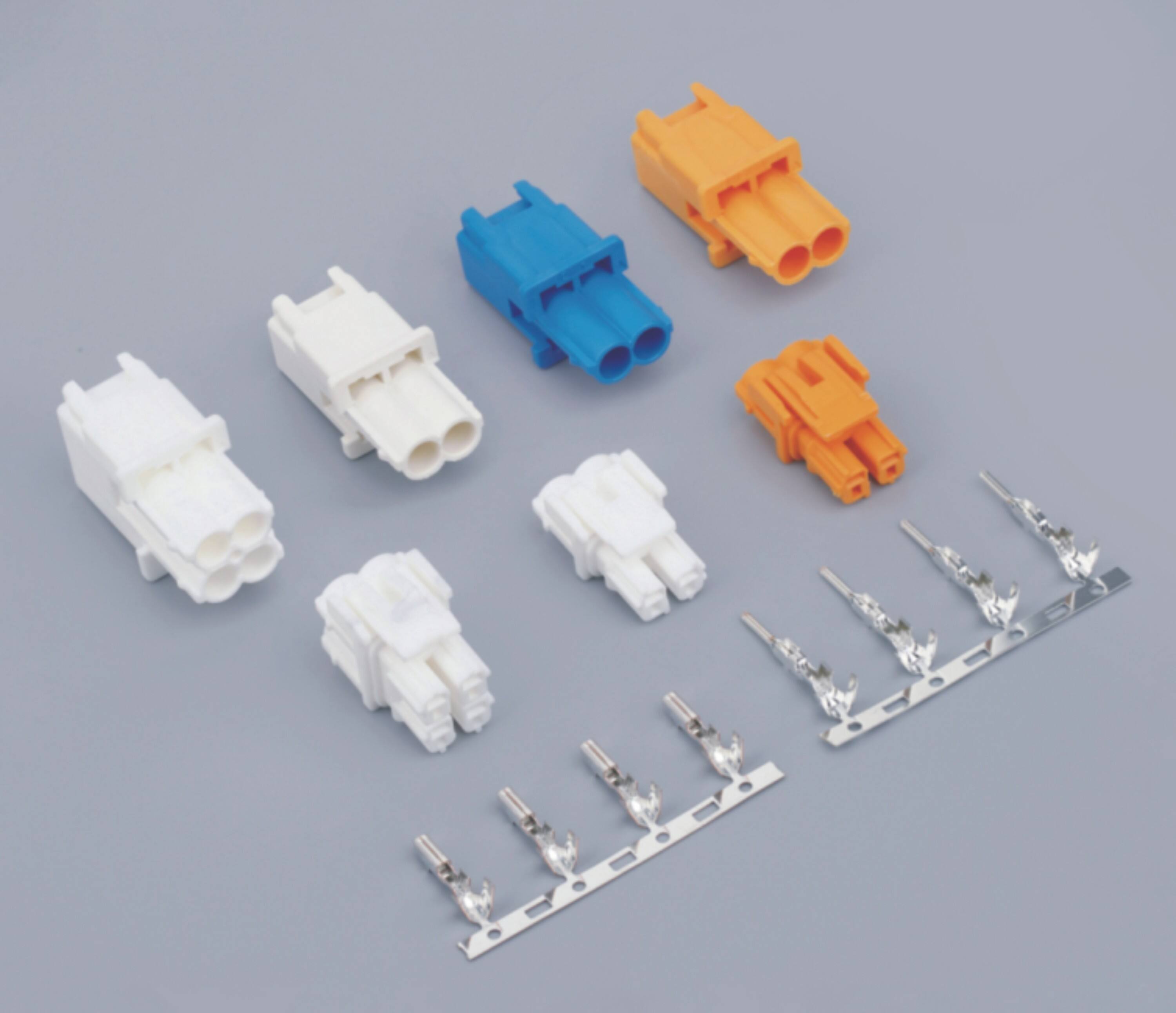
The performance characteristics of wire to wire connectors under high electrical stress depend on multiple interrelated factors including material composition, contact design, insulation properties, and thermal management capabilities. Modern connector technologies have evolved to handle increasingly demanding applications, from renewable energy systems operating at kilovolt levels to industrial machinery requiring hundreds of amperes of continuous current flow. These connectors must maintain electrical integrity while withstanding environmental challenges such as temperature fluctuations, vibration, and moisture exposure.
Engineering teams face unique challenges when selecting connectors for high-power applications, as traditional connector designs often prove inadequate for extreme electrical conditions. The consequences of connector failure in high-current systems can be catastrophic, potentially leading to equipment damage, safety hazards, and costly downtime. Therefore, understanding the fundamental principles governing connector performance under electrical stress becomes essential for successful system implementation and long-term reliability.
Electrical Performance Fundamentals
Current Carrying Capacity and Contact Resistance
The current carrying capacity of wire to wire connectors depends primarily on the cross-sectional area of the contact elements and the contact resistance at the mating interface. Contact resistance represents the electrical resistance encountered at the junction between mating connector elements, typically measured in milliohms. High-quality connectors minimize this resistance through precise manufacturing tolerances, optimal contact materials, and effective plating technologies that prevent oxidation and corrosion.
Copper alloys dominate contact construction due to their excellent electrical conductivity, though silver and gold plating often enhance performance by reducing surface resistance and preventing oxidation. The contact force between mating elements significantly influences resistance, with higher forces generally producing lower resistance values. However, excessive contact force can lead to mechanical stress and premature wear, requiring careful balance in connector design.
Temperature rise caused by resistive heating becomes a critical limiting factor in high-current applications. The relationship between current, resistance, and power dissipation follows Joule's law, where power equals current squared times resistance. Even small increases in contact resistance can dramatically increase power dissipation and temperature rise, potentially leading to thermal runaway conditions that compromise connector integrity and surrounding system components.
Voltage Rating and Dielectric Strength
Voltage rating encompasses multiple aspects of connector performance, including breakdown voltage, creepage distance, and clearance requirements. Breakdown voltage represents the maximum voltage that insulating materials can withstand before experiencing dielectric failure, typically expressed in kilovolts per millimeter. Quality wire to wire connectors utilize advanced dielectric materials with high breakdown strengths to ensure reliable operation at elevated voltages.
Creepage distance refers to the shortest path along insulating surfaces between conductive elements, while clearance represents the shortest direct air path between conductors. Both parameters become increasingly important at higher voltages, as insufficient spacing can lead to flashover events that cause catastrophic failure. Industry standards such as IEC 60664 provide guidelines for minimum creepage and clearance distances based on operating voltage, pollution degree, and environmental conditions.
Partial discharge phenomena can occur in high-voltage connectors when electric field concentrations exceed the breakdown threshold of air or insulating materials in small cavities or imperfections. These discharge events gradually degrade insulating materials over time, eventually leading to complete breakdown. Advanced connector designs incorporate field-grading techniques and void-free insulation systems to minimize partial discharge activity and extend service life.
Material Science and Construction
Contact Materials and Plating Systems
The selection of contact materials significantly influences connector performance under high electrical stress conditions. Copper remains the primary conductor material due to its excellent electrical conductivity, mechanical properties, and cost-effectiveness. However, pure copper surfaces are susceptible to oxidation and corrosion, which can dramatically increase contact resistance over time. Therefore, protective plating systems become essential for maintaining long-term performance.
Silver plating offers superior electrical conductivity compared to other plating options, making it ideal for high-current applications where minimizing resistance is paramount. Silver's natural properties include excellent thermal conductivity, which aids in heat dissipation, and the ability to maintain low resistance even when thin oxide layers form on the surface. However, silver is susceptible to tarnishing in sulfur-containing environments, potentially limiting its application in certain industrial settings.
Gold plating provides exceptional corrosion resistance and maintains stable contact resistance over extended periods, making it suitable for critical applications where reliability is paramount. The thickness of gold plating affects both performance and cost, with thicker platings offering enhanced durability but increasing material costs. Nickel barrier layers are typically applied beneath gold platings to prevent copper migration and maintain plating integrity over time.
Insulation Materials and Properties
Modern wire to wire connectors utilize advanced thermoplastic and thermoset materials engineered for superior dielectric performance under extreme conditions. Polyamide compounds, commonly known as nylon, offer excellent mechanical strength and good electrical properties, making them suitable for many high-performance connector applications. These materials can be formulated with glass fiber reinforcement to enhance dimensional stability and temperature resistance.
Liquid crystal polymer materials represent cutting-edge insulation technology, offering exceptional dimensional stability, low moisture absorption, and superior electrical properties across wide temperature ranges. These materials maintain their dielectric strength even under thermal cycling conditions that would degrade conventional plastics, making them ideal for demanding aerospace and automotive applications.
Thermosetting materials such as thermoset polyesters and epoxy compounds provide excellent electrical insulation properties and dimensional stability under high-temperature conditions. These materials undergo irreversible chemical crosslinking during curing, resulting in superior thermal stability compared to thermoplastic alternatives. The crosslinked molecular structure maintains mechanical and electrical properties even when exposed to temperatures approaching the material's thermal decomposition point.
Thermal Management Considerations
Heat Generation and Dissipation
Heat generation in wire to wire connectors results primarily from resistive losses at contact interfaces and within conductor materials. The amount of heat generated follows the fundamental relationship P = I²R, where power dissipation increases exponentially with current and linearly with resistance. This relationship emphasizes the critical importance of minimizing contact resistance in high-current applications, as even small increases in resistance can lead to significant increases in heat generation.
Thermal conductivity of connector materials plays a crucial role in heat dissipation and overall thermal performance. Copper contacts provide excellent thermal conductivity, efficiently conducting heat away from contact interfaces toward larger thermal masses or heat sinks. Insulating materials with higher thermal conductivity can also contribute to improved thermal performance by facilitating heat transfer to ambient air or mounting structures.
Convective and radiative heat transfer mechanisms determine how effectively connectors can dissipate generated heat to the surrounding environment. Connector housing design significantly influences these heat transfer processes, with features such as heat sink fins, thermal vias, and optimized air flow paths enhancing cooling effectiveness. Proper thermal management becomes increasingly critical in enclosed environments where ambient temperatures are elevated or air circulation is restricted.
Temperature Effects on Performance
Elevated temperatures affect virtually every aspect of connector performance, from contact resistance and mechanical properties to insulation integrity and long-term reliability. Contact resistance typically increases with temperature due to reduced electron mobility in conductor materials, creating a positive feedback loop where increased resistance leads to higher temperatures, which further increase resistance.
Thermal expansion mismatches between different materials can create mechanical stresses that compromise connector performance and reliability. Contact forces may decrease as housing materials expand more than contact springs, potentially increasing contact resistance and heat generation. Advanced connector designs incorporate compensation mechanisms and material selection strategies to minimize thermal expansion effects.
Insulation materials experience degradation at elevated temperatures through various mechanisms including oxidation, hydrolysis, and thermal decomposition. These processes gradually reduce dielectric strength and mechanical properties, potentially leading to premature failure in high-temperature applications. Understanding the thermal limits of insulation materials is essential for establishing appropriate derating factors and service life expectations.
Testing and Qualification Standards
Industry Testing Protocols
Comprehensive testing protocols ensure that wire to wire connectors meet stringent performance requirements under high current and voltage conditions. Current cycling tests subject connectors to repeated loading and unloading cycles at rated current levels, simulating real-world operating conditions over extended periods. These tests verify that contact resistance remains stable and that no excessive heating or degradation occurs during normal operation.
Voltage withstand testing evaluates the ability of connectors to maintain insulation integrity when subjected to voltages significantly higher than normal operating levels. Dielectric withstand tests typically apply voltages ranging from twice to ten times the rated voltage, depending on the application and safety requirements. These tests help identify potential weak points in insulation systems and verify adequate safety margins.
Environmental testing protocols evaluate connector performance under various combinations of temperature, humidity, vibration, and other environmental stressors. Thermal cycling tests subject connectors to repeated temperature excursions while monitoring electrical performance, helping identify potential failure modes related to thermal expansion, material degradation, or contact stability issues.
Performance Validation Methods
Temperature rise testing represents one of the most critical validation methods for high-current connectors, measuring the temperature increase at various points on the connector when carrying rated current. Infrared thermography provides non-contact measurement capabilities, allowing detailed thermal mapping of connector surfaces during operation. Contact temperature measurements using embedded thermocouples or resistance temperature detectors provide precise data for critical contact interfaces.
Contact resistance measurements must be performed using appropriate techniques to obtain accurate and repeatable results. Four-wire measurement methods eliminate the influence of test lead resistance, providing precise measurement of milliohm-level contact resistances. Automated test equipment can perform rapid resistance measurements across multiple contact pairs, enabling statistical analysis of manufacturing consistency and quality control.
Accelerated life testing employs elevated stress conditions to simulate long-term aging effects in compressed time periods. These tests combine elevated temperatures, electrical stress, and environmental factors to identify potential failure modes and estimate service life under normal operating conditions. Statistical analysis of test results helps establish confidence intervals and reliability predictions for field applications.
Application Considerations and Best Practices
System Integration Requirements
Successful integration of wire to wire connectors into high-power systems requires careful consideration of system-level factors that influence connector performance and reliability. Conductor sizing must account for not only the connector's current rating but also the thermal environment, duty cycle, and derating factors specified by manufacturers. Oversized conductors can improve thermal performance by providing additional heat dissipation paths.
Proper mechanical support and strain relief prevent excessive stress on connector assemblies, which could compromise electrical connections or damage insulation systems. Vibration isolation may be necessary in applications involving rotating machinery or transportation equipment, where dynamic forces could cause fretting corrosion or mechanical wear at contact interfaces.
Environmental protection considerations include sealing requirements, corrosion resistance, and contamination prevention measures. Sealed connector designs protect against moisture ingress, dust accumulation, and chemical exposure that could degrade electrical performance over time. However, sealing systems may impact thermal performance by restricting air circulation, requiring careful balance between protection and cooling effectiveness.
Installation and Maintenance Guidelines
Proper installation techniques significantly influence the long-term performance and reliability of wire to wire connectors in high-power applications. Torque specifications for threaded connections must be carefully followed to ensure adequate contact force without overstressing mechanical components. Under-torqued connections may exhibit high resistance and heating, while over-torqued connections can damage threads or compress gaskets excessively.
Surface preparation of contact interfaces removes oxides, contamination, and protective coatings that could increase contact resistance. Appropriate cleaning solvents and techniques vary depending on contact materials and plating systems, with manufacturer recommendations providing guidance for specific connector types. Contact enhancement compounds may be beneficial in some applications, though their use should be validated for specific connector designs and operating conditions.
Preventive maintenance programs help ensure continued performance and identify potential problems before they result in failures. Regular inspection schedules should include visual examination for signs of overheating, corrosion, or mechanical damage, as well as periodic measurement of contact resistance and temperature rise. Thermal imaging surveys can identify developing problems such as loose connections or degraded contacts that may not be apparent through visual inspection alone.
FAQ
What factors determine the maximum current rating of wire to wire connectors
The maximum current rating depends on several interrelated factors including contact cross-sectional area, contact resistance, thermal conductivity of materials, ambient temperature, and allowable temperature rise. The connector's ability to dissipate heat through conduction, convection, and radiation ultimately limits the maximum current it can safely carry. Manufacturers typically specify current ratings based on standardized test conditions, with derating factors applied for different operating environments.
How does contact resistance affect performance in high-current applications
Contact resistance directly impacts power dissipation and temperature rise according to P = I²R, where even small increases in resistance can cause significant heating at high current levels. Excessive contact resistance leads to hot spots that can damage insulation, oxidize contact surfaces, and create a cycle of increasing resistance and temperature. Quality connectors minimize contact resistance through proper material selection, surface treatments, and mechanical design that maintains consistent contact force.
What are the key differences between voltage ratings and dielectric withstand capabilities
Voltage ratings represent the maximum continuous operating voltage under normal conditions, while dielectric withstand capability indicates the voltage level that insulation can survive during short-term testing without breakdown. Dielectric withstand voltages are typically much higher than operating voltage ratings, providing safety margins for transient overvoltages and ensuring long-term reliability. Both parameters depend on insulation material properties, geometry, and environmental conditions such as altitude and pollution levels.
How do environmental conditions affect connector performance at high electrical stress levels
Environmental factors significantly impact connector performance through multiple mechanisms including thermal effects on material properties, moisture absorption affecting dielectric strength, and contamination increasing surface conductivity. High ambient temperatures reduce current carrying capacity and accelerate material aging, while humidity can lower breakdown voltage and promote corrosion. Altitude affects air density and dielectric strength, requiring derating at elevations above sea level. Proper environmental protection and appropriate connector selection help maintain performance under adverse conditions.
Table of Contents
- Electrical Performance Fundamentals
- Material Science and Construction
- Thermal Management Considerations
- Testing and Qualification Standards
- Application Considerations and Best Practices
-
FAQ
- What factors determine the maximum current rating of wire to wire connectors
- How does contact resistance affect performance in high-current applications
- What are the key differences between voltage ratings and dielectric withstand capabilities
- How do environmental conditions affect connector performance at high electrical stress levels

