
 EN
EN



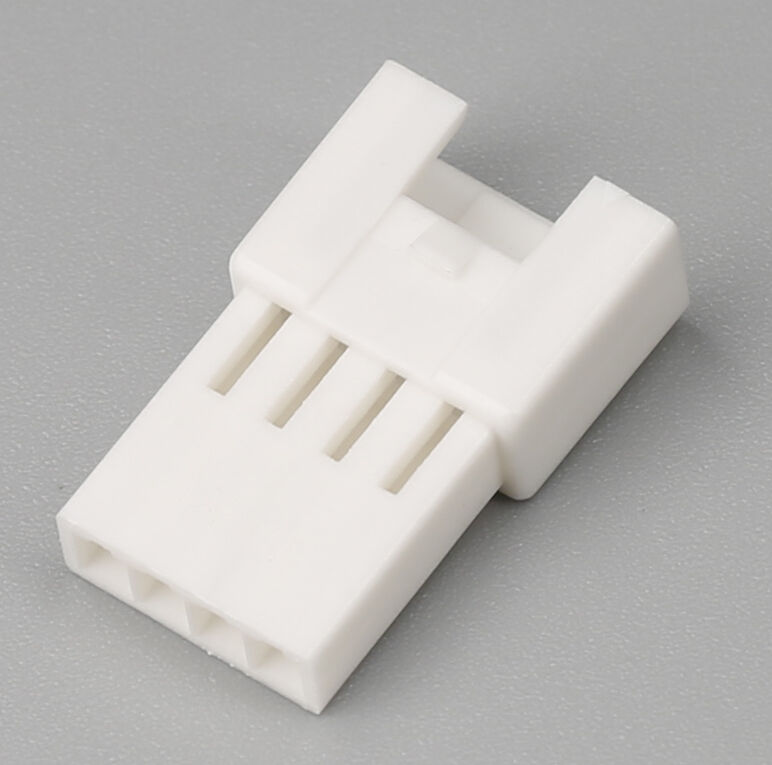
Wire connectors serve as the backbone of electrical systems across countless applications, from residential installations to complex industrial machinery. These critical components ensure reliable electrical connections that maintain signal integrity and power distribution throughout various circuits. Proper maintenance of wire connectors directly impacts system performance, safety, and operational longevity. Understanding the fundamental principles of connector care enables technicians and engineers to prevent costly failures while maximizing equipment uptime.
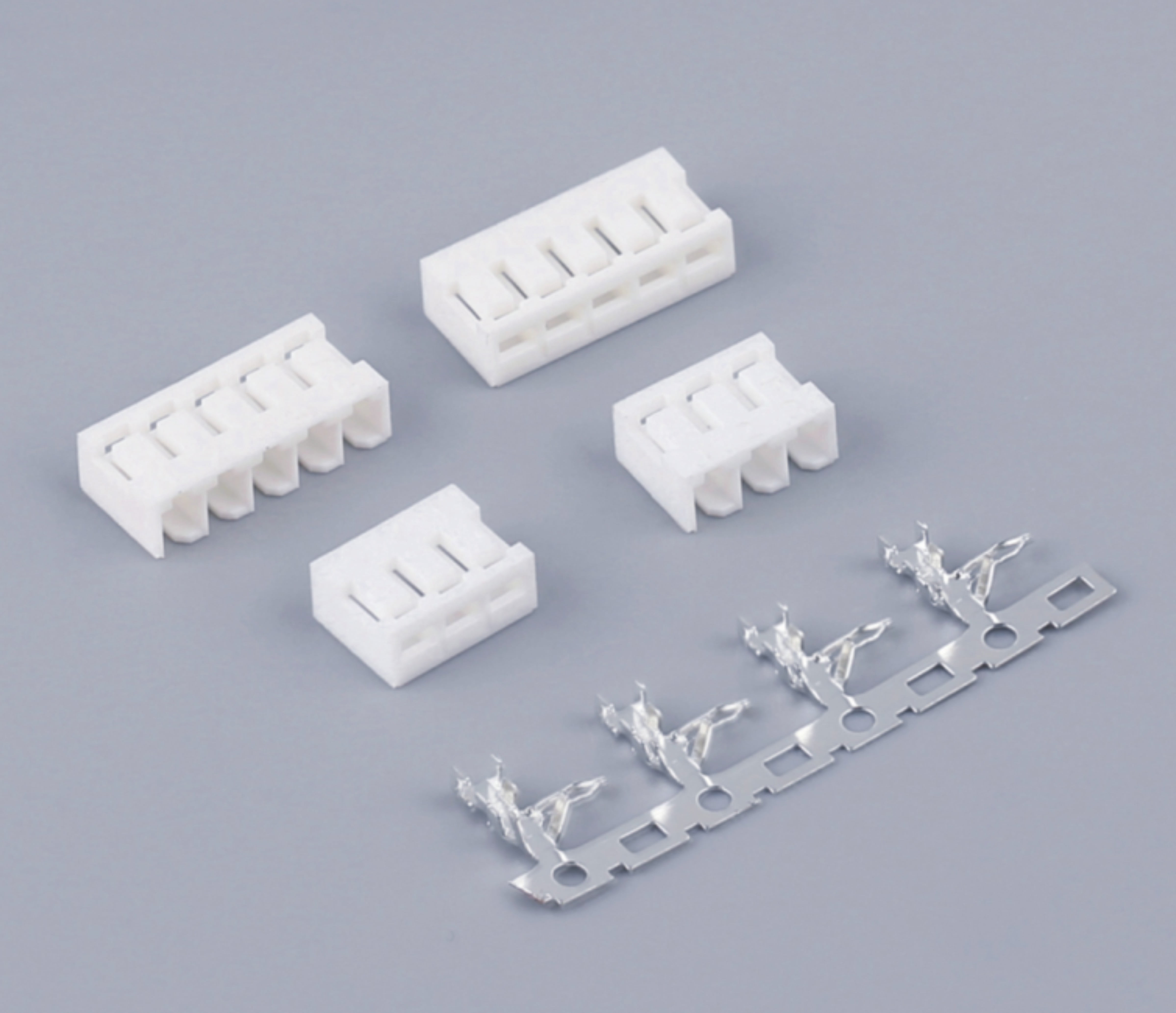
The reliability of electrical connections depends heavily on consistent maintenance protocols that address both environmental factors and mechanical wear. Wire connectors operate in diverse conditions ranging from controlled indoor environments to harsh outdoor installations exposed to moisture, temperature fluctuations, and corrosive elements. Regular inspection and maintenance procedures help identify potential issues before they escalate into system failures. Professional maintenance approaches incorporate systematic evaluation methods that ensure optimal performance across extended operational periods.
Understanding Wire Connector Fundamentals
Types and Applications
Modern wire connectors encompass various designs tailored for specific applications and environmental requirements. Terminal blocks, splice connectors, and barrier strips represent common categories found in industrial and commercial installations. Each connector type features unique characteristics that influence maintenance requirements and performance expectations. Strip connectors particularly excel in applications requiring secure mechanical connections with excellent electrical continuity. The selection of appropriate connector types significantly impacts long-term reliability and maintenance effectiveness.
Understanding connector specifications helps maintenance personnel develop appropriate care protocols. Voltage ratings, current capacity, and environmental classifications determine suitable operating conditions and maintenance intervals. Wire connectors designed for outdoor applications typically incorporate enhanced sealing mechanisms and corrosion-resistant materials. Indoor applications may prioritize compact designs and ease of access for routine maintenance procedures. Proper application knowledge ensures maintenance efforts align with manufacturer specifications and operational requirements.
Material Properties and Durability
Connector materials directly influence maintenance requirements and operational longevity. Copper and brass terminals offer excellent conductivity but require protection from corrosion in humid environments. Nickel-plated contacts provide enhanced corrosion resistance while maintaining good electrical properties. Insulation materials including nylon, polycarbonate, and thermoplastic compounds offer varying degrees of chemical resistance and temperature stability. Understanding material characteristics enables targeted maintenance approaches that address specific degradation mechanisms.
Environmental factors accelerate material degradation through various mechanisms including oxidation, galvanic corrosion, and thermal cycling stress. High-quality wire connectors incorporate advanced materials and protective coatings that resist these degradation processes. Regular inspection of material condition helps identify early signs of deterioration such as discoloration, surface roughening, or mechanical weakness. Proactive material assessment enables timely replacement before performance degradation affects system operation.
Inspection Procedures and Best Practices
Visual Examination Techniques
Systematic visual inspection forms the foundation of effective connector maintenance programs. Trained personnel can identify numerous potential issues through careful examination of connector assemblies. Signs of overheating include discoloration, melting, or charring around connection points. Corrosion appears as white, green, or brown deposits on metal surfaces. Mechanical damage manifests as cracks, deformation, or loose components that compromise connection integrity.
Proper lighting and magnification tools enhance inspection effectiveness by revealing subtle defects that might otherwise escape detection. Digital cameras with macro capabilities provide documentation for tracking degradation patterns over time. Consistent inspection procedures ensure comprehensive evaluation of all critical areas including contact surfaces, insulation, mounting hardware, and strain relief components. Regular photographic documentation creates valuable maintenance records that support predictive maintenance strategies.
Electrical Testing Methods
Electrical testing validates connector performance beyond visual assessment capabilities. Resistance measurements identify high-resistance connections that may indicate corrosion, loose hardware, or inadequate contact pressure. Insulation resistance testing verifies the integrity of barrier materials between adjacent circuits. Continuity testing confirms complete electrical paths through connector assemblies. These measurements provide quantitative data for evaluating connector condition and performance trends.
Advanced testing equipment enables more sophisticated analysis of connector performance characteristics. Time-domain reflectometry can identify impedance discontinuities that affect high-frequency signal integrity. Thermal imaging reveals hot spots indicating excessive resistance or poor heat dissipation. Vibration testing simulates operational stresses to evaluate mechanical stability under dynamic conditions. Comprehensive electrical testing provides objective criteria for maintenance decisions and replacement scheduling.
Environmental Protection Strategies
Moisture and Humidity Control
Moisture represents one of the most significant threats to wire connector reliability and longevity. Water intrusion accelerates corrosion processes while reducing insulation effectiveness and creating potential safety hazards. Effective moisture protection requires multiple barrier approaches including sealed enclosures, gaskets, and protective coatings. Regular inspection of sealing mechanisms ensures continued protection against water ingress during normal operations and extreme weather events.
Humidity control in enclosed spaces helps minimize condensation formation that can compromise connector performance. Desiccants and ventilation systems maintain appropriate moisture levels in control panels and junction boxes. Conformal coatings provide additional protection for exposed wire connectors in high-humidity environments. Understanding local climate conditions enables selection of appropriate protection methods and maintenance frequencies. Proactive moisture management significantly extends connector service life while reducing maintenance requirements.
Temperature Management
Temperature variations affect wire connectors through thermal expansion, material degradation, and electrical property changes. Extreme temperatures can cause insulation brittleness, contact oxidation, and mechanical stress that leads to connection failures. Proper thermal management includes adequate ventilation, heat sinking, and temperature monitoring in critical applications. Understanding temperature effects helps establish appropriate operating limits and maintenance schedules.
Thermal cycling creates repetitive stress patterns that can loosen connections and crack insulation materials. Wire connectors in applications with significant temperature variations require more frequent inspection and maintenance. Thermal interface materials help distribute heat loads while maintaining electrical isolation. Regular temperature monitoring identifies trending issues before they result in connector failures. Effective temperature management strategies balance performance requirements with long-term reliability objectives.
Cleaning and Maintenance Procedures
Contact Surface Preparation
Clean contact surfaces ensure optimal electrical connections with minimal resistance and reliable signal transmission. Oxidation, contamination, and surface films degrade contact performance over time. Proper cleaning procedures remove these impediments while avoiding damage to plating materials or surface finishes. Abrasive cleaning should be limited to severely corroded contacts that cannot be restored through chemical methods.
Contact cleaning agents must be compatible with connector materials and application requirements. Isopropyl alcohol effectively removes light contamination without damaging most plastic materials. Specialized contact cleaners dissolve oxidation and corrosion products while providing temporary protection against future degradation. Proper cleaning technique involves gentle wiping motions that follow contact surface contours. Thorough drying ensures complete solvent evaporation before reconnection.
Hardware Tightening and Adjustment
Mechanical connections in wire connectors require appropriate torque levels to ensure reliable electrical contact without damaging components. Over-tightening can crush wires, crack insulation, or deform contact surfaces. Under-tightening allows connections to loosen over time due to vibration and thermal cycling. Torque specifications provided by manufacturers establish optimal tightening parameters for specific connector designs and wire gauges.
Calibrated torque tools ensure consistent and repeatable connection quality during maintenance procedures. Regular calibration verification maintains tool accuracy within acceptable limits. Sequential tightening patterns distribute clamping forces evenly across multiple connection points. Lock washers, thread locker compounds, and specialized hardware help maintain proper tension over extended periods. Systematic hardware maintenance prevents loose connections that can cause arcing, overheating, and eventual failure.
Troubleshooting Common Issues
Connection Resistance Problems
High connection resistance manifests through various symptoms including voltage drops, heating, and reduced system performance. Corrosion represents the most common cause of elevated resistance in wire connectors. Environmental contamination creates insulating films that impede current flow between contact surfaces. Loose hardware allows air gaps that increase resistance while promoting arcing and further degradation. Systematic troubleshooting identifies root causes enabling effective corrective actions.
Resistance measurements at multiple points throughout connector assemblies help isolate problem areas. Comparative readings between similar connections reveal abnormal conditions requiring attention. Temperature rise measurements during normal operation indicate connections with excessive resistance. Wire connectors with resistance values significantly higher than design specifications require immediate investigation and corrective action. Early intervention prevents progressive degradation that can lead to complete connection failure.
Insulation Breakdown
Insulation breakdown compromises electrical safety while creating potential short-circuit conditions. Aging, contamination, and mechanical stress contribute to insulation degradation over time. Moisture ingress accelerates breakdown processes while reducing flashover voltages. Regular insulation testing identifies deteriorating materials before they reach critical failure points. Understanding breakdown mechanisms helps establish appropriate testing intervals and replacement criteria.
Megohm testing provides quantitative assessment of insulation condition between circuits and ground references. Trending analysis reveals degradation patterns that support predictive maintenance decisions. Visual inspection identifies physical damage including cracks, burns, or contamination that compromise insulation integrity. Replacement of degraded insulation components prevents safety hazards while maintaining system reliability. Proper insulation maintenance ensures continued protection throughout the operational lifetime of electrical systems.
Advanced Maintenance Technologies
Predictive Monitoring Systems
Modern monitoring technologies enable continuous assessment of wire connector condition without manual intervention. Thermal sensors detect temperature rises indicating developing resistance problems. Vibration monitors identify mechanical loosening before connections fail completely. Wireless sensor networks provide remote monitoring capabilities for distributed connector installations. These systems generate alerts when measured parameters exceed predetermined thresholds.
Data logging capabilities create historical records that reveal performance trends and degradation patterns. Analytical software processes monitoring data to predict maintenance requirements and optimize inspection schedules. Integration with maintenance management systems automates work order generation and resource allocation. Predictive monitoring reduces unplanned downtime while optimizing maintenance resources. Advanced monitoring technologies represent the future of proactive connector maintenance in critical applications.
Automated Testing Equipment
Automated test systems provide consistent and comprehensive evaluation of wire connector performance characteristics. Computer-controlled instruments perform multiple test sequences without operator intervention. Standardized test procedures ensure repeatable results that support objective maintenance decisions. Automated documentation creates detailed records for regulatory compliance and quality assurance programs. These systems significantly improve testing efficiency while reducing human error potential.
Portable automated test equipment enables field testing of installed connector systems without extensive disassembly. Battery-powered instruments provide measurement capabilities in remote locations without external power sources. Wireless data transmission allows real-time monitoring of test results from central control locations. Automated testing technologies enhance maintenance program effectiveness while reducing labor requirements. Integration with enterprise systems provides comprehensive visibility into connector performance across entire facilities.
FAQ
How often should wire connectors be inspected for maintenance?
Inspection frequency depends on environmental conditions, application criticality, and manufacturer recommendations. Harsh environments require monthly visual inspections, while controlled indoor applications may need quarterly assessments. Critical systems benefit from more frequent monitoring, potentially monthly or even weekly. Thermal imaging should be performed annually, with electrical testing conducted every six months to two years depending on the application. Establishing a risk-based maintenance schedule optimizes resource allocation while ensuring reliable performance.
What are the most common signs of wire connector deterioration?
Visual indicators include discoloration around connection points, corrosion deposits on metal surfaces, and cracks or damage to insulation materials. Electrical symptoms encompass increased resistance readings, voltage drops under load, and intermittent connectivity issues. Physical signs include loose hardware, burned or melted materials, and unusual odors during operation. Temperature increases detected through thermal imaging often indicate developing problems before visible damage occurs.
Can wire connectors be cleaned and reused after corrosion damage?
Light surface corrosion can often be removed through proper cleaning procedures using appropriate solvents and techniques. However, deep corrosion that penetrates plating materials or causes pitting typically requires connector replacement. The cost-effectiveness of restoration versus replacement depends on connector value and application criticality. Critical applications should favor replacement to ensure maximum reliability, while less critical circuits may accommodate properly cleaned and tested connectors. Always verify electrical performance through resistance and insulation testing after cleaning procedures.
What environmental factors most significantly impact wire connector longevity?
Moisture and humidity represent primary threats through corrosion acceleration and insulation degradation. Temperature extremes cause thermal stress and material aging that reduce service life. Chemical exposure from industrial processes can attack both metallic and insulation components. Vibration and mechanical stress loosen connections while causing fatigue failures. Salt air in coastal environments accelerates corrosion processes significantly. UV exposure degrades many insulation materials in outdoor applications. Proper environmental protection and material selection address these factors effectively.

